
Filter
2299
Text search:
disabilities
at
the
community
level
Featured
207
580
Language
2242
47
39
26
25
17
11
7
5
5
5
5
4
4
3
3
3
3
3
3
3
2
2
2
2
2
2
2
2
2
2
1
1
1
1
1
1
1
1
1
1
1
1
1
1
1
1
1
1
1
1
1
1
1
Document type
1472
314
193
126
113
25
25
20
3
2
2
1
1
Countries
92
73
71
62
55
55
52
51
47
40
38
38
37
37
33
31
27
27
27
27
26
26
24
22
21
19
19
18
17
16
16
16
14
13
13
13
12
11
11
11
11
10
10
10
9
9
9
9
8
8
8
8
7
7
7
7
7
6
6
6
6
6
5
5
5
5
5
4
4
4
3
3
3
3
3
2
2
2
2
2
2
2
2
2
2
2
2
2
2
2
2
2
2
1
1
1
1
1
1
1
1
1
1
1
1
1
1
1
1
1
1
1
1
1
1
1
Authors & Publishers
229
82
73
67
61
60
48
45
34
24
23
22
22
21
20
20
18
18
17
17
16
14
13
13
12
12
11
11
11
11
10
10
9
9
9
9
8
8
8
8
8
7
7
7
7
7
7
7
7
7
6
6
6
6
6
6
6
6
6
5
5
5
5
5
5
5
5
5
5
5
5
5
5
5
4
4
4
4
4
4
4
4
4
4
4
4
4
4
4
4
4
4
4
4
4
4
4
4
3
3
3
3
3
3
3
3
3
3
3
3
3
3
3
3
3
3
3
3
3
3
3
3
3
3
3
3
3
3
3
3
3
3
3
3
3
3
3
3
3
3
3
3
3
3
3
3
2
2
2
2
2
2
2
2
2
2
2
2
2
2
2
2
2
2
2
2
2
2
2
2
2
2
2
2
2
2
2
2
2
2
2
2
2
2
2
2
2
2
2
2
2
2
2
2
2
2
2
2
2
2
2
2
2
2
2
2
2
2
2
2
2
2
2
2
2
2
2
2
2
2
2
2
2
2
2
2
2
2
2
2
2
2
2
2
2
2
2
2
2
2
2
2
2
2
2
2
2
2
2
2
2
2
2
2
2
2
2
2
2
2
2
2
2
2
2
2
2
2
2
2
2
2
2
2
2
2
2
2
2
2
2
2
2
2
1
1
1
1
1
1
1
1
1
1
1
1
1
1
1
1
1
1
1
1
1
1
1
1
1
1
1
1
1
1
1
1
1
1
1
1
1
1
1
1
1
1
1
1
1
1
1
1
1
1
1
1
1
1
1
1
1
1
1
1
1
1
1
1
1
1
1
1
1
1
1
1
1
1
1
1
1
1
1
1
1
1
1
1
1
1
1
1
1
1
1
1
1
1
1
1
1
1
1
1
1
1
1
1
1
1
1
1
1
1
1
1
1
1
1
1
1
1
1
1
1
1
1
1
1
1
1
1
1
1
1
1
1
1
1
1
1
1
1
1
1
1
1
1
1
1
1
1
1
1
1
1
1
1
1
1
1
1
1
1
1
1
1
1
1
1
1
1
1
1
1
1
1
1
1
1
1
1
1
1
1
1
1
1
1
1
1
1
1
1
1
1
1
1
1
1
1
1
1
1
1
1
1
1
1
1
1
1
1
1
1
1
1
1
1
1
1
1
1
1
1
1
1
1
1
1
1
1
1
1
1
1
1
1
1
1
1
1
1
1
1
1
1
1
1
1
1
1
1
1
1
1
1
1
1
1
1
1
1
1
1
1
1
1
1
1
1
1
1
1
1
1
1
1
1
1
1
1
1
1
1
1
1
1
1
1
1
1
1
1
1
1
1
1
1
1
1
1
1
1
1
1
1
1
1
1
1
1
1
1
1
1
1
1
1
1
1
1
1
1
1
1
1
1
1
1
1
1
1
1
1
1
1
1
1
1
1
1
1
1
1
1
1
1
1
1
1
1
1
1
1
1
1
1
1
1
1
1
1
1
1
1
1
1
1
1
1
1
1
1
1
1
1
1
1
1
1
1
1
1
1
1
1
1
1
1
1
1
1
1
1
1
1
1
1
1
1
1
1
1
1
1
1
1
1
1
1
1
1
1
1
1
1
1
1
1
1
1
1
1
1
1
1
1
1
1
1
1
1
1
1
1
1
1
1
1
1
1
1
1
1
1
1
1
1
1
1
1
1
1
1
1
1
1
1
1
1
1
1
1
1
1
1
1
1
1
1
1
1
1
1
1
1
1
1
1
1
1
1
1
1
1
1
1
1
1
1
1
1
1
1
1
1
1
1
1
1
1
1
1
1
1
1
1
1
1
1
1
1
1
1
1
1
1
1
1
1
1
1
1
1
1
1
1
1
1
1
1
1
1
1
1
1
1
1
1
1
1
1
1
1
1
1
1
1
1
1
1
1
1
1
1
1
1
1
1
1
1
1
1
1
1
1
1
1
1
1
1
1
1
1
1
1
1
1
1
1
1
1
1
1
1
1
1
1
1
1
1
1
1
1
1
1
1
1
1
1
1
1
1
1
1
1
1
1
1
1
1
1
1
1
1
1
1
1
1
1
1
1
1
1
1
1
1
1
1
1
1
1
1
1
1
1
1
1
1
1
1
1
1
1
1
1
1
1
1
1
1
1
1
1
1
1
1
1
1
1
1
1
1
1
1
1
1
1
1
1
1
1
1
1
1
1
1
1
1
1
1
1
1
1
1
1
1
1
1
1
1
1
1
1
1
1
1
1
1
1
1
1
1
1
1
1
1
1
1
1
1
1
1
1
1
1
1
1
1
1
1
1
1
1
1
1
1
1
1
1
1
1
1
1
1
1
1
1
1
1
1
1
1
1
1
1
1
1
1
1
1
1
1
1
1
1
1
1
1
1
1
1
1
1
1
1
1
1
1
1
1
1
1
1
1
1
1
1
1
1
1
1
1
1
1
1
1
1
1
1
1
1
1
1
1
1
1
1
1
1
1
1
1
1
1
1
1
1
1
1
1
1
1
1
1
1
1
1
1
1
1
1
1
1
1
1
1
1
1
1
1
1
1
1
1
1
1
1
1
1
1
1
1
1
1
1
1
1
1
1
1
1
1
1
1
1
1
1
1
1
1
1
1
1
1
1
1
1
1
1
1
1
1
1
1
1
1
1
1
1
1
1
1
1
1
1
1
1
1
1
1
1
1
1
1
1
1
1
1
1
1
1
1
1
1
1
1
1
1
1
1
1
1
1
1
1
1
1
1
1
1
1
1
1
1
1
1
1
1
1
1
1
1
1
1
1
1
1
1
1
1
1
1
1
1
1
1
1
1
1
1
1
1
1
1
1
1
1
1
1
1
1
1
1
1
1
1
1
1
1
1
1
1
1
1
1
1
1
1
1
1
1
1
1
1
1
1
1
1
1
1
1
1
1
1
1
1
1
1
1
1
1
1
1
1
1
1
1
1
1
1
1
1
1
1
1
1
1
1
1
1
1
1
1
1
1
1
1
1
1
1
1
1
1
1
1
1
1
1
1
1
1
1
1
1
1
1
1
1
1
1
1
1
1
1
1
1
1
1
1
1
1
1
1
1
1
1
1
1
1
1
1
1
1
1
1
1
1
1
1
1
1
1
1
1
1
1
1
1
1
1
1
1
1
1
1
1
1
1
1
1
1
1
1
1
1
1
1
1
1
1
1
1
1
1
1
1
1
1
1
1
1
1
1
1
1
1
1
1
1
1
1
1
1
1
1
1
1
1
1
1
1
1
1
1
1
1
1
1
1
1
1
1
1
1
1
1
1
1
1
1
1
1
1
1
1
1
1
1
1
1
1
1
1
1
1
1
1
1
1
1
1
1
1
1
1
1
1
1
1
1
1
1
1
1
1
1
1
1
1
1
1
1
1
1
1
1
1
1
1
1
1
1
1
1
1
1
1
1
1
1
1
1
1
1
1
1
1
1
1
1
1
1
1
1
1
1
1
1
1
1
1
1
1
1
1
1
1
1
1
1
1
1
1
1
1
1
1
1
1
1
1
1
1
1
1
1
1
1
1
1
1
1
1
1
1
1
1
1
1
1
1
1
1
1
1
1
1
1
1
1
1
1
1
1
1
1
1
1
1
1
1
1
1
1
1
1
1
1
1
1
1
1
1
1
1
1
1
1
1
1
1
1
1
1
1
1
1
1
1
1
1
1
1
1
1
1
1
1
1
1
1
1
1
1
1
1
1
1
1
1
1
1
1
1
1
1
1
1
1
1
1
1
1
1
1
1
1
1
1
1
1
1
1
1
1
1
1
1
1
1
1
1
1
1
1
1
1
1
1
1
1
1
1
1
1
1
1
1
1
1
1
1
1
1
1
1
1
1
1
1
1
1
1
1
1
1
1
1
1
1
1
1
1
1
1
1
1
1
1
1
1
1
1
1
1
1
1
1
1
1
1
1
1
1
1
1
1
1
1
1
1
1
1
1
1
1
1
1
1
1
1
1
1
1
1
1
1
1
1
1
1
1
1
1
1
1
1
1
1
1
1
1
1
1
1
1
1
1
1
1
1
1
1
1
1
1
1
1
1
1
1
1
1
1
1
1
1
1
1
1
1
1
1
1
1
1
1
1
1
1
1
1
1
1
1
1
1
1
1
1
1
1
1
1
1
1
1
1
1
1
1
1
1
1
1
1
1
1
1
1
1
1
1
1
1
1
1
1
1
1
1
1
1
1
1
1
1
1
1
1
1
1
1
1
1
1
1
1
1
1
1
1
1
1
1
1
1
1
1
1
1
1
1
1
1
1
1
1
1
1
1
1
1
1
1
1
1
1
1
1
1
Publication Years
1
625
1468
201
4
Category
875
144
128
81
78
45
4
3
2
Toolboxes
437
291
206
128
85
71
61
59
52
33
31
29
24
21
17
11
9
7
5
4
4
3
2
1
1

According to the United Nations, Yemen has been the "Worst humanitarian crisis in the world," for the
...
past two years. Despite the Hudaydah Agreement signed in December 2018, the fighting continued in many areas of the country, such as Hajjah in the north, Al Dhale' e in the south and Hudaydah along the west coast. Within a year, another 400,000 Yemenis were forced to flee their homes, eventually adding up to one-eighth of the entire Yemeni population who had become displaced at least once, over the last five years.
In 2019, unprecedented heavy rain and flooding from May onwards caused catastrophic damage to homes and the families’ livelihoods, adding to their misery. Thousands of families who had already lost their home due to the fighting had yet again, their temporary shelters, beddings and essential kitchen supplies, destroyed.
more
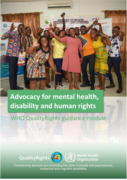
The QualityRights training and orientation modules have been developed to enhance the knowledge, skills and understanding of key stakeholders on how to promote
...
the rights of people with psychosocial, intellectual or cognitive disabilities, improve the quality of services and support provided in the field of mental health and related areas, in line with international human rights standards, in particular the UN Convention on the Rights of Persons with Disabilities and the recovery approach.
mental health and related fields, in accordance with international human rights standards, in particular the UN Convention on the Rights of Persons with Disabilities and the recovery approach.
more
The Rwandan Health Sector Research Policy (HSRP) policy defines the scope of research in the Rwandan health sector and presents
...
the strategic principles to ensure that the research done in Rwandan health sector will be conducted in a more coordinated manner, promoting research for equity and social justice and to benefit the Rwandan community as well as the global community in general. The health sector research policy provides solutions to the challenges which have been identified in health research. It will support and improve Rwanda’s health research environment and create a space and framework in which health research will grow and support improved health outcomes in Rwanda. It gives a clear orientation for dissemination and use of results. For sustainability of health research in Rwanda, foreign researchers are called upon to collaborate with Rwandans with clear capacity building plans.
more
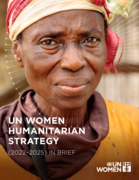
This publication provides an overview of UN Women’s commitments to the humanitarian community guided by the “UN Women strategic plan 2022–202
...
5”. It highlights areas where UN Women has a unique advantage in advancing gender equality and the empowerment of women and girls across the humanitarian–development–peace nexus, and in contributing to the Inter-Agency Standing Committee priorities, including localization and accountability to affected people.
The strategy adopts a two-pronged approach:
strengthening accountability towards gender commitments in coordination and implementation of UN-led humanitarian and refugee responses, and
strengthening comprehensive protection and livelihoods support to crisis-affected women and girls.
While taking these approaches, UN Women prioritizes amplifying women’s voices, leadership, and agency as a critical and enabling cross-cutting area.
more
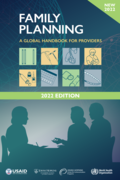
Family planning: a global handbook for providers
recommended
4th edition 2022 of the Handbook includes new WHO recommendations that expand contraceptive choices. Also, guidance on starting ongoing contraception following emergency contraception is provided.
Drawing on lessons from rec
...
ent outbreaks, this new edition details tangible measures for frontline health workers to protect access to family planning services during emergencies, such as wider access to self-administered contraceptives and the use of digital technologies by providers. It also expands guidance for women and young people at high risk of HIV.
more
The Model Disability Survey (MDS) is a general population survey that provides detailed and nuanced information about how people with and without disabilities conduct their lives and
...
the difficulties they encounter, regardless of any underlying health condition or impairment.
more

The development of this draft Proposed programme budget 2022–2023 comes at a unique moment for WHO. The world is in
...
the grip of the coronavirus disease (COVID-19) pandemic and faces health, social and economic consequences on an unprecedented scale. Although it is not known when the COVID-19 pandemic will end, recent encouraging vaccine results, in addition to the examples of countries that have achieved good results through public health measures, hold out the prospect of better days ahead. The full impact of the pandemic cannot yet be determined. But whatever its implications, the Secretariat will rise to the challenge and is ready to adapt so that it is fully equipped to support Member States for any eventuality in the future – to make sure that the world will never again have to face this kind of crisis.
more
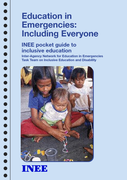
INEE pocket gu ide to inclusive education.
This guide is aimed at anyone working to provide, manage or support education services in emergencies and complements the INEE Minimum Standards.
...
The Pocket Guide to Inclusive Education outlines useful principles for an inclusive education approach in emergencies and provides advice for planning, implementing and monitoring. The guide also looks at the issue of resistance to inclusion, and highlights ways in which organisations can support their emergency staff to develop more inclusive education responses. Available in Arabic, English, Indonesia, French, Spanish
more
The WHO Regional Office for Europe, the WHO Collaborating Centre on Culture and Health at the Un
...
iversity of Exeter (United Kingdom) and the National Institute of Mental Health (Czechia) convened a workshop on culture and reform of mental health care in central and eastern Europe on 2–3 October 2017 in Klecany, Czechia. The aim of this workshop was to improve understanding of the key cultural aspects that impact and drive mental health-care reform in the central and eastern European region. This report outlines the key points and recommendations made by participants in relation to this objective.
more
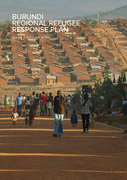
As the Burundi refugee crisis enters its fourth year, some 430,000 Burundian refugees are being hosted across the region by the governments and peo
...
ple of Tanzania, Rwanda, the Democratic Republic of the Congo, and Uganda. Although the spectre of mass violence in Burundi has receded, with the political situation still unresolved and the persistence of significant human rights concerns, refugee arrivals are expected to continue in 2018, albeit at lower levels than in previous years.
more

March - December 2018
The Government of Bangladesh has kept its borders open to Rohingya refugees and leads the humanitarian response. The people
...
of Bangladesh continue to show tremendous generosity and hospitality in the face of a massive influx. In keeping with its policies, the Government of Bangladesh refers to the Rohingya as “Forcibly Displaced Myanmar Nationals”, in the present context. The UN system refers to this population as refugees, in line with the applicable international framework for protection and solutions, and the resulting accountabilities for the country of origin and asylum as well as the international community as a whole. In support of these efforts, the humanitarian community has rapidly scaled up its operations as well. Over a two-month period, the refugee population in Cox’s Bazar more than quadrupled.
more

The Health Sector Policy gives general orientations for the sector which are further developed in the various sub-sector policies guiding key healt
...
h programs and departments. All health sub-sector policies will be updated in line with this new policy. The Health Sector Policy is the basis of national health planning and the first point of reference for all actors working in the health sector. The overall aim of this policy is to ensure universal accessibility (in geographical and financial terms) of equitable and affordable quality health services (preventative, curative, rehabilitative and promotional services) for all Rwandans. It sets the health sector’s objectives, identifies the priority health interventions for meeting these objectives, outlines the role of each level in the health system, and provides guidelines for improved planning and evaluation of activities in the health sector. A companion Health Sector Strategic Plan (HSSP) elaborates the strategic directions defined in the Health Sector Policy in order to support and achieve the implementation of the policy, and more detailed annual operational plans describe the activities under each strategy.
more

This report highlights key achievements registered by the Ministry of Health, affiliated institutions, implementing agencies both at central and decentralized levels in 2013-2014. Generally,
...
the Health Sector accomplishments and programs routine data for 2013-2014 confirm that Rwanda maintains its progress towards the realization of health-related MDGs and national health targets as well.
more
The overall goal of this strategy is to ensure accurate understanding of the
benefits of covid-19 vaccination and alleviate apprehension about the
...
vaccine, to ensure its acceptance and encourage uptake across various audiences.
Objectives
x Create demand, promote acceptability and accessibility of COVID-19
vaccine among at least 90% of the general public.
x Develop appropriate messages and identify channels to communicate
the potential benefits and risks of the vaccine to all concerned parties,
including decision-makers at all levels.
x Provide timely and accurate information to address misinformation,
rumors and other crisis situations.
x Effectively mobilize and empower communities to ensure participation
and ownership of the vaccination process
x Strengthen communication mechanisms and partnerships among key
stakeholders to support the national communication effort.
more
The One Health approach can help achieve progress and promotes synergies on national and global priorities by generating synergies at the human-ani
...
mal-environmental interface. While evidence is still scare, it is likely that the approach is highly cost-effective and improves effectiveness of core public health systems, through reducing morbidity, mortality, and economic costs of disease outbreaks. It also contributes to economic development through strengthening public health systems at the human-animal-environment interface protects health, agricultural production, and
ecosystem services
more
This annual report highlights the work of the WHO from January to June 2021 ( December 2021). The activities featured herein are by no means exhaus
...
ted but implemented with technical and financial support through WHO in Nigeria; facilitated by its presence at all levels of governance (national, state, local government, and wards).
more
Adapting community-led approaches . Three out of 10 people in urban areas do not use improved sanitation facilities, and one out of 10 people are forced to practise open defecation. Still higher proportions do not have access to safely managed sanit
...
ation facilities, where the fecal sludge
is contained and either left in situ or safely emptied, transported, and delivered to a treatment plant.
more
The response to a cholera outbreak must focus on limiting mortality and reducing the spread of the disease. It should be comprehensive and multisec
...
toral, including epidemiology, case management, water, sanitation and hygiene, logistics, community engagement and risk communication. All efforts must be well coordinated to ensure a rapid and effective response across sectors.
This document provides a framework for detecting and monitoring cholera outbreaks and organizing the response. It also includes a short section linking outbreak response to both preparedness and long-term prevention activities.
more
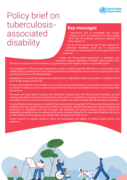
People affected by impairments and disabilities associated with TB are even more likely to belong to marginalized segments of society and are more likely to have their human rights unprotected. The
...
challenges faced by people affected by TB include the consequences of impairment and disability associated with the disease, its treatment as well as with the stigma and discrimination applied to people affected by TB. There is now compelling evidence that the disease and its treatment affect quality of life and life expectancy even after successful treatment.
The WHO Global Tuberculosis Programme has produced the first policy brief on TB-associated disability, building on the increasing evidence in recent years on the unaddressed needs of people with TB who experience impairment and disability while on TB treatment and after completing TB treatment.
more
Leprosy will be eliminated when we detect all patients and cure them by using multidrug therapy (MDT).
Elimination means bringing the disease burden down to a very low level. This will lead to a
...
reduction in the source of infection, so that leprosy is likely to disappear naturally as it already has in many parts of the world. WHO has defined “elimination” as a prevalence rate of less than 1 case per 10,000 inhabitants.
more
