
Filter
456
Featured
47
267
Language
Document type
415
11
7
7
5
3
2
2
2
1
1
Countries
243
143
97
47
44
39
37
37
34
30
22
22
22
22
18
15
14
8
6
5
5
4
4
4
4
3
3
3
3
3
2
2
2
2
2
2
2
2
2
1
1
1
1
1
1
1
1
1
1
1
1
1
1
1
Authors & Publishers
Publication Years
Category
34
25
22
13
12
12
10
10
9
7
6
6
6
5
5
3
2
2
2
2
2
2
2
2
2
2
2
1
1
1
1
1
1
1
1
1
1
1
1
1
1
Toolboxes
62
43
41
27
24
20
20
16
16
14
14
13
12
11
11
11
11
10
8
8
7
7
7
7
6
5
5
5
5
5
5
5
4
3
3
3
2
2
2
2
2
2
2
2
1
1
1
1
1
1
1
1
1
1
1
1
1
1
1
1
1
1
1
1
1
1
1
1
1
1
1
1
1
1
1
1
1
1
1
1
1
1
1
1
Lancet 2018; 391: 700–08

Free information about the Ebola virus and how best to treat it, is available from BMJ Best Practice [https://bestpractice.bmj.com/topics/en-gb/1210], the clinical support tool from BMJ, for clinicians working on the frontline in affected rural and urban regions of DR Congo. The information has bee
...
For health professionals located outside affected regions, online learning courses from BMJ Learning [http://learning.bmj.com/learning/module-intro/.html?moduleId=10058695] offer guidance on how to recognise who is most at risk and how to manage suspected cases of Ebola in primary care.
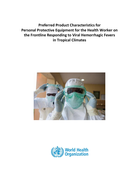
The scope of this PPC document is to serve as a guide to address the unmet public health need for a PPE system that protects the HW-F in tropical climate
s while caring for patients and providing heavy duty essential health services.
The characteristics described in this guidance are targeted fo
...
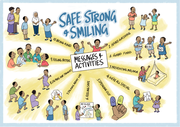
This Ebola Poster with its 20 Messages was developed with people working with children in schools in Sierra Leone during the Ebola crisis in 2014. It has been adapted in 2018. CfH has 100 other messages for children to learn and share in 10 health topics
This comprehensive intermediate level course is for clinicians caring for patients with suspected or confirmed Ebola virus disease (EVD). Modules provide information on screening and triage, infection prevention and control, laboratory diagnostics, organization of the Ebola Treatment Centre (ETC), c
...
All personnel responding to Ebola outbreaks need to have basic knowledge and skills in order to mount an effective response. The GO training package was developed for WHO deployees so they can work safely and effectively as part of the teams bringing outbreaks under control. The learning package con
...

January - December 2017
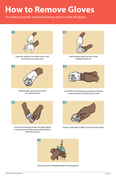

These forms are intended only for clinicians and nurses taking care of patients with Ebola virus disease. They provide standardized information that needs to be collected by the clinicians at admission time, every day and at time of discharge.
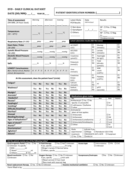
These forms are intended only for clinicians and nurses taking care of patients with Ebola virus disease. They provide standardized information that needs to be collected by the clinicians at admission time, every day and at time of discharge.

These forms are intended only for clinicians and nurses taking care of patients with Ebola virus disease. They provide standardized information that needs to be collected by the clinicians at admission time, every day and at time of discharge.
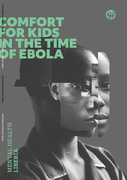
The 2014-2015 outbreak of Ebola virus disease (EVD) in Liberia resulted in over 10,000 cases and 5,000 deaths. Recognizing the importance of addressing children’s trauma, the Ebola recovery and restoration trust fund (EERTF) funded the implementation of a Comfort for kids (C4K) program which encou
...
Shoman et al. Globalization and Health (2017) 13:1 DOI 10.1186/s12992-016-0224-2
This report describes the work done by WHO from January 2015 up to the end of December 2016 to address the long-term issues of survivor care, health-systems strengthening and research.
This paper brings together lessons from interviews with humanitarians and local responders, as well as existing literature, about the use of quarantine in urban environments during the humanitarian response to the Ebola Crisis
