
Filter
1747
Text search:
marketing
Featured
120
514
Language
Document type
995
310
195
81
77
43
18
10
7
6
3
2
Countries
70
65
58
57
45
37
35
34
34
31
30
29
28
27
27
26
25
22
22
21
21
20
18
17
17
15
15
15
13
11
11
11
11
10
10
10
9
8
8
8
8
8
7
6
6
6
6
6
6
5
5
5
5
5
5
3
3
3
3
3
3
3
3
2
2
2
2
2
2
2
2
2
2
2
2
2
2
2
2
1
1
1
1
1
1
1
1
1
1
1
1
1
1
1
1
1
1
1
1
1
1
1
1
1
1
Authors & Publishers
Publication Years
Category
774
105
105
103
76
32
26
Toolboxes
120
109
101
89
78
70
49
42
36
30
28
27
25
25
24
20
14
10
9
8
5
4
2
1
1
Children continue to be exposed to powerful food marketing, which predominantly promotes foods high in saturated fatty acids, trans-fatty acids, free sugars and/or sodium and uses a wide variety of marketi
...

This report - the largest of its kind to date - draws on the experiences of over 8,500 women and 300 health professionals across eight countries. It exposes the aggressive marketing practices used by the formula milk industry, and highlights impacts
...
The WHO European Office for the Prevention and Control of Noncommunicable Diseases organized an expert meeting on monitoring of digital marketing of unhealthy products to children and adolescents in June 2018. Based on that meeting, this report aims
...
This report summarizes the results of a 2018 survey of food and beverage marketing to children via television in the Kyrgyz Republic. It explores the extent and nature of children’s exposure to marketing
...
This short document summarizes the key content of the WHO report Reducing the harm from alcohol by regulating cross-border alcohol marketing, advertising and promotion. It outlines the way that alcohol is being marketed across national borders – o
...
Guidance for the preparation and submission of dossiers
Document No. : FDA/SMC/SMD/GL-RAR/2013/01

Les présentes orientations de l’OMS portent sur la restriction du marketing (notamment le marketing numérique) dans les contextes des produits du tabac et des produits à base de nicotine, de lâ
...
Document No. : FDA/SMC/SMD/GL-SMP/2015/05 |
These guidelines are for information, guidance and strict compliance by Marketing Authorization Holders and Local Representatives of regulated products to help in the continuous safety monitoring of prod
...
There is an expanding market of no- and low-alcohol beverages (NoLos). However, their effects on global ethanol consumption and public health are still questioned. Policies and regulations about NoLos’ availability, acceptability and affordability are lacking and evidence about their benefits is l
...
This report summarizes the results of a 2018 survey of food and beverage marketing to children via television in the Republic of Kazakhstan. It explores the extent and nature of children’s exposure to ma
...
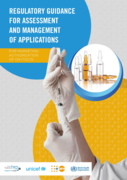
Pharmaceutical regulators are at the forefront of ensuring that only safe and effective medicines are authorized and available in the market. This document builds on the recommendations in the above publication and has been prepared to specifically assist national medicines regulatory authorities to
...
To implement the set of recommendations on the marketing of foods and non-alcoholic beverages to children
With the growing obesity crisis among children, WHO and other public health advocates and consumer groups have called for restrictions on ...
With the growing obesity crisis among children, WHO and other public health advocates and consumer groups have called for restrictions on ...
Marketing of breast-milk substitutes: national implementation of the International Code, status report 2024
recommended
This report provides updated information on the status of implementation of the International Code of Marketing of Breast-milk Substitutes (BMS) and subsequent relevant World Health Assembly (WHA) resolutions (collectively referred to as “the Code
...
Glob Health Sci Pract; March 24, 2017, Vol. 5, No. 1, pp. 44-56
Alcohol consumption is deeply embedded in the social landscape of many societies. Several major factors have an impact on levels and patterns of alcohol consumption in populations – such as historical trends in alcohol consumption, the availability of alcohol, culture, economic status and trends i
...
