
Filter
315
Text search:
Scotland
Featured
28
47
Language
Document type
146
69
41
23
19
6
5
3
2
1
Countries
24
15
9
7
6
5
5
4
4
4
3
3
3
3
2
2
2
2
2
2
2
1
1
1
1
1
1
1
1
1
1
1
1
1
1
1
1
1
1
1
1
1
1
1
1
1
1
Authors & Publishers
Publication Years
Category
49
34
31
17
9
2
1
Toolboxes
81
27
24
19
18
18
14
13
11
7
7
7
5
3
3
3
1
1
1
1
Accessed: 24.03.2020
Diabetes mellitus is a major cause of morbidity and mortality in Scotland and worldwide, with an increasing prevalence. In 2009 there were around 228,000 people registered as having diabetes in Scotland
...
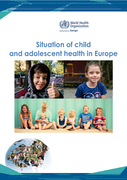
The report focuses on several key areas where health outcomes are falling short, and provides insight into ways in which countries can improve the situation for their children and adolescents. Areas in focus include mental health, overweight/obesity and adolescent risk-taking behaviour.
The report
...
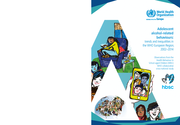
Adolescent alcohol-related behaviours: trends and inequalities in the WHO European Region, 2002–2014
Observations from the Health Behaviour in School-aged Children (HBSC) WHO collaborative cross-national study
SIGN 143. A national clinical guideline
Published May 2015, Revised 2018
Scabies is a contagious skin condition caused by tiny mites that burrow into the skin.
The main symptom of scabies is intense itching that's worse at night. It also causes a skin rash on areas where the mites have burrowed.
In 2018, the WHO European Healthy Cities Network adopted the political vision of the Network until 2030 that is fully aligned with the United Nations 2030 Agenda for Sustainable Development: the Copenhagen Consensus of Mayors: Healthier and Happier Cities for All. The vision is built around six them
...
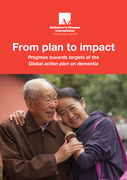
Progress towards targets of the Global action plan on dementia
Countries with free access to BNF and BNF for Children on MedicinesComplete via HINARI
Registered users of the BNF website are allowed free access to the core content of the latest edition of the BNF and BNF for Children on the MedicinesComplete website if they reside in England,
...
Alcohol contributes significantly to the disease and mortality burden in the WHO European Region, and primary health care systems play an important role in reducing the impact of harmful alcohol use. Screening and brief interventions (SBIs) for alcohol are an evidence-informed approach to addressing
...
Accessed: 28.03.2019
BMJ 2020;368:m800 doi: 10.1136/bmj.m800 (Published 5 March 2020)
Operating Department Practice - Clinical Pocket Reference - for nurses, students and other healthcare professionals - third edition,
supplemantary material Available from
www.clinicalpocketreference.com
ISBN: 978 1 908725 10 3
In order to meet changing global population needs and consumer expectations, healthcare systems worldwide are under transformation and face restructuring. As systems adapt and shift their emphasis in response to the disparate requests for healthcare services, oppor-tunities emerge for nurses, especi
...
The biosphere underlies the whole sustainable development concept, as the layer on
which society and the economy rely. Nature and biodiversity fuel the natural cycles
and life-support systems of the planet, on which humanity ultimately depends.

Biodiversity and Health in the Face of Climate Change pp 47–66
This chapter reviews the emerging importance of pollen allergies in relation to ongoing climate change. Allergic diseases have been increasing in prevalence over the last decades, partly as the result of the impact of climate change.
...
Усиление мер реагирования систем здравоохранения на COVID-19: техническое руководство № 6
recommended
Профилактика и работа в условиях пандемии COVID-19 в учреждениях долговременного ухода в Европейском регионе ВОЗ
В настоящем техническом руководстве определено
...
The objectives of these WHO guidelines are to provide updated evidence- based recommendations for the treatment of persons with hepatitis C infection using, where possible, all DAA-only combinations. The guidelines also provide recommendations on the preferred regimens based on a patient’s HCV gen
...
