
Filter
2166
Text search:
boys
Featured
153
641
Language
2099
49
45
29
28
16
6
6
5
5
5
4
4
4
4
3
3
3
2
2
2
2
2
1
1
1
1
1
1
1
1
1
1
1
1
1
1
1
1
Document type
1440
315
149
74
71
39
27
25
15
7
2
1
1
Countries
91
79
72
64
58
54
49
48
47
46
41
41
39
39
35
35
33
30
28
27
26
25
24
24
21
20
20
20
20
18
18
18
17
16
15
14
12
11
11
11
10
10
10
10
9
9
9
9
8
8
8
7
7
7
6
6
6
5
5
5
5
5
5
5
5
5
4
4
4
4
4
4
3
3
3
3
3
3
2
2
2
2
2
2
2
2
2
2
2
1
1
1
1
1
1
1
1
1
1
1
1
1
1
1
1
1
1
1
1
1
1
1
1
1
Authors & Publishers
126
96
94
88
86
63
43
39
35
34
31
31
28
25
24
20
19
19
18
16
16
16
16
15
13
13
12
12
11
11
11
10
10
10
10
10
10
9
9
8
8
7
7
7
7
7
6
6
6
6
6
6
6
6
5
5
5
5
5
5
5
5
5
5
5
4
4
4
4
4
4
4
4
4
4
4
4
4
4
4
4
4
4
4
4
4
4
4
4
4
4
4
3
3
3
3
3
3
3
3
3
3
3
3
3
3
3
3
3
3
3
3
3
3
3
3
3
3
3
3
3
3
3
3
3
3
3
3
3
3
3
3
3
3
3
3
3
3
3
3
3
3
3
3
3
3
3
3
2
2
2
2
2
2
2
2
2
2
2
2
2
2
2
2
2
2
2
2
2
2
2
2
2
2
2
2
2
2
2
2
2
2
2
2
2
2
2
2
2
2
2
2
2
2
2
2
2
2
2
2
2
2
2
2
2
2
2
2
2
2
2
2
2
2
2
2
2
2
2
2
2
2
2
2
2
2
2
2
2
2
2
2
2
2
2
2
2
2
2
2
2
2
2
2
2
2
2
2
2
2
2
2
2
2
2
2
2
2
2
2
2
2
2
2
2
2
2
2
2
2
2
2
2
2
2
2
2
2
2
2
2
2
2
2
2
2
2
2
2
2
2
2
2
2
2
2
1
1
1
1
1
1
1
1
1
1
1
1
1
1
1
1
1
1
1
1
1
1
1
1
1
1
1
1
1
1
1
1
1
1
1
1
1
1
1
1
1
1
1
1
1
1
1
1
1
1
1
1
1
1
1
1
1
1
1
1
1
1
1
1
1
1
1
1
1
1
1
1
1
1
1
1
1
1
1
1
1
1
1
1
1
1
1
1
1
1
1
1
1
1
1
1
1
1
1
1
1
1
1
1
1
1
1
1
1
1
1
1
1
1
1
1
1
1
1
1
1
1
1
1
1
1
1
1
1
1
1
1
1
1
1
1
1
1
1
1
1
1
1
1
1
1
1
1
1
1
1
1
1
1
1
1
1
1
1
1
1
1
1
1
1
1
1
1
1
1
1
1
1
1
1
1
1
1
1
1
1
1
1
1
1
1
1
1
1
1
1
1
1
1
1
1
1
1
1
1
1
1
1
1
1
1
1
1
1
1
1
1
1
1
1
1
1
1
1
1
1
1
1
1
1
1
1
1
1
1
1
1
1
1
1
1
1
1
1
1
1
1
1
1
1
1
1
1
1
1
1
1
1
1
1
1
1
1
1
1
1
1
1
1
1
1
1
1
1
1
1
1
1
1
1
1
1
1
1
1
1
1
1
1
1
1
1
1
1
1
1
1
1
1
1
1
1
1
1
1
1
1
1
1
1
1
1
1
1
1
1
1
1
1
1
1
1
1
1
1
1
1
1
1
1
1
1
1
1
1
1
1
1
1
1
1
1
1
1
1
1
1
1
1
1
1
1
1
1
1
1
1
1
1
1
1
1
1
1
1
1
1
1
1
1
1
1
1
1
1
1
1
1
1
1
1
1
1
1
1
1
1
1
1
1
1
1
1
1
1
1
1
1
1
1
1
1
1
1
1
1
1
1
1
1
1
1
1
1
1
1
1
1
1
1
1
1
1
1
1
1
1
1
1
1
1
1
1
1
1
1
1
1
1
1
1
1
1
1
1
1
1
1
1
1
1
1
1
1
1
1
1
1
1
1
1
1
1
1
1
1
1
1
1
1
1
1
1
1
1
1
1
1
1
1
1
1
1
1
1
1
1
1
1
1
1
1
1
1
1
1
1
1
1
1
1
1
1
1
1
1
1
1
1
1
1
1
1
1
1
1
1
1
1
1
1
1
1
1
1
1
1
1
1
1
1
1
1
1
1
1
1
1
1
1
1
1
1
1
1
1
1
1
1
1
1
1
1
1
1
1
1
1
1
1
1
1
1
1
1
1
1
1
1
1
1
1
1
1
1
1
1
1
1
1
1
1
1
1
1
1
1
1
1
1
1
1
1
1
1
1
1
1
1
1
1
1
1
1
1
1
1
1
1
1
1
1
1
1
1
1
1
1
1
1
1
1
1
1
1
1
1
1
1
1
1
1
1
1
1
1
1
1
1
1
1
1
1
1
1
1
1
1
1
1
1
1
1
1
1
1
1
1
1
1
1
1
1
1
1
1
1
1
1
1
1
1
1
1
1
1
1
1
1
1
1
1
1
1
1
1
1
1
1
1
1
1
1
1
1
1
1
1
1
1
1
1
1
1
1
1
1
1
1
1
1
1
1
1
1
1
1
1
1
1
1
1
1
1
1
1
1
1
1
1
1
1
1
1
1
1
1
1
1
1
1
1
1
1
1
1
1
1
1
1
1
1
1
1
1
1
1
1
1
1
1
1
1
1
1
1
1
1
1
1
1
1
1
1
1
1
1
1
1
1
1
1
1
1
1
1
1
1
1
1
1
1
1
1
1
1
1
1
1
1
1
1
1
1
1
1
1
1
1
1
1
1
1
1
1
1
1
1
1
1
1
1
1
1
1
1
1
1
1
1
1
1
1
1
1
1
1
1
1
1
1
1
1
1
1
1
1
1
1
1
1
1
1
1
1
1
1
1
1
1
1
1
1
1
1
1
1
1
1
1
1
1
1
1
1
1
1
1
1
1
1
1
1
1
1
1
1
1
1
1
1
1
1
1
1
1
1
1
1
1
1
1
1
1
1
1
1
1
1
1
1
1
1
1
1
1
1
1
1
1
1
1
1
1
1
1
1
1
1
1
1
1
1
1
1
1
1
1
1
1
1
1
1
1
1
1
1
1
1
1
1
1
1
1
1
1
1
1
1
1
1
1
1
1
1
1
1
1
1
1
1
1
1
1
1
1
1
1
1
1
1
1
1
1
1
1
1
1
1
1
1
1
1
1
1
1
1
1
1
1
1
1
1
1
1
1
1
1
1
1
1
1
1
1
1
1
1
1
1
1
1
1
1
1
1
1
1
1
1
1
1
1
1
1
1
1
1
1
1
1
1
1
1
1
1
1
1
1
1
1
1
1
1
1
1
1
1
1
1
1
1
1
1
1
1
1
1
1
1
1
1
1
1
1
1
1
1
1
1
1
1
1
1
1
1
1
1
1
1
1
1
1
1
1
1
1
1
1
1
1
1
1
1
1
1
1
1
1
1
1
1
1
1
1
1
1
1
1
1
1
1
1
1
1
1
1
1
1
1
1
1
1
1
1
1
1
1
1
1
1
1
1
1
1
1
1
1
1
1
1
1
1
1
1
1
1
1
1
1
1
1
1
1
1
1
1
1
1
1
1
1
1
1
1
1
1
1
1
1
1
1
1
1
1
1
1
1
1
1
1
1
1
1
1
1
1
1
1
1
1
1
1
1
1
1
1
1
1
1
1
1
1
1
1
1
1
1
1
1
1
1
1
1
1
1
1
1
1
1
1
1
1
1
1
1
1
1
1
1
1
1
1
1
1
1
1
1
1
1
1
1
1
1
1
1
1
1
1
1
1
1
1
1
1
1
1
1
1
1
1
1
1
1
1
1
1
1
1
1
1
1
1
1
1
1
1
1
1
1
1
1
1
1
1
1
1
1
1
1
1
1
1
1
1
1
1
1
1
1
1
1
1
1
1
1
1
1
1
1
1
1
1
1
1
1
1
1
1
1
1
1
1
1
1
1
1
1
1
1
1
1
1
1
1
1
1
1
1
1
1
1
1
1
1
1
1
1
1
1
1
1
1
1
1
1
1
1
1
1
1
1
1
1
1
1
1
1
1
1
1
1
1
1
1
1
1
1
1
1
1
1
1
1
1
1
1
1
1
1
1
1
1
1
1
1
1
1
1
1
1
1
1
1
1
1
1
1
1
1
1
1
1
1
1
1
1
1
1
1
1
1
1
1
1
1
1
1
1
1
1
1
1
1
1
1
1
1
1
1
1
1
1
1
1
1
1
1
1
1
1
1
1
1
1
1
1
1
1
1
1
1
1
1
1
1
1
1
1
1
1
1
1
1
1
1
1
1
1
1
1
1
1
1
1
1
1
1
1
1
1
1
1
1
1
1
1
1
1
1
1
1
1
1
1
1
1
1
1
1
1
1
1
1
1
1
1
1
1
1
1
1
1
1
1
1
1
1
1
1
1
1
1
1
1
1
1
1
1
1
1
1
1
1
1
1
1
1
1
1
1
1
1
1
Publication Years
1
491
1468
199
6
1
Category
941
211
87
86
76
54
3
1
Toolboxes
242
218
183
136
111
86
40
34
29
27
27
21
18
12
11
11
4
3
3
3
3
3
3
2
1
Published OnlineJuly 14, 2021https://doi.org/10.1016/S2214-109X(21)00164-9. New Lancet research offers the first comprehensive analysis of the growing footprint of noncommunicable and injury-related neurological disorders to India’s overall disease burden.
Takeaways from 1990 to 2019 In terms
...
of total disability adjusted life years:
• The share of noncommunicable neurological disorders doubled from 4% to 8.2%.
• Injury-related neurological disorders increased from 0.2% to 1.1%
• The contribution of communicable neurological disorders decreased from 4.1% to 1.1%
• Stroke, epilepsy, cerebral palsy, and headache disorders were among the largest contributors to DALYs.
more
The steps reassert the sequence of the HPC, with needs analysis directly informing decisions about the response and monitoring, whether for the preparation of new plans or adjustments to existing ones. The steps of the HPC have a rationale and cannot be skipped. However, the depth of work under each
...
step can and should be adapted to the realities of the operating environment and capacities.
more
This document describes the ethical values that are most important to the nursing profession in Ontario. It also provides scenarios of ethical situations in which there is a conflict of values. Nurses are encouraged to use these scenarios for reflection and discussion. No solutions are offered becau
...
se there is no one solution that is best in all situations. The behavioural directives are intended to help nurses work through ethical situations and provide information about the College of Nurses of Ontario’s (CNO’s) expectations for ethical conduct. These are taken into account when CNO Committees assess nurses’ practices. Nurses need to consider behavioural directives carefully when making decisions about ethical care as this process will strengthen their practice.
more
Almost half (46%) of the world’s 1.7 million children living with HIV were not on treatment in 2020 and 150 000 children were newly infected with HIV, four times more than the 2020 target of 40 000
Almost two years after the signing of the Political Accord for Peace and Reconciliation (APPR), the Central African population is still hostage to an unstable and unpredictable security environment. Continuing conflicts in several areas of the country, structural weaknesses combined with the socio-e
...
conomic effects of the COVID-19 pandemic, and the devastating effects of natural disasters have plunged 2.6 million people into dire needs. Of this total, 1.6 million have severe humanitarian needs, a figure unmatched for five years, reflecting a deterioration in the physical and mental well-being and living conditions of populations across the country.
more
Anywhere But Syria: How 10 Years of Conflict Left Syria’s Displaced Children Without a Sense of Home
After ten years of war, the vast majority of Syria’s children cannot imagine a future in their country, according to a new report by Save the Children. On average, 86% of Syrian refugee children surveyed in Jordan, Lebanon, Turkey and the Netherlands said they would not want to return to their cou
...
ntry of origin. Of children displaced inside Syria, one in three would rather be living in another country. Children who fled their homes are struggling to feel safe where they are now, as around two in five children of those surveyed by Save the Children said they face discrimination and a lack of education. Many feel they have no say over their future.
more
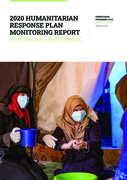
The figures and findings reflected in the 2020 PMR represent the independent analysis of the United Nations (UN) and its humanitarian partners based on information available to them. Many of the figures provided throughout the document are estimates based on sometimes incomplete and partial data set
...
s using the methodologies for collection that were available at the time. The Government of Syria has expressed its reservations over the data sources and methodology of assessments used to inform the 2020 Humanitarian Needs Overview (HNO) as well as on a number of HNO findings reflected in the 2020 HRP. This applies throughout the document.
more
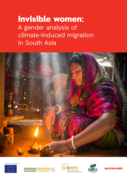
New research exposes how women and children are disproportionally affected by climate migration, which puts them at greater risk of gender-based violence, child labour and exploitation.
Governments must ensure the safety and protection of women and girls in climate emergencies, including the safe
...
and equal access to basic services, food, and healthcare before, during, and after disasters. Women must also be included in decision making in their communities so they can lead on resilience building and address gendered issues of migration and displacement.
more
The purpose of this reference manual to support learning of ETAT + principles and to complement your clinical training and practice. The manual is for use before, during, and after an ETAT + course.
This manual contains the necessary information to help you to:
• Triage all sick children when th
...
ey arrive at a health facility, into the
following categories:
those with emergency signs
those with priority signs
those who are non-urgent cases
• Assess a child’s airway and breathing and give appropriate treatments
• Assess the child’s circulatory status and level of consciousness
• Manage shock, coma, and convulsions in a child
• Assess and manage severe dehydration in a child with diarrhoea
• Plan, implement, and evaluate ETAT in your own working area in your hospital
more
MAMI refers to the management of small and nutritionally at risk infants under six months of age (infants u6m) and their mothers.
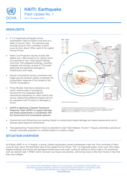
A 7.2-magnitude earthquake struck southwestern Haiti at 8:30am local time at a depth of around 10km. The epicentre was recorded around 12km northeast of SaintLouis-du-Sud, about 125km west of the capital Port-au-Prince.
● In the aftermath of the devastating 7.2-magnitude earthquake that hit Hai
...
ti on 14 August, authorities report more than 2,200 people dead, at least 344 missing, over 12,000 injured and upwards of 130,000 homes damaged or destroyed.
more
The primary audience of this report with the compendium of resources are youth engagement practitioners in the Red Cross Red Crescent National Societies as well as technical experts and policy makers across the humanitarian landscape that thrive for meaningful interventions with and for children, ad
...
olescents, and young adults experiencing the impact of the COVID-19 pandemic.
more
This guidance document is meant to support practitioners working in disaster prone contexts to develop and implement more effective integrated resilience programming. It promotes programming that cuts across different fields of work like rights awareness, food security, emergency preparedness, livel
...
ihoods, education, health etc. whilst at the same time encouraging us to work simultaneously at the individual, household, community and national level. It includes specific recommendations for developing resilience programming for communities prone to floods, cyclone, drought and earthquakes. It also includes recommendations to develop safe school programming to help reduce the impact of disasters on school infrastructure, ensure education continuity and build the resilience of students, teachers and their families.
more
Country Strategic Plan Evaluations (CSPEs) encompass the WFP strategy and entirety of WFP activities during a specific period. Their purpose is twofold: 1) to provide evaluation evidence and learning on WFP's performance for country-level strategic decisions, specifically for developing the next Cou
...
ntry Strategic Plan (CSP) and 2) to provide accountability for results to WFP stakeholders. These evaluations are mandatory for all CSPs and are carried out in line with the WFP Policy on Country Strategic Plans and the WFP Evaluation Policy.
more
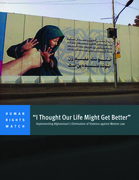
The international reconstruction effort in Afghanistan after 2001 created an opportunity to advance human rights, and women’s and girls’ rights in particular. Although its achievements have fallen short of what was envisioned, significant improvements in legal protections have emerged through th
...
e adoption of new and revised laws, the founding and growth of legal aid organizations, and the training of a cadre of women lawyers, prosecutors, and judges.
more
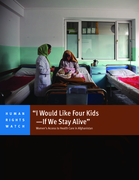
Over the past two decades, Afghanistan has depended on international donor support to fund essential services like health care. But this donor support has been falling for years and will likely to continue do so—perhaps precipitously—following the announcement by United States President Joe Bide
...
n that the US will withdraw all US forces from Afghanistan by September 11, 2021. This decline in funding has already had a harmful—and life-threatening—impact on the lives of many Afghan women and girls, as it affects access to, and quality of, health care.
more
On February 29, 2020, the United States and the Taliban signed an agreement outlining a phased withdrawal of US forces from Afghanistan in exchange for Taliban commitments not to allow attacks on the US or its allies from Afghan territory. The troop withdrawal is expected to take place in parallel w
...
ith negotiations between representatives from the Afghan government and other Afghan political groups and Taliban leaders aimed at achieving a political settlement after decades of armed conflict.
more
UNHCR’s Public Health Strategy 2021-2025 is based on the lessons learnt, and builds on the achievements, of the Global Strategy for Public Health 2014-2018.
Progress was made on policies favouring inclusion and integration into national systems3 with 92% of 48 operations surveyed reporting refuge
...
es having access to national primary health care facilities under the same conditions as nationals and 96% reporting refugees having access to all relevant vaccines under the same conditions as nationals. While many refugee hosting countries have policies that allow refugees to access national health services, many face partial access, prohibitive out-of-pocket expenditures and other barriers including distance to facilities, language and provider acceptance. Furthermore, more work is needed on strengthening these systems to be able to meet the needs of both host communities and refugees.
more
this Service Delivery brief provides evidence-based strategies that can help support drug shops and pharmacies in providing a wider variety of family planning methods and information. Evidence shows that with training and support, pharmacy and drug shop staff can facilitate the use of a broad range
...
of modern contraception, especially in areas where the unmet need is high, access to family planning services is poor, and health worker shortages and other barriers prevent women, men, and youth from accessing family planning services
Availabe in English, French, Spanish and Portuguese
more
Drawing light from the pandemic: A new strategy for health and sustainable development (2021)
Available in English, French, German and Russian
