
Filter
4064
Text search:
environmental
quality
Featured
386
1087
Language
3938
103
89
58
46
30
26
14
8
7
7
6
6
5
5
4
4
3
3
3
3
3
3
3
3
3
3
3
2
2
2
2
2
2
2
2
2
2
2
2
2
2
2
2
1
1
1
1
1
1
1
1
1
1
1
1
1
1
1
1
Document type
2212
800
477
225
196
52
46
22
14
8
7
3
1
Countries / Regions
212
152
133
89
88
87
82
82
80
75
72
68
67
66
64
63
60
60
60
50
41
36
31
31
30
29
28
27
26
25
25
25
23
22
22
20
19
19
18
17
17
15
15
14
14
13
13
13
13
13
12
12
12
11
10
10
10
10
10
9
8
8
7
7
7
6
6
6
5
5
4
4
4
4
4
3
3
3
3
3
3
3
3
3
3
3
3
3
3
3
2
2
2
2
2
2
2
2
2
2
2
2
2
2
2
2
2
1
1
1
1
1
1
1
1
1
1
1
1
1
1
1
1
1
1
1
1
1
1
1
1
1
1
1
1
1
1
1
1
Authors & Publishers
536
155
147
146
123
78
66
59
41
34
27
26
22
22
20
19
18
17
16
16
16
16
14
14
14
14
13
13
13
13
13
13
12
12
12
12
12
12
11
11
11
11
11
11
11
11
10
10
10
10
9
9
9
9
9
9
9
9
9
8
8
8
8
8
8
8
8
8
7
7
7
7
7
7
7
7
7
7
7
7
7
7
6
6
6
6
6
6
6
6
6
6
6
6
6
6
6
6
6
6
6
5
5
5
5
5
5
5
5
5
5
5
5
5
5
5
5
5
5
5
5
5
5
5
4
4
4
4
4
4
4
4
4
4
4
4
4
4
4
4
4
4
4
4
4
4
4
4
4
4
4
4
4
4
4
4
4
4
4
4
3
3
3
3
3
3
3
3
3
3
3
3
3
3
3
3
3
3
3
3
3
3
3
3
3
3
3
3
3
3
3
3
3
3
3
3
3
3
3
3
3
3
3
3
3
3
3
3
3
3
3
3
3
3
3
3
3
3
3
3
3
3
3
3
3
3
3
3
3
3
3
3
3
3
3
3
3
2
2
2
2
2
2
2
2
2
2
2
2
2
2
2
2
2
2
2
2
2
2
2
2
2
2
2
2
2
2
2
2
2
2
2
2
2
2
2
2
2
2
2
2
2
2
2
2
2
2
2
2
2
2
2
2
2
2
2
2
2
2
2
2
2
2
2
2
2
2
2
2
2
2
2
2
2
2
2
2
2
2
2
2
2
2
2
2
2
2
2
2
2
2
2
2
2
2
2
2
2
2
2
2
2
2
2
2
2
2
2
2
2
2
2
2
2
2
2
2
2
2
2
2
2
2
2
2
2
2
2
2
2
2
2
2
2
2
2
2
2
2
2
2
2
2
2
2
2
2
2
2
2
2
2
2
2
2
2
2
2
2
2
2
2
2
2
2
2
2
2
2
2
2
2
2
2
2
2
2
2
2
2
2
2
2
2
2
2
2
2
2
2
2
2
2
2
2
2
2
2
2
2
2
2
2
2
2
2
2
2
2
2
2
2
2
2
2
2
2
2
2
2
2
2
2
2
2
2
2
2
2
2
2
2
2
2
2
1
1
1
1
1
1
1
1
1
1
1
1
1
1
1
1
1
1
1
1
1
1
1
1
1
1
1
1
1
1
1
1
1
1
1
1
1
1
1
1
1
1
1
1
1
1
1
1
1
1
1
1
1
1
1
1
1
1
1
1
1
1
1
1
1
1
1
1
1
1
1
1
1
1
1
1
1
1
1
1
1
1
1
1
1
1
1
1
1
1
1
1
1
1
1
1
1
1
1
1
1
1
1
1
1
1
1
1
1
1
1
1
1
1
1
1
1
1
1
1
1
1
1
1
1
1
1
1
1
1
1
1
1
1
1
1
1
1
1
1
1
1
1
1
1
1
1
1
1
1
1
1
1
1
1
1
1
1
1
1
1
1
1
1
1
1
1
1
1
1
1
1
1
1
1
1
1
1
1
1
1
1
1
1
1
1
1
1
1
1
1
1
1
1
1
1
1
1
1
1
1
1
1
1
1
1
1
1
1
1
1
1
1
1
1
1
1
1
1
1
1
1
1
1
1
1
1
1
1
1
1
1
1
1
1
1
1
1
1
1
1
1
1
1
1
1
1
1
1
1
1
1
1
1
1
1
1
1
1
1
1
1
1
1
1
1
1
1
1
1
1
1
1
1
1
1
1
1
1
1
1
1
1
1
1
1
1
1
1
1
1
1
1
1
1
1
1
1
1
1
1
1
1
1
1
1
1
1
1
1
1
1
1
1
1
1
1
1
1
1
1
1
1
1
1
1
1
1
1
1
1
1
1
1
1
1
1
1
1
1
1
1
1
1
1
1
1
1
1
1
1
1
1
1
1
1
1
1
1
1
1
1
1
1
1
1
1
1
1
1
1
1
1
1
1
1
1
1
1
1
1
1
1
1
1
1
1
1
1
1
1
1
1
1
1
1
1
1
1
1
1
1
1
1
1
1
1
1
1
1
1
1
1
1
1
1
1
1
1
1
1
1
1
1
1
1
1
1
1
1
1
1
1
1
1
1
1
1
1
1
1
1
1
1
1
1
1
1
1
1
1
1
1
1
1
1
1
1
1
1
1
1
1
1
1
1
1
1
1
1
1
1
1
1
1
1
1
1
1
1
1
1
1
1
1
1
1
1
1
1
1
1
1
1
1
1
1
1
1
1
1
1
1
1
1
1
1
1
1
1
1
1
1
1
1
1
1
1
1
1
1
1
1
1
1
1
1
1
1
1
1
1
1
1
1
1
1
1
1
1
1
1
1
1
1
1
1
1
1
1
1
1
1
1
1
1
1
1
1
1
1
1
1
1
1
1
1
1
1
1
1
1
1
1
1
1
1
1
1
1
1
1
1
1
1
1
1
1
1
1
1
1
1
1
1
1
1
1
1
1
1
1
1
1
1
1
1
1
1
1
1
1
1
1
1
1
1
1
1
1
1
1
1
1
1
1
1
1
1
1
1
1
1
1
1
1
1
1
1
1
1
1
1
1
1
1
1
1
1
1
1
1
1
1
1
1
1
1
1
1
1
1
1
1
1
1
1
1
1
1
1
1
1
1
1
1
1
1
1
1
1
1
1
1
1
1
1
1
1
1
1
1
1
1
1
1
1
1
1
1
1
1
1
1
1
1
1
1
1
1
1
1
1
1
1
1
1
1
1
1
1
1
1
1
1
1
1
1
1
1
1
1
1
1
1
1
1
1
1
1
1
1
1
1
1
1
1
1
1
1
1
1
1
1
1
1
1
1
1
1
1
1
1
1
1
1
1
1
1
1
1
1
1
1
1
1
1
1
1
1
1
1
1
1
1
1
1
1
1
1
1
1
1
1
1
1
1
1
1
1
1
1
1
1
1
1
1
1
1
1
1
1
1
1
1
1
1
1
1
1
1
1
1
1
1
1
1
1
1
1
1
1
1
1
1
1
1
1
1
1
1
1
1
1
1
1
1
1
1
1
1
1
1
1
1
1
1
1
1
1
1
1
1
1
1
1
1
1
1
1
1
1
1
1
1
1
1
1
1
1
1
1
1
1
1
1
1
1
1
1
1
1
1
1
1
1
1
1
1
1
1
1
1
1
1
1
1
1
1
1
1
1
1
1
1
1
1
1
1
1
1
1
1
1
1
1
1
1
1
1
1
1
1
1
1
1
1
1
1
1
1
1
1
1
1
1
1
1
1
1
1
1
1
1
1
1
1
1
1
1
1
1
1
1
1
1
1
1
1
1
1
1
1
1
1
1
1
1
1
1
1
1
1
1
1
1
1
1
1
1
1
1
1
1
1
1
1
1
1
1
1
1
1
1
1
1
1
1
1
1
1
1
1
1
1
1
1
1
1
1
1
1
1
1
1
1
1
1
1
1
1
1
1
1
1
1
1
1
1
1
1
1
1
1
1
1
1
1
1
1
1
1
1
1
1
1
1
1
1
1
1
1
1
1
1
1
1
1
1
1
1
1
1
1
1
1
1
1
1
1
1
1
1
1
1
1
1
1
1
1
1
1
1
1
1
1
1
1
1
1
1
1
1
1
1
1
1
1
1
1
1
1
1
1
1
1
1
1
1
1
1
1
1
1
1
1
1
1
1
1
1
1
1
1
1
1
1
1
1
1
1
1
1
1
1
1
1
1
1
1
1
1
1
1
1
1
1
1
1
1
1
1
1
1
1
1
1
1
1
1
1
1
1
1
1
1
1
1
1
1
1
1
1
1
1
1
1
1
1
1
1
1
1
1
1
1
1
1
1
1
1
1
1
1
1
1
1
1
1
1
1
1
1
1
1
1
1
1
1
1
1
1
1
1
1
1
1
1
1
1
1
1
1
1
1
1
1
1
1
1
1
1
1
1
1
1
1
1
1
1
1
1
1
1
1
1
1
1
1
1
1
1
1
1
1
1
1
1
1
1
1
1
1
1
1
1
1
1
1
1
1
1
1
1
1
1
1
1
1
1
1
1
1
1
1
1
1
1
1
1
1
1
1
1
1
1
1
1
1
1
1
1
1
1
1
1
1
1
1
1
1
1
1
1
1
1
1
1
1
1
1
1
1
1
1
1
1
1
1
1
1
1
1
1
1
1
1
1
1
1
1
1
1
1
1
1
1
1
1
1
1
1
1
1
1
1
1
1
1
1
1
1
1
1
1
1
1
1
1
1
1
1
1
1
1
1
1
1
1
1
1
1
1
1
1
1
1
1
1
1
1
1
1
1
1
1
1
1
1
1
1
1
1
1
1
1
1
1
1
1
1
1
1
1
1
1
1
1
1
1
1
1
1
1
1
1
1
1
1
1
1
1
1
1
1
1
1
1
1
1
1
1
1
1
1
1
1
1
1
1
1
1
1
1
1
1
1
1
1
1
1
1
1
1
1
1
1
1
1
1
1
1
1
1
1
1
1
1
1
1
1
1
1
1
1
1
1
1
1
1
1
1
1
1
1
1
1
1
1
1
1
1
1
1
1
1
1
1
1
1
1
1
1
1
1
1
1
1
1
1
1
1
1
1
1
1
1
1
1
1
1
1
1
1
1
1
1
1
1
1
1
1
1
1
1
1
1
1
1
1
1
1
1
1
1
1
1
1
1
1
1
1
1
1
1
1
1
1
1
1
1
1
1
1
1
1
1
1
1
1
1
1
1
1
1
1
1
1
1
1
1
1
1
1
1
1
1
1
1
1
1
1
1
1
1
1
1
1
1
1
1
1
1
1
1
1
1
1
1
1
1
1
1
1
1
1
1
1
1
1
1
1
1
1
1
1
1
1
1
1
1
1
1
1
1
1
1
1
1
1
1
1
1
1
1
1
1
1
1
1
1
1
1
1
1
1
1
1
1
1
1
1
1
1
1
1
1
1
1
1
1
1
1
1
1
1
1
1
1
1
1
1
1
1
1
1
1
1
1
1
1
1
1
1
1
1
1
1
1
1
1
1
1
1
1
1
1
1
1
1
1
1
1
1
1
1
1
1
1
1
1
1
1
1
1
1
1
1
1
1
1
1
1
1
1
1
1
1
1
1
1
1
1
1
1
1
1
1
1
1
1
1
1
1
1
1
1
1
1
1
1
1
1
1
1
1
1
1
1
1
1
1
1
1
1
1
1
1
1
1
1
1
1
1
1
1
1
1
1
1
1
1
1
1
1
1
1
1
1
1
1
1
1
1
1
1
1
1
1
1
1
1
1
1
1
1
1
1
1
1
1
1
1
1
1
1
1
1
1
1
1
1
1
1
1
1
1
1
1
1
1
1
1
1
1
1
1
1
1
1
1
1
1
1
1
1
1
1
1
1
1
1
1
1
1
1
1
1
1
1
1
1
1
1
1
1
1
1
1
1
1
1
1
1
1
1
1
1
1
1
1
1
1
1
1
1
1
1
1
1
1
1
1
1
1
1
1
1
1
1
1
1
1
1
1
1
1
1
1
1
1
1
1
1
1
1
1
1
1
1
1
1
1
1
1
1
1
1
1
1
1
1
1
1
1
1
1
1
1
1
1
1
1
1
1
1
1
1
1
1
1
1
1
1
1
1
1
1
1
1
1
1
1
1
1
1
1
1
1
1
1
1
1
1
1
1
1
1
1
1
1
1
1
1
1
1
1
1
1
1
1
1
1
1
1
1
1
1
1
1
1
1
1
1
1
1
1
1
1
1
1
1
1
1
1
1
1
1
1
1
1
1
1
1
1
1
1
1
1
1
1
1
1
1
1
1
1
1
1
1
1
1
1
1
1
1
1
1
1
1
1
1
1
1
1
1
1
1
1
1
1
1
1
1
1
1
1
1
1
1
1
1
1
1
1
1
1
1
1
1
1
1
1
1
1
1
1
1
1
1
1
1
1
1
1
1
1
1
1
1
1
1
1
1
1
1
1
1
1
1
1
1
1
1
1
1
1
1
1
1
1
1
1
1
1
1
1
1
1
1
1
1
1
1
1
1
1
1
1
1
1
1
1
1
1
1
1
1
1
1
1
1
1
1
1
1
1
1
1
1
1
1
1
1
1
1
1
1
1
1
1
1
1
1
1
1
1
1
1
1
1
1
1
1
1
1
1
1
1
1
1
1
1
1
1
1
1
1
1
1
1
1
1
1
1
1
1
1
1
1
1
1
1
1
1
1
1
1
1
1
1
1
1
1
1
1
1
1
1
1
1
1
1
1
1
1
1
1
1
1
1
1
1
1
1
1
1
1
1
1
1
1
1
1
1
1
1
1
1
1
1
1
1
1
1
1
1
1
1
1
1
1
1
1
1
1
1
1
1
1
1
1
1
1
1
1
1
1
1
1
1
1
1
1
1
1
1
1
1
1
1
1
1
1
1
1
1
1
1
1
1
1
1
1
1
1
1
1
1
1
1
1
1
1
1
1
1
1
1
1
1
1
1
1
1
1
1
1
1
1
1
1
1
1
1
1
1
1
1
1
1
1
1
1
1
1
1
1
1
1
1
1
1
1
1
1
1
1
1
1
1
1
1
1
1
1
1
1
1
1
1
1
1
1
1
1
1
1
1
1
1
1
1
1
1
1
1
1
1
1
1
1
1
1
1
1
1
1
1
1
1
1
1
1
1
1
1
1
1
1
1
1
1
1
1
1
1
1
1
1
1
1
1
1
1
1
1
1
1
1
1
1
1
1
1
1
1
1
1
1
1
1
1
1
1
1
1
1
1
1
1
1
1
1
1
1
1
1
1
1
1
1
1
1
1
1
1
1
1
1
1
1
1
1
1
1
1
1
1
1
1
1
1
1
1
1
1
1
1
1
1
1
1
1
1
1
1
1
1
1
1
1
1
1
1
1
1
1
1
1
1
1
1
1
1
1
1
1
1
1
1
1
1
1
1
1
1
1
1
1
1
1
1
1
1
1
1
1
1
1
1
1
1
1
1
1
1
1
1
1
1
1
1
1
1
1
1
1
1
1
1
1
1
1
1
1
1
1
1
1
1
1
1
1
1
1
1
1
1
1
1
1
1
1
1
1
1
1
1
1
1
1
1
1
1
1
1
1
1
1
1
1
1
1
1
1
1
1
1
1
1
1
1
1
1
1
1
1
1
1
1
1
1
1
1
1
1
1
1
1
1
1
1
1
1
1
1
1
1
1
1
1
1
1
1
1
1
1
1
1
1
1
1
1
1
1
1
1
1
1
1
1
1
1
1
1
1
1
1
1
1
1
1
1
1
1
1
1
1
1
1
1
1
1
1
1
1
1
1
1
1
1
1
1
1
1
1
1
1
1
1
1
1
1
1
1
1
1
1
1
1
1
1
1
1
1
1
1
1
1
1
1
1
1
1
1
1
1
1
1
1
1
1
1
1
1
1
1
1
1
1
1
1
1
1
1
1
1
1
1
1
1
1
1
1
1
1
1
1
1
1
1
1
1
1
1
1
1
1
1
1
1
1
1
1
1
1
1
1
1
1
1
1
1
1
1
1
1
1
1
1
1
1
1
1
1
1
1
1
1
1
1
1
1
1
1
1
1
1
1
1
1
1
1
1
1
1
1
1
1
1
1
1
1
1
1
1
1
1
1
1
1
1
1
1
1
1
1
1
1
1
1
1
1
1
1
1
1
1
1
1
1
1
1
1
1
1
1
1
1
1
1
1
1
1
1
1
1
1
1
1
1
1
1
1
1
1
1
1
1
1
1
1
1
1
1
1
1
Publication Years
1113
2537
386
24
3
1
Category
1509
305
281
210
147
62
51
5
1
1
Toolboxes
350
274
246
246
169
142
138
131
124
115
104
102
100
94
81
74
50
43
35
31
27
25
20
4
2
The Second Economic Development and Poverty Reduction Strategy (EDPRS 2) is a launch into the home strait of our Vision 2020. We are faced with new challenges of ensuring greater self reliance and developing global competitiveness. Conscious of these challenges, we forge ahead knowing that working t
...
ogether, we always overcome.
The EDPRS 2 period is the time when our private sector is expected to take the driving seat in economic growth and poverty reduction. Through this strategy we will focus government efforts on transforming the economy, the private sector and alleviating constraints to growth of
investment. We will develop the appropriate skills and competencies to allow our people particularly the youth to become more productive and competitive to support our ambitions. We will also strengthen the platform for communities to engage decisively and to continue to develop home grown solutions that have been the bedrock of our success. These are fundamental principles as we work to improve the lives of all Rwandans in the face of an uncertain global economic environment.
more
This booklet provides policymakers, planners, and other interested parties with insight into the current state of the Rwandan health sector. These statistics provide a basis for policies, strategies, and planned interventions to ensure they are responsive to the needs of the health sector and, cruci
...
ally, are focused on addressing current priorities that aim to improve the health of the Rwandan population.
more

In recent years, Rwanda has been on the fast track to achieve major health improvements for its entire population. With the support of government agencies and various non-governmental partners, the Ministry of Health (MoH) has endeavored to decentralize Rwanda’s health system and bring health serv
...
ices closer to the people. Guided by multitude of national and international development frameworks, Rwanda’s healthcare successes include the establishment of a community health insurance scheme (mutuelle de santé), a system of cooperative-financed community health workers in every village, and interventions for researching, preventing, and treating diseases like HIV/AIDS, TB, and malaria.
As the MoH continues to design innovative means to reach and surpass its prescribed health outcome targets, it will hold as core principles the integration of service provision, the increase in healthcare capacity, and the attainment of sustainable funding sources. Rwanda is committed to achieving the Millennium Development Goals by 2015 and has declared Family Planning (FP) a national priority for poverty reduction and socioeconomic development of the country. Modern contraceptive use has more than quadrupled from 2005 to 2010, rising from 10% to 45%, but the government’s Economic Development and Poverty Reduction Strategy calls for an increase the modern contraceptive prevalence to 70% by 2016. While structural changes in health care and supply chains have led to noteworthy improvements in FP and other services, there are still many challenges that must be overcome. As such, a strategic plan is needed to coordinate FP efforts around a well-defined set of objectives and responsibilities.
more
This document, Ghana’s National Newborn Health Strategy and Action Plan 2014–2018 outlines a targeted strategy for accelerating the reduction of newborn deaths in Ghana. Furthermore it provides a costed action plan with clearly marked timelines for implementation to facilitate resource mobilisat
...
ion, monitoring and evaluation, and scaling up of proposed newborn interventions. It is expected that all stakeholders working towards improving the health of children in Ghana will buy into this plan and collaborate towards attainment of the goals and objectives outlined here.
more
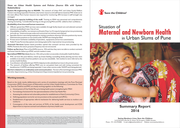
Save the Children in collaboration with the Pune Municipal Corporation (PMC) and the state National Health Mission (NHM) undertook this study in the urban slums of Pune City to generate learnings for designing a city-specific public health approach to improve MNH services for the urban poor.

The Early Childhood Development Policy and its Strategic Plan seek to provide a framework to ensure such a holistic and integrated approach to the development of young children. International research has demonstrated the high economic returns on ECD investment and its positive impact on health and
...
education outcomes as well as the overall economic development of a nation. The implementation of the ECD Policy will thus provide Rwanda with the basis for achieving the objectives and goals of the EDPRS and Vision 2020.
more

This document describes the key areas that national governments should consider for the introduction and scale-up of point-of-care (POC) diagnostics within national programmes, as new innovative POC technologies are being introduced into the market. The next steps taken to include these new innovati
...
ons within the broader context of national diagnostic networks of conventional laboratories could influence the achievement of the 2030 Fast Track targets for ending the AIDS epidemic.
POC diagnostics, when strategically introduced and integrated into national diagnostic networks, may help catalyse changes that improve the way diagnostics and clinical services are delivered. This document distils this understanding based on programmatic and market experiences of introducing POC diagnostics through catalytic investments in POC HIV technologies across numerous countries in sub-Saharan Africa. more
POC diagnostics, when strategically introduced and integrated into national diagnostic networks, may help catalyse changes that improve the way diagnostics and clinical services are delivered. This document distils this understanding based on programmatic and market experiences of introducing POC diagnostics through catalytic investments in POC HIV technologies across numerous countries in sub-Saharan Africa. more

A case study of the Essential Health Benefit in Tanzania mainland
Todd G.; Nswilla A.; Kisanga O.; Mamdani M.
Regional Network for Equity in Health in east and southern Africa (EQUINET)
(2017)
C1
Regional Network for Equity in Health in east and southern Africa (EQUINET): Disussion Paper 109
This report describes the evolution of mainland Tanzania’s EHB; the motivations for developing the EHBs, the methods used to develop, define and cost them; how it is being disseminated, communicat ... ed, and used; and the facilitators (and barriers) to its development, uptake or use. Findings presented in this report are from three stages of analysis: literature review, key informant perspectives and a national consultative meeting. more
This report describes the evolution of mainland Tanzania’s EHB; the motivations for developing the EHBs, the methods used to develop, define and cost them; how it is being disseminated, communicat ... ed, and used; and the facilitators (and barriers) to its development, uptake or use. Findings presented in this report are from three stages of analysis: literature review, key informant perspectives and a national consultative meeting. more
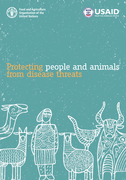
The Global Health Security Agenda programme develops national capacity to prevent zoonotic and non-zoonotic diseases while quickly and effectively detecting and controlling diseases when they do emerge. The Emerging Pandemic Threats programme improves national capacity to pre-empt the emergence and
...
re-emergence of infectious zoonotic disease and to prevent the next pandemic.
Action against emerging pandemic threats is taken through projects on: Avian influenza, Middle East respiratory syndrome, Africa Sustainable Livestock 2050 and Emergency equipment stockpile. With high-impact diseases that jump from animals to humans on the rise, these programmes are reducing the risk to lives and livelihoods from national, regional and global disease spread. more
Action against emerging pandemic threats is taken through projects on: Avian influenza, Middle East respiratory syndrome, Africa Sustainable Livestock 2050 and Emergency equipment stockpile. With high-impact diseases that jump from animals to humans on the rise, these programmes are reducing the risk to lives and livelihoods from national, regional and global disease spread. more

Globally, in low-income countries, the average newborn mortality rate is 27 deaths per 1,000 births, the report says. In high-income countries, that rate is 3 deaths per 1,000. Newborns from the riskiest places to give birth are up to 50 times more likely to die than those from the safest places.
... The report also notes that 8 of the 10 most dangerous places to be born are in sub-Saharan Africa, where pregnant women are much less likely to receive assistance during delivery due to poverty, conflict and weak institutions. If every country brought its newborn mortality rate down to the high-income average by 2030, 16 million lives could be saved.
More than 80 per cent of newborn deaths are due to prematurity, complications during birth or infections such as pneumonia and sepsis, the report says. These deaths can be prevented with access to well-trained midwives, along with proven solutions like clean water, disinfectants, breastfeeding within the first hour, skin-to-skin contact and good nutrition. more
... The report also notes that 8 of the 10 most dangerous places to be born are in sub-Saharan Africa, where pregnant women are much less likely to receive assistance during delivery due to poverty, conflict and weak institutions. If every country brought its newborn mortality rate down to the high-income average by 2030, 16 million lives could be saved.
More than 80 per cent of newborn deaths are due to prematurity, complications during birth or infections such as pneumonia and sepsis, the report says. These deaths can be prevented with access to well-trained midwives, along with proven solutions like clean water, disinfectants, breastfeeding within the first hour, skin-to-skin contact and good nutrition. more

The Monitoring Report, which covers the first two months of the response from 25 August to 31 October, highlights the work of the Government of Bangladesh, in cooperation with humanitarian partners who are working to provide relief services for the refugee population and Bangladeshi host communities
...
. Of the 1.2 million people in need, around half have been reached with assistance. The Report also explains the challenges and gaps that remain. The risk of disease outbreak is high, and the impact of a cyclone or heavy rain would be massive. There is not enough land to provide adequate living conditions for the more than 830,000 refugees that now crowd Cox’s Bazar.
more

The WHO Framework Convention on Tobacco Control (WHO FCTC) is an evidence-based treaty that reaffirms the right of all people to the highest standard of health and was developed in response to the globalization of the tobacco epidemic. Member States of the WHO South-East Asia Region have made
...
attempts to implement the demand and supply reduction strategies for tobacco control as recommended by the treaty. While recognizing the need to accelerate implementation of the WHO FCTC in the Region, this document has been developed to support the Member States in implementing the treaty using a ‘PRACTICAL’ Approach which pertains to identified demand and supply reduction strategies under the treaty.
more
The report aims to help policy-makers and programme managers identify the areas that need attention and to work towards effective implementation and enforcement of policies and legislations. The need for alcohol policy-specific infrastructures to support the alcohol policy process, including designa
...
ted responsible agency, policy and strategy, and law and regulation, is also required at the country level.
The report is presented in three sections. Section 1 gives an insight to the alcohol consumption situation in the WHO South-East Asia Region and cites the alcohol-related problems that the Region is facing. Section 2 illustrates the policy situation in the 10 areas of national action identified in the Global Strategy to Reduce the Harmful Use of Alcohol and gives specific recommendations pertaining to these areas. Section 3 provides overall recommendations. more
The report is presented in three sections. Section 1 gives an insight to the alcohol consumption situation in the WHO South-East Asia Region and cites the alcohol-related problems that the Region is facing. Section 2 illustrates the policy situation in the 10 areas of national action identified in the Global Strategy to Reduce the Harmful Use of Alcohol and gives specific recommendations pertaining to these areas. Section 3 provides overall recommendations. more
Polymerase Chain Reaction (PCR) has significantly helped in early diagnosis and commencement of specific interventions for diseases control. It also plays a critical role in understanding the disease epidemiology and unraveling the transmission dynamics of the disease. This manual intends to p
...
rovide primary guidelines to assist health lab personnel in developing countries to establish a PCR diagnostic facility for efficient support to patient care as well as public health actions.
more


The WHO South-East Asia (SEA) Region bears a high burden of tuberculosis (TB) and MDR-TB. In 2015, the Region accounted for nearly 200 000 or 35% of the global estimated new RR/MDR-TB cases eligible for treatment. Extensively drug-resistant TB (XDRTB) has also been reported from s
...
ix countries of the SEA Region. MDR-TB could potentially replace drug-susceptible TB, and constitutes a threat to global public health security. The South- East Asia Regional Response Framework for DR-TB 2017–2021 complements the Ending TB in the South-East Asia Region: Regional Strategic Plan 2016–2020” and outlines key strategies for reducing morbidity, mortality and transmission of DR-TB.
more

At the threshold of Sustainable Development Goals (SDG) era, this document captures the remarkable achievements by Member States towards achieving MDGs 4 and 5. It acknowledges new opportunities in the post-2015 phase shaped by the SDGs and the Global Strategy for women’s, children’s and adoles
...
cents’ health and presents an advanced state of preparedness in the Region. This also highlights the region’s renewed commitment for a more inclusive and more dynamic flagship action for ending preventable maternal, newborn and child mortality as well as to improve women’s, children’s and adolescents’ health and wellbeing in the South-East Asia Region.
more

Long-lasting insecticidal nets (LNs) constitute a core vector control intervention against malaria. A number of new LN products are under development and will require assessment of risks to humans. This document provides an updated generic model that can be used for the risk assessment of exposure t
...
o insecticides of individuals sleeping under LNs and during the washing of nets.
In an Annex, exposures and health risks are described for the conventional treatment or retreatment of nets (ITNs) with an insecticide considering that such practices may still be used in evaluation of ITNs and their use. The generic model does not include the risks associated with the manufacturing of LNs in a factory environment. more
In an Annex, exposures and health risks are described for the conventional treatment or retreatment of nets (ITNs) with an insecticide considering that such practices may still be used in evaluation of ITNs and their use. The generic model does not include the risks associated with the manufacturing of LNs in a factory environment. more
