
Filter
1936
Text search:
Languages
Featured
234
498
Language
1859
146
135
130
103
75
73
64
46
41
32
32
29
26
26
26
23
23
21
21
20
19
18
18
17
16
16
14
14
14
13
13
13
11
11
11
11
11
11
10
10
10
10
10
9
9
9
8
8
8
7
7
7
6
6
6
6
6
6
5
5
5
5
5
4
4
4
4
4
4
4
4
3
3
3
3
2
2
2
2
2
2
2
2
2
2
1
1
1
1
1
1
1
1
1
1
1
1
1
1
1
1
1
Document type
1052
278
211
129
61
50
34
29
20
20
16
16
12
6
Countries
105
76
53
51
49
48
45
43
40
40
36
33
32
32
29
29
27
25
24
24
23
23
22
21
20
20
18
17
17
16
16
15
15
14
14
14
13
13
13
12
11
11
10
10
8
8
8
8
7
7
7
6
6
6
5
5
5
5
5
5
5
5
4
4
4
4
4
4
4
4
4
4
4
3
3
3
3
3
3
3
2
2
2
2
2
2
2
2
2
2
2
2
2
2
2
2
2
2
2
2
2
2
1
1
1
1
1
1
1
1
1
1
1
1
1
1
1
1
1
1
1
1
1
1
1
1
1
1
1
Authors & Publishers
227
96
79
79
77
44
30
27
27
24
18
18
17
16
15
15
14
13
12
12
9
9
8
8
8
8
8
7
7
7
7
7
7
7
6
6
6
6
6
6
6
6
6
5
5
5
5
5
5
5
5
5
5
5
5
5
5
5
4
4
4
4
4
4
4
4
4
4
4
4
4
4
4
4
4
4
3
3
3
3
3
3
3
3
3
3
3
3
3
3
3
3
3
3
3
3
3
3
3
3
3
3
3
3
3
3
3
3
3
3
3
3
3
3
3
3
3
3
3
3
3
3
2
2
2
2
2
2
2
2
2
2
2
2
2
2
2
2
2
2
2
2
2
2
2
2
2
2
2
2
2
2
2
2
2
2
2
2
2
2
2
2
2
2
2
2
2
2
2
2
2
2
2
2
2
2
2
2
2
2
2
2
2
2
2
2
2
2
2
2
2
2
2
2
2
2
2
2
2
2
2
2
2
2
2
2
2
2
2
2
2
2
2
2
2
2
2
2
2
2
2
2
2
2
2
2
2
2
2
2
2
2
2
2
2
2
2
2
2
2
2
2
2
2
2
2
2
2
2
2
2
2
2
2
2
2
2
2
2
2
1
1
1
1
1
1
1
1
1
1
1
1
1
1
1
1
1
1
1
1
1
1
1
1
1
1
1
1
1
1
1
1
1
1
1
1
1
1
1
1
1
1
1
1
1
1
1
1
1
1
1
1
1
1
1
1
1
1
1
1
1
1
1
1
1
1
1
1
1
1
1
1
1
1
1
1
1
1
1
1
1
1
1
1
1
1
1
1
1
1
1
1
1
1
1
1
1
1
1
1
1
1
1
1
1
1
1
1
1
1
1
1
1
1
1
1
1
1
1
1
1
1
1
1
1
1
1
1
1
1
1
1
1
1
1
1
1
1
1
1
1
1
1
1
1
1
1
1
1
1
1
1
1
1
1
1
1
1
1
1
1
1
1
1
1
1
1
1
1
1
1
1
1
1
1
1
1
1
1
1
1
1
1
1
1
1
1
1
1
1
1
1
1
1
1
1
1
1
1
1
1
1
1
1
1
1
1
1
1
1
1
1
1
1
1
1
1
1
1
1
1
1
1
1
1
1
1
1
1
1
1
1
1
1
1
1
1
1
1
1
1
1
1
1
1
1
1
1
1
1
1
1
1
1
1
1
1
1
1
1
1
1
1
1
1
1
1
1
1
1
1
1
1
1
1
1
1
1
1
1
1
1
1
1
1
1
1
1
1
1
1
1
1
1
1
1
1
1
1
1
1
1
1
1
1
1
1
1
1
1
1
1
1
1
1
1
1
1
1
1
1
1
1
1
1
1
1
1
1
1
1
1
1
1
1
1
1
1
1
1
1
1
1
1
1
1
1
1
1
1
1
1
1
1
1
1
1
1
1
1
1
1
1
1
1
1
1
1
1
1
1
1
1
1
1
1
1
1
1
1
1
1
1
1
1
1
1
1
1
1
1
1
1
1
1
1
1
1
1
1
1
1
1
1
1
1
1
1
1
1
1
1
1
1
1
1
1
1
1
1
1
1
1
1
1
1
1
1
1
1
1
1
1
1
1
1
1
1
1
1
1
1
1
1
1
1
1
1
1
1
1
1
1
1
1
1
1
1
1
1
1
1
1
1
1
1
1
1
1
1
1
1
1
1
1
1
1
1
1
1
1
1
1
1
1
1
1
1
1
1
1
1
1
1
1
1
1
1
1
1
1
1
1
1
1
1
1
1
1
1
1
1
1
1
1
1
1
1
1
1
1
1
1
1
1
1
1
1
1
1
1
1
1
1
1
1
1
1
1
1
1
1
1
1
1
1
1
1
1
1
1
1
1
1
1
1
1
1
1
1
1
1
1
1
1
1
1
1
1
1
1
1
1
1
1
1
1
1
1
1
1
1
1
1
1
1
1
1
1
1
1
1
1
1
1
1
1
1
1
1
1
1
1
1
1
1
1
1
1
1
1
1
1
1
1
1
1
1
1
1
1
1
1
1
1
1
1
1
1
1
1
1
1
1
1
1
1
1
1
1
1
1
1
1
1
1
1
1
1
1
1
1
1
1
1
1
1
1
1
1
1
1
1
1
1
1
1
1
1
1
1
1
1
1
1
1
1
1
1
1
1
1
1
1
1
1
1
1
1
1
1
1
1
1
1
1
1
1
1
1
1
1
1
1
1
1
1
1
1
1
1
1
1
1
1
1
1
1
1
1
1
1
1
1
1
1
1
1
1
1
1
1
1
1
1
1
1
1
1
1
1
1
1
1
1
1
1
1
1
1
1
1
1
1
1
1
1
1
1
1
1
1
1
1
1
1
1
1
1
1
1
1
1
1
1
1
1
1
1
1
1
1
1
1
1
1
1
1
1
1
1
1
1
1
1
1
1
1
1
1
1
1
1
1
1
1
1
1
1
1
1
1
1
1
1
1
1
1
1
1
1
1
1
1
1
1
1
1
1
1
1
1
1
1
1
1
1
1
1
1
1
1
1
1
1
1
1
1
1
1
1
1
1
1
1
1
1
1
1
1
1
1
1
1
1
1
1
1
1
1
1
1
1
1
1
1
1
1
1
1
1
1
1
1
1
1
1
1
1
1
1
1
1
1
1
1
1
1
1
1
1
1
1
1
1
1
1
1
1
1
1
1
1
1
1
1
1
1
1
1
1
1
1
1
1
1
1
1
1
1
1
1
1
1
1
1
1
1
1
1
1
1
1
1
1
1
1
1
1
1
1
1
1
1
1
1
1
1
1
1
1
1
1
1
1
1
1
1
1
1
1
1
1
1
1
1
1
1
1
1
1
1
1
1
1
1
1
1
1
1
1
1
1
1
1
1
1
1
1
1
1
1
1
1
1
1
1
1
1
1
1
1
1
1
1
1
1
1
1
1
1
1
1
1
1
1
1
1
1
1
1
1
1
1
1
1
1
1
1
1
1
1
1
1
1
1
1
1
1
1
1
1
1
1
1
1
1
1
1
1
1
1
1
1
1
1
1
1
1
1
1
1
1
1
1
1
1
1
1
1
1
1
1
1
1
1
1
1
1
1
1
1
1
1
1
1
1
1
1
1
1
1
1
1
1
1
1
1
1
1
1
1
1
1
1
1
1
1
1
1
1
1
1
1
1
1
1
1
1
1
1
1
1
1
1
1
1
1
1
1
1
1
1
1
1
1
1
1
1
1
1
1
1
1
1
1
1
1
1
1
1
1
1
1
1
1
1
1
1
1
1
1
1
1
1
1
1
1
1
1
1
1
1
1
1
1
1
1
1
1
1
1
1
1
1
1
1
1
1
1
1
1
1
1
1
1
1
1
1
1
1
1
1
1
1
1
1
1
1
1
1
1
1
1
1
1
1
1
1
1
1
1
1
1
1
1
1
1
1
1
1
1
1
1
1
1
1
1
1
1
1
1
1
1
1
1
1
1
1
1
1
1
1
1
1
1
1
1
1
1
1
1
1
1
1
1
1
1
1
1
1
1
1
1
1
1
1
1
1
1
1
1
1
1
1
1
1
1
1
1
1
1
1
1
1
1
1
1
1
1
1
1
1
1
1
1
1
1
1
1
1
1
1
1
1
1
1
1
1
1
1
1
1
1
1
1
1
1
1
1
1
1
1
1
1
1
1
1
1
1
1
1
1
1
1
1
1
1
1
1
1
1
1
1
1
1
1
1
1
1
1
1
1
1
1
1
1
1
1
1
1
1
1
1
1
1
1
1
1
1
1
1
1
1
1
1
1
1
1
1
1
1
1
1
1
1
1
1
1
1
1
1
1
1
1
1
1
1
1
1
1
1
1
1
1
1
1
1
1
1
1
1
1
1
1
1
1
1
1
1
1
1
1
1
1
1
1
1
1
1
1
1
1
1
1
1
1
1
1
1
1
1
1
1
1
1
1
1
1
1
1
1
1
1
1
1
1
1
1
1
1
1
1
1
1
1
1
1
1
1
1
1
1
1
1
1
1
1
1
1
1
1
1
Publication Years
650
1103
177
4
1
1
Category
662
113
102
87
80
66
9
4
3
1
Toolboxes
281
161
149
147
88
65
65
46
46
45
40
37
27
27
26
20
16
13
13
12
10
6
6
Unpreparedness of health professionals to address non-communicable diseases (NCD) at peripheral health facilities is a critical health system challenge in Mozambique. To address this weakness and decentralize NCD care, training of the primary care workforce is needed. We describe our experience in t
...
he design and implementation of a cascade training of trainers (ToT) intervention to strengthen the prevention and control of cardiovascular disease.
more
In 2012, all Member States of the World Health Organization (WHO) endorsed a historical target to reduce premature mortality from noncommunicable diseases
(NCD). This commitment was echoed in 2015 by the United Nations Sustainable Development Goals, which included a target to reduce premature morta
...
lity (the
measure of unfulfilled life expectancy and deaths between the ages of 30 and 70 years) from NCD by 30% by the year 2030. The Sustainable Development Goals are especially relevant to cardiovascular disease (CVD), the leading cause of death globally, with increasing prevalence in low- and middle-income countries (LMIC).
more
The World Heart Federation (WHF) commenced a Roadmap initiative in 2015 to reduce the global burden of cardiovascular disease and resultant burgeoning of healthcare costs. Roadmaps provide a blueprint for implementation of priority solutions for the principal cardiovascular diseases leading to death
...
and disability. Atrial fibrillation (AF) is one of these conditions and is an increasing problem due to ageing of the world’s population and an increase in cardiovascular risk factors that predispose to AF. The goal of the AF roadmap was to provide guidance on priority interventions that are feasible in multiple countries, and to identify roadblocks and potential strategies to overcome them.
more
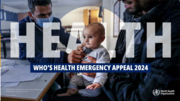
In 2024, we need US$1.5 billion to provide live-saving health care to millions of people in emergencies. An alarming combination of conflict, climate-related threats and increasing economic hardship mean an estimated 166 million people require health assistance.
Introduction Community health workers (CHWs) are increasingly being tasked to prevent and manage cardiovascular disease (CVD) and its risk factors in underserved populations in low-income and middle-income countries (LMICs); however, little is known about the required training necessary for them to
...
accomplish their role. This review aimed to evaluate the training of CHWs for the prevention and management of CVD and its risk factors in LMICs.
Methods A search strategy was developed in line with Preferred Reporting Items for Systematic Reviews and Meta-Analyses guidelines, and five electronic databases (Medline, Global Health, ERIC, EMBASE and CINAHL) were searched to identify peer-reviewed studies published until December 2016 on the training of CHWs for prevention or control of CVD and its risk factors in LMICs. Study characteristics were extracted using a Microsoft Excel spreadsheet and quality assessed using Effective Public Health Practice Project’s Quality Assessment Tool. The search, data extraction and quality assessment were performed independently by two researchers.
Results The search generated 928 articles of which 8 were included in the review. One study was a randomised controlled trial, while the remaining were before–after intervention studies. The training methods included classroom lectures, interactive lessons, e-learning and online support and group discussions or a mix of two or more. All the studies showed improved knowledge level post-training, and two studies demonstrated knowledge retention 6 months after the intervention.
Conclusion The results of the eight included studies suggest that CHWs can be trained effectively for CVD prevention and management. However, the effectiveness of CHW trainings would likely vary depending on context given the differences between studies (eg, CHW demographics, settings and training programmes) and the weak quality of six of the eight studies. Well-conducted mixed-methods studies are needed to provide reliable evidence about the effectiveness and cost-effectiveness of training programmes for CHWs.
more
Strategic communication is at the heart of public health and more important than ever in the digital age. Using communication strategically requires expertise, skills and resources to plan, implement and evaluate interventions that encourage governments to implement policies that improve people’s
...
lives and well-being, that empower health workers to deliver the best care possible, and that encourage people to take actions that protect and improve their health and that of their family and community. This Regional Action Framework on Communication for Health (C4H) aims to support Member States in implementing the C4H approach. It outlines steps to be taken by WHO and Member States to use C4H to achieve shared public health goals in the Western Pacific.
more
The World Food Programme (WFP) has taken important steps to progress disability inclusion across its programming and operations. In late 2022, WFP commissioned the Nossal Institute, University of Melbourne in partnership with the Faculty of Psychology, Universitas Gadjah Mada, Indonesia to identify
...
pathways for increasing disability inclusion in WFP’s emergency preparedness and response (EPR) programming.
The study explored WFP’s programming in Indonesia and the Philippines, including WFP’s advisory, technical assistance and service provision roles to government and partners and informed the development of this guide (see appendix 2). As general guidance on disability inclusion is increasingly available, the purpose of this guide is to contextualize disability inclusion in WFP’s emergency preparedness and response programming. The guide builds on core reference materials, such as the Inter-Agency Standing Committee (IASC) Guidelines on Inclusion of Persons with Disabilities in Humanitarian Action, 2019. While of wider relevance, this guide is directed at WFP’s EPR programming in Asia and the Pacific.
more
This MHPSS in Emergencies training aims to prepare MHPSS responders, disaster managers, and emergency team leaders for work in the field by building understanding of basic concepts of MHPSS in emergencies as well as planning and implementing PSS activities. It is for MHPSS focal points from the Red
...
Cross and Red Crescent Societies Movement and humanitarian organizations responsible for initiating or supporting the overall mental health and psychosocial activities and interventions during emergencies. The training modules in this guide have been developed to be flexible and adapted to different contexts and training needs. The guide and accompanying materials include the information and materials you will need to design and facilitate MHPSS in Emergencies training.
more
Global Development: Where Are We Now?
Today, we are facing a vital opportunity to change the profile of cardiovascular disease around the world.
The Millennium Development Goals (MDGs) are due to expire at the end of 2015, placing the cardiovascular health community in a unique position to shape t
...
he priorities for the next development agenda, and save millions of lives.
Despite its devastating impact on people of all ages, genders and ethnicities, cardiovascular disease was excluded from the Millennium Development Goals (MDGs), which were announced by the United Nations in 2000. That oversight was far-reaching;
for well over a decade, non-communicable diseases were omitted from the global funding agenda and deprioritized by other mechanisms. During that period of muted government action, the prevalence and burden of non-communicable diseases increased in every region of the world.
Fifteen years later, as the successors to the MDGs are being negotiated, we are in a position to call for the prioritization of cardiovascular disease on the forthcoming global development agenda. Once we have ensured that CVD is recognised at the global policy level, our efforts will turn to encouraging governments to honour their commitments on
the prevention and control of CVD.
more
The document "Pocketbook for Management of Diabetes in Childhood and Adolescence in Under-Resourced Countries" (2nd Edition) provides practical guidelines for managing diabetes in children and adolescents, particularly in resource-limited settings. It covers key topics like diagnosing and treating d
...
iabetes, managing diabetic ketoacidosis (DKA), insulin therapy, blood glucose monitoring, nutritional management, and dealing with complications. The pocketbook aims to support healthcare professionals in delivering effective diabetes care and improving outcomes for young patients in under-resourced areas.
more
The risk communication and community engagement (RCCE) competency framework is a resource that details the essential behaviours and activities necessary for effective communication and engagement with communities before, during and after public health emergencies. The purpose of this framework is to
...
establish and promote a common understanding of behavioural competencies and how they should be applied for high-performing and community-centred health emergency programmes. It is intended to support the development of standardized training programmes, professional development and talent acquisition and to enhance the capabilities of public health professionals involved in RCCE. Its goal is to inform the establishment of a skilled, well-trained RCCE workforce that consistently understands and executes the necessary behaviours and activities required to conduct RCCE activities with competence and professionalism.
more
The workshop aimed to support countries in the prioritization and acceleration of NCD prevention and management with a specific focus on accelerating the prevention and control of hypertension and diabetes, identifying the most impactful NCD interventions within their context, closing the gaps in ca
...
ncer care services through regional collaboration and integrating NCD services in when responding to emergencies.
more
This report includes analysis from informal regional consultations in the African Region, the Caribbean and North America, Latin America, South-East Asia Region, European Region, Eastern Mediterranean Region, alongside three forums in the Western Pacific Region. It analyses the overarching similarit
...
ies, regional nuances and priorities raised across the six WHO regions for the meaningful engagement of individuals with lived experience.
It is the second publication in the WHO Intention to action series, which aims to enhance the limited evidence base on the impact of meaningful engagement and address the lack of standardized approaches on how to operationalise meaningful engagement. The Intention to action series aims to do this by providing a platform from which individuals with lived experience, and organizational and institutional champions, can share solutions, challenges and promising practices related to this cross-cutting agenda. The Intention to action series also aims to provide powerful narratives, inspiration and evidence towards the Fourth United Nations High Level Meeting on NCDs in 2025 and achieving the 2030 United Nations Sustainable Development Goals (SDGs).
more
Under- and over-diagnosis of COPD: a global perspective
Ho T., Cusack R.P., Chaudhary N. et al.
Breathe, part of the European Respiratory Society (ERS)
(2019)
CC2
The article "Under- and over-diagnosis of COPD: a global perspective" reviews the worldwide variation in the prevalence of chronic obstructive pulmonary disease (COPD) and issues related to its misdiagnosis. It highlights that COPD is under-diagnosed due to factors such as limited access to spiromet
...
ry and variable diagnostic criteria, especially in low- and middle-income countries. Conversely, over-diagnosis often results from reliance on non-standard criteria or inadequate spirometry use. The article discusses key risk factors, including age, gender, exposure to pollutants, and comorbidities, and emphasizes the need for standardized diagnostic practices to better address and manage COPD globally.
more
The article is a scoping review that explores the challenges in diagnosing asthma in children in three sub-Saharan African countries: Nigeria, South Africa, and Uganda. It identifies key barriers, such as a lack of community awareness, inadequate healthcare access, limited diagnostic tools like spir
...
ometry, and insufficient knowledge among healthcare workers. The review also highlights the stigma associated with asthma and the absence of relevant diagnostic guidelines. Solutions proposed include community education, development and adherence to diagnostic guidelines, and strengthening healthcare systems. The study aims to inform policymakers and healthcare providers to improve asthma diagnosis and care for children in these regions.
more
The aim of the Technical Brief is to offer guidance to education professionals on how to integrate Mental Health and Psychosocial Support into Education in Emergencies programming. An overview of Mental Health and Psychosocial Support activities that can be implemented in Education in Emergencies co
...
ntexts is detailed, in line with the MHPSS Minimum Service Package. Country examples and case studies are featured.
more
The global prevalence, morbidity and mortality related to childhood asthma among children has increased significantly over the last 40 years. Although asthma is recognized as the most common chronic disease in children, issues of underdiagnosis and undertreatment persist. There are substantial globa
...
l variations in the prevalence of asthma symptoms in children, with up to 13-fold differences between countries. The rising number of hospital admissions for asthma may reflect an increase in asthma severity, poor disease management and/or the effect of poverty. The financial burden of asthma is relatively high within developed countries (those for which data is available) spending 1 to 2% of their healthcare budget on this condition. Established in 1989, the Global Initiative for Asthma (GINA) attempts to raise awareness about the increasing prevalence of asthma, improve management and reduce the burden of asthma worldwide. Despite global efforts, GINA has not achieved its goal, even among developed nations. There are multiple barriers to reducing the global burden of asthma, including limited access to care and/or medications, and lack of prioritization as a public healthcare priority. In addition, the diversity of healthcare systems worldwide and large differences in access to care require that asthma management guidelines be tailored to local needs.
more
Antimicrobial resistance (AMR) has emerged as a leading cause of death in the African region, surpassing fatalities from malaria, HIV, and TB. In response to this critical threat, the region has adopted the AMR Global Action Plan and the African Union Framework for Antimicrobial Resistance Control 2
...
020 – 2025, which is tailored to meet the specific needs of African nations through a coordinated approach. While most countries in the region have developed and prioritized National Action Plans (NAPs) to tackle AMR, the overall response remains inadequate given the magnitude of the threat, which endangers human, animal, environmental, aquatic, and plant health.
Africa bears a significant burden of infectious diseases, accounting for approximately 95% of malaria deaths, 70% of people living with HIV, and 25% of TB deaths globally. In 2019, AMR was linked to approximately 55,000 deaths from HIV, 30,000 from malaria, and 255,000 overall. Major drivers of AMR in the region include the overuse and misuse of antimicrobials in human and food systems, migration, suboptimal vaccination rates, and environmental contamination from hospital and pharmaceutical effluents. Additionally, there is a lack of access to quality-assured antimicrobials and diagnostics, compounded by inadequate knowledge about AMR. Unlike high-income countries, where indiscriminate antimicrobial use is the primary factor driving AMR, African countries face additional challenges, including a lack of access to clean and safe water, poor Water, Sanitation, and Hygiene (WASH) programs, inadequate infection prevention measures, and suboptimal vaccinations for preventable diseases. One in three hospitals in the region lacks clean, safe running water, and one in eight people defecate openly due to inadequate sanitation. Investments in WASH, infection prevention, and biosecurity could save approximately 700,000 lives annually.
Addressing AMR in Africa requires a comprehensive, multi-sectoral approach involving the entire society. Sustainable access to antimicrobials, including antibiotics, vaccines, and therapeutics, is crucial, as lack of access leads to more morbidity and mortality than AMR itself. Support for the region should focus on preventing infections, strengthening health and food systems, developing human resources, ensuring sustainable access to diagnostics and therapeutics, and investing in laboratory infrastructure to support surveillance and data generation.
more
This status report shows how far we have come—and how much further we must go—if we hope to meet the global commitments to end AIDS in children. It offers a snapshot of global progress and permits an early assessment of the impact of the Global Alliance’s work.
The reader acknowledges that this report is intended as an evidence-based asthma management strategy, for the use of health professionals and policy-makers. It is based, to the best of our knowledge, on current best evidence and medical knowledge and practice at the date of publication. When assessi
...
ng and treating patients, health professionals are strongly advised to use their own professional judgment, and to take into account local and national regulations and guidelines. GINA cannot be held liable or responsible for inappropriate healthcare associated with the use of this document, including any use which is not in accordance with applicable local or national regulations or guidelines.
more
