
Filter
2169
Text search:
Demographic
surveys
Featured
95
812
Language
2046
86
29
17
7
6
6
4
2
2
2
1
1
1
1
1
1
1
1
1
1
1
1
1
1
1
1
1
Document type
1533
385
91
52
49
15
15
13
8
3
2
Countries
119
100
95
82
80
78
75
66
65
61
59
56
53
53
51
48
45
35
34
33
31
28
27
24
21
21
21
19
19
18
16
16
15
14
12
12
12
12
10
9
8
8
8
8
7
7
7
6
6
6
6
5
5
5
5
5
5
5
5
4
4
4
4
4
4
3
3
3
3
3
3
3
3
2
2
2
2
2
2
2
2
2
2
2
1
1
1
1
1
1
1
1
1
1
1
1
1
1
1
1
1
1
1
1
1
1
1
1
1
Authors & Publishers
159
86
73
71
61
56
43
41
39
32
31
24
22
17
16
14
14
13
12
12
12
10
10
9
9
9
8
8
8
7
7
7
7
7
7
7
7
6
6
6
6
6
6
6
6
6
6
5
5
5
5
5
5
5
5
5
5
5
5
5
5
5
5
5
5
5
5
5
5
5
4
4
4
4
4
4
4
4
4
4
4
4
4
4
4
4
4
4
4
4
4
4
4
4
4
4
4
4
3
3
3
3
3
3
3
3
3
3
3
3
3
3
3
3
3
3
3
3
3
3
3
3
3
3
3
3
3
3
3
3
3
3
3
3
3
3
3
3
3
3
3
3
3
3
3
3
3
3
3
3
3
3
2
2
2
2
2
2
2
2
2
2
2
2
2
2
2
2
2
2
2
2
2
2
2
2
2
2
2
2
2
2
2
2
2
2
2
2
2
2
2
2
2
2
2
2
2
2
2
2
2
2
2
2
2
2
2
2
2
2
2
2
2
2
2
2
2
2
2
2
2
2
2
2
2
2
2
2
2
2
2
2
2
2
2
2
2
2
2
2
2
2
2
2
2
2
2
2
2
2
2
2
2
2
2
2
2
2
2
2
2
2
2
2
2
2
2
2
2
2
2
2
2
2
2
2
2
2
2
2
2
2
2
2
2
2
2
2
2
2
2
2
2
2
2
2
2
2
2
2
2
2
2
2
2
2
2
2
2
2
2
2
2
2
2
2
2
2
2
2
2
2
2
1
1
1
1
1
1
1
1
1
1
1
1
1
1
1
1
1
1
1
1
1
1
1
1
1
1
1
1
1
1
1
1
1
1
1
1
1
1
1
1
1
1
1
1
1
1
1
1
1
1
1
1
1
1
1
1
1
1
1
1
1
1
1
1
1
1
1
1
1
1
1
1
1
1
1
1
1
1
1
1
1
1
1
1
1
1
1
1
1
1
1
1
1
1
1
1
1
1
1
1
1
1
1
1
1
1
1
1
1
1
1
1
1
1
1
1
1
1
1
1
1
1
1
1
1
1
1
1
1
1
1
1
1
1
1
1
1
1
1
1
1
1
1
1
1
1
1
1
1
1
1
1
1
1
1
1
1
1
1
1
1
1
1
1
1
1
1
1
1
1
1
1
1
1
1
1
1
1
1
1
1
1
1
1
1
1
1
1
1
1
1
1
1
1
1
1
1
1
1
1
1
1
1
1
1
1
1
1
1
1
1
1
1
1
1
1
1
1
1
1
1
1
1
1
1
1
1
1
1
1
1
1
1
1
1
1
1
1
1
1
1
1
1
1
1
1
1
1
1
1
1
1
1
1
1
1
1
1
1
1
1
1
1
1
1
1
1
1
1
1
1
1
1
1
1
1
1
1
1
1
1
1
1
1
1
1
1
1
1
1
1
1
1
1
1
1
1
1
1
1
1
1
1
1
1
1
1
1
1
1
1
1
1
1
1
1
1
1
1
1
1
1
1
1
1
1
1
1
1
1
1
1
1
1
1
1
1
1
1
1
1
1
1
1
1
1
1
1
1
1
1
1
1
1
1
1
1
1
1
1
1
1
1
1
1
1
1
1
1
1
1
1
1
1
1
1
1
1
1
1
1
1
1
1
1
1
1
1
1
1
1
1
1
1
1
1
1
1
1
1
1
1
1
1
1
1
1
1
1
1
1
1
1
1
1
1
1
1
1
1
1
1
1
1
1
1
1
1
1
1
1
1
1
1
1
1
1
1
1
1
1
1
1
1
1
1
1
1
1
1
1
1
1
1
1
1
1
1
1
1
1
1
1
1
1
1
1
1
1
1
1
1
1
1
1
1
1
1
1
1
1
1
1
1
1
1
1
1
1
1
1
1
1
1
1
1
1
1
1
1
1
1
1
1
1
1
1
1
1
1
1
1
1
1
1
1
1
1
1
1
1
1
1
1
1
1
1
1
1
1
1
1
1
1
1
1
1
1
1
1
1
1
1
1
1
1
1
1
1
1
1
1
1
1
1
1
1
1
1
1
1
1
1
1
1
1
1
1
1
1
1
1
1
1
1
1
1
1
1
1
1
1
1
1
1
1
1
1
1
1
1
1
1
1
1
1
1
1
1
1
1
1
1
1
1
1
1
1
1
1
1
1
1
1
1
1
1
1
1
1
1
1
1
1
1
1
1
1
1
1
1
1
1
1
1
1
1
1
1
1
1
1
1
1
1
1
1
1
1
1
1
1
1
1
1
1
1
1
1
1
1
1
1
1
1
1
1
1
1
1
1
1
1
1
1
1
1
1
1
1
1
1
1
1
1
1
1
1
1
1
1
1
1
1
1
1
1
1
1
1
1
1
1
1
1
1
1
1
1
1
1
1
1
1
1
1
1
1
1
1
1
1
1
1
1
1
1
1
1
1
1
1
1
1
1
1
1
1
1
1
1
1
1
1
1
1
1
1
1
1
1
1
1
1
1
1
1
1
1
1
1
1
1
1
1
1
1
1
1
1
1
1
1
1
1
1
1
1
1
1
1
1
1
1
1
1
1
1
1
1
1
1
1
1
1
1
1
1
1
1
1
1
1
1
1
1
1
1
1
1
1
1
1
1
1
1
1
1
1
1
1
1
1
1
1
1
1
1
1
1
1
1
1
1
1
1
1
1
1
1
1
1
1
1
1
1
1
1
1
1
1
1
1
1
1
1
1
1
1
1
1
1
1
1
1
1
1
1
1
1
1
1
1
1
1
1
1
1
1
1
1
1
1
1
1
1
1
1
1
1
1
1
1
1
1
1
1
1
1
1
1
1
1
1
1
1
1
1
1
1
1
1
1
1
1
1
1
1
1
1
1
1
1
1
1
1
1
1
1
1
1
1
1
1
1
1
1
1
1
1
1
1
1
1
1
1
1
1
1
1
1
1
1
1
1
1
1
1
1
1
1
1
1
1
1
1
1
1
1
1
1
1
1
1
1
1
1
1
1
1
1
1
1
1
1
1
1
1
1
1
1
1
1
1
1
1
1
1
1
1
1
1
1
1
1
1
1
1
1
1
1
1
1
1
1
1
1
1
1
1
1
1
1
1
1
1
1
1
1
1
1
1
1
1
1
1
1
1
1
1
1
1
1
1
1
1
1
1
1
1
1
1
1
1
1
1
1
1
1
1
1
1
1
1
1
1
1
1
1
1
1
1
1
1
1
1
1
1
1
1
1
1
1
1
1
1
1
1
1
1
1
1
1
1
1
1
1
1
1
1
1
1
1
1
1
1
1
1
1
1
1
1
1
1
1
1
1
1
1
1
1
1
1
1
1
1
1
1
1
1
1
1
1
1
1
1
1
1
1
1
1
1
1
1
1
1
1
1
1
1
1
1
1
1
1
1
1
1
1
1
1
1
1
1
1
1
1
1
1
1
1
1
1
1
1
1
1
1
1
1
1
1
1
1
1
1
1
1
1
1
1
1
1
1
1
1
1
1
1
1
1
1
1
1
1
1
1
1
1
1
1
1
1
1
1
1
1
1
1
1
1
1
1
1
1
1
1
1
1
1
1
1
1
1
1
1
1
1
1
1
1
1
1
1
1
1
1
1
1
1
1
1
1
1
1
1
1
1
1
1
1
1
1
1
1
1
1
1
1
1
1
1
1
1
1
1
1
1
1
1
1
1
1
1
1
1
1
1
1
1
1
1
1
1
1
1
1
1
1
1
1
1
1
1
1
1
1
1
1
1
1
1
1
1
1
1
1
1
1
1
1
1
1
1
1
1
1
1
1
1
1
1
1
1
1
1
1
1
1
1
1
1
1
1
1
1
1
1
1
1
1
1
1
1
1
1
1
1
1
1
1
1
1
1
1
1
1
1
1
1
1
1
1
1
1
1
1
1
1
1
1
1
1
1
1
1
1
1
1
1
1
1
1
1
1
1
1
1
1
1
1
1
1
1
1
1
1
1
1
1
1
1
1
1
1
1
1
1
1
1
1
1
1
1
1
1
1
1
1
1
1
1
1
1
1
1
1
1
1
1
1
1
1
1
1
1
1
1
1
1
1
1
1
1
1
1
1
1
1
1
1
1
1
1
1
1
1
1
1
1
1
1
1
1
1
1
1
1
1
1
1
1
1
1
1
1
1
1
1
1
1
1
1
1
1
1
1
1
1
1
1
1
1
1
1
1
1
1
1
1
1
1
1
1
1
1
1
1
1
1
1
1
1
1
1
1
1
1
1
1
1
1
1
1
1
1
1
1
1
1
1
1
1
1
1
1
1
1
1
1
1
1
1
1
1
1
1
1
1
1
1
1
1
1
1
1
1
1
1
1
1
1
1
1
1
1
1
1
1
1
1
1
1
1
1
1
1
1
1
1
1
1
1
1
1
1
1
1
1
1
1
1
1
1
1
1
1
1
1
1
1
1
1
1
1
1
1
1
1
1
1
1
1
1
1
1
1
1
1
1
1
1
1
1
1
1
1
1
1
1
1
1
1
1
1
1
1
1
1
1
1
1
1
1
1
1
1
1
1
1
1
1
1
1
1
1
1
1
1
1
1
1
1
1
1
1
1
1
1
1
1
1
1
1
1
1
1
1
1
1
1
1
1
1
1
1
1
1
1
1
1
1
1
1
1
1
1
1
1
1
1
1
1
1
Publication Years
371
1619
172
4
2
1
Category
1320
121
112
77
74
13
7
1
Toolboxes
157
101
73
67
58
55
40
37
37
35
32
30
20
16
15
13
10
8
6
5
3
3
1
1
HIV in Asia and the Pacific
UNAIDS
(2013)
C2
UNAIDS Report 2013
This booklet presents data on NCD mortality and prevalence of NCD risk factors, by country, for the Region of the Americas. The focus is on the 5 x 5 NCD agenda which includes the main NCDs (cardiovascular diseases, cancer, diabetes, and chronic respiratory diseases), and mental health (suicide); as
...
well as the main NCD risk factors (tobacco use, harmful use of alcohol, unhealthy diet, insufficient physical activity), along with air pollution. It includes information on the number and percentage of deaths, age-standardized death rates, premature death from NCDs and the prevalence of NCD risk f actors.
more
A new report by the world’s largest humanitarian network warns that the number of people needing humanitarian assistance every year as a result of climate-related disasters could double by 2050. It estimates that the number of people in need of humanitarian assistance as a result of storms, droug
...
hts and floods could climb beyond 200 million annually – compared to an estimated 108 million today.
It further suggests that this rising human toll would come with a huge financial price tag, with climate-related humanitarian costs ballooning
more
The growing HIV epidemic in Central Europe: a neglected issue?
D. Gökengin; C. Oprea; S. Uysal; J. Begovac
PMC - US National Library of Medicine National Institutes of Health; Journal of Virus Eradication
(2016)
C2
Review
Journal of Virus Eradication 2016 Jul; 2(3): 156–161.
Published online 2016 Jul 1.
PMCID: PMC4967967
PMID: 27482455
Guidelines on Estimating the Size of Populations Most at Risk to HIV
UNAIDS; World Health Organization
(2010)
C_WHO
UNAIDS/WHO Working Group on Global HIV/AIDS and STI Surveillance
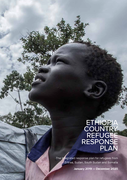
he refugee flow to Ethiopia continued during 2018, with 36,1351 persons seeking safety and protection within the country’s borders. At the start of 2019, the nation hosted 905,8312 thousand refugees who were forced to flee their homes as a result of insecurity, political instability, military cons
...
cription, conflict, famine and other problems in their countries of origin. Ethiopia is one of the largest refugee asylum countries world-wide, and the second largest in Africa, reflecting the ongoing fragility and conflict in the region. Ethiopia provides protection to refugees from some 26 countries. Among the principal factors leading to this situation are predominantly the conflict in South Sudan, the prevailing political environment in Eritrea, together with conflict and draught in Somalia.
more
PLoSONE 14(9):e0223104.https://doi.org/10.1371/journal.pone.0223104.
The survey centering on reasons behind community resistance was conducted in Butembo in November during a time of Ebola transmission. A researcher from Catholic University of Graben in Butembo and collaborators at the University o
...
f Alberta in Edmonton published their findings on Sep 26 in PLOS One.
To spark focus group discussions, the researchers used an 18-item questionnaire based on similar ones used during West Africa's outbreak in Guinea, where community resistance and episodes of violence also complicated the outbreak response.
Participants were a convenience sample of 670 adults from the region who were recruited by medical students at Catholic University of Graben. Those surveyed included clinicians, community members, and displaced persons.
more
Review of the HIV Programme in the former Yugoslav Republic of Macedonia
D. Raben; S. F.Jakobsen; A. Sönnerborg; E. Subata
World Health Organization (Europe); Research Gate
(2016)
C_WHO
October 2015
Population Size Estimation of Female Sex Workers In Tbilisi and Batumi, Georgia 2014
Dr. I. Chikovani; Dr. N. Shengelia; L. Sulaberidze; N. Tsereteli; et al.
The Global Fund To fight AIDS, Tuberculosis and Malaria; Curatio International Foundation; Tanadgoma
(2014)
C2
Study Report August 2014
Curatio International Foundation (CIF) and the Association Tanadgoma would like to acknowledge the financial support provided by GFATM under the project “Establishment of evidence base for national HIV/AIDS program by strengthening of HIV/AIDS surveillance system in t
...
he country” (GEO-H-GPIC), which made this study possible.
The report was prepared by Dr. Ivdity Chikovani, Dr. Natia Shengelia, Lela Sulaberidze (CIF) and Nino Tsereteli (Tanadgoma).
Special thanks are extended to international consultants – Ali Mirzazadeh (MD, MPH, PhD Postdoctoral Scholar, University of California, San Francisco Institute for Health Policy Studies & Global Health Sciences) for his significant contribution in study preparation, protocol and questionnaire design and data analysis and Abu S. Abdul-Quader (PhD, Epidemiologist, Global AIDS Program Centers for Disease Control and Prevention) for his valuable input in refining methodology and overall guidance during the study implementation.
Special thanks are extended to international consultants – Abu S. Abdul-Quader (PhD, Epidemiologist, Global AIDS Program, Centers for Disease Control and Prevention) for his valuable input in refining methodology and overall guidance during the study implementation and Ali Mirzazadeh (MD, MPH, PhD Postdoctoral Scholar, University of California, San Francisco Institute for Health Policy Studies & Global Health Sciences) for his significant contribution in the NSU study preparation, protocol and questionnaire design and data analysis.
Authors appreciate a highly professional work of Tanadgoma staff: the survey coordinator KhatunaKhazhomia; the interviewers: Ketevan Tchelidze, Nino Kipiani, Koba Bitsadze, Kakhaber Akhvlediani, ZazaBabunashvili, Rati Tsintsadze and the social workers: Archil Rekhviashvili, Tea Chakhrakia, Irina Bregvadze, Kakhaber Kepuladze, Ketevan Jibladze and Shota Makharadze for their input in the recruitment process.
more
HIV Programme Review in Tajikistan
M. Mansfeld; M. Ristola; J. Klinte; et al.
World Health Organization (Europe); Centre for Health & Infectious Disease Research
(2015)
C_WHO
Evaluation report
September 2014
Ukraine HIV Program Efficiency Study: Can Ukraine improve value for money in HIV service delivery?
International Bank for Reconstruction and Development The World Bank
(2019)
C2
Accessed: 04.10.2019
The data collection process was organized by UCDC Director, Natalia Nizova, and M&E Department Head, Igor Kuzin, and implemented by M&E specialists from oblast AIDS Centers: Zhanna Antonenko, Oksana Gorbachuk, Volodymyr Zahorovskyi (Kiev City); Anna Lopatenko, Irina Kozina, I
...
ryna Chukhalova, (Dnipropetrovsk); Galina Vysotskaja, Iryna Petrovska, Oleksandr Guzieiev (Mykolayiv). Qualitative data collection as well as a desk review was done by the WB’s local consultants Anna Shapoval, Olesia Trofymenko, Anna Pisotska and Elena Dzyuba.
The report was prepared by a World Bank Task Team led by Iris Semini (seconded to the World Bank until July 2013, and now back with UNAIDS), and concluded by Emiko Masaki and Marelize Görgens (World Bank), with support and guidance provided by Daniel Dulitzky, Paolo Belli, Alejandro Cedeno, Alona Goroshko and Lombe Kasonde. Administrative support was provided by Anna Goodman, Mario Mendez and Uma Balasubramanian. When draft results were ready, an in-country workshop was held where stakeholders provided their inputs. Once a draft report was produced, written comments were received from World Bank colleagues, Son Nam Nguyen, Rosemary Sunkutu and Alona Goroshko.
more
School of Public Health, Fudan University, Key Laboratory of Public Health Safety, Ministry of Education, Shanghai, China
PLOS ONE | www.plosone.org 1, May 2013 | Volume 8 | Issue 5 | e64915
At present at least 2.2 billion people around the world have a vision impairment, of whom at least 1 billion have a vision impairment that could have been prevented or is yet to be addressed. The world faces considerable challenges in terms of eye care, including inequalities in the coverage and qua
...
lity of prevention, treatment and rehabilitation services; a shortage of trained eye care service providers; and poor integration of eye care services into health systems, among others. The World report on vision aims to address these challenges and galvanize action.
more
Preventing Suicide: A Technical Package of Policy, Programs, and Practices
Stone, D.; K. Holland, B. Bartholow, et al.
Centers for Disease Control and Prevention CDC
(2017)
C_CDC
This technical package represents a select group of strategies based on the best available evidence to help communities and states sharpen their focus on prevention activities with the greatest potential to prevent suicide
HIV-related Stigma and Discrimination and Human Rights in Papua new Guinea
Dr. J. Rule; D. Liriope
National Association of People With HIV Australia; IGAT Hope INC.; UNAIDS; et al.
(2016)
C2
A Report on the Application of the HIV Stigma index in the Western highlands and Chimbu provinces
