Filter
2275
Text search:
funding
update
Featured
192
684
Language
2227
44
30
28
24
13
11
5
3
3
2
2
2
2
2
2
2
2
2
2
2
2
1
1
1
1
1
1
1
1
1
1
1
Document type
1247
438
240
138
104
50
34
14
5
3
Countries
115
62
59
58
53
50
49
45
43
43
42
39
39
37
36
35
32
32
31
30
28
28
27
25
22
22
21
21
19
16
16
16
15
14
14
14
13
13
12
11
10
10
10
10
9
9
9
9
9
8
8
7
7
7
6
6
6
5
5
5
5
4
4
4
4
4
4
4
4
3
3
3
3
3
3
3
3
3
3
3
3
3
3
3
3
2
2
2
2
2
2
2
2
2
2
2
2
2
2
2
2
2
2
2
2
2
2
1
1
1
1
1
1
1
1
1
1
1
1
1
1
1
1
1
1
1
1
1
1
1
1
Authors & Publishers
378
121
120
86
70
66
43
41
28
27
18
16
15
14
14
12
11
10
10
10
10
10
10
9
9
9
9
9
8
8
8
8
8
7
7
7
7
7
7
7
7
7
7
6
6
6
6
6
6
6
6
6
5
5
5
5
5
5
5
5
5
5
5
5
5
5
4
4
4
4
4
4
4
4
4
4
4
4
4
4
4
4
4
4
4
4
4
4
3
3
3
3
3
3
3
3
3
3
3
3
3
3
3
3
3
3
3
3
3
3
3
3
3
3
3
3
3
3
3
3
3
3
3
3
3
3
3
3
3
3
3
3
3
2
2
2
2
2
2
2
2
2
2
2
2
2
2
2
2
2
2
2
2
2
2
2
2
2
2
2
2
2
2
2
2
2
2
2
2
2
2
2
2
2
2
2
2
2
2
2
2
2
2
2
2
2
2
2
2
2
2
2
2
2
2
2
2
2
2
2
2
2
2
2
2
2
2
2
2
2
2
2
2
2
2
2
2
2
2
2
2
2
2
2
2
2
2
2
2
2
2
2
2
2
2
2
2
2
2
2
2
2
2
2
2
2
2
2
2
2
2
2
2
2
2
2
2
2
2
2
2
2
2
2
2
1
1
1
1
1
1
1
1
1
1
1
1
1
1
1
1
1
1
1
1
1
1
1
1
1
1
1
1
1
1
1
1
1
1
1
1
1
1
1
1
1
1
1
1
1
1
1
1
1
1
1
1
1
1
1
1
1
1
1
1
1
1
1
1
1
1
1
1
1
1
1
1
1
1
1
1
1
1
1
1
1
1
1
1
1
1
1
1
1
1
1
1
1
1
1
1
1
1
1
1
1
1
1
1
1
1
1
1
1
1
1
1
1
1
1
1
1
1
1
1
1
1
1
1
1
1
1
1
1
1
1
1
1
1
1
1
1
1
1
1
1
1
1
1
1
1
1
1
1
1
1
1
1
1
1
1
1
1
1
1
1
1
1
1
1
1
1
1
1
1
1
1
1
1
1
1
1
1
1
1
1
1
1
1
1
1
1
1
1
1
1
1
1
1
1
1
1
1
1
1
1
1
1
1
1
1
1
1
1
1
1
1
1
1
1
1
1
1
1
1
1
1
1
1
1
1
1
1
1
1
1
1
1
1
1
1
1
1
1
1
1
1
1
1
1
1
1
1
1
1
1
1
1
1
1
1
1
1
1
1
1
1
1
1
1
1
1
1
1
1
1
1
1
1
1
1
1
1
1
1
1
1
1
1
1
1
1
1
1
1
1
1
1
1
1
1
1
1
1
1
1
1
1
1
1
1
1
1
1
1
1
1
1
1
1
1
1
1
1
1
1
1
1
1
1
1
1
1
1
1
1
1
1
1
1
1
1
1
1
1
1
1
1
1
1
1
1
1
1
1
1
1
1
1
1
1
1
1
1
1
1
1
1
1
1
1
1
1
1
1
1
1
1
1
1
1
1
1
1
1
1
1
1
1
1
1
1
1
1
1
1
1
1
1
1
1
1
1
1
1
1
1
1
1
1
1
1
1
1
1
1
1
1
1
1
1
1
1
1
1
1
1
1
1
1
1
1
1
1
1
1
1
1
1
1
1
1
1
1
1
1
1
1
1
1
1
1
1
1
1
1
1
1
1
1
1
1
1
1
1
1
1
1
1
1
1
1
1
1
1
1
1
1
1
1
1
1
1
1
1
1
1
1
1
1
1
1
1
1
1
1
1
1
1
1
1
1
1
1
1
1
1
1
1
1
1
1
1
1
1
1
1
1
1
1
1
1
1
1
1
1
1
1
1
1
1
1
1
1
1
1
1
1
1
1
1
1
1
1
1
1
1
1
1
1
1
1
1
1
1
1
1
1
1
1
1
1
1
1
1
1
1
1
1
1
1
1
1
1
1
1
1
1
1
1
1
1
1
1
1
1
1
1
1
1
1
1
1
1
1
1
1
1
1
1
1
1
1
1
1
1
1
1
1
1
1
1
1
1
1
1
1
1
1
1
1
1
1
1
1
1
1
1
1
1
1
1
1
1
1
1
1
1
1
1
1
1
1
1
1
1
1
1
1
1
1
1
1
1
1
1
1
1
1
1
1
1
1
1
1
1
1
1
1
1
1
1
1
1
1
1
1
1
1
1
1
1
1
1
1
1
1
1
1
1
1
1
1
1
1
1
1
1
1
1
1
1
1
1
1
1
1
1
1
1
1
1
1
1
1
1
1
1
1
1
1
1
1
1
1
1
1
1
1
1
1
1
1
1
1
1
1
1
1
1
1
1
1
1
1
1
1
1
1
1
1
1
1
1
1
1
1
1
1
1
1
1
1
1
1
1
1
1
1
1
1
1
1
1
1
1
1
1
1
1
1
1
1
1
1
1
1
1
1
1
1
1
1
1
1
1
1
1
1
1
1
1
1
1
1
1
1
1
1
1
1
1
1
1
1
1
1
1
1
1
1
1
1
1
1
1
1
1
1
1
1
1
1
1
1
1
1
1
1
1
1
1
1
1
1
1
1
1
1
1
1
1
1
1
1
1
1
1
1
1
1
1
1
1
1
1
1
1
1
1
1
1
1
1
1
1
1
1
1
1
1
1
1
1
1
1
1
1
1
1
1
1
1
1
1
1
1
1
1
1
1
1
1
1
1
1
1
1
1
1
1
1
1
1
1
1
1
1
1
1
1
1
1
1
1
1
1
1
1
1
1
1
1
1
1
1
1
1
1
1
1
1
1
1
1
1
1
1
1
1
1
1
1
1
1
1
1
1
1
1
1
1
1
1
1
1
1
1
1
1
1
1
1
1
1
1
1
1
1
1
1
1
1
1
1
1
1
1
1
1
1
1
1
1
1
1
1
1
1
1
1
1
1
1
1
1
1
1
1
1
1
1
1
1
1
1
1
1
1
1
1
1
1
1
1
1
1
1
1
1
1
1
1
1
1
1
1
1
1
1
1
1
1
1
1
1
1
1
1
1
1
1
1
1
1
1
1
1
1
1
1
1
1
1
1
1
1
1
1
1
1
1
1
1
1
1
1
1
1
1
1
1
1
1
1
1
1
1
1
1
1
1
1
1
1
1
1
1
1
1
1
1
1
1
1
1
1
1
1
1
1
1
1
1
1
1
1
1
1
1
1
1
1
1
1
1
1
1
1
1
1
1
1
1
1
1
1
1
1
1
1
1
1
1
1
1
1
1
1
1
1
1
1
1
1
1
1
1
1
1
1
1
1
1
1
1
1
1
1
1
1
1
1
1
1
1
1
1
1
1
1
1
1
1
1
1
1
1
1
1
1
1
1
1
1
1
1
1
1
1
1
1
1
1
1
1
1
1
1
1
1
1
1
1
1
1
1
1
1
1
1
1
1
1
1
1
1
1
1
1
1
1
1
1
1
1
1
1
1
1
1
1
1
1
1
1
1
1
1
1
1
1
1
1
1
1
1
1
1
1
1
1
1
1
1
1
1
1
1
1
1
1
1
1
1
1
1
1
1
1
1
1
1
1
1
1
1
1
1
1
1
1
1
1
1
1
1
1
1
1
1
1
1
1
1
1
1
1
1
1
1
1
1
1
1
1
1
1
1
1
1
1
1
1
1
1
1
1
1
1
1
1
1
1
1
1
1
1
1
1
1
1
1
1
1
1
1
1
1
1
1
1
1
1
1
1
1
1
1
1
1
1
1
1
1
1
1
1
1
1
1
1
1
1
1
1
1
1
1
1
1
1
1
1
1
1
1
1
1
1
1
1
1
1
1
1
1
1
1
1
1
1
1
1
1
1
1
1
1
1
1
1
1
1
1
1
1
1
1
1
1
1
1
1
1
1
1
1
1
1
1
1
1
1
1
1
1
1
1
1
1
1
1
1
1
1
1
1
1
1
1
1
1
1
1
1
1
1
1
1
1
1
1
1
1
1
1
1
1
1
1
1
1
1
1
1
1
1
1
1
1
1
1
1
1
1
1
1
1
1
1
1
1
1
1
1
1
1
1
1
1
1
1
1
1
1
1
1
1
1
1
1
1
1
1
1
1
1
1
1
1
1
1
1
1
1
1
1
1
1
1
1
1
1
1
1
1
1
1
1
1
1
1
1
1
1
1
1
1
1
1
1
1
1
1
1
1
1
1
1
1
1
1
1
1
1
1
1
1
1
1
1
1
1
1
1
1
1
1
1
1
1
1
1
1
1
1
1
1
1
1
1
1
1
1
1
1
1
1
1
1
1
Publication Years
1
711
1422
137
3
1
Category
866
179
118
112
86
22
18
6
2
1
Toolboxes
239
189
142
95
94
81
72
57
54
50
48
44
44
43
37
36
32
31
20
19
18
4
2
1
1
These include taking proactive measures to ensure that people, particularly people in vulnerable groups, can access HIV treatment and prevention services, designating and supporting essential workers, including community-led organizations, and implementing measures to prevent and address gender-base
...
d violence.
more
The pandemic presents tough choices for governments, local communities, health and school systems, as well as families and businesses: How to re-open safely? How to safeguard people’s lives and protect their livelihoods? Where to allocate scarce resources? How to protect those unable to protect th
...
emselves? Answers to questions like these will affect our short-term success in battling the spread of the virus and could have impacts for generations to come.
More than ever, the world needs reliable and trustworthy data and statistics to inform these important decisions. The United Nations and all member organizations of the Committee for the Coordination of Statistical Activities (CCSA) collect and make available a wealth of information for assessing the multifaceted impacts of the pandemic. This report updates some of the global and regional trends presented in Volume I and offers a snapshot of how COVID-19 continues to affect the world today across multiple domains.
more

WHO today released its first roadmap to tackle postpartum haemorrhage (PPH) – defined as excessive bleeding after childbirth - which affects millions of women annually and is the world’s leading cause of maternal deaths.
Despite being preventable and treatable, PPH results in around 70 000 de
...
aths every year. For those who survive, it can cause disabilities and psychological trauma that last for years.
“Severe bleeding in childbirth is one of the most common causes of maternal mortality, yet it is highly preventable and treatable,” said Dr Tedros Adhanom Ghebreyesus, WHO Director-General. “This new roadmap charts a path forward to a world in which more women have a safe birth and a healthy future with their families.”
The Roadmap aims to help countries address stark differences in survival outcomes from PPH, which reflect major inequities in access to essential health services. Over 85% of deaths from PPH happen in sub-Saharan Africa and South Asia. Risk factors include anaemia, placental abnormalities, and other complications in pregnancy such as infections and pre-eclampsia.
Many risk factors can be managed if there is quality antenatal care, including access to ultrasound, alongside effective monitoring in the hours after birth. If bleeding starts, it also needs to be detected and treated extremely quickly. Too often, however, health facilities lack necessary healthcare workers or resources, including lifesaving commodities such as oxytocin, tranexamic acid or blood for transfusions.
“Addressing postpartum haemorrhage needs a multipronged approach focusing on both prevention and response - preventing risk factors and providing immediate access to treatments when needed - alongside broader efforts to strengthen women’s rights,” said Dr Pascale Allotey, WHO Director for Sexual and Reproductive Health and HRP, the UN’s special programme on research development and training in human reproduction. “Every woman, no matter where she lives, should have access to timely, high quality maternity care, with trained health workers, essential equipment and shelves stocked with appropriate and effective commodities – this is crucial for treating postpartum bleeding and reducing maternal deaths.”
more
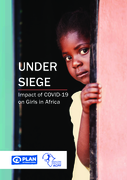
The COVID-19 pandemic has exacerbated and added yet another layer of vulnerability to an already dire web of vulnerabilities of girls in the African continent, which constitute about 49% of the total child population. Critically, gender equality and girls’ multidimensional vulnerability have been
...
accentuated to an unprecedented level. The pandemic has triggered major concerns about the potential reversal of the strides achieved over the years towards gender equality and human development in Africa.
more
Guidelines on post-exposure prophylaxis for HIV and the use of co-trimoxazole prophylaxis for HIV-related infections among adults, adolescents, and children: recommendations for a public health approach : December 2014 supplement to the 2013 Consolidated guidelines on the use of antiretroviral drugs
...
for treating and preventing HIV infection.
more
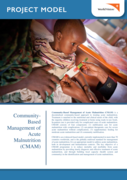
Community-Based Management of Acute Malnutrition (CMAM) is a decentralised community-based approach to treating acute malnutrition. Treatment is matched to the nutritional and clinical needs of the child, with the majority children receiving treatment at home using ready-to-use foods. In-patient car
...
e is provided only for complicated cases of acute malnutrition. CMAM consists of four components: (1) stabilisation care for acute malnutrition with complications, (2) out-patient therapeutic care for severe acute malnutrition without complications, (3) supplementary feeding for moderate acute malnutrition and (4) community mobilisation.
more
In this document, recommendations are provided on designing and implementing
a cross-sectional serosurvey using school-based sampling to estimate age-specific
DENV seroprevalence to inform a country’s national dengue vaccination program.
The document includes recommendations for methods for
...
planning and conducting
serosurveys, including survey design, specimen collection, laboratory testing, data
analysis, and the interpretation and reporting of results.
more
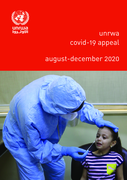
COVID-19 has resulted in an unprecedented global crisis. As the pandemic spreads and countries around the world continue to struggle to contain its health and socio-economic consequences, UNRWA is issuing a new humanitarian appeal from August through December 2020 to address the worst impacts of the
...
pandemic on Palestine refugees across the Agency’s five fields of operation. Through this appeal the Agency seeks US$ 94.6 million. The funds requested in this appeal are additional to the previous UNRWA COVID-19 appeal for March to July.
more
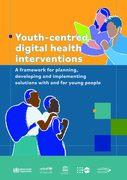
A framework for planning, developing and implementing solutions with and for young people.
The guidance presented in this document is intended for digital health intervention designers, developers, implementers, researchers and funders. Newcomers to digital health can use it as a start-to-finish pr
...
imer on how to collaboratively and responsibly develop youth-centred digital health interventions. Those already engaged in this work can jump directly to the chapters and sections with the ideas and resources they need. Funders will find helpful advice in Annex 1, which outlines special considerations for making smarter, more meaningful investments in digital health interventions for young people.
more
WHO Guidance for Climate Resilient and Environmentally Sustainable Health Care Facilities
recommended
The aim of this guidance is to enhance the capacity of health care facilities to protect and improve the health of their target communities in an unstable and changing climate; and to empower health care facilities to be environmentally sustainable, by optimizing the use of resources and minimizing
...
the release of waste into the environment. Climate resilient and environmentally sustainable health care facilities contribute to high quality of care and accessibility of services, and by helping reduce facility costs also ensure better affordability. They are, therefore, an important component of universal health coverage (UHC).
more
Intra-African migration remains a dominant trend in contemporary African migration. The Strategy frames the Organization’s new orientation with Africa at policy and strategic levels. It is consistent with the goals and objectives of the Global Compact for Safe, Orderly and Regular Migration (GCM)
...
to which almost all African countries adhere, as well as the 2030 Agenda for sustainable development, the IOM strategic vision, and IOM Migration Governance Framework (MIGoF).
more
The Bolivarian Republic of Venezuela has been facing a sociopolitical and economic situation that has negatively impacted social and health indicators. There have been intensified population movements both within the country and to other countries, particularly to Argentina, Brazil, Chile, Colombia,
...
Costa Rica, Curaçao, Dominican Republic, Ecuador, Guyana, Mexico, Panama, Paraguay, Peru, Trinidad and Tobago, and Uruguay. Since 2017, an estimated 5.2 million Venezuelans have migrated to other countries, including an estimated 4.3 million who have gone to countries in Latin America and the Caribbean.
more
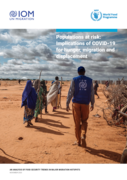
The report – the first of its kind – shows how the pandemic has driven up food insecurity and increased vulnerability among migrants, families reliant on remittances and communities forced from their homes by conflict, violence and disasters.
The two UN agencies warn the social and economic
...
toll of the pandemic could be devastating and call on the world to prevent it by stepping up support in response to immediate and rising humanitarian needs, addressing the socioeconomic impacts of the crisis and ensuring that the most vulnerable are not forgotten.
more
Despite being a curable and preventable disease, tuberculosis (TB) remains as one of the major challenges for health systems, globally. Every year, TB affects more than 10 million people and kills more than 1.4 million people. WHO’s Digital Health for the End TB Strategy – an Agenda for Action o
...
utlines a conceptual framework in which advantageously positioned digital health solutions are matched to the most urgent needs of TB programmes. Video-supported treatment is a component of one of the four core functions of this framework, the Patient Care domain, and primarily supports the first pillar of the End TB Strategy. This quick guide provides information on the solutions available for asynchronous modes of video communication and how these can be of use to TB programmes.
more
The WHO Quality Health Services: a planning guide focuses on actions required at the national, district and facility levels to enhance quality of health services, providing guidance on implementing key activities at each of these three levels. It highlights the need for a health systems approach to
...
enhance quality of care, with a common understanding on the activities needed by all stakeholders. The guide articulates the key actions required to improve the quality of health services for the entire population. It recognizes that the path varies for each country, district and facility – stimulating the reader to consider multiple factors and entry points for action. This planning guide is for staff working at all levels of the health system (i.e. national, district and facility) who have a role in enhancing the quality of health services. It is also relevant to all stakeholders initiating and supporting action at facility, district and/or national levels both in the public and private sectors.
more
Mental health is critical to personal well-being, interpersonal relationships, and successful contributions to society. Mental health conditions consequently impose a high burden not only on individuals, families and society, but also on economies. In Jamaica, mental health conditions are highly pre
...
valent and major contributors to morbidity, disability, and premature mortality.
more