
Filter
2103
Text search:
origin
Featured
176
503
Language
1980
78
70
46
36
34
22
15
9
8
8
8
6
6
6
5
5
5
4
4
4
4
3
3
3
3
3
3
3
3
3
3
2
2
2
2
2
2
2
2
2
2
1
1
1
1
1
1
1
1
1
1
1
1
1
1
1
1
Document type
1087
434
271
116
67
42
34
30
9
6
3
2
1
Countries
82
74
64
45
43
41
40
40
39
38
34
34
33
31
30
29
25
25
24
23
22
21
20
17
17
16
15
15
15
14
13
13
13
13
12
12
11
10
10
10
9
9
9
9
8
8
8
8
8
8
7
7
7
7
6
6
6
6
5
5
5
5
5
5
4
4
4
4
4
4
4
4
4
4
3
3
3
3
3
3
2
2
2
2
2
2
2
2
2
2
2
2
2
1
1
1
1
1
1
1
1
1
1
1
1
1
1
1
1
1
1
1
1
1
1
1
1
1
1
1
1
1
1
1
1
1
Authors & Publishers
238
91
66
44
33
32
25
24
21
20
19
18
17
15
15
15
14
13
13
13
12
10
10
10
10
10
9
9
9
9
8
8
8
8
8
7
7
7
7
7
7
7
6
6
6
6
6
6
6
6
6
6
6
5
5
5
5
5
5
5
5
5
5
5
5
5
4
4
4
4
4
4
4
4
4
4
4
4
4
4
4
4
4
4
4
4
4
4
4
4
3
3
3
3
3
3
3
3
3
3
3
3
3
3
3
3
3
3
3
3
3
3
3
3
3
3
3
3
3
3
3
3
3
3
3
3
3
3
2
2
2
2
2
2
2
2
2
2
2
2
2
2
2
2
2
2
2
2
2
2
2
2
2
2
2
2
2
2
2
2
2
2
2
2
2
2
2
2
2
2
2
2
2
2
2
2
2
2
2
2
2
2
2
2
2
2
2
2
2
2
2
2
2
2
2
2
2
2
2
2
2
2
2
2
2
2
2
2
2
2
2
2
2
2
2
2
2
2
2
2
2
2
2
2
2
2
2
2
2
2
2
2
2
2
2
2
2
2
2
2
2
2
2
2
2
2
2
2
2
2
2
2
1
1
1
1
1
1
1
1
1
1
1
1
1
1
1
1
1
1
1
1
1
1
1
1
1
1
1
1
1
1
1
1
1
1
1
1
1
1
1
1
1
1
1
1
1
1
1
1
1
1
1
1
1
1
1
1
1
1
1
1
1
1
1
1
1
1
1
1
1
1
1
1
1
1
1
1
1
1
1
1
1
1
1
1
1
1
1
1
1
1
1
1
1
1
1
1
1
1
1
1
1
1
1
1
1
1
1
1
1
1
1
1
1
1
1
1
1
1
1
1
1
1
1
1
1
1
1
1
1
1
1
1
1
1
1
1
1
1
1
1
1
1
1
1
1
1
1
1
1
1
1
1
1
1
1
1
1
1
1
1
1
1
1
1
1
1
1
1
1
1
1
1
1
1
1
1
1
1
1
1
1
1
1
1
1
1
1
1
1
1
1
1
1
1
1
1
1
1
1
1
1
1
1
1
1
1
1
1
1
1
1
1
1
1
1
1
1
1
1
1
1
1
1
1
1
1
1
1
1
1
1
1
1
1
1
1
1
1
1
1
1
1
1
1
1
1
1
1
1
1
1
1
1
1
1
1
1
1
1
1
1
1
1
1
1
1
1
1
1
1
1
1
1
1
1
1
1
1
1
1
1
1
1
1
1
1
1
1
1
1
1
1
1
1
1
1
1
1
1
1
1
1
1
1
1
1
1
1
1
1
1
1
1
1
1
1
1
1
1
1
1
1
1
1
1
1
1
1
1
1
1
1
1
1
1
1
1
1
1
1
1
1
1
1
1
1
1
1
1
1
1
1
1
1
1
1
1
1
1
1
1
1
1
1
1
1
1
1
1
1
1
1
1
1
1
1
1
1
1
1
1
1
1
1
1
1
1
1
1
1
1
1
1
1
1
1
1
1
1
1
1
1
1
1
1
1
1
1
1
1
1
1
1
1
1
1
1
1
1
1
1
1
1
1
1
1
1
1
1
1
1
1
1
1
1
1
1
1
1
1
1
1
1
1
1
1
1
1
1
1
1
1
1
1
1
1
1
1
1
1
1
1
1
1
1
1
1
1
1
1
1
1
1
1
1
1
1
1
1
1
1
1
1
1
1
1
1
1
1
1
1
1
1
1
1
1
1
1
1
1
1
1
1
1
1
1
1
1
1
1
1
1
1
1
1
1
1
1
1
1
1
1
1
1
1
1
1
1
1
1
1
1
1
1
1
1
1
1
1
1
1
1
1
1
1
1
1
1
1
1
1
1
1
1
1
1
1
1
1
1
1
1
1
1
1
1
1
1
1
1
1
1
1
1
1
1
1
1
1
1
1
1
1
1
1
1
1
1
1
1
1
1
1
1
1
1
1
1
1
1
1
1
1
1
1
1
1
1
1
1
1
1
1
1
1
1
1
1
1
1
1
1
1
1
1
1
1
1
1
1
1
1
1
1
1
1
1
1
1
1
1
1
1
1
1
1
1
1
1
1
1
1
1
1
1
1
1
1
1
1
1
1
1
1
1
1
1
1
1
1
1
1
1
1
1
1
1
1
1
1
1
1
1
1
1
1
1
1
1
1
1
1
1
1
1
1
1
1
1
1
1
1
1
1
1
1
1
1
1
1
1
1
1
1
1
1
1
1
1
1
1
1
1
1
1
1
1
1
1
1
1
1
1
1
1
1
1
1
1
1
1
1
1
1
1
1
1
1
1
1
1
1
1
1
1
1
1
1
1
1
1
1
1
1
1
1
1
1
1
1
1
1
1
1
1
1
1
1
1
1
1
1
1
1
1
1
1
1
1
1
1
1
1
1
1
1
1
1
1
1
1
1
1
1
1
1
1
1
1
1
1
1
1
1
1
1
1
1
1
1
1
1
1
1
1
1
1
1
1
1
1
1
1
1
1
1
1
1
1
1
1
1
1
1
1
1
1
1
1
1
1
1
1
1
1
1
1
1
1
1
1
1
1
1
1
1
1
1
1
1
1
1
1
1
1
1
1
1
1
1
1
1
1
1
1
1
1
1
1
1
1
1
1
1
1
1
1
1
1
1
1
1
1
1
1
1
1
1
1
1
1
1
1
1
1
1
1
1
1
1
1
1
1
1
1
1
1
1
1
1
1
1
1
1
1
1
1
1
1
1
1
1
1
1
1
1
1
1
1
1
1
1
1
1
1
1
1
1
1
1
1
1
1
1
1
1
1
1
1
1
1
1
1
1
1
1
1
1
1
1
1
1
1
1
1
1
1
1
1
1
1
1
1
1
1
1
1
1
1
1
1
1
1
1
1
1
1
1
1
1
1
1
1
1
1
1
1
1
1
1
1
1
1
1
1
1
1
1
1
1
1
1
1
1
1
1
1
1
1
1
1
1
1
1
1
1
1
1
1
1
1
1
1
1
1
1
1
1
1
1
1
1
1
1
1
1
1
1
1
1
1
1
1
1
1
1
1
1
1
1
1
1
1
1
1
1
1
1
1
1
1
1
1
1
1
1
1
1
1
1
1
1
1
1
1
1
1
1
1
1
1
1
1
1
1
1
1
1
1
1
1
1
1
1
1
1
1
1
1
1
1
1
1
1
1
1
1
1
1
1
1
1
1
1
1
1
1
1
1
1
1
1
1
1
1
1
1
1
1
1
1
1
1
1
1
1
1
1
1
1
1
1
1
1
1
1
1
1
1
1
1
1
1
1
1
1
1
1
1
1
1
1
1
1
1
1
1
1
1
1
1
1
1
1
1
1
1
1
1
1
1
1
1
1
1
1
1
1
1
1
1
1
1
1
1
1
1
1
1
1
1
1
1
1
1
1
1
1
1
1
1
1
1
1
1
1
1
1
1
1
1
1
1
1
1
1
1
1
1
1
1
1
1
1
1
1
1
1
1
1
1
1
1
1
1
1
1
1
1
1
1
1
1
1
1
1
1
1
1
1
1
1
1
1
1
1
1
1
1
1
1
1
1
1
1
1
1
1
1
1
1
1
1
1
1
1
1
1
1
1
1
1
1
1
1
1
1
1
1
1
1
1
1
1
1
1
1
1
1
1
1
1
1
1
1
1
1
1
1
1
1
1
1
1
1
1
1
1
1
1
1
1
1
1
1
1
1
1
1
1
1
1
1
1
1
1
1
1
1
1
1
1
1
1
1
1
1
1
1
1
1
1
1
1
1
1
1
1
1
1
1
1
1
1
1
1
1
1
1
1
1
1
1
1
1
1
1
1
1
1
1
1
1
1
1
1
1
1
1
1
1
1
1
1
1
1
1
1
1
1
1
1
1
1
1
1
1
1
1
1
1
1
1
1
1
1
1
1
1
1
1
1
1
1
1
1
1
1
1
1
1
1
1
1
1
1
1
1
1
1
1
1
1
1
1
1
1
1
1
1
1
1
1
1
1
1
1
1
1
1
1
1
1
1
1
1
1
1
1
1
1
1
1
1
1
1
1
1
1
1
1
1
1
1
1
1
1
1
1
1
1
1
1
1
1
1
1
1
1
1
1
1
1
1
1
1
1
1
1
1
1
1
1
1
1
1
1
1
1
1
1
1
1
1
1
1
1
1
1
1
1
1
1
1
1
1
1
1
1
1
1
1
1
1
1
1
1
1
1
1
1
1
1
1
1
1
1
1
1
1
1
1
1
1
1
1
1
1
1
1
1
1
1
1
1
1
1
1
1
1
1
1
1
1
1
1
1
1
1
1
1
1
1
1
1
1
1
1
1
1
1
1
1
1
1
1
1
1
1
1
1
1
1
1
1
1
1
1
1
1
1
1
1
1
1
1
1
1
1
1
1
1
1
1
1
1
1
1
1
1
1
1
1
1
1
1
1
1
1
1
1
1
1
1
1
1
1
1
1
1
1
1
1
1
1
1
1
1
1
1
1
1
1
1
1
1
1
1
1
1
1
1
1
1
1
1
1
1
1
1
1
1
1
1
1
1
1
1
1
1
1
Publication Years
1
619
1216
244
19
1
1
2
Category
662
132
96
93
90
30
21
3
1
1
Toolboxes
192
174
156
108
101
101
85
81
75
74
72
56
52
33
32
31
31
24
23
17
13
11
10
2
2
1
3rd edition. In 2001, Uganda adapted the Integrated Disease Surveillance and Response (IDSR) developed by World Health Organization (WHO) for member states in African region. The Ministry of Health has been implementing the IDSR strategy since then with success across the country. This strategy prov
...
ides the opportunity for rational use of resources and maximises investments in health surveillance systems. The 3rd edition IDSR guidelines incorporates lessons learnt from previous
epidemics, new frameworks like the Global Health Security Agenda (GHSA), One Health, Disaster Risk Management (DRM), the WHO regional strategy for health security and emergencies, and the rising non-communicable diseases, and aims to strengthen implementation of IHR (2005) core surveillance and response capacities. These guidelines have been adapted to reflect national priorities, policies and public health structures; and shall be used in conjunction with other similar
guidelines/strategies or initiatives.
Overall, the 3rd edition technical guidelines will incorporate the following:
• Strengthening Indicator Based Surveillance
• Strengthening Event Based Surveillance
• Improving community-based disease surveillance
• Improving Cross Border Surveillance and response
• Scaling up e-IDSR implementation
• Improving reporting and information sharing platforms
• Improved data sharing across sectors
• Tailoring IDSR to Emergency or Disaster contexts
The 3rd edition guidelines are intended for use as:
• A general reference for surveillance activities across all levels
• A set of definitions for thresholds that trigger some action for response
• A stand-alone reference for level-specific guidelines on surveillance and response
• A resource for developing training, supervision and evaluation of surveillance activities
• A guide for improving early detection and preparedness for outbreak response.
more
(Synthesis Report 2021) [EN] - World Analysis on World about Agriculture, Climate Change and Environment, Drought, Flood and more; published on 09 Dec 2021 by FAO
This Global Competency Standards sets the benchmark for the health workforce in providing equality of care to refugees and migrants. Refugee and migrant populations are highly diverse, with significant variation in life experiences, health needs and access to health care. The standards described out
...
line expected behaviours of health workers in delivering quality care to refugees and migrants and can be used to inform the outcomes of education programmes aligned with standards for care. The Competency Standards is designed to provide a foundation to support the development of competency-based curricula tailored to the local context and for health workers to achieve a minimum level of competence. The importance of person-centred, culturally responsive care is emphasized in the nine competency standards, which recognize the need for health workers to be trained, supported and empowered within strong health systems
more
The Knowledge Guide provides guidance on how health workers can apply the Standards to their own practice. For each of the nine competencies and their specific behaviours in the Standards, the Knowledge Guide examines in detail how a health worker's knowledge, skills and attitudes can reach the stat
...
ed benchmark for providing people-centred health services to refugees and migrants. The Knowledge Guide also details the learning outcomes that reflect the behaviours that a health worker will demonstrate once they have achieved the Competency Standards.
The Knowledge Guide is designed for educators and health workers to assist in designing or integrating learning content to enable attainment of the identified knowledge, skills and attitudes.
more
New funding requirements: CHF 2.8 billion IFRC-wide of which CHF 670 million is channelled through the IFRC Emergency Appeal in support of National Societies
Journal of Social Work in Developing Societies 13
Vol. 2(1): 13-25 , June 2020
Das Recht auf eine unverzügliche Geburtenregistrierung nach der UN-Kinderrechtskonvention und seine Durchsetzung
tep 1 Competencies have been designed to provide staff with the core skills required to care for a critically ill patient safely, whilst under supervision. It is expected that Step 1 competencies will be completed prior to commencing an academic critical care programme.
Steps 2 & 3 Competencies hav
...
e been designed to further develop your essential critical care skills and will require enhanced theoretical knowledge to underpin your practice. It is anticipated that Steps 2 & 3 competencies will be undertaken whilst undertaking an academic critical care programme.
Step 4 Competencies have been designed to provide staff with the core skills required to take charge in a critical care unit; building management and leadership capability into your professional development, to demonstrate safe and effective coordination and prioritisation of unit workload, workforce and resources.
You can downlaod any of the Steps Competency Documents from this link
more
What are patient navigators and how can they improve integration of care?
Budde, H.; G.A.Williams, G. Scarpetti, et al.
World Health Organization WHO, Regional Office of Europe
(2021)
C_WHO
Policy brief
Herd immunity by mass vaccination offers the potential to substantially limit the continuing spread of COVID-19, but high levels of vaccine hesitancy threaten this goal. In a cross-country analysis of vaccine hesitant respondents across Latin America in January 2021, we experimentally tested how fiv
...
e features of mass vaccination campaigns—the vaccine’s producer, efficacy, endorser, distributor, and current population uptake rate—shifted willingness to take a COVID-19 vaccine. We find that citizens preferred Western-produced vaccines, but were highly influenced by factual information about vaccine efficacy. Vaccine hesitant individuals were more responsive to vaccine messengers with medical expertise than political, religious, or media elite endorsements. Citizen trust in foreign governments, domestic leaders, and state institutions moderated the effects of the campaign features on vaccine acceptance. These findings can help inform the design of unfolding mass inoculation campaigns.
more
The unparalleled action needed to combat unprecedented inequality in the wake of COVID-19.
New billionaire minted every 26 hours, as inequality contributes to the death of one person every four seconds
Available in English, French, Spanish and Arabic https://www.oxfam.org/en/research/inequality-ki
...
lls
more

Available in English, French, Spanish and Russian from the website https://apps.who.int/iris/handle/10665/344562
History has shown that governments tend to deprioritize environmental commitments during times of financial and public crises as they work to mitigate immediate needs—and the age of COVID-19 has been no different. Even though human interaction with wildlife is believed to be the cause of the pande
...
mic, the focus on COVID’s fallout has deprioritized the importance of reversing the damage humans have done to the planet.
COVID has had a multifaceted and detrimental effect on environmental conservation. Not only has funding been diverted to deal with the pandemic, conservation-oriented organizations are operating with minimal staff or have closed entirely. People whose daily work it is to advance environmental science and protect the land and water have become ill or have been forced to stay home because of travel restrictions. Plastic use is at an all-time high.
The good news is that there is an unprecedented opportunity for philanthropy to recharge the effort to protect the planet. This Giving Smarter Guide examines the state of environmental philanthropy, and provides an overview of potential strategic starting points for philanthropy and impact capital to play a role in saving the planet. In addition to offering recommendations specific to the COVID-19 response, the Center for Strategic Philanthropy also asks the questions that philanthropists should consider at the start of their journey into the field of conservation philanthropy.
more
Über SARS-CoV-2-Testsysteme informieren das Bundesinstitut für Arzneimittel und Medizinprodukte (BfArM) und das Paul-Ehrlich-Institut. Die Informationen ergänzen sich, den rechtlichen Rahmen bietet u.a. die Coronavirus-Testverordnung-TestV.
Das BfArM bietet eine Liste von Antigen-Tests zum dir
...
ekten Erregernachweis des Coronavirus SARS-CoV-2 an. In dieser Liste befinden sich diejenigen Tests, die sich laut Herstellerangaben gemäß den Vorgaben des Medizinproduktegesetzes (MPG) rechtmäßig in Europa bzw. Deutschland in Verkehr befinden und alle vom Paul-Ehrlich-Institut in Abstimmung mit dem Robert Koch-Institut (RKI) festgelegten Mindestkriterien für Antigen-Tests erfüllen.
more
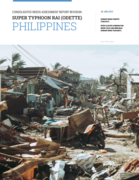
Eight years after Super Typhoon Haiyan, the most destructive storm to ever hit the Philippines, Super Typhoon Rai brought similar torrential rains, violent winds, mudslides, floods and storm surges to central parts of the Philippines, leaving a wide path of destruction and debris in its wake. While
...
not as powerful as Haiyan in terms of wind strength, evidence shows that Rai damaged houses, infrastructure and livelihoods on a comparable scale or in even greater numbers. Most striking, Rai damaged 1.57 million homes, 500,000 more than Haiyan, across 11 of the Philippines 17 regions, with around 180,000-200,000 people still displaced – either still in evacuation centers or staying with friends, family or other temporary housing.
more

Training Manual and Reference Guide
