
Filter
2119
Text search:
equal
opportunities
Featured
162
537
Language
2070
50
40
30
28
13
11
6
6
5
5
4
4
3
3
3
3
3
3
3
2
2
2
2
2
2
1
1
1
1
1
1
1
1
1
1
1
1
1
1
1
1
1
1
1
1
Document type
1436
310
151
84
68
33
16
8
6
3
2
1
1
Countries
100
64
55
54
53
50
49
48
45
36
35
34
32
29
26
26
24
24
24
23
22
21
21
21
20
20
18
18
16
16
15
15
14
12
11
11
11
11
10
9
9
7
7
7
6
6
6
6
6
6
6
5
5
5
5
5
4
4
4
4
4
4
4
4
4
4
4
3
3
3
3
3
3
3
3
3
2
2
2
2
2
2
2
2
2
2
2
2
2
2
2
2
2
2
2
1
1
1
1
1
1
1
1
1
1
1
1
1
1
1
1
1
1
1
1
1
Authors & Publishers
145
97
86
58
54
53
40
34
24
24
22
19
16
14
14
12
12
12
10
10
10
10
10
10
9
9
9
9
9
9
8
8
8
8
8
7
7
7
6
6
6
6
6
6
6
5
5
5
5
5
5
5
5
5
5
5
5
5
5
4
4
4
4
4
4
4
4
4
4
4
4
4
4
4
4
4
4
4
4
4
4
4
4
4
4
4
4
4
3
3
3
3
3
3
3
3
3
3
3
3
3
3
3
3
3
3
3
3
3
3
3
3
3
3
3
3
3
3
3
3
3
3
3
3
3
3
3
3
3
3
3
3
3
3
3
3
3
3
3
2
2
2
2
2
2
2
2
2
2
2
2
2
2
2
2
2
2
2
2
2
2
2
2
2
2
2
2
2
2
2
2
2
2
2
2
2
2
2
2
2
2
2
2
2
2
2
2
2
2
2
2
2
2
2
2
2
2
2
2
2
2
2
2
2
2
2
2
2
2
2
2
2
2
2
2
2
2
2
2
2
2
2
2
2
2
2
2
2
2
2
2
2
2
2
2
2
2
2
2
2
2
2
2
2
2
2
2
2
2
2
2
2
2
2
2
2
2
2
2
2
2
2
2
2
2
2
2
2
2
2
2
2
2
2
2
2
2
2
2
2
2
2
2
2
2
2
2
2
2
2
2
2
2
2
2
2
2
2
2
2
1
1
1
1
1
1
1
1
1
1
1
1
1
1
1
1
1
1
1
1
1
1
1
1
1
1
1
1
1
1
1
1
1
1
1
1
1
1
1
1
1
1
1
1
1
1
1
1
1
1
1
1
1
1
1
1
1
1
1
1
1
1
1
1
1
1
1
1
1
1
1
1
1
1
1
1
1
1
1
1
1
1
1
1
1
1
1
1
1
1
1
1
1
1
1
1
1
1
1
1
1
1
1
1
1
1
1
1
1
1
1
1
1
1
1
1
1
1
1
1
1
1
1
1
1
1
1
1
1
1
1
1
1
1
1
1
1
1
1
1
1
1
1
1
1
1
1
1
1
1
1
1
1
1
1
1
1
1
1
1
1
1
1
1
1
1
1
1
1
1
1
1
1
1
1
1
1
1
1
1
1
1
1
1
1
1
1
1
1
1
1
1
1
1
1
1
1
1
1
1
1
1
1
1
1
1
1
1
1
1
1
1
1
1
1
1
1
1
1
1
1
1
1
1
1
1
1
1
1
1
1
1
1
1
1
1
1
1
1
1
1
1
1
1
1
1
1
1
1
1
1
1
1
1
1
1
1
1
1
1
1
1
1
1
1
1
1
1
1
1
1
1
1
1
1
1
1
1
1
1
1
1
1
1
1
1
1
1
1
1
1
1
1
1
1
1
1
1
1
1
1
1
1
1
1
1
1
1
1
1
1
1
1
1
1
1
1
1
1
1
1
1
1
1
1
1
1
1
1
1
1
1
1
1
1
1
1
1
1
1
1
1
1
1
1
1
1
1
1
1
1
1
1
1
1
1
1
1
1
1
1
1
1
1
1
1
1
1
1
1
1
1
1
1
1
1
1
1
1
1
1
1
1
1
1
1
1
1
1
1
1
1
1
1
1
1
1
1
1
1
1
1
1
1
1
1
1
1
1
1
1
1
1
1
1
1
1
1
1
1
1
1
1
1
1
1
1
1
1
1
1
1
1
1
1
1
1
1
1
1
1
1
1
1
1
1
1
1
1
1
1
1
1
1
1
1
1
1
1
1
1
1
1
1
1
1
1
1
1
1
1
1
1
1
1
1
1
1
1
1
1
1
1
1
1
1
1
1
1
1
1
1
1
1
1
1
1
1
1
1
1
1
1
1
1
1
1
1
1
1
1
1
1
1
1
1
1
1
1
1
1
1
1
1
1
1
1
1
1
1
1
1
1
1
1
1
1
1
1
1
1
1
1
1
1
1
1
1
1
1
1
1
1
1
1
1
1
1
1
1
1
1
1
1
1
1
1
1
1
1
1
1
1
1
1
1
1
1
1
1
1
1
1
1
1
1
1
1
1
1
1
1
1
1
1
1
1
1
1
1
1
1
1
1
1
1
1
1
1
1
1
1
1
1
1
1
1
1
1
1
1
1
1
1
1
1
1
1
1
1
1
1
1
1
1
1
1
1
1
1
1
1
1
1
1
1
1
1
1
1
1
1
1
1
1
1
1
1
1
1
1
1
1
1
1
1
1
1
1
1
1
1
1
1
1
1
1
1
1
1
1
1
1
1
1
1
1
1
1
1
1
1
1
1
1
1
1
1
1
1
1
1
1
1
1
1
1
1
1
1
1
1
1
1
1
1
1
1
1
1
1
1
1
1
1
1
1
1
1
1
1
1
1
1
1
1
1
1
1
1
1
1
1
1
1
1
1
1
1
1
1
1
1
1
1
1
1
1
1
1
1
1
1
1
1
1
1
1
1
1
1
1
1
1
1
1
1
1
1
1
1
1
1
1
1
1
1
1
1
1
1
1
1
1
1
1
1
1
1
1
1
1
1
1
1
1
1
1
1
1
1
1
1
1
1
1
1
1
1
1
1
1
1
1
1
1
1
1
1
1
1
1
1
1
1
1
1
1
1
1
1
1
1
1
1
1
1
1
1
1
1
1
1
1
1
1
1
1
1
1
1
1
1
1
1
1
1
1
1
1
1
1
1
1
1
1
1
1
1
1
1
1
1
1
1
1
1
1
1
1
1
1
1
1
1
1
1
1
1
1
1
1
1
1
1
1
1
1
1
1
1
1
1
1
1
1
1
1
1
1
1
1
1
1
1
1
1
1
1
1
1
1
1
1
1
1
1
1
1
1
1
1
1
1
1
1
1
1
1
1
1
1
1
1
1
1
1
1
1
1
1
1
1
1
1
1
1
1
1
1
1
1
1
1
1
1
1
1
1
1
1
1
1
1
1
1
1
1
1
1
1
1
1
1
1
1
1
1
1
1
1
1
1
1
1
1
1
1
1
1
1
1
1
1
1
1
1
1
1
1
1
1
1
1
1
1
1
1
1
1
1
1
1
1
1
1
1
1
1
1
1
1
1
1
1
1
1
1
1
1
1
1
1
1
1
1
1
1
1
1
1
1
1
1
1
1
1
1
1
1
1
1
1
1
1
1
1
1
1
1
1
1
1
1
1
1
1
1
1
1
1
1
1
1
1
1
1
1
1
1
1
1
1
1
1
1
1
1
1
1
1
1
1
1
1
1
1
1
1
1
1
1
1
1
1
1
1
1
1
1
1
1
1
1
1
1
1
1
1
1
1
1
1
1
1
1
1
1
1
1
1
1
1
1
1
1
1
1
1
1
1
1
1
1
1
1
1
1
1
1
1
1
1
1
1
1
1
1
1
1
1
1
1
1
1
1
1
1
1
1
1
1
1
1
1
1
1
1
1
1
1
1
1
1
1
1
1
1
1
1
1
1
1
1
1
1
1
1
1
1
1
1
1
1
1
1
1
1
1
1
1
1
1
1
1
1
1
1
1
1
1
1
1
1
1
1
1
1
1
1
1
1
1
1
1
1
1
1
1
1
1
1
1
1
1
1
1
1
1
1
1
1
1
1
1
1
1
1
1
1
1
1
1
1
1
1
1
1
1
1
1
1
1
1
1
1
1
1
1
1
1
1
1
1
1
1
1
1
1
1
1
1
1
1
1
1
1
1
1
1
1
1
1
1
1
1
1
1
1
1
1
1
1
1
1
1
1
1
1
1
1
1
1
1
1
1
1
1
1
1
1
1
1
1
1
1
1
1
1
1
1
1
1
1
1
1
1
1
1
1
1
1
1
1
1
1
1
1
1
1
1
1
1
1
1
1
1
1
1
1
1
1
1
1
1
1
1
1
1
1
1
1
1
1
1
1
1
1
1
1
1
1
1
1
1
1
1
1
1
1
1
1
1
1
1
1
1
1
1
1
1
1
1
1
1
1
1
1
1
1
1
1
1
1
1
1
1
1
1
1
1
1
1
1
1
1
1
1
1
1
1
1
1
1
1
1
1
1
1
1
1
1
1
1
1
1
1
1
1
1
1
1
1
1
1
1
1
1
1
1
1
1
1
1
1
1
1
1
1
1
1
1
1
1
1
1
1
1
1
1
1
1
1
1
1
1
1
1
1
1
1
1
1
1
1
1
1
1
1
1
1
1
1
1
1
1
1
1
1
1
1
1
1
1
1
1
1
1
1
1
1
1
1
1
1
1
1
1
1
1
1
1
1
1
1
1
1
1
1
1
1
1
1
1
1
1
1
1
1
1
1
1
1
1
1
1
1
1
1
1
1
1
1
1
1
1
1
1
1
1
1
1
1
1
1
1
1
1
1
1
1
1
1
1
1
1
1
1
1
1
1
1
1
1
1
1
1
1
1
1
1
1
1
1
1
1
1
1
1
1
1
1
1
1
1
1
1
1
1
1
1
1
1
1
1
1
1
1
1
1
1
1
1
1
1
1
1
1
1
1
1
1
1
1
1
1
1
1
1
1
1
1
1
1
1
1
1
1
1
1
1
1
1
1
1
1
1
1
1
1
1
1
1
1
1
1
1
1
1
1
1
1
1
1
1
1
1
1
1
1
1
1
1
1
1
1
1
1
1
1
1
1
1
1
1
1
1
1
1
1
1
1
1
1
1
1
1
1
1
1
1
1
1
1
1
1
1
1
1
1
1
1
1
1
1
1
1
1
1
1
1
1
1
1
1
1
1
1
1
1
1
1
1
1
1
1
1
1
1
1
1
1
1
1
1
1
1
1
Publication Years
1
416
1459
231
9
2
1
Category
757
143
115
81
78
47
4
2
Toolboxes
322
187
185
94
81
69
59
59
53
42
38
20
19
17
17
15
14
13
13
8
5
4
2
1
1
1
As the COVID-19 pandemic continues to threaten health and food systems around the world, the 2020 Global Nutrition Report calls on governments, businesses and civil society to step up efforts to address malnutrition in all its forms.
This brief considers the rationale for shielding individuals at high risk of severe disease or death from COVID-19 in low- and middleincome countries. It provides an overview of proposed approaches to shielding, discusses the categories of individuals who may be identified for shielding, and outline
...
s the likely difficulties of these measures and ways to mitigate them.
more

COVID-19 has turned the world upside down. Everything has been impacted. How we live and interact with each other, how we work and communicate, how we move around and travel. Every aspect of our lives has been affected.

Afghanistan has one of the largest populations per capita of persons with disabilities in the world. At least one in five Afghan households includes an adult or child with a serious physical, sensory, intellectual, or psychosocial disability. More than 40 years of war have left more than one million
...
Afghans with amputated limbs and other mobility, visual, or hearing disabilities. Many Afghans have psychosocial disabilities (mental health conditions) such as depression, anxiety, and post-traumatic stress, which are often a direct result of the protracted conflict. Other Afghans have pre-existing disabilities not directly related to the conflict, such as those caused by polio.
more
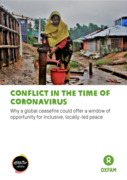
The equation is simple: we cannot effectively respond to a global pandemic when millions of people are still caught in warzones. We cannot treat sick people when hospitals are being bombed, or prevent the spread of coronavirus when tens of millions are forced to flee from violence. We must have a gl
...
obal ceasefire, and we must put our collective resources behind making that ceasefire a reality.
more
The global COVID-19 pandemic has led to unprecedented levels of disruption to education, impacting over 90% of the world’s student population: 1.54 billion children, including 743 million girls. School closures and the wider socio-economic impacts of COVID-19 on communities and society also disrup
...
t children’s and young people’s normal support systems, leaving them more vulnerable to illnesses and child protection risks such as physical and humiliating punishment, sexual and gender-based violence, child marriage, child labour, child trafficking and recruitment and use in armed conflict. Girls and other marginalised groups, particularly those in displaced settings, are particularly affected.
more
The Activity Catalogue for Child Friendly Spaces in Humanitarian Settings
Psychosocial Centre - International Federation of Red Cross and Red Crescent Societies
World Vision
(2018)
CC
The Toolkit for Child Friendly Spaces in Humanitarian Settings was developed by
the International Federation of the Red Cross and Red Crescent Societies Reference
Centre for Psychosocial Support and World Vision International. The toolkit provides
a set of materials to assist managers and facilit
...
ators/animators in setting up and
implementing quality Child Friendly Spaces (CFS). These resources have at their core
the protection of children from harm; the promotion of psychosocial well-being; and
the engagement of community and caregiver capacities. The CFS Toolkit includes:
• Activity Catalogue for Child Friendly Spaces in Humanitarian Settings
• Operational Guidance for Child Friendly Spaces in Humanitarian Settings
• Training for Implementers of Child Friendly Spaces in Humanitarian Settings.
more
This guide is designed to assist UNICEF staff and partners, in establishing and
operating Child Friendly Spaces (CFS) in an emergency. It attempts to provide
readers with the main principles of a CFS and the processes on how to establish
one.
The overall aim is to improve the standards and capac
...
ity of field staff, by providing
the required knowledge to support the design and operations of child friendly
spaces.
It will facilitate an understanding of how to develop a CFS in contexts in which
children’s well-being are threatened or damaged as a result of conflict or natural
disasters. More specifically, this guide attempts to broaden and strengthen the
knowledge, skills and attitudes of protection officers/field staff so that they are able
to respond to the multi-faceted needs of children.
more
Today, more children than ever before are displaced within their own countries. Their harrowing stories of displacement are unfolding every day, and with increasing frequency. At the end of 2019, approximately 45.7 million people were internally displaced by conflict and violence (Fig. 1.1). Nearly
...
half – 19 million – were estimated to be children. And millions more are displaced every year by natural disasters.
more

This report addresses the future of basic education, ICT use in deprived locations, and the use of ICTs in primary school learning in 2020 and 2025, especially in deprived contexts. It draws on research evidence from the literature, the authors’ experiences of ICT use in education initiatives, int
...
erviews with practitioners and academics, a workshop, and consultations with Save the Children staff from many different countries, mostly conducted in August 2017
more
Strategic Advice

The COVID-19 pandemic is having far reaching impacts, well beyond the health crisis and needs, with the most severe impacts experienced in the poorest countries and those most vulnerable to humanitarian crises including natural disasters, such as Nepal.

The United Nations Network on Migration is committed to supporting all partners in pursuit of the implementation of the Global Compact for Safe, Orderly and Regular Migration, recognizing that this cooperative framework provides an invaluable tool for ensuring inclusive, collective responses to COVI
...
D-19 and its impact.
To that end, this briefing is part of a series by the Network looking at different aspects of the COVID-19 pandemic and how they relate to migrants and their communities. The document provides practical guidance to States and other stakeholders for an improved common understanding of safe and inclusive access to services for migrants. The brief makes the case for enhanced access to services for migrants in the context of COVID-19 preparedness, prevention, and response – and beyond.
more

The report underscores that sexual and reproductive health and rights are often the first to be sacrificed during epidemics and that the gains of the past decade must be protected. The report also makes it clear that scarce resources must be focused on the most marginalized women and girls, includin
...
g sex workers, gender diverse people, women in prison and migrants and others without proof of employment or residence.
more

This document summarizes preparedness and response activities to address the coronavirus disease (COVID-19) outbreak in South Sudan through the end of 2020. The addendum includes the activities and financial requirements of the updated National COVID-19 Response Plan. Originally issued in March prio
...
r to identification of the first person confirmed with COVID-19 in South Sudan and with a focus on preparedness, the updated plan encompasses a significantly scaled-up national response.
more

As this report shows,
reports of child abuse and of children
witnessing violence between their
parents and caregivers have increased.
Ending violence against children is
increasingly within our reach. D
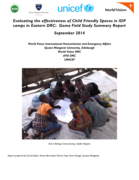
Child Friendly Spaces (CFSs) are used by humanitarian agencies as a means to promote protection and psychosocial wellbeing for children in emergency settings. World Vision International together with Columbia University is conducting a series of studies to investigate the effectiveness of CFSs in va
...
rious humanitarian contexts in order to document evidence of the positive effects they have in relation to child wellbeing and protection, to identify good practice in their design and implementation and to develop improved monitoring and evaluation approaches for CFSs. The case studies have so far all been focused on refugee settings and while internally displaced populations (IDPs) share many of the circumstances and challenges of refugees it was decided that CFSs operating in IDP settings warrant a particular investigation in order to assess their relevance and effectiveness in promoting child protection and psychosocial wellbeing. This report thus presents the findings from an IDP focused study on CFS effectiveness in three camps near Goma, eastern Democratic Republic of Congo (DRC).
more
Recognizing the extent to which the COVID-19 outbreaks affects women and men differently is hugely important. Some preliminary data suggested that more men than women are dying, potentially due to sex-based immunological differences, higher rates of cardiovascular disease for men and lifestyle choic
...
es, such as smoking. However, the experiences and lessons learned from the Zika and Ebola outbreaks and the HIV pandemic demonstrate that robust gender analysis and informed, gender-integrated response are vital to strengthen the access and acceptability of the humanitarian services needed to meet the distinct needs of women and girls, as well as men and boy and LGBTI people.
more

7 June 2020 Version 1
Women in Myanmar have traditionally been underrepresented in public decision-making processes, a trend which is continuing in structures established to respond to COVID-19. This means that even as women are disproportionately affected by the crisis, they have less say in how t
...
heir communities and country respond to it, increasing the risk of a COVID-19 response that does not adequately address the needs and priorities of the most vulnerable women and girls.
more
The progressive development of peoples is an object of deep interest and concern to the Church. This is particularly true in the case of those peoples who are trying to escape the ravages of hunger, poverty, endemic disease and ignorance; of those who are seeking a larger share in the benefits of ci
...
vilization and a more active improvement of their human qualities; of those who are consciously striving for fuller growth.
more
