
Filter
3896
Text search:
intervention
policies
Featured
319
1161
Language
3713
148
71
52
35
23
19
13
6
5
5
5
5
4
3
3
3
3
3
3
3
2
2
2
2
2
2
2
2
2
2
2
2
2
2
1
1
1
1
1
1
1
1
1
1
1
1
1
1
1
1
1
1
1
1
1
1
Document type
2404
614
411
177
170
44
42
13
8
6
4
1
Countries
152
140
132
95
90
82
81
79
74
72
68
65
62
61
60
57
57
54
53
48
43
42
33
32
29
29
28
27
27
26
25
23
23
23
22
22
20
17
17
16
16
15
15
14
14
14
13
12
12
12
10
10
9
9
8
8
8
7
7
7
6
6
6
6
5
5
5
5
4
4
4
4
4
4
4
4
4
3
3
3
3
3
3
3
3
3
2
2
2
2
2
2
2
2
2
2
2
2
2
2
1
1
1
1
1
1
1
1
1
1
1
1
1
1
1
1
1
1
1
1
1
1
1
1
1
Authors & Publishers
465
202
175
145
123
90
86
63
57
27
27
25
25
25
22
20
20
19
18
17
16
16
16
15
15
15
15
14
14
14
14
13
12
12
12
12
11
11
11
10
10
9
9
9
9
8
8
8
8
8
8
8
7
7
7
7
7
7
7
7
7
7
7
7
7
7
7
7
6
6
6
6
6
6
6
6
6
6
6
6
6
6
6
6
6
6
6
6
6
6
6
6
6
5
5
5
5
5
5
5
5
5
5
5
5
5
5
5
5
5
5
5
5
5
5
5
4
4
4
4
4
4
4
4
4
4
4
4
4
4
4
4
4
4
4
4
4
4
4
4
4
4
4
4
4
4
4
4
4
4
4
4
4
4
4
4
4
4
4
4
4
4
4
4
3
3
3
3
3
3
3
3
3
3
3
3
3
3
3
3
3
3
3
3
3
3
3
3
3
3
3
3
3
3
3
3
3
3
3
3
3
3
3
3
3
3
3
3
3
3
3
3
3
3
3
3
3
3
3
3
3
3
3
3
3
3
3
3
3
3
3
3
3
3
3
3
3
3
3
3
3
3
3
3
2
2
2
2
2
2
2
2
2
2
2
2
2
2
2
2
2
2
2
2
2
2
2
2
2
2
2
2
2
2
2
2
2
2
2
2
2
2
2
2
2
2
2
2
2
2
2
2
2
2
2
2
2
2
2
2
2
2
2
2
2
2
2
2
2
2
2
2
2
2
2
2
2
2
2
2
2
2
2
2
2
2
2
2
2
2
2
2
2
2
2
2
2
2
2
2
2
2
2
2
2
2
2
2
2
2
2
2
2
2
2
2
2
2
2
2
2
2
2
2
2
2
2
2
2
2
2
2
2
2
2
2
2
2
2
2
2
2
2
2
2
2
2
2
2
2
2
2
2
2
2
2
2
2
2
2
2
2
2
2
2
2
2
2
2
2
2
2
2
2
2
2
2
2
2
2
2
2
2
2
2
2
2
2
2
2
2
2
2
2
2
2
2
2
2
2
2
2
2
2
2
2
2
2
2
2
2
2
2
2
2
2
2
2
2
2
2
2
2
2
2
2
2
2
2
2
2
2
2
2
2
2
2
2
2
2
2
2
2
2
2
2
2
2
2
2
2
2
2
2
1
1
1
1
1
1
1
1
1
1
1
1
1
1
1
1
1
1
1
1
1
1
1
1
1
1
1
1
1
1
1
1
1
1
1
1
1
1
1
1
1
1
1
1
1
1
1
1
1
1
1
1
1
1
1
1
1
1
1
1
1
1
1
1
1
1
1
1
1
1
1
1
1
1
1
1
1
1
1
1
1
1
1
1
1
1
1
1
1
1
1
1
1
1
1
1
1
1
1
1
1
1
1
1
1
1
1
1
1
1
1
1
1
1
1
1
1
1
1
1
1
1
1
1
1
1
1
1
1
1
1
1
1
1
1
1
1
1
1
1
1
1
1
1
1
1
1
1
1
1
1
1
1
1
1
1
1
1
1
1
1
1
1
1
1
1
1
1
1
1
1
1
1
1
1
1
1
1
1
1
1
1
1
1
1
1
1
1
1
1
1
1
1
1
1
1
1
1
1
1
1
1
1
1
1
1
1
1
1
1
1
1
1
1
1
1
1
1
1
1
1
1
1
1
1
1
1
1
1
1
1
1
1
1
1
1
1
1
1
1
1
1
1
1
1
1
1
1
1
1
1
1
1
1
1
1
1
1
1
1
1
1
1
1
1
1
1
1
1
1
1
1
1
1
1
1
1
1
1
1
1
1
1
1
1
1
1
1
1
1
1
1
1
1
1
1
1
1
1
1
1
1
1
1
1
1
1
1
1
1
1
1
1
1
1
1
1
1
1
1
1
1
1
1
1
1
1
1
1
1
1
1
1
1
1
1
1
1
1
1
1
1
1
1
1
1
1
1
1
1
1
1
1
1
1
1
1
1
1
1
1
1
1
1
1
1
1
1
1
1
1
1
1
1
1
1
1
1
1
1
1
1
1
1
1
1
1
1
1
1
1
1
1
1
1
1
1
1
1
1
1
1
1
1
1
1
1
1
1
1
1
1
1
1
1
1
1
1
1
1
1
1
1
1
1
1
1
1
1
1
1
1
1
1
1
1
1
1
1
1
1
1
1
1
1
1
1
1
1
1
1
1
1
1
1
1
1
1
1
1
1
1
1
1
1
1
1
1
1
1
1
1
1
1
1
1
1
1
1
1
1
1
1
1
1
1
1
1
1
1
1
1
1
1
1
1
1
1
1
1
1
1
1
1
1
1
1
1
1
1
1
1
1
1
1
1
1
1
1
1
1
1
1
1
1
1
1
1
1
1
1
1
1
1
1
1
1
1
1
1
1
1
1
1
1
1
1
1
1
1
1
1
1
1
1
1
1
1
1
1
1
1
1
1
1
1
1
1
1
1
1
1
1
1
1
1
1
1
1
1
1
1
1
1
1
1
1
1
1
1
1
1
1
1
1
1
1
1
1
1
1
1
1
1
1
1
1
1
1
1
1
1
1
1
1
1
1
1
1
1
1
1
1
1
1
1
1
1
1
1
1
1
1
1
1
1
1
1
1
1
1
1
1
1
1
1
1
1
1
1
1
1
1
1
1
1
1
1
1
1
1
1
1
1
1
1
1
1
1
1
1
1
1
1
1
1
1
1
1
1
1
1
1
1
1
1
1
1
1
1
1
1
1
1
1
1
1
1
1
1
1
1
1
1
1
1
1
1
1
1
1
1
1
1
1
1
1
1
1
1
1
1
1
1
1
1
1
1
1
1
1
1
1
1
1
1
1
1
1
1
1
1
1
1
1
1
1
1
1
1
1
1
1
1
1
1
1
1
1
1
1
1
1
1
1
1
1
1
1
1
1
1
1
1
1
1
1
1
1
1
1
1
1
1
1
1
1
1
1
1
1
1
1
1
1
1
1
1
1
1
1
1
1
1
1
1
1
1
1
1
1
1
1
1
1
1
1
1
1
1
1
1
1
1
1
1
1
1
1
1
1
1
1
1
1
1
1
1
1
1
1
1
1
1
1
1
1
1
1
1
1
1
1
1
1
1
1
1
1
1
1
1
1
1
1
1
1
1
1
1
1
1
1
1
1
1
1
1
1
1
1
1
1
1
1
1
1
1
1
1
1
1
1
1
1
1
1
1
1
1
1
1
1
1
1
1
1
1
1
1
1
1
1
1
1
1
1
1
1
1
1
1
1
1
1
1
1
1
1
1
1
1
1
1
1
1
1
1
1
1
1
1
1
1
1
1
1
1
1
1
1
1
1
1
1
1
1
1
1
1
1
1
1
1
1
1
1
1
1
1
1
1
1
1
1
1
1
1
1
1
1
1
1
1
1
1
1
1
1
1
1
1
1
1
1
1
1
1
1
1
1
1
1
1
1
1
1
1
1
1
1
1
1
1
1
1
1
1
1
1
1
1
1
1
1
1
1
1
1
1
1
1
1
1
1
1
1
1
1
1
1
1
1
1
1
1
1
1
1
1
1
1
1
1
1
1
1
1
1
1
1
1
1
1
1
1
1
1
1
1
1
1
1
1
1
1
1
1
1
1
1
1
1
1
1
1
1
1
1
1
1
1
1
1
1
1
1
1
1
1
1
1
1
1
1
1
1
1
1
1
1
1
1
1
1
1
1
1
1
1
1
1
1
1
1
1
1
1
1
1
1
1
1
1
1
1
1
1
1
1
1
1
1
1
1
1
1
1
1
1
1
1
1
1
1
1
1
1
1
1
1
1
1
1
1
1
1
1
1
1
1
1
1
1
1
1
1
1
1
1
1
1
1
1
1
1
1
1
1
1
1
1
1
1
1
1
1
1
1
1
1
1
1
1
1
1
1
1
1
1
1
1
1
1
1
1
1
1
1
1
1
1
1
1
1
1
1
1
1
1
1
1
1
1
1
1
1
1
1
1
1
1
1
1
1
1
1
1
1
1
1
1
1
1
1
1
1
1
1
1
1
1
1
1
1
1
1
1
1
1
1
1
1
1
1
1
1
1
1
1
1
1
1
1
1
1
1
1
1
1
1
1
1
1
1
1
1
1
1
1
1
1
1
1
1
1
1
1
1
1
1
1
1
1
1
1
1
1
1
1
1
1
1
1
1
1
1
1
1
1
1
1
1
1
1
1
1
1
1
1
1
1
1
1
1
1
1
1
1
1
1
1
1
1
1
1
1
1
1
1
1
1
1
1
1
1
1
1
1
1
1
1
1
1
1
1
1
1
1
1
1
1
1
1
1
1
1
1
1
1
1
1
1
1
1
1
1
1
1
1
1
1
1
1
1
1
1
1
1
1
1
1
1
1
1
1
1
1
1
1
1
1
1
1
1
1
1
1
1
1
1
1
1
1
1
1
1
1
1
1
1
1
1
1
1
1
1
1
1
1
1
1
1
1
1
1
1
1
1
1
1
1
1
1
1
1
1
1
1
1
1
1
1
1
1
1
1
1
1
1
1
1
1
1
1
1
1
1
1
1
1
1
1
1
1
1
1
1
1
1
1
1
1
1
1
1
1
1
1
1
1
1
1
1
1
1
1
1
1
1
1
1
1
1
1
1
1
1
1
1
1
1
1
1
1
1
1
1
1
1
1
1
1
1
1
1
1
1
1
1
1
1
1
1
1
1
1
1
1
1
1
1
1
1
1
1
1
1
1
1
1
1
1
1
1
1
1
1
1
1
1
1
1
1
1
1
1
1
1
1
1
1
1
1
1
1
1
1
1
1
1
1
1
1
1
1
1
1
1
1
1
1
1
1
1
1
1
1
1
1
1
1
1
1
1
1
1
1
1
1
1
1
1
1
1
1
1
1
1
1
1
1
1
1
1
1
1
1
1
1
1
1
1
1
1
1
1
1
1
1
1
1
1
1
1
1
1
1
1
1
1
1
1
1
1
1
1
1
1
1
1
1
1
1
1
1
1
1
1
1
1
1
1
1
1
1
1
1
1
1
1
1
1
1
1
1
1
1
1
1
1
1
1
1
1
1
1
1
1
1
1
1
1
1
1
1
1
1
1
1
1
1
1
1
1
1
1
1
1
1
1
1
1
1
1
1
1
1
1
1
1
1
1
1
1
1
1
1
1
1
1
1
1
1
1
1
1
1
1
1
1
1
1
1
1
1
1
1
1
1
1
1
1
1
1
1
1
1
1
1
1
1
1
1
1
1
1
1
1
1
1
1
1
1
1
1
1
1
1
1
1
1
1
1
1
1
1
1
1
1
1
1
1
1
1
1
1
1
1
1
1
1
1
1
1
1
1
1
1
1
1
1
1
1
1
1
1
1
1
1
1
1
1
1
1
1
1
1
1
1
1
1
1
1
1
1
1
1
1
1
1
1
1
1
1
1
1
1
1
1
1
1
1
1
1
1
1
1
1
1
1
1
1
1
1
1
1
1
1
1
1
1
1
1
1
1
1
1
1
1
1
1
1
1
1
1
1
1
1
1
1
1
1
1
1
1
1
1
1
1
1
1
1
1
1
1
1
1
1
1
1
1
1
1
1
1
1
1
1
1
1
1
1
1
1
1
1
1
1
1
1
1
1
1
1
1
1
1
1
1
1
1
1
1
1
1
1
1
1
1
1
1
1
1
1
1
1
1
1
1
1
1
1
1
1
1
1
1
1
1
1
1
1
1
1
1
1
1
1
1
1
1
1
1
1
1
1
1
1
1
1
1
1
1
1
1
1
1
1
1
1
1
1
1
1
1
1
1
1
1
1
1
1
1
1
1
1
1
1
1
1
1
1
1
1
1
1
1
1
1
1
1
1
1
1
1
1
1
1
1
1
1
1
1
1
1
1
1
1
1
1
1
1
1
1
1
1
1
1
1
1
1
1
1
1
1
1
1
1
1
1
1
1
1
1
1
1
1
1
1
1
1
1
1
1
1
1
1
1
1
1
1
1
1
1
1
1
1
1
1
1
1
1
1
1
1
1
1
1
1
1
1
1
1
1
1
1
1
1
1
1
1
1
1
1
1
1
1
1
1
1
1
1
1
1
1
1
1
1
1
1
1
1
1
1
1
1
1
1
1
1
1
1
1
1
1
1
1
1
1
1
1
1
1
1
1
1
1
1
1
1
1
1
1
1
1
1
1
1
1
1
1
1
1
1
1
1
1
1
1
1
1
1
1
1
1
1
1
1
1
1
1
1
1
1
1
1
1
1
1
1
1
1
1
1
1
1
1
1
1
1
1
1
1
1
1
1
1
1
1
1
1
1
1
1
1
1
1
1
1
1
1
1
1
1
1
1
1
1
1
1
1
1
1
1
1
1
1
1
1
1
1
1
1
1
1
1
1
1
1
1
1
1
1
1
1
1
1
1
1
1
1
1
1
1
1
1
1
1
1
1
1
1
1
1
1
1
1
1
1
1
1
1
1
1
1
1
1
1
1
1
1
1
1
1
1
1
1
1
1
1
1
1
1
1
1
1
1
1
1
1
1
1
1
1
1
1
1
1
1
1
1
1
1
1
1
1
1
1
1
1
1
1
1
1
1
1
1
1
1
1
1
1
1
1
1
1
1
1
1
1
1
1
1
1
1
1
1
1
1
1
1
1
1
1
1
1
1
1
1
1
1
1
1
1
1
1
1
1
1
1
1
1
1
1
1
1
1
1
1
1
1
1
1
1
1
1
1
1
1
1
1
1
1
1
1
1
1
1
1
1
1
1
1
1
1
1
1
1
1
1
1
1
1
1
1
1
1
1
1
1
1
1
1
1
1
1
1
1
1
1
1
1
1
1
1
1
1
1
1
1
1
1
1
1
1
1
1
1
1
1
1
1
1
1
1
1
1
1
1
1
1
1
1
1
1
1
1
1
1
1
1
1
1
1
1
1
1
1
1
1
1
1
1
1
1
1
1
1
1
1
1
1
1
1
1
1
1
1
1
1
1
1
1
1
1
1
1
1
1
1
1
1
1
1
1
1
1
1
1
1
1
1
1
1
1
1
1
1
1
1
1
1
1
1
1
1
1
1
1
1
1
1
1
1
1
1
1
1
1
1
1
1
1
1
1
1
1
1
1
1
1
1
1
1
1
1
1
1
1
1
1
1
1
1
1
1
1
1
1
1
1
1
1
1
1
1
1
1
1
1
1
1
1
1
1
1
1
1
1
1
1
1
1
1
1
1
1
1
1
1
1
1
1
1
1
1
1
1
1
1
1
1
1
1
1
1
1
1
1
1
1
1
1
1
1
1
1
1
1
1
1
1
1
1
1
1
1
1
1
1
1
1
1
1
1
1
1
1
1
1
1
1
1
1
1
1
1
1
1
1
1
1
1
1
1
1
1
1
1
1
1
1
1
1
1
1
1
1
1
1
1
1
1
1
1
1
1
1
1
1
1
1
1
1
1
1
1
1
1
1
1
1
1
1
1
1
1
1
1
1
1
1
1
1
1
1
1
1
1
1
1
1
1
1
1
1
1
1
1
1
1
1
1
1
1
1
1
1
1
1
1
1
1
1
1
1
1
1
1
1
1
1
1
1
1
1
1
1
1
1
1
1
1
1
1
1
1
1
1
1
1
1
1
1
1
1
1
1
1
1
1
1
1
1
1
1
1
1
1
1
1
1
1
1
1
1
1
1
1
1
1
1
1
1
1
1
1
1
1
1
1
1
1
1
1
1
1
1
1
1
1
1
1
1
1
1
1
1
1
1
1
1
1
1
1
1
1
1
1
1
1
1
1
1
1
1
1
1
1
1
1
1
1
1
1
1
1
1
1
1
1
1
1
1
Publication Years
868
2640
374
12
1
1
Category
1585
265
257
243
161
54
17
4
Toolboxes
339
321
201
190
189
151
119
105
91
82
74
71
70
59
52
48
24
16
15
13
12
11
8
1
1
Every Newborn: an action plan to end preventable deaths is a roadmap for change. It takes forward the Global Strategy for Women’s and Children’s Health by focusing specific attention on newborn health and identifying actions for improving their survival, health and development.
Case study
An emergency WASH gap exists – there is little disagreement on this point within the humanitarian sector. There is a paucity of emergency WASH capacity, but a surplus of complacency. This report provides an overview of both historical trends and current challenges in emergency WASH pro
...
gramming.
more
Nepal is on target to meet the Millennium Development Goals for maternal and child health despite high levels of poverty, poor infrastructure, difficult terrain and recent conflict. Each year, nearly 35000 Nepali children die before their fifth birthday, with almost two-thirds of these deaths occurr
...
ing in the first month of life, the neonatal period. As part of a multi-country analysis, we examined changes for newborn survival between 2000 and 2010 in terms of mortality, coverage and health system indicators as well as national and donor funding.
more

The role of an essential health benefit in health systems in east and southern Africa: Learning from regional research
R. Loewenson, M. Mamdani and others
Regional Network for Equity in Health in east and southern Africa (EQUINET)
(2018)
C1
Regional Network for Equity in Health in east and southern Africa (EQUINET): Disussion Paper 113
This report synthesises the learning across the full programme of work. It presents the methods used, the context and policy motivations for developing EHBs; how they are being defined, costed, di ... sseminated and used in health systems, including for service provision and quality, resourcing and purchasing services and monitoring and accountability on service delivery and performance, and for learning, useful practice and challenges faced. more
This report synthesises the learning across the full programme of work. It presents the methods used, the context and policy motivations for developing EHBs; how they are being defined, costed, di ... sseminated and used in health systems, including for service provision and quality, resourcing and purchasing services and monitoring and accountability on service delivery and performance, and for learning, useful practice and challenges faced. more
The Global Health Security Agenda programme develops national capacity to prevent zoonotic and non-zoonotic diseases while quickly and effectively detecting and controlling diseases when they do emerge. The Emerging Pandemic Threats programme improves national capacity to pre-empt the emergence and
...
re-emergence of infectious zoonotic disease and to prevent the next pandemic.
Action against emerging pandemic threats is taken through projects on: Avian influenza, Middle East respiratory syndrome, Africa Sustainable Livestock 2050 and Emergency equipment stockpile. With high-impact diseases that jump from animals to humans on the rise, these programmes are reducing the risk to lives and livelihoods from national, regional and global disease spread. more
Action against emerging pandemic threats is taken through projects on: Avian influenza, Middle East respiratory syndrome, Africa Sustainable Livestock 2050 and Emergency equipment stockpile. With high-impact diseases that jump from animals to humans on the rise, these programmes are reducing the risk to lives and livelihoods from national, regional and global disease spread. more
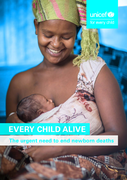
Globally, in low-income countries, the average newborn mortality rate is 27 deaths per 1,000 births, the report says. In high-income countries, that rate is 3 deaths per 1,000. Newborns from the riskiest places to give birth are up to 50 times more likely to die than those from the safest places.
... The report also notes that 8 of the 10 most dangerous places to be born are in sub-Saharan Africa, where pregnant women are much less likely to receive assistance during delivery due to poverty, conflict and weak institutions. If every country brought its newborn mortality rate down to the high-income average by 2030, 16 million lives could be saved.
More than 80 per cent of newborn deaths are due to prematurity, complications during birth or infections such as pneumonia and sepsis, the report says. These deaths can be prevented with access to well-trained midwives, along with proven solutions like clean water, disinfectants, breastfeeding within the first hour, skin-to-skin contact and good nutrition. more
... The report also notes that 8 of the 10 most dangerous places to be born are in sub-Saharan Africa, where pregnant women are much less likely to receive assistance during delivery due to poverty, conflict and weak institutions. If every country brought its newborn mortality rate down to the high-income average by 2030, 16 million lives could be saved.
More than 80 per cent of newborn deaths are due to prematurity, complications during birth or infections such as pneumonia and sepsis, the report says. These deaths can be prevented with access to well-trained midwives, along with proven solutions like clean water, disinfectants, breastfeeding within the first hour, skin-to-skin contact and good nutrition. more
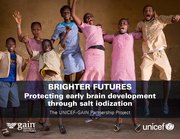
The UNICEF-GAIN Partnership Project
The report notes that iodine deficiency is a leading cause of preventable brain damage worldwide. Insufficient iodine during pregnancy and infancy results in neurological and psychological deficits, reducing a child’s IQ by 8 to 10 points. This translates ... into major losses in the cognitive capital of entire nations and thus their socio-economic development.
The report outlines urgent steps to reduce the risk of mental impairment to babies’ growing brains:
• Integrate salt iodization into national plans to support children’s nutrition and brain development in early childhood;
• Align salt iodization and salt reduction agendas; • Establish surveillance systems to identify unreached populations;
• Strengthen regulatory systems to enforce existing legislation on salt iodization;
• Recognize the growing importance of fortified foods as potential sources of iodized salt. more
The report notes that iodine deficiency is a leading cause of preventable brain damage worldwide. Insufficient iodine during pregnancy and infancy results in neurological and psychological deficits, reducing a child’s IQ by 8 to 10 points. This translates ... into major losses in the cognitive capital of entire nations and thus their socio-economic development.
The report outlines urgent steps to reduce the risk of mental impairment to babies’ growing brains:
• Integrate salt iodization into national plans to support children’s nutrition and brain development in early childhood;
• Align salt iodization and salt reduction agendas; • Establish surveillance systems to identify unreached populations;
• Strengthen regulatory systems to enforce existing legislation on salt iodization;
• Recognize the growing importance of fortified foods as potential sources of iodized salt. more

The emergence of multifrug-resistant malaria in the Greater Mekong Subregion (GMS) has been identified as an emergency issue that may have catastrophic consequences on the future of malaria elimination in the GMS as well as globally. In recognition of the need for a cohesive regional response,
...
GMS countries have committed to a shared goal of eliminating malaria from the GMS by 2030 working within the framework of the Strategy for Malaria Elimination in the Greater Mekong Subregion 2015-2030. Population mobility has been identified as a key concern in the context of multidrug-resistant malaria; and in a region of highly porous borders where the majority of intra-Mekong migration occurs through informal channels, addressing the health needs of migrant populations has never been more critical.
more
Vitamin A supplementation (VAS) programs targeted at children aged 6–59 months are implemented in many countries. By improving immune function, vitamin A (VA) reduces mortality associated with measles, diarrhea, and other illnesses. There is currently a debate regarding the relevance of VAS, but a
...
midst the debate, researchers acknowledge that the majority of nationally-representative data on VA status is outdated. To address this data gap and contribute to the debate, we examined data from 82 countries implementing VAS programs, identified other VA programs, and assessed the recentness of national VA deficiency (VAD) data.
Article published in: Nutrients, 2017, 9, 190
https://doi.org/10.3390/nu9030190 more
Article published in: Nutrients, 2017, 9, 190
https://doi.org/10.3390/nu9030190 more
This publication outlines public health aspects of alcohol use and harm in WHO South East Asia Region Countries. It summarizes Global Regional and country specific data and also discusses aspects of alcohol control that are important in the context of the Region. The possible future trend of alcohol
...
use in the Region is also analysed and current and future barriers to effective alcohol control in countries of the Region are discussed.
more
Birth defect has been an emerging major cause of child mortality in the region. Scarcity of the birth defects information hampers policy decisions and control measures at national level. In order to create evidence for action for birth defects prevention in the region, WHO-SEARO in collaboration wit
...
h CDC, USA has developed and launched a regional electronic database on birth defects. This surveillance database allows data collection on newborn health, birth defects and stillbirths cases and provides real time information at hospitals and national level.
Training of the hospital health staffs and data managers in the birth defects surveillance network; at regional, national and at hospital levels is recognized as essential for expansion of this database and to assure quality of data. A two days training module for hospital based birth defects surveillance was developed using a guide for operation and facilitator guide. more
Training of the hospital health staffs and data managers in the birth defects surveillance network; at regional, national and at hospital levels is recognized as essential for expansion of this database and to assure quality of data. A two days training module for hospital based birth defects surveillance was developed using a guide for operation and facilitator guide. more

Birth defect has been an emerging major cause of child mortality in the region. Scarcity of the birth defects information hampers policy decisions and control measures at national level. In order to create evidence for action for birth defects prevention in the region, WHO-SEARO in collaboration wit
...
h CDC, USA has developed and launched a regional electronic database on birth defects. This surveillance database allows data collection on newborn health, birth defects and stillbirths cases and provides real time information at hospitals and national level.
Training of the hospital health staffs and data managers in the birth defects surveillance network; at regional, national and at hospital levels is recognized as essential for expansion of this database and to assure quality of data. A two days training module for hospital based birth defects surveillance was developed using a guide for operation and facilitator guide. more
Training of the hospital health staffs and data managers in the birth defects surveillance network; at regional, national and at hospital levels is recognized as essential for expansion of this database and to assure quality of data. A two days training module for hospital based birth defects surveillance was developed using a guide for operation and facilitator guide. more

Conducted November 2011 to February 2012: Summary Report
This summary report has five sections. Following the introduction (Section 1), Section 2 sets out summary findings and recommendations of the assessment team. Section 3 describes the context in which artemisinin resistance is being tackle ... d. Section 4 highlights key achievements and enabling factors for the response to artemisinin resistance, whilst Section 5 provides a more detailed discussion of major issues to be addressed. more
This summary report has five sections. Following the introduction (Section 1), Section 2 sets out summary findings and recommendations of the assessment team. Section 3 describes the context in which artemisinin resistance is being tackle ... d. Section 4 highlights key achievements and enabling factors for the response to artemisinin resistance, whilst Section 5 provides a more detailed discussion of major issues to be addressed. more
This publication provides directions for a logical, evidence informed approach to selecting, developing, implementing and monitoring population-based interventions within the context of the double-burden of malnutrition in South-East Asia. The focus of this guide is on processed or ultra-processed p
...
re-packaged foods.
more

Report of a regional workshop, New Delhi, India, 29–30 September 2014
To reduce the burden of cardiovascular disease and its subsequent problems, the WHO Regional Office for South-East Asia organized a regional workshop on sodium intake and iodized salt for Member States in the South-East Asi ... a Region. The general objective of the workshop was to strengthen an integrated approach for sodium reduction and salt iodization programmes in the Member States of the Region. The specific objectives included reviewing the current sodium reduction and salt iodization strategies in the Member States of South-East Asia, provide training to the participants in standardized approaches for dietary estimation of salt/sodium and urinary iodine estimation. more
To reduce the burden of cardiovascular disease and its subsequent problems, the WHO Regional Office for South-East Asia organized a regional workshop on sodium intake and iodized salt for Member States in the South-East Asi ... a Region. The general objective of the workshop was to strengthen an integrated approach for sodium reduction and salt iodization programmes in the Member States of the Region. The specific objectives included reviewing the current sodium reduction and salt iodization strategies in the Member States of South-East Asia, provide training to the participants in standardized approaches for dietary estimation of salt/sodium and urinary iodine estimation. more

Guideline
Iron deficiency is one of the most common forms of nutritional deficiencies, particularly among vulnerable groups such as women, children and low-income populations. Iron deficiency often precedes anaemia, and anaemia during pregnancy is one of the strongest predictors of anaemia duri ... ng the postpartum period, beginning just after childbirth throughout the subsequent 6 weeks. The consequences of iron deficiency and anaemia during the postpartum period can be serious and have long-term health implications for the mother and her infant.
This guideline reviews the evidence on the safety and effectiveness of iron supplementation in postpartum women. more
Iron deficiency is one of the most common forms of nutritional deficiencies, particularly among vulnerable groups such as women, children and low-income populations. Iron deficiency often precedes anaemia, and anaemia during pregnancy is one of the strongest predictors of anaemia duri ... ng the postpartum period, beginning just after childbirth throughout the subsequent 6 weeks. The consequences of iron deficiency and anaemia during the postpartum period can be serious and have long-term health implications for the mother and her infant.
This guideline reviews the evidence on the safety and effectiveness of iron supplementation in postpartum women. more
The Kabeho Mwana project (2006–2011) supported the Rwanda Ministry of Health (MOH) in scaling up integrated community case management (iCCM) of childhood illness in 6 of Rwanda’s 30 districts. The project trained and equipped community health workers (CHWs) according to national guidelines. In p
...
roject districts, Kabeho Mwana staff also trained CHWs to conduct household-level health promotion and established supervision and reporting mechanisms through CHW peer support groups (PSGs) and quality improvement systems. The iCCM model implemented by Kabeho Mwana resulted in greater improvements in care-seeking than those seen in the rest of the country. Intensive monitoring, collaborative supervision, community mobilization, and CHW PSGs contributed to this success. The PSGs were a unique contribution of the project, playing a critical role in improving care-seeking in project districts. Effective implementation of iCCM should therefore include CHW management and social support mechanisms. Finally, re-analysis of national survey data improved evaluation findings by providing impact estimates.
more
