
Filter
2594
Text search:
low-and
middle-income
countries
Featured
216
522
Language
2484
95
85
77
49
34
23
10
3
2
2
2
1
1
1
1
1
1
1
1
1
1
1
1
1
1
1
1
1
1
1
Document type
1212
722
308
113
86
58
28
24
19
10
7
3
2
1
1
Countries
215
65
58
54
48
46
44
37
30
29
29
27
27
26
26
26
25
25
20
17
16
16
16
16
16
15
15
14
13
13
13
13
11
11
11
11
11
10
10
9
9
9
9
8
8
8
7
7
6
6
6
6
5
5
5
5
5
5
5
5
5
4
4
4
3
3
3
3
3
3
3
3
3
3
3
2
2
2
2
2
2
2
2
2
1
1
1
1
1
1
1
1
1
1
1
1
1
1
1
1
1
1
1
1
1
1
1
1
1
1
1
1
Authors & Publishers
518
181
177
137
117
96
62
50
24
24
22
18
16
13
12
11
11
10
10
10
10
9
9
9
9
9
8
8
8
8
8
8
7
7
7
7
7
7
7
7
6
6
6
6
6
6
6
5
5
5
5
5
5
5
5
5
5
5
5
5
5
4
4
4
4
4
4
4
4
4
4
4
4
4
4
4
4
4
4
4
3
3
3
3
3
3
3
3
3
3
3
3
3
3
3
3
3
3
3
3
3
3
3
3
3
3
3
3
3
3
3
3
3
3
3
3
3
3
3
3
3
3
3
3
3
3
3
3
3
3
3
2
2
2
2
2
2
2
2
2
2
2
2
2
2
2
2
2
2
2
2
2
2
2
2
2
2
2
2
2
2
2
2
2
2
2
2
2
2
2
2
2
2
2
2
2
2
2
2
2
2
2
2
2
2
2
2
2
2
2
2
2
2
2
2
2
2
2
2
2
2
2
2
2
2
2
2
2
2
2
2
2
2
2
2
2
2
2
2
2
2
2
2
2
2
2
2
2
2
2
2
2
2
2
2
2
2
2
2
2
2
2
2
2
2
2
2
2
2
2
2
2
2
2
2
2
2
2
2
2
2
2
2
2
2
2
2
2
2
2
2
2
2
2
2
2
2
2
2
2
2
2
2
2
2
2
2
2
2
2
2
2
2
2
2
2
1
1
1
1
1
1
1
1
1
1
1
1
1
1
1
1
1
1
1
1
1
1
1
1
1
1
1
1
1
1
1
1
1
1
1
1
1
1
1
1
1
1
1
1
1
1
1
1
1
1
1
1
1
1
1
1
1
1
1
1
1
1
1
1
1
1
1
1
1
1
1
1
1
1
1
1
1
1
1
1
1
1
1
1
1
1
1
1
1
1
1
1
1
1
1
1
1
1
1
1
1
1
1
1
1
1
1
1
1
1
1
1
1
1
1
1
1
1
1
1
1
1
1
1
1
1
1
1
1
1
1
1
1
1
1
1
1
1
1
1
1
1
1
1
1
1
1
1
1
1
1
1
1
1
1
1
1
1
1
1
1
1
1
1
1
1
1
1
1
1
1
1
1
1
1
1
1
1
1
1
1
1
1
1
1
1
1
1
1
1
1
1
1
1
1
1
1
1
1
1
1
1
1
1
1
1
1
1
1
1
1
1
1
1
1
1
1
1
1
1
1
1
1
1
1
1
1
1
1
1
1
1
1
1
1
1
1
1
1
1
1
1
1
1
1
1
1
1
1
1
1
1
1
1
1
1
1
1
1
1
1
1
1
1
1
1
1
1
1
1
1
1
1
1
1
1
1
1
1
1
1
1
1
1
1
1
1
1
1
1
1
1
1
1
1
1
1
1
1
1
1
1
1
1
1
1
1
1
1
1
1
1
1
1
1
1
1
1
1
1
1
1
1
1
1
1
1
1
1
1
1
1
1
1
1
1
1
1
1
1
1
1
1
1
1
1
1
1
1
1
1
1
1
1
1
1
1
1
1
1
1
1
1
1
1
1
1
1
1
1
1
1
1
1
1
1
1
1
1
1
1
1
1
1
1
1
1
1
1
1
1
1
1
1
1
1
1
1
1
1
1
1
1
1
1
1
1
1
1
1
1
1
1
1
1
1
1
1
1
1
1
1
1
1
1
1
1
1
1
1
1
1
1
1
1
1
1
1
1
1
1
1
1
1
1
1
1
1
1
1
1
1
1
1
1
1
1
1
1
1
1
1
1
1
1
1
1
1
1
1
1
1
1
1
1
1
1
1
1
1
1
1
1
1
1
1
1
1
1
1
1
1
1
1
1
1
1
1
1
1
1
1
1
1
1
1
1
1
1
1
1
1
1
1
1
1
1
1
1
1
1
1
1
1
1
1
1
1
1
1
1
1
1
1
1
1
1
1
1
1
1
1
1
1
1
1
1
1
1
1
1
1
1
1
1
1
1
1
1
1
1
1
1
1
1
1
1
1
1
1
1
1
1
1
1
1
1
1
1
1
1
1
1
1
1
1
1
1
1
1
1
1
1
1
1
1
1
1
1
1
1
1
1
1
1
1
1
1
1
1
1
1
1
1
1
1
1
1
1
1
1
1
1
1
1
1
1
1
1
1
1
1
1
1
1
1
1
1
1
1
1
1
1
1
1
1
1
1
1
1
1
1
1
1
1
1
1
1
1
1
1
1
1
1
1
1
1
1
1
1
1
1
1
1
1
1
1
1
1
1
1
1
1
1
1
1
1
1
1
1
1
1
1
1
1
1
1
1
1
1
1
1
1
1
1
1
1
1
1
1
1
1
1
1
1
1
1
1
1
1
1
1
1
1
1
1
1
1
1
1
1
1
1
1
1
1
1
1
1
1
1
1
1
1
1
1
1
1
1
1
1
1
1
1
1
1
1
1
1
1
1
1
1
1
1
1
1
1
1
1
1
1
1
1
1
1
1
1
1
1
1
1
1
1
1
1
1
1
1
1
1
1
1
1
1
1
1
1
1
1
1
1
1
1
1
1
1
1
1
1
1
1
1
1
1
1
1
1
1
1
1
1
1
1
1
1
1
1
1
1
1
1
1
1
1
1
1
1
1
1
1
1
1
1
1
1
1
1
1
1
1
1
1
1
1
1
1
1
1
1
1
1
1
1
1
1
1
1
1
1
1
1
1
1
1
1
1
1
1
1
1
1
1
1
1
1
1
1
1
1
1
1
1
1
1
1
1
1
1
1
1
1
1
1
1
1
1
1
1
1
1
1
1
1
1
1
1
1
1
1
1
1
1
1
1
1
1
1
1
1
1
1
1
1
1
1
1
1
1
1
1
1
1
1
1
1
1
1
1
1
1
1
1
1
1
1
1
1
1
1
1
1
1
1
1
1
1
1
1
1
1
1
1
1
1
1
1
1
1
1
1
1
1
1
1
1
1
1
1
1
1
1
1
1
1
1
1
1
1
1
1
1
1
1
1
1
1
1
1
1
1
1
1
1
1
1
1
1
1
1
1
1
1
1
1
1
1
1
1
1
1
1
1
1
1
1
1
1
1
1
1
1
1
1
1
1
1
1
1
1
1
1
1
1
1
1
1
1
1
1
1
1
1
1
1
1
1
1
1
1
1
1
1
1
1
1
1
1
1
1
1
1
1
1
1
1
1
1
1
1
1
1
1
1
1
1
1
1
1
1
1
1
1
1
1
1
1
1
1
1
1
1
1
1
1
1
1
1
1
1
1
1
1
1
1
1
1
1
1
1
1
1
1
1
1
1
1
1
1
1
1
1
1
1
1
1
1
1
1
1
1
1
1
1
1
1
1
1
1
1
1
1
1
1
1
1
1
1
1
1
1
1
1
1
1
1
1
1
1
1
1
1
1
1
1
1
1
1
1
1
1
1
1
1
1
1
1
1
1
1
1
1
1
1
1
1
1
1
1
1
1
1
1
1
1
1
1
1
1
1
1
1
1
1
1
1
1
1
1
1
1
1
1
1
1
1
1
1
1
1
1
1
1
1
1
1
1
1
1
1
1
1
1
1
1
1
1
1
1
1
1
1
1
1
1
1
1
1
1
1
1
1
1
1
1
1
1
1
1
1
1
1
1
1
1
1
1
1
1
1
1
1
1
1
1
1
1
1
1
1
1
1
1
1
1
1
1
1
1
1
1
1
1
1
1
1
1
1
1
1
1
1
1
1
1
1
1
1
1
1
1
1
1
1
1
1
1
1
1
1
1
1
1
1
1
1
1
1
1
1
1
1
1
1
1
1
1
1
1
1
1
1
1
1
1
1
1
1
1
1
1
1
1
1
1
1
1
1
1
1
1
1
1
1
1
1
1
1
1
1
1
1
1
1
1
1
1
1
1
1
1
1
1
1
1
1
1
1
1
1
1
1
1
1
1
1
1
1
1
1
1
1
1
1
1
1
1
1
1
1
1
1
1
1
1
1
1
1
1
1
1
1
1
1
1
1
1
1
1
1
1
1
1
1
1
1
1
1
1
1
1
1
1
1
1
1
1
1
1
1
1
1
1
1
1
1
1
1
1
1
1
1
1
1
1
1
1
1
1
1
1
1
1
1
1
1
1
1
1
1
1
1
1
1
1
1
1
1
1
1
1
1
1
1
1
1
1
1
1
1
1
1
1
1
1
1
1
1
1
1
1
1
1
1
1
1
1
1
1
1
1
1
1
1
1
1
1
1
1
1
1
1
1
1
1
1
1
1
1
1
1
1
1
1
1
1
1
1
1
1
1
1
1
1
1
1
1
1
1
1
1
1
1
1
1
1
1
1
1
1
1
1
1
1
1
1
1
1
1
1
1
1
1
1
1
1
1
1
1
1
1
1
1
1
1
1
1
1
1
1
1
1
1
1
1
1
1
1
1
1
1
1
1
1
1
1
1
1
1
1
1
1
1
1
1
1
1
1
1
1
1
1
1
1
1
1
1
1
1
1
1
1
1
1
1
1
1
1
1
1
1
1
1
1
1
1
1
1
1
1
1
1
1
1
1
1
1
1
1
1
1
1
1
1
1
1
1
1
1
1
1
1
1
1
1
1
1
1
1
1
1
1
1
1
1
1
1
1
1
1
1
1
1
1
1
1
1
1
1
1
1
1
1
1
1
1
1
1
1
1
1
1
1
1
1
1
1
1
1
1
1
1
1
1
1
1
1
1
1
1
1
1
1
1
1
1
1
1
1
1
1
1
1
1
1
1
1
1
1
1
1
1
1
1
1
1
1
1
1
1
1
1
1
1
1
1
1
1
1
1
1
1
1
1
1
1
1
1
1
1
1
1
1
1
1
1
1
1
1
1
1
1
1
1
1
1
1
1
1
1
1
1
1
1
1
1
1
1
1
1
1
1
1
1
1
1
1
1
1
1
1
1
1
1
1
1
1
1
1
1
1
1
1
1
1
1
1
1
1
1
1
1
1
1
1
1
1
1
1
1
1
1
1
1
1
1
1
1
1
1
1
1
1
1
1
1
1
1
1
1
1
1
1
1
1
1
1
1
1
1
1
1
1
1
1
1
1
1
1
1
1
1
1
1
1
1
1
1
1
1
1
1
1
1
1
1
1
1
1
1
1
1
1
1
1
1
1
1
1
1
1
1
1
1
1
1
1
1
1
1
1
1
1
1
1
1
1
1
1
1
1
1
1
1
1
1
1
1
1
1
1
1
1
1
1
1
1
1
1
1
1
1
1
1
1
1
1
1
1
1
1
1
1
1
1
1
1
1
1
1
1
1
1
1
1
1
1
1
1
1
1
1
1
1
1
1
1
1
1
1
1
1
1
1
1
1
1
1
1
1
1
1
1
1
1
1
1
1
1
1
1
1
1
1
1
1
1
1
1
1
1
1
1
1
1
1
1
1
1
1
1
1
1
1
1
1
1
1
1
1
1
1
1
1
1
1
1
1
1
1
1
1
1
1
1
1
1
1
1
1
1
1
1
1
1
1
1
1
1
1
1
1
1
1
1
1
1
1
1
1
1
1
1
1
1
1
1
1
1
1
1
1
1
1
1
1
1
1
1
1
1
1
1
1
1
1
1
1
1
1
1
1
1
1
1
1
1
1
1
1
1
1
1
1
1
1
1
1
1
1
1
1
1
1
Publication Years
918
1587
87
1
1
Category
572
279
257
174
97
34
24
2
1
Toolboxes
327
310
202
167
142
135
134
115
107
81
79
42
37
28
27
23
14
11
7
5
3
2
1
1
Chronic Obstructive Pulmonary Disease (COPD) is now one of the top three causes of death worldwide and 90% of these deaths occur in low- and middle
...
-income countries (LMICs).
More than 3 million people died of COPD in 2012 accounting for 6% of all deaths globally. COPD represents an important public health challenge that is both preventable and treatable. COPD is a major cause of chronic morbidity and mortality throughout the world; many people suffer from this disease for years and die prematurely from it or its complications. Globally, the COPD burden is projected to increase incoming decades because of continued exposure to COPD risk factors and aging of thepopulation.
more
Technologies for global health
Peter Howitt, Ara Darzi, Guang-Zhong Yang, et al.
The Lancet Commission; The Imperial College
(2012)
Collaboration between The Lancet and Imperial College London, UK, has resulted in a new Commission, which examines how medical technology should best be used to improve health in low- and
...
middle-income countries. The report concludes that in many cases, medical technology—almost exclusively developed in rich countries—is simply inappropriate for use in poorer nations
more
This report seeks to uncover the extent to which global goals crowd in international financing, inform domestic policy priorities, and navigate progress toward development outcomes in low- and
...
middle-income countries (LICs and MICs). Our report:
Provides a historical perspective on how ODA financing was aligned with the MDGs, and the perceived influence of global goals in shaping domestic priorities
Offers a baseline of ODA financing to the SDGs and a forward-looking perspective in translating past lessons learned from the MDGs era into actionable insights
Using a pilot methodology developed by AidData, we analyze ODA flows during the MDGs era (2000-2013) and approximate baseline financing for each goal prior to the adoption of Agenda 2030 in September 2015. The dataset used in the report, Financing to the SDGs, Version 1.0, provides project-level data on estimated Official Development Assistance (ODA) commitments to the 17 Sustainable Development Goals (SDGs) from 2000 to 2013. In this report, we also draw upon the responses of nearly 7,000 public, private, and civil society leaders from AidData’s novel 2014 Reform Efforts Survey to assess how national-level policymakers perceive the MDGs in light of their domestic reform priorities, and what this may mean for the SDGs.
more
This website provides practical tools and advice for programme planners and policy makers to run inclusive social protection programmes, especially in low and
...
middle income countries. It draws on the findings of a study conducted in 2014 in Peru and Tanzania by the London School of Hygiene and Tropical Medicine and the Technische Universität München, together with the national partners, SODIS and CRONICAS in Peru, and REPOA in Tanzania
more
There is a substantial and ever-increasing unmet need for rehabilitation worldwide, which is particularly profound in low- and middle
-
...
income countries. The availability of accessible and affordable rehabilitation is necessary for many people with health conditions to remain as independent as possible, to participate in education, to be economically productive, and fulfil meaningful life roles.
more

Situational Analysis: 13-23 October 2014
Report prepared using the WHO/SEARO workbook tool for undertaking a situational analysis of medicines in health care delivery in low and ... middle income countries more
Report prepared using the WHO/SEARO workbook tool for undertaking a situational analysis of medicines in health care delivery in low and ... middle income countries more

Inequality of access to palliative care and symptom relief is one of the greatest disparities in global health care (1). Currently, there is avoidable suffering on a massive scale due to lack of access to palliative care and symptom relief in low-
...
and middle-income countries (LMICs) (1). Yet basic palliative care that can prevent or relieve most suffering due to serious or life-threatening health conditions can be taught easily to generalist clinicians, can be provided in the community and requires only simple, inexpensive medicines and equipment. For these reasons, the World Health Assembly (WHA) resolved that palliative care is "an ethical responsibility of health systems"(2). Further, most patients who need palliative care are at home and prefer to remain there. Thus, it is imperative that palliative care be provided in the community as part of primary care. This document was written to assist ministries of health and health care planners, implementers and managers to integrate palliative care and symptom control into primary health care (PHC).
more
Info from and between Mental Health Workers, NGO's, Institutes, Service Users and others who are interested in improving Mental Health in Low and Middle
...
Income Countries
more
Q 12: In children and adolescents with anxiety disorders, what is the effectiveness and safety, considering system issues in low- and middle-
...
income countries, of using pharmacological interventions in non-specialist settings?
more
Soapbox Collaborative has launched a new training package called TEACH CLEAN, which is a package for those that clean health care facilities in low- and m
...
iddle-income countries.
The TEACH CLEAN package presents information and materials required to deliver comprehensive, participatory training on safe environmental cleaning, applying aspects of essential IPC for these tasks. The package is tailored towards use with low-literate cleaning staff but can be applied to wider facility staff.
To request a copy of the TEACH CLEAN Package, or supporting materials, please complete the online form.
more
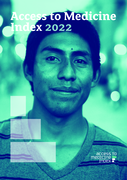
Globally each year, millions of people suffer illness or lose their lives because the vaccines, medicines and diagnostic tests that they need are either unavailable or unaffordable – and this lack of access to medicine is acute in low-
...
and middle-in-
come countries (LMICs). While the COVID-19 pandemic laid this inequity bare, it also saw the pharmaceutical industry develop and bring new vaccines and treat- ments to market at unprecedented speed. As the world emerges from the worst
of this crisis, pharmaceutical companies are now at an important juncture, where lessons learned from the pandemic can prove pivotal in finding solutions to bridge long-standing gaps in access to medicine in LMICs.
more
The Movement for Global Mental Health (MGMH) is a virtual network of individuals and organisations that aim to improve services for people living with mental health problems and psychosocial disabilities worldwide, especially in low-
...
and middle-income countries (LMIC) where effective services are often scarce.
Two principles are fundamental to the Movement: scientific evidence and human rights.
more
Child and adolescent mental health policy in South Africa: history, current policy development and implementation, and policy analysis
S. Mokitimi; M. Schneider; P. J. de Vries
International Journal of Mental Health Systems; BioMed Central
(2018)
CC
Mental health problems represent the greatest global burden of disease among children and adolescents. There is, however, lack of policy development and implementation for child and adolescent mental health (CAMH), particularly in low-
...
and middle-income countries (LMICs) where children and adolescents represent up to 50% of populations. South Africa, an upper-middle income country is often regarded as advanced in health and social policy-making and implementation in comparison to other LMICs. It is, however, not clear whether this is the case for CAMH.
more
Suicides take a high toll. Over 800 000 people die by suicide every year and it is the second leading cause of
death in 15-29-year-olds. Most suicides occur in low- and
...
middle-income countries where resources
and services, if they do exist, are often scarce and limited for early identification, treatment and support of
people in need. These striking facts and the lack of implemented timely interventions make suicide a serious
global public health problem that needs to be tackled urgently.
more
Chapter · January 2009 DOI: 10.1007/978-0-387-72711-0_25
D.D. Celentano and C. Beyrer (eds.), Public Health Aspects of HIV/AIDS in Low and Middle
...
Income Countries, DOI: 10.1007/978-0-387-72711-0 25, c Springer Science+Business Media, LLC 2008
more
This study addresses part of the Terms of Reference for a scoping report ‘An analysis of approaches to laboratory capacity strengthening for drug resistant infections in low and
...
middle income countries’. It has been produced as a separate report because it is also very relevant for a second study ‘Supporting Surveillance Capacity for Antimicrobial Resistance: Regional Networks and Educational Resources’. This study compares antimicrobial surveillance systems in three low and middle income countries in order to describe the components of these systems and to understand which surveillance models are best suited to particular contexts. Ghana, Nigeria and Nepal were selected as study countries because they cover different continents and include one ‘fragile’ context (Nigeria). Brief information from Malawi is also included.
more

The Global Antibiotic Resistance Partnership (GARP) aims to address the challenge of antibiotic resistance by developing actionable Policy Proposals in Vietnam and four other low- and
...
middle-income countries: China, India, Kenya and South Africa. GARP will develop the evidence base for Policy action on antibiotic resistance and identify policy opportunities where research, advocacy and information have the best chance of slowing the development and spread of resistance.
more
It is estimated that more than 311 000 women die of cervical
cancer each year. Of these deaths, 91% occur in low- and
middle-
...
income countries. Demographic changes and a lack of
action mean that the number of deaths per year is projected
to reach 460 000 by 2040.
more
Sepsis remains a leading cause of mortality and morbidity, especially during the first five days of life and in low and middle-
...
income countries (LMIC) [1]. Hospital infection also remains a major cause of mortality in children despite progress encountered in the last decades.
more
HIV-1 drug resistance (HIVDR) genotyping is an essential component of the WHO global HIVDR surveillance strategy. Plasma “gold standard” specimen type for HIVDR genotyping, but its use may not be feasible in rural, remote areas in low-
...
and middle-income countries, since preparing and storing it require personnel and laboratory infrastructure that are often lacking. An alternative specimen type is dried blood spots (DBS), which can be made without special laboratory processing. DBS are more easily transported than plasma because they can be shipped at ambient temperature as non-hazardous materials using regular mail or courier services.
3rd edition
more
