
Filter
1832
Text search:
Neglected
Diseases
Featured
152
382
Language
1716
132
127
57
51
33
29
23
3
2
1
1
1
1
1
1
1
1
1
1
1
1
1
1
1
1
1
1
1
1
Document type
791
483
152
92
92
62
54
33
20
16
13
11
6
5
2
Countries
249
53
44
44
36
33
33
32
29
26
24
21
21
18
18
17
17
17
16
15
14
14
14
14
13
13
12
11
11
11
10
10
10
9
9
8
7
7
7
7
6
6
6
6
5
5
5
4
4
4
4
4
3
3
3
3
3
3
3
3
3
2
2
2
2
2
2
2
2
2
2
2
2
2
2
2
1
1
1
1
1
1
1
1
1
1
1
1
1
1
1
1
1
1
1
1
1
1
1
1
1
1
1
1
1
1
1
1
1
1
1
1
Authors & Publishers
353
79
75
73
63
26
25
24
21
20
15
14
13
13
10
9
9
9
8
8
7
7
7
7
6
6
6
6
6
6
6
5
5
5
5
5
5
5
5
4
4
4
4
4
4
4
4
4
4
4
4
4
4
4
3
3
3
3
3
3
3
3
3
3
3
3
3
3
3
3
3
3
3
3
3
3
3
3
3
3
3
3
3
3
3
3
3
3
3
3
3
3
3
3
3
3
3
3
3
3
2
2
2
2
2
2
2
2
2
2
2
2
2
2
2
2
2
2
2
2
2
2
2
2
2
2
2
2
2
2
2
2
2
2
2
2
2
2
2
2
2
2
2
2
2
2
2
2
2
2
2
2
2
2
2
2
2
2
2
2
2
2
2
2
2
2
2
2
2
2
2
2
2
2
2
2
2
2
2
2
2
2
2
2
2
2
2
2
2
2
2
2
2
2
2
2
2
2
2
2
2
2
2
2
2
2
2
2
2
2
2
1
1
1
1
1
1
1
1
1
1
1
1
1
1
1
1
1
1
1
1
1
1
1
1
1
1
1
1
1
1
1
1
1
1
1
1
1
1
1
1
1
1
1
1
1
1
1
1
1
1
1
1
1
1
1
1
1
1
1
1
1
1
1
1
1
1
1
1
1
1
1
1
1
1
1
1
1
1
1
1
1
1
1
1
1
1
1
1
1
1
1
1
1
1
1
1
1
1
1
1
1
1
1
1
1
1
1
1
1
1
1
1
1
1
1
1
1
1
1
1
1
1
1
1
1
1
1
1
1
1
1
1
1
1
1
1
1
1
1
1
1
1
1
1
1
1
1
1
1
1
1
1
1
1
1
1
1
1
1
1
1
1
1
1
1
1
1
1
1
1
1
1
1
1
1
1
1
1
1
1
1
1
1
1
1
1
1
1
1
1
1
1
1
1
1
1
1
1
1
1
1
1
1
1
1
1
1
1
1
1
1
1
1
1
1
1
1
1
1
1
1
1
1
1
1
1
1
1
1
1
1
1
1
1
1
1
1
1
1
1
1
1
1
1
1
1
1
1
1
1
1
1
1
1
1
1
1
1
1
1
1
1
1
1
1
1
1
1
1
1
1
1
1
1
1
1
1
1
1
1
1
1
1
1
1
1
1
1
1
1
1
1
1
1
1
1
1
1
1
1
1
1
1
1
1
1
1
1
1
1
1
1
1
1
1
1
1
1
1
1
1
1
1
1
1
1
1
1
1
1
1
1
1
1
1
1
1
1
1
1
1
1
1
1
1
1
1
1
1
1
1
1
1
1
1
1
1
1
1
1
1
1
1
1
1
1
1
1
1
1
1
1
1
1
1
1
1
1
1
1
1
1
1
1
1
1
1
1
1
1
1
1
1
1
1
1
1
1
1
1
1
1
1
1
1
1
1
1
1
1
1
1
1
1
1
1
1
1
1
1
1
1
1
1
1
1
1
1
1
1
1
1
1
1
1
1
1
1
1
1
1
1
1
1
1
1
1
1
1
1
1
1
1
1
1
1
1
1
1
1
1
1
1
1
1
1
1
1
1
1
1
1
1
1
1
1
1
1
1
1
1
1
1
1
1
1
1
1
1
1
1
1
1
1
1
1
1
1
1
1
1
1
1
1
1
1
1
1
1
1
1
1
1
1
1
1
1
1
1
1
1
1
1
1
1
1
1
1
1
1
1
1
1
1
1
1
1
1
1
1
1
1
1
1
1
1
1
1
1
1
1
1
1
1
1
1
1
1
1
1
1
1
1
1
1
1
1
1
1
1
1
1
1
1
1
1
1
1
1
1
1
1
1
1
1
1
1
1
1
1
1
1
1
1
1
1
1
1
1
1
1
1
1
1
1
1
1
1
1
1
1
1
1
1
1
1
1
1
1
1
1
1
1
1
1
1
1
1
1
1
1
1
1
1
1
1
1
1
1
1
1
1
1
1
1
1
1
1
1
1
1
1
1
1
1
1
1
1
1
1
1
1
1
1
1
1
1
1
1
1
1
1
1
1
1
1
1
1
1
1
1
1
1
1
1
1
1
1
1
1
1
1
1
1
1
1
1
1
1
1
1
1
1
1
1
1
1
1
1
1
1
1
1
1
1
1
1
1
1
1
1
1
1
1
1
1
1
1
1
1
1
1
1
1
1
1
1
1
1
1
1
1
1
1
1
1
1
1
1
1
1
1
1
1
1
1
1
1
1
1
1
1
1
1
1
1
1
1
1
1
1
1
1
1
1
1
1
1
1
1
1
1
1
1
1
1
1
1
1
1
1
1
1
1
1
1
1
1
1
1
1
1
1
1
1
1
1
1
1
1
1
1
1
1
1
1
1
1
1
1
1
1
1
1
1
1
1
1
1
1
1
1
1
1
1
1
1
1
1
1
1
1
1
1
1
1
1
1
1
1
1
1
1
1
1
1
1
1
1
1
1
1
1
1
1
1
1
1
1
1
1
1
1
1
1
1
1
1
1
1
1
1
1
1
1
1
1
1
1
1
1
1
1
1
1
1
1
1
1
1
1
1
1
1
1
1
1
1
1
1
1
1
1
1
1
1
1
1
1
1
1
1
1
1
1
1
1
1
1
1
1
1
1
1
1
1
1
1
1
1
1
1
1
1
1
1
1
1
1
1
1
1
1
1
1
1
1
1
1
1
1
1
1
1
1
1
1
1
1
1
1
1
1
1
1
1
1
1
1
1
1
1
1
1
1
1
1
1
1
1
1
1
1
1
1
1
1
1
1
1
1
1
1
1
1
1
1
1
1
1
1
1
1
1
1
1
1
1
1
1
1
1
1
1
1
1
1
1
1
1
1
1
1
1
1
1
1
1
1
1
1
1
1
1
1
1
1
1
1
1
1
1
1
1
1
1
1
1
1
1
1
1
1
1
1
1
1
1
1
1
1
1
1
1
1
1
1
1
1
1
1
1
1
1
1
1
1
1
1
1
1
1
1
1
1
1
1
1
1
1
1
1
1
1
1
1
1
1
1
1
1
1
1
1
1
1
1
1
1
1
1
1
1
1
1
1
1
1
1
1
1
1
1
1
1
1
1
1
1
1
1
1
1
1
1
1
1
1
1
1
1
1
1
1
1
1
1
1
1
1
1
1
1
1
1
1
1
1
1
1
1
1
1
1
1
1
1
1
1
1
1
1
1
1
1
1
1
1
1
1
1
1
1
1
1
1
1
1
1
1
1
1
1
1
1
1
1
1
1
1
1
1
1
1
1
1
1
1
1
1
1
1
1
1
1
1
1
1
1
1
1
1
1
1
1
1
1
1
1
1
1
1
1
1
1
1
1
1
1
1
1
1
1
1
1
1
1
1
1
1
1
1
1
1
1
1
1
1
1
1
1
1
1
1
1
1
1
1
1
1
1
1
1
1
1
1
1
1
1
1
1
1
1
1
1
1
1
1
1
1
1
1
1
1
1
1
1
1
1
1
1
1
1
1
1
1
1
1
1
1
1
1
1
1
1
1
1
1
1
1
1
1
1
1
1
1
1
1
1
1
1
1
1
1
1
1
1
1
1
1
1
1
1
1
1
1
1
1
1
1
1
1
1
1
1
1
1
1
1
1
1
1
1
1
1
1
1
1
1
1
1
1
1
1
1
1
1
1
1
1
1
1
1
1
1
1
1
1
1
1
1
1
1
1
1
1
1
1
1
1
1
1
1
1
1
1
1
1
1
1
1
1
1
1
1
1
1
1
1
1
1
1
1
1
1
1
1
1
1
1
1
1
1
1
1
1
1
1
1
1
1
1
1
1
1
1
1
1
1
1
1
1
1
1
1
1
1
1
1
1
1
1
1
1
1
1
1
1
1
1
1
1
1
1
1
1
1
1
1
1
1
1
1
1
1
1
1
1
1
1
1
1
1
1
1
1
1
1
1
1
1
1
1
1
1
1
1
1
1
1
1
1
1
1
1
1
1
1
1
1
1
1
1
1
1
1
1
1
1
1
1
1
1
1
1
1
1
1
1
1
1
1
1
1
1
1
1
1
1
1
1
1
1
1
1
1
1
1
1
1
1
1
1
1
1
1
1
1
1
Publication Years
639
1071
116
6
Category
439
193
136
65
53
25
25
1
Toolboxes
574
90
77
75
67
61
57
52
39
32
31
29
27
26
22
19
17
10
10
9
9
7
3
1
For more than 100 years, the clearest route to elimination of dog-mediated rabies has been via mass vaccination of the animal hosts. It’s worked in plenty of countries. Still, in others, like India, which grapples with a third of the world’s rabies burden, large populations of free-roaming, hard
...
-to-track, often hard-to-reach dogs have made elimination an elusive goal.
more
World Rabies Day is the biggest event on the global rabies calendar, coordinated by GARC and it has been commemorated every year on September 28 – the anniversary of the death of Louis Pasteur – since 2007. World Rabies Day aims to raise awareness and advocate for rabies elimination globally. It
...
is an event designed to be inclusive, uniting people, organizations, and stakeholders across all sectors against rabies – because together we can eliminate rabies! With this concept of togetherness and unity in mind, the theme for this year’s World Rabies Day is: Rabies: One Health, Zero Deaths.
more
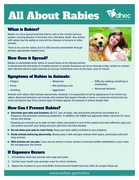
Rabies is a virus (Lyssavirus) that infects cells in the central nervous
system, causing disease in the brain and, ultimately, death. Any animal
with rabies has the ability to transmit the disease to humans or other
animals.
There is no cure for rabies, but it is 100 percent preventable through
...
prompt, appropriate medical care.
more
Rabies is transmitted when saliva or neural tissue of an infected animal is introduced into the body. Exposure can occur through a bite, scratch, or contact with saliva to broken skin or mucous membranes such as the eyes or mouth, BUT rabies is preventable! Vaccinations for your pets and livestock a
...
re key. To report an animal bite or incident between 8:30 AM - 5:00 PM, choose your county's office from the map on the EA Regional Office page and contact them for assistance. On nights, weekends, or holidays, call 1-888-847-0902.
more

These new guidelines should help medical and paramedical professionals to provide the state of art rabies prophylaxis to all animal bite victims in the government hospitals and prevent human rabies deaths in the state. The medical officers whenever in doubt are encouraged to contact the state nodal
...
officer and seek further clarifications regarding PEP.
more
Website last accessed in 12.03.23
CDC’s Lauren Greenberg writes about building rabies diagnostic capacity in the effort to control rabies in countries that are most affected by the disease.
Leishmaniasis is an infectious disease caused by protozoan parasites of the genus, Leishmania. Protozoa are microscopic, single-celled organisms. The parasites that cause the disease are transmitted to people through the bites of certain species of infected sand flies.
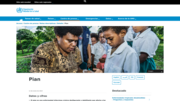
El pian es una treponematosis endémica, un grupo de infecciones bacterianas crónicas causadas por espiroquetas del género Treponema, entre las que se encuentran también la sífilis endémica (bejel) y el mal de pinto. El pian es la más frecuente de las tres.
Le pian fait partie d’un groupe d’infections bactériennes chroniques que l’on désigne couramment par le terme « tréponématoses endémiques ». Ces maladies sont dues à des bactéries spiralées appartenant au genre Treponema, qui comprend aussi la syphilis endémique (béjel) et la pinta
...
. Le pian est la plus courante de ces trois infections.
more
Фрамбезия относится к группе хронических бактериальных инфекций, в совокупности называемых эндемическими трепонематозами. Возбудителями этих заболеваний, к котÐ
...
¾рым также относятся эндемический сифилис (беджель) и пинта, являются спиралевидные бактерии рода Treponema. Фрамбезия — самая распространенная из этих трех инфекций.
more
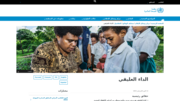
حقائق رئيسية
الداء العليقي هو مرض مزمن مشِّوه وموهِّن من أمراض الأطفال المعدية.
يصيب هذا المرض الجلد والعظام والغضاريف. ويُعتقد في الوقت الحالي أن الإنسان هو المست
...
ودع الوحيد لهذا المرض الذي ينتقل من شخص إلى آخر.
يعالج الداء العليقي بجرعة فموية واحدة من مضاد حيوي رخيص يسمى أزيثروميسين.
يوجد حالياً 15 بلداً يُعرف أنه موطون بالداء العليقي.
more
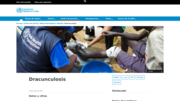
La dracunculosis rara vez es mortal, pero las personas infectadas quedan incapacitadas durante semanas o meses. Afecta a personas de comunidades rurales, desfavorecidas y aisladas que para beber dependen principalmente de fuentes superficiales abiertas en que el agua se estanca, como charcas o estan
...
ques.
more
La dracunculose est rarement mortelle, mais les personnes touchées peuvent souffrir d’invalidité pendant plusieurs semaines, voire plusieurs mois. La maladie sévit dans des communautés rurales défavorisées et isolées qui sont essentiellement tributaires de points d’eau stagnante superfici
...
els non aménagés, comme des étangs, pour s’approvisionner en eau de boisson.
more
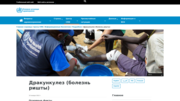
Дракункулез редко приводит к смертельному исходу, но на много недель и месяцев нарушает нормальное функционирование пораженных инвазией лиц. Проблема затрагиваеÑ
...
‚ население сельских, неблагополучных и отдаленных районов, в которых основным источником питьевой воды являются открытые водоемы со стоячей водой, в частности пруды.
more
ونادراً ما يسبب داء التنينات الوفاة، بيد أن المصابين به يعجزون عن القيام بأعمالهم على مدى أسابيع وأشهر من الزمن. ويصيب الداء الناس الذين يعيشون في مجتمعات ريفية ومحØ
...
±ومة ومعزولة ويعتمدون بشكل رئيسي على مصادر المياه المفتوحة الراكدة كالبرك للحصول على مياه الشرب
more
Website last accessed on 31.03.2023

Website last accessed on 31.03.2023

Website last accessed on 31.03.2023
Website last accessed on 31.03.2023
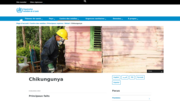
Le chikungunya a été identifié pour la première fois en Tanzanie en 1952. Depuis 2004, on constate une propagation rapide du virus du chikungunya, ce dernier ayant été détecté dans plus de 60 pays.
Website last accessed on 31.03.2023
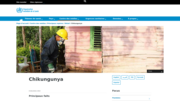
Chikungunya was first identified in Tanzania in 1952. Since 2004, there has been a rapid spread of the chikungunya virus, which has been detected in over 60 countries.
