Filter
5595
Text search:
major
changes
Featured
473
1522
Language
5478
110
75
52
48
29
26
16
8
7
7
5
5
4
4
4
4
4
4
3
3
3
3
3
2
2
2
2
2
2
2
2
2
2
2
2
1
1
1
1
1
1
1
1
1
1
1
1
1
1
1
1
1
1
1
1
1
1
1
1
1
Document type
3338
1047
576
272
184
79
49
22
9
8
6
2
1
1
Countries
272
256
160
128
126
123
113
111
110
105
103
91
83
83
80
76
74
74
68
61
58
47
46
45
40
39
38
37
36
35
33
31
31
31
28
27
24
21
20
20
20
19
19
19
18
17
17
16
16
15
14
14
14
12
11
11
11
11
10
10
9
9
9
9
9
9
8
8
8
8
6
6
6
6
6
6
5
5
5
5
5
4
4
4
4
4
4
4
4
4
3
3
3
3
3
3
3
3
3
3
3
2
2
2
2
2
2
2
2
2
2
2
2
2
1
1
1
1
1
1
1
1
1
1
1
1
1
1
1
1
1
1
1
1
1
1
1
1
1
1
1
1
1
Authors & Publishers
614
271
260
157
113
110
92
84
79
40
35
30
28
25
25
24
24
23
23
22
21
20
20
20
20
19
19
19
18
18
17
17
17
16
16
16
15
15
15
15
15
15
15
15
14
14
14
14
13
13
13
13
12
12
12
12
11
11
11
11
11
11
10
10
10
10
10
10
10
10
10
10
9
9
9
9
9
9
9
9
9
9
9
9
9
9
8
8
8
8
8
8
8
8
8
7
7
7
7
7
7
7
7
7
7
7
7
7
7
7
7
7
6
6
6
6
6
6
6
6
6
6
6
6
6
6
6
6
6
6
6
6
6
6
6
6
6
6
6
6
5
5
5
5
5
5
5
5
5
5
5
5
5
5
5
5
5
5
5
5
5
5
5
5
5
5
5
5
5
4
4
4
4
4
4
4
4
4
4
4
4
4
4
4
4
4
4
4
4
4
4
4
4
4
4
4
4
4
4
4
4
4
4
4
4
4
4
4
4
4
4
4
4
4
4
4
4
4
4
4
4
4
4
4
4
4
4
4
4
4
4
4
3
3
3
3
3
3
3
3
3
3
3
3
3
3
3
3
3
3
3
3
3
3
3
3
3
3
3
3
3
3
3
3
3
3
3
3
3
3
3
3
3
3
3
3
3
3
3
3
3
3
3
3
3
3
3
3
3
3
3
3
3
3
3
3
3
3
3
3
3
3
3
3
3
3
3
3
3
3
3
3
3
3
3
3
3
3
3
3
3
3
3
3
3
3
3
3
3
3
3
3
3
3
3
3
3
3
3
3
3
3
3
3
2
2
2
2
2
2
2
2
2
2
2
2
2
2
2
2
2
2
2
2
2
2
2
2
2
2
2
2
2
2
2
2
2
2
2
2
2
2
2
2
2
2
2
2
2
2
2
2
2
2
2
2
2
2
2
2
2
2
2
2
2
2
2
2
2
2
2
2
2
2
2
2
2
2
2
2
2
2
2
2
2
2
2
2
2
2
2
2
2
2
2
2
2
2
2
2
2
2
2
2
2
2
2
2
2
2
2
2
2
2
2
2
2
2
2
2
2
2
2
2
2
2
2
2
2
2
2
2
2
2
2
2
2
2
2
2
2
2
2
2
2
2
2
2
2
2
2
2
2
2
2
2
2
2
2
2
2
2
2
2
2
2
2
2
2
2
2
2
2
2
2
2
2
2
2
2
2
2
2
2
2
2
2
2
2
2
2
2
2
2
2
2
2
2
2
2
2
2
2
2
2
2
2
2
2
2
2
2
2
2
2
2
2
2
2
2
2
2
2
2
2
2
2
2
2
2
2
2
2
2
2
2
2
2
2
2
2
2
2
2
2
2
2
2
2
2
2
2
2
2
2
2
2
2
2
2
2
2
2
2
2
2
2
2
2
2
2
2
2
2
2
2
2
2
2
2
2
2
2
2
2
2
2
2
2
2
2
2
2
2
2
2
2
2
2
2
2
2
2
2
2
2
2
2
2
2
2
2
2
2
2
2
2
2
2
2
2
2
2
2
2
2
2
2
2
2
2
2
2
2
1
1
1
1
1
1
1
1
1
1
1
1
1
1
1
1
1
1
1
1
1
1
1
1
1
1
1
1
1
1
1
1
1
1
1
1
1
1
1
1
1
1
1
1
1
1
1
1
1
1
1
1
1
1
1
1
1
1
1
1
1
1
1
1
1
1
1
1
1
1
1
1
1
1
1
1
1
1
1
1
1
1
1
1
1
1
1
1
1
1
1
1
1
1
1
1
1
1
1
1
1
1
1
1
1
1
1
1
1
1
1
1
1
1
1
1
1
1
1
1
1
1
1
1
1
1
1
1
1
1
1
1
1
1
1
1
1
1
1
1
1
1
1
1
1
1
1
1
1
1
1
1
1
1
1
1
1
1
1
1
1
1
1
1
1
1
1
1
1
1
1
1
1
1
1
1
1
1
1
1
1
1
1
1
1
1
1
1
1
1
1
1
1
1
1
1
1
1
1
1
1
1
1
1
1
1
1
1
1
1
1
1
1
1
1
1
1
1
1
1
1
1
1
1
1
1
1
1
1
1
1
1
1
1
1
1
1
1
1
1
1
1
1
1
1
1
1
1
1
1
1
1
1
1
1
1
1
1
1
1
1
1
1
1
1
1
1
1
1
1
1
1
1
1
1
1
1
1
1
1
1
1
1
1
1
1
1
1
1
1
1
1
1
1
1
1
1
1
1
1
1
1
1
1
1
1
1
1
1
1
1
1
1
1
1
1
1
1
1
1
1
1
1
1
1
1
1
1
1
1
1
1
1
1
1
1
1
1
1
1
1
1
1
1
1
1
1
1
1
1
1
1
1
1
1
1
1
1
1
1
1
1
1
1
1
1
1
1
1
1
1
1
1
1
1
1
1
1
1
1
1
1
1
1
1
1
1
1
1
1
1
1
1
1
1
1
1
1
1
1
1
1
1
1
1
1
1
1
1
1
1
1
1
1
1
1
1
1
1
1
1
1
1
1
1
1
1
1
1
1
1
1
1
1
1
1
1
1
1
1
1
1
1
1
1
1
1
1
1
1
1
1
1
1
1
1
1
1
1
1
1
1
1
1
1
1
1
1
1
1
1
1
1
1
1
1
1
1
1
1
1
1
1
1
1
1
1
1
1
1
1
1
1
1
1
1
1
1
1
1
1
1
1
1
1
1
1
1
1
1
1
1
1
1
1
1
1
1
1
1
1
1
1
1
1
1
1
1
1
1
1
1
1
1
1
1
1
1
1
1
1
1
1
1
1
1
1
1
1
1
1
1
1
1
1
1
1
1
1
1
1
1
1
1
1
1
1
1
1
1
1
1
1
1
1
1
1
1
1
1
1
1
1
1
1
1
1
1
1
1
1
1
1
1
1
1
1
1
1
1
1
1
1
1
1
1
1
1
1
1
1
1
1
1
1
1
1
1
1
1
1
1
1
1
1
1
1
1
1
1
1
1
1
1
1
1
1
1
1
1
1
1
1
1
1
1
1
1
1
1
1
1
1
1
1
1
1
1
1
1
1
1
1
1
1
1
1
1
1
1
1
1
1
1
1
1
1
1
1
1
1
1
1
1
1
1
1
1
1
1
1
1
1
1
1
1
1
1
1
1
1
1
1
1
1
1
1
1
1
1
1
1
1
1
1
1
1
1
1
1
1
1
1
1
1
1
1
1
1
1
1
1
1
1
1
1
1
1
1
1
1
1
1
1
1
1
1
1
1
1
1
1
1
1
1
1
1
1
1
1
1
1
1
1
1
1
1
1
1
1
1
1
1
1
1
1
1
1
1
1
1
1
1
1
1
1
1
1
1
1
1
1
1
1
1
1
1
1
1
1
1
1
1
1
1
1
1
1
1
1
1
1
1
1
1
1
1
1
1
1
1
1
1
1
1
1
1
1
1
1
1
1
1
1
1
1
1
1
1
1
1
1
1
1
1
1
1
1
1
1
1
1
1
1
1
1
1
1
1
1
1
1
1
1
1
1
1
1
1
1
1
1
1
1
1
1
1
1
1
1
1
1
1
1
1
1
1
1
1
1
1
1
1
1
1
1
1
1
1
1
1
1
1
1
1
1
1
1
1
1
1
1
1
1
1
1
1
1
1
1
1
1
1
1
1
1
1
1
1
1
1
1
1
1
1
1
1
1
1
1
1
1
1
1
1
1
1
1
1
1
1
1
1
1
1
1
1
1
1
1
1
1
1
1
1
1
1
1
1
1
1
1
1
1
1
1
1
1
1
1
1
1
1
1
1
1
1
1
1
1
1
1
1
1
1
1
1
1
1
1
1
1
1
1
1
1
1
1
1
1
1
1
1
1
1
1
1
1
1
1
1
1
1
1
1
1
1
1
1
1
1
1
1
1
1
1
1
1
1
1
1
1
1
1
1
1
1
1
1
1
1
1
1
1
1
1
1
1
1
1
1
1
1
1
1
1
1
1
1
1
1
1
1
1
1
1
1
1
1
1
1
1
1
1
1
1
1
1
1
1
1
1
1
1
1
1
1
1
1
1
1
1
1
1
1
1
1
1
1
1
1
1
1
1
1
1
1
1
1
1
1
1
1
1
1
1
1
1
1
1
1
1
1
1
1
1
1
1
1
1
1
1
1
1
1
1
1
1
1
1
1
1
1
1
1
1
1
1
1
1
1
1
1
1
1
1
1
1
1
1
1
1
1
1
1
1
1
1
1
1
1
1
1
1
1
1
1
1
1
1
1
1
1
1
1
1
1
1
1
1
1
1
1
1
1
1
1
1
1
1
1
1
1
1
1
1
1
1
1
1
1
1
1
1
1
1
1
1
1
1
1
1
1
1
1
1
1
1
1
1
1
1
1
1
1
1
1
1
1
1
1
1
1
1
1
1
1
1
1
1
1
1
1
1
1
1
1
1
1
1
1
1
1
1
1
1
1
1
1
1
1
1
1
1
1
1
1
1
1
1
1
1
1
1
1
1
1
1
1
1
1
1
1
1
1
1
1
1
1
1
1
1
1
1
1
1
1
1
1
1
1
1
1
1
1
1
1
1
1
1
1
1
1
1
1
1
1
1
1
1
1
1
1
1
1
1
1
1
1
1
1
1
1
1
1
1
1
1
1
1
1
1
1
1
1
1
1
1
1
1
1
1
1
1
1
1
1
1
1
1
1
1
1
1
1
1
1
1
1
1
1
1
1
1
1
1
1
1
1
1
1
1
1
1
1
1
1
1
1
1
1
1
1
1
1
1
1
1
1
1
1
1
1
1
1
1
1
1
1
1
1
1
1
1
1
1
1
1
1
1
1
1
1
1
1
1
1
1
1
1
1
1
1
1
1
1
1
1
1
1
1
1
1
1
1
1
1
1
1
1
1
1
1
1
1
1
1
1
1
1
1
1
1
1
1
1
1
1
1
1
1
1
1
1
1
1
1
1
1
1
1
1
1
1
1
1
1
1
1
1
1
1
1
1
1
1
1
1
1
1
1
1
1
1
1
1
1
1
1
1
1
1
1
1
1
1
1
1
1
1
1
1
1
1
1
1
1
1
1
1
1
1
1
1
1
1
1
1
1
1
1
1
1
1
1
1
1
1
1
1
1
1
1
1
1
1
1
1
1
1
1
1
1
1
1
1
1
1
1
1
1
1
1
1
1
1
1
1
1
1
1
1
1
1
1
1
1
1
1
1
1
1
1
1
1
1
1
1
1
1
1
1
1
1
1
1
1
1
1
1
1
1
1
1
1
1
1
1
1
1
1
1
1
1
1
1
1
1
1
1
1
1
1
1
1
1
1
1
1
1
1
1
1
1
1
1
1
1
1
1
1
1
1
1
1
1
1
1
1
1
1
1
1
1
1
1
1
1
1
1
1
1
1
1
1
1
1
1
1
1
1
1
1
1
1
1
1
1
1
1
1
1
1
1
1
1
1
1
1
1
1
1
1
1
1
1
1
1
1
1
1
1
1
1
1
1
1
1
1
1
1
1
1
1
1
1
1
1
1
1
1
1
1
1
1
1
1
1
1
1
1
1
1
1
1
1
1
1
1
1
1
1
1
1
1
1
1
1
1
1
1
1
1
1
1
1
1
1
1
1
1
1
1
1
1
1
1
1
1
1
1
1
1
1
1
1
1
1
1
1
1
1
1
1
1
1
1
1
1
1
1
1
1
1
1
1
1
1
1
1
1
1
1
1
1
1
1
1
1
1
1
1
1
1
1
1
1
1
1
1
1
1
1
1
1
1
1
1
1
1
1
1
1
1
1
1
1
1
1
1
1
1
1
1
1
1
1
1
1
1
1
1
1
1
1
1
1
1
1
1
1
1
1
1
1
1
1
1
1
1
1
1
1
1
1
1
1
1
1
1
1
1
1
1
1
1
1
1
1
1
1
1
1
1
1
1
1
1
1
1
1
1
1
1
1
1
1
1
1
1
1
1
1
1
1
1
1
1
1
1
1
1
1
1
1
1
1
1
1
1
1
1
1
1
1
1
1
1
1
1
1
1
1
1
1
1
1
1
1
1
1
1
1
1
1
1
1
1
1
1
1
1
1
1
1
1
1
1
1
1
1
1
1
1
1
1
1
1
1
1
1
1
1
1
1
1
1
1
1
1
1
1
1
1
1
1
1
1
1
1
1
1
1
1
1
1
1
1
1
1
1
1
1
1
1
1
1
1
1
1
1
1
1
1
1
1
1
1
1
1
1
1
1
1
1
1
1
1
1
1
1
1
1
1
1
1
1
1
1
1
1
1
1
1
1
1
1
1
1
1
1
1
1
1
1
1
1
1
1
1
1
1
1
1
1
1
1
1
1
1
1
1
1
1
1
1
1
1
1
1
1
1
1
1
1
1
1
1
1
1
1
1
1
1
1
1
1
1
1
1
1
1
1
1
1
1
1
1
1
1
1
1
1
1
1
1
1
1
1
1
1
1
1
1
1
1
1
1
1
1
1
1
1
1
1
1
1
1
1
1
1
1
1
1
1
1
1
1
1
1
1
1
1
1
1
1
1
1
1
1
1
1
1
1
1
1
1
1
1
1
1
1
1
1
1
1
1
1
1
1
1
1
1
1
1
1
1
1
1
1
1
1
1
1
1
1
1
1
1
1
1
1
1
1
1
1
1
1
1
1
1
1
1
1
1
1
1
1
1
1
1
1
1
1
1
1
1
1
1
1
1
1
1
1
1
1
1
1
1
1
1
1
1
1
1
1
1
1
1
1
1
1
1
1
1
1
1
1
1
1
1
1
1
1
1
1
1
1
1
1
1
1
1
1
1
1
1
1
1
1
1
1
1
1
1
1
1
1
1
1
1
1
1
1
1
1
1
1
1
1
1
1
1
1
1
1
1
1
1
1
1
1
1
1
1
1
1
1
1
1
1
1
1
1
1
1
1
1
1
1
1
1
1
1
1
1
1
1
1
1
1
1
1
1
1
1
1
1
1
1
1
1
1
1
1
1
1
1
1
1
1
1
1
1
1
1
1
1
1
1
1
1
1
1
1
1
1
1
1
1
1
1
1
1
1
1
1
1
1
1
1
1
1
1
1
1
1
1
1
1
1
1
1
1
1
1
1
1
1
1
1
1
1
1
1
1
1
1
1
1
1
1
1
1
1
1
1
1
1
1
1
1
1
1
1
1
1
1
1
1
1
1
1
1
1
1
1
1
1
1
1
1
1
1
1
1
1
1
1
1
1
1
1
1
1
1
1
1
1
1
1
1
1
1
1
1
1
1
1
1
1
1
1
1
1
1
1
1
1
1
1
1
1
1
1
1
1
1
1
1
1
1
1
1
1
1
1
1
1
1
1
1
1
1
1
1
1
1
1
1
1
1
1
1
1
1
1
1
1
1
1
1
1
1
1
1
1
1
1
1
1
1
1
1
1
1
1
1
1
1
1
1
1
1
1
1
1
1
1
1
1
1
1
1
1
1
1
1
1
1
1
1
1
1
1
1
1
1
1
1
1
1
1
1
1
1
1
1
1
1
1
1
1
1
1
1
1
1
1
1
1
1
1
1
1
1
1
1
1
1
1
1
1
1
1
1
1
1
1
1
1
1
1
1
1
1
1
1
1
1
1
1
1
1
1
1
1
1
1
1
1
1
1
1
1
1
1
1
1
1
1
1
1
1
1
1
1
1
1
1
1
1
1
1
1
1
1
1
1
1
1
1
1
1
1
1
1
1
1
1
1
1
1
1
1
1
1
1
1
1
1
1
1
1
1
1
1
1
1
1
1
1
1
1
1
1
1
1
1
1
1
1
1
1
1
1
1
1
1
1
1
1
1
1
1
1
1
1
1
1
1
1
1
1
1
1
1
1
1
1
1
1
1
1
1
1
1
1
1
1
1
1
1
1
1
1
1
1
1
1
1
1
1
1
1
1
1
1
1
1
1
1
1
1
1
1
1
1
1
1
1
1
1
1
1
1
1
1
1
1
1
1
1
1
1
1
1
1
1
1
1
1
1
1
1
1
1
1
1
1
1
1
1
1
1
1
1
1
1
1
1
1
1
1
1
1
1
1
1
1
1
1
1
1
1
1
1
1
1
1
1
1
1
1
1
1
1
1
1
1
1
1
1
1
1
1
1
1
1
1
1
1
1
1
1
1
1
1
1
1
1
1
1
1
1
1
1
1
1
1
1
1
1
1
1
1
1
1
1
1
1
1
1
1
1
1
1
1
1
1
1
1
1
1
1
1
1
1
1
1
1
1
1
1
1
1
1
1
1
1
1
1
1
1
1
1
1
1
1
1
1
1
1
1
1
1
1
1
1
1
1
1
1
1
1
1
1
1
1
1
1
1
1
1
1
1
1
1
1
1
1
1
1
1
1
1
1
1
1
1
1
1
1
1
1
1
1
1
1
1
1
1
1
1
1
1
1
1
1
1
1
1
1
1
1
1
1
1
1
1
1
1
1
1
1
1
1
1
1
1
1
1
1
1
1
1
1
1
1
1
1
1
1
1
1
1
1
1
1
1
1
1
1
1
1
1
1
1
1
1
1
1
1
1
1
1
1
1
1
1
1
1
1
1
1
1
1
1
1
1
1
1
1
1
1
1
1
1
1
1
1
1
1
1
1
1
1
1
1
1
1
1
1
1
1
1
1
1
1
1
1
1
1
1
1
1
1
1
1
1
1
1
1
1
1
1
1
1
1
1
1
1
1
1
1
1
1
1
1
1
1
1
1
1
1
1
1
1
1
1
1
1
1
1
1
1
1
1
1
1
1
1
1
1
1
1
1
1
1
1
1
1
1
1
1
1
1
1
1
1
1
1
1
1
1
1
1
1
1
1
1
1
1
1
1
1
1
1
1
1
1
1
1
1
1
1
1
1
1
1
1
1
1
1
1
1
1
1
1
1
1
1
1
1
1
1
1
1
1
1
1
1
1
1
1
1
1
1
1
1
1
1
1
1
1
1
1
1
1
1
1
1
1
1
1
1
1
1
1
1
1
1
1
1
1
1
1
1
1
1
1
1
1
1
1
1
1
1
1
1
1
1
1
1
1
1
1
1
1
1
1
1
1
1
1
1
1
1
1
1
1
1
1
1
1
1
1
1
1
1
1
1
1
1
1
1
1
1
1
1
1
1
1
1
1
1
1
1
1
1
1
1
1
1
1
1
1
1
1
1
1
1
1
1
1
1
1
1
1
1
1
1
1
1
1
1
1
1
1
1
1
1
1
1
1
1
1
1
1
1
1
1
1
1
1
1
1
1
1
1
1
1
1
1
1
1
1
1
1
1
1
1
1
1
1
1
1
1
1
1
1
1
1
1
1
1
1
1
1
1
1
1
1
1
1
1
1
1
1
1
1
1
1
1
1
1
1
1
1
1
1
1
1
1
1
1
1
1
1
1
1
1
1
1
1
1
1
1
1
1
1
1
1
1
1
1
1
1
1
1
1
1
1
1
1
1
1
1
1
1
1
1
1
1
1
1
1
1
1
1
1
1
1
1
1
1
1
1
1
1
1
1
1
1
1
1
1
1
1
1
1
1
1
1
1
1
1
1
1
1
1
1
1
1
1
1
1
1
1
1
1
1
1
1
1
1
1
1
1
1
1
1
1
1
1
1
1
1
1
1
1
1
1
1
1
1
1
1
1
1
1
1
1
1
1
1
1
1
1
1
1
1
1
1
1
1
1
1
1
1
1
1
1
1
1
1
1
1
1
1
1
1
1
1
1
1
1
1
1
1
1
1
1
1
1
1
1
1
1
1
1
1
1
1
1
1
1
1
1
1
1
1
1
1
1
1
1
1
1
1
1
1
1
1
1
1
1
1
1
1
1
1
1
1
1
1
1
1
1
1
1
1
1
1
1
1
1
1
1
1
1
1
1
1
1
1
1
1
1
1
1
1
1
1
1
1
1
1
1
1
1
1
1
1
1
1
1
1
1
1
1
1
1
1
1
1
1
1
1
1
1
1
1
1
1
1
1
1
1
1
1
1
1
1
1
1
1
1
1
1
1
1
1
1
1
1
1
1
1
1
1
1
1
1
1
1
1
1
1
1
1
1
1
1
1
1
1
1
1
1
1
1
1
1
1
1
1
1
1
1
1
1
1
1
1
1
1
1
1
1
1
1
1
1
1
1
1
1
1
1
1
1
1
1
1
1
1
1
1
1
1
1
1
1
1
1
1
1
1
1
1
1
1
1
1
1
1
1
1
1
1
1
1
1
1
1
1
1
1
1
1
1
1
1
1
1
1
1
1
1
1
1
1
1
1
1
1
1
1
1
1
1
1
1
1
1
1
1
1
1
1
1
1
1
1
1
1
1
1
1
1
1
1
1
1
1
1
1
1
1
1
1
1
1
1
1
1
1
1
1
1
1
1
1
1
1
1
1
1
1
1
1
1
1
1
1
1
1
1
1
1
1
1
1
1
1
1
1
1
1
1
1
1
1
1
1
1
1
1
1
1
1
1
1
1
1
1
1
1
1
1
1
1
1
1
1
1
1
1
1
1
1
1
1
1
1
1
1
1
1
1
1
1
1
1
1
1
1
1
1
1
1
1
1
1
1
1
1
1
1
1
1
1
1
1
1
1
1
1
1
1
1
1
1
1
1
1
1
1
1
1
1
1
1
1
1
1
1
1
1
1
1
1
1
1
1
1
1
1
1
1
1
1
1
1
1
1
1
1
1
1
1
1
1
1
1
1
1
1
1
1
1
1
1
1
1
1
1
1
1
1
1
1
1
1
1
1
1
1
1
1
1
1
1
1
1
1
1
1
1
1
1
1
1
1
1
1
1
1
1
1
1
1
1
1
1
1
1
1
1
1
1
1
1
1
1
1
1
1
1
1
1
1
1
1
1
1
1
1
1
1
1
1
1
1
1
1
1
1
1
1
1
1
1
1
1
1
1
1
1
1
1
1
1
1
1
1
1
1
1
1
1
1
1
1
1
1
1
1
1
1
1
1
1
1
1
1
1
1
1
1
1
1
1
1
1
1
1
1
1
1
1
1
1
1
1
1
1
1
1
1
1
1
1
1
1
1
1
1
1
1
1
1
1
1
1
1
1
1
1
1
1
1
1
1
1
1
1
1
1
1
1
1
1
1
1
1
1
1
1
1
1
1
1
1
1
1
1
1
1
1
1
1
1
1
1
1
1
1
1
1
1
1
1
1
1
1
1
1
1
1
1
1
1
1
1
1
1
1
1
1
1
1
1
1
1
1
1
1
1
1
1
1
1
1
1
1
1
1
1
1
1
1
1
1
1
1
1
1
1
1
1
1
1
1
1
1
1
1
1
1
1
1
1
1
1
1
1
1
1
1
1
1
1
1
1
1
1
1
1
1
1
1
1
1
1
1
1
1
1
1
1
1
1
1
1
1
1
1
1
1
1
1
1
1
1
1
1
1
1
1
1
1
1
1
1
1
1
1
1
1
1
1
1
1
1
1
1
1
1
1
1
1
1
1
1
1
1
1
1
1
1
1
1
1
1
1
1
1
1
1
1
1
1
1
1
1
1
1
1
1
1
1
1
1
1
1
1
1
1
1
1
1
1
1
1
1
1
1
1
1
1
1
1
1
1
1
1
1
1
1
1
1
1
1
1
1
1
1
1
1
1
1
1
1
1
1
1
1
1
1
1
1
1
1
1
1
1
1
1
1
1
1
1
1
1
1
1
1
1
1
1
1
1
1
1
1
1
1
1
1
1
1
1
Publication Years
1
1276
3653
624
37
2
1
1
Category
2043
408
354
279
248
130
46
7
2
1
Toolboxes
479
394
329
315
223
210
178
151
146
144
141
124
114
103
93
89
88
60
35
28
27
24
21
3
2
2
Journal of the International AIDS Society, Volume 20, Issue 1 (2017)21796
Qualitative research on HIV self testing among men who have sex with men and transgender women in Yangon, Mynamar.
Global effort to increase early diagnosis and engagement in HIV care emphasize the importance ... of developing novel approaches to reaching those missed by traditional methods. Such needs are particularly great for men who have sex with men (MSM), transgender women (TW), and other populations who face stigma. Myanmar's HIV epidemic is concentrated among key populations and the revised National Strategy aims to reduce late diagnosis and barriers to care to curb HIV incidence among these groups. HIV self‐testing (HIVST) may be one method to improve testing and diagnosis among key populations, by placing HIV testing and disclosure within the individual's control.
https://doi.org/10.7448/IAS.20.01.21796 more
Qualitative research on HIV self testing among men who have sex with men and transgender women in Yangon, Mynamar.
Global effort to increase early diagnosis and engagement in HIV care emphasize the importance ... of developing novel approaches to reaching those missed by traditional methods. Such needs are particularly great for men who have sex with men (MSM), transgender women (TW), and other populations who face stigma. Myanmar's HIV epidemic is concentrated among key populations and the revised National Strategy aims to reduce late diagnosis and barriers to care to curb HIV incidence among these groups. HIV self‐testing (HIVST) may be one method to improve testing and diagnosis among key populations, by placing HIV testing and disclosure within the individual's control.
https://doi.org/10.7448/IAS.20.01.21796 more
Afr J Tradit Complement Altern Med. (2013) 10(5):210-229
Plants are important sources of medicines. Herbal medicines in Lesotho are exposed to excessive exploitation and habitat destruction. Comprehensive information to promote proper use and conservation of these herbal medicines is lacking. ... This study described the uses of medicinal plants in Lesotho with comparative reference between practice and the literature, highlighting important ethno-medicinal information and conservation status of the plants. Additionally, the study established a repository and monograph for the herbal medicines in Lesotho.
http://dx.doi.org/10.4314/ajtcam.v13i1.20 more
Plants are important sources of medicines. Herbal medicines in Lesotho are exposed to excessive exploitation and habitat destruction. Comprehensive information to promote proper use and conservation of these herbal medicines is lacking. ... This study described the uses of medicinal plants in Lesotho with comparative reference between practice and the literature, highlighting important ethno-medicinal information and conservation status of the plants. Additionally, the study established a repository and monograph for the herbal medicines in Lesotho.
http://dx.doi.org/10.4314/ajtcam.v13i1.20 more

Medicinal plants occupied an important position in the socio-cultural, spiritual and medicinal arena of rural people of India. T
The present report is based on contribution made by members of the task force and many other experts on medicinal plants. We hope the report on implementation will promot
...
e sustainable and equitable development of medicinal plants sector provide "Health for All", boost exports, and will improve livelihood of the people and green the country for the present and the
generation to come.
more

The development of water, sanitation and hygiene (WASH) in schools guidelines for TimorLeste is a landmark moment in our quest to make every school child-friendly – a place where every child can learn, play and grow with pride and dignity. The overarching goal is to improve health, boost education
...
achievement and promote gender equity in our schools.
The guidelines set clear levels of acceptable standards for water supply, provision of sanitation facilities and hygiene promotion in schools and provide a common framework and policy direction for all sub-sector actors. Therefore, all implementing agencies, managers, planners, architects, water and sanitation technicians, teaching staff, school directors, school boards, district WASH committees, local authorities and other relevant bodies should consult these guidelines, when making implementation plans. more
The guidelines set clear levels of acceptable standards for water supply, provision of sanitation facilities and hygiene promotion in schools and provide a common framework and policy direction for all sub-sector actors. Therefore, all implementing agencies, managers, planners, architects, water and sanitation technicians, teaching staff, school directors, school boards, district WASH committees, local authorities and other relevant bodies should consult these guidelines, when making implementation plans. more
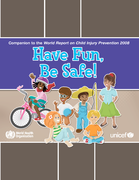
Companion to the World Report on Child Injury Prevention 2008
This child-friendly version of the World report on child injury prevention aims to inform children, aged 7 - 11 years, about various types of injuries and how these may be prevented by using a mixture of facts, puzzles, ... games and other visual material.
Original file: 24 MB more
This child-friendly version of the World report on child injury prevention aims to inform children, aged 7 - 11 years, about various types of injuries and how these may be prevented by using a mixture of facts, puzzles, ... games and other visual material.
Original file: 24 MB more

A two-week mission was conducted by WASH and quality UHC technical experts from WHO headquarters and supported by the WHO Ethiopia Country Office (WASH and health systems teams) in July 2016, to understand how change in WASH services and quality improvements have been implemented in Ethiopia at nati
...
onal, sub-national and facility levels; to document existing activities; and through the “joint lens” of quality UHC and WASH, to identify and seek to address key bottlenecks in specific areas including leadership, policy/financing, monitoring and evaluation, evidence application and facility improvements. Ethiopia has implemented a number of innovative and successful interventions.
more

Census Report Volume 4-C
The 2014 Myanmar Census provided the opportunity to measure maternal mortality. The questions on deaths in households during the twelve months prior to the Census were included in the questionnaire, as well as questions necessary to estimate maternal mortality indicator ... s. more
The 2014 Myanmar Census provided the opportunity to measure maternal mortality. The questions on deaths in households during the twelve months prior to the Census were included in the questionnaire, as well as questions necessary to estimate maternal mortality indicator ... s. more
Census Report Volume 4-E
As no census has been undertaken in over 30 years, many aspects of the demographic situation in the country were unknown. For instance, before the Census it was thought that the country had a population of about 60 million, but the 2014 Census showed that the population ... (including an estimate for under-enumeration) was 51,486,253 persons, around 8.5 million less than the previous estimate.
In the 1983 census, 35,307,913 persons were recorded. Therefore between 1983 and 2014, the population increased by 46 per cent. With an average annual population growth rate of 0.89 per cent between 2003 and 2014, Myanmar is one of the slowest growing countries in Southeast Asia. more
As no census has been undertaken in over 30 years, many aspects of the demographic situation in the country were unknown. For instance, before the Census it was thought that the country had a population of about 60 million, but the 2014 Census showed that the population ... (including an estimate for under-enumeration) was 51,486,253 persons, around 8.5 million less than the previous estimate.
In the 1983 census, 35,307,913 persons were recorded. Therefore between 1983 and 2014, the population increased by 46 per cent. With an average annual population growth rate of 0.89 per cent between 2003 and 2014, Myanmar is one of the slowest growing countries in Southeast Asia. more

Census Report Volume 4-K
The results of the 2014 Census collected only relates to four of the six types of disability domains recommended by the Washington Group on Disability Statistics, namely: seeing, hearing, walking, and remembering or concentrating.
Out of a total of 50.3 million pe ... rsons enumerated in the 2014 Census, there were 2.3 million persons (4.6 per cent of the total population) who reported some degree of difficulty with either one or more of the four functional domains. Of this number, over half a million (representing over 1 per cent of the population as a whole) reported having a lot of difficulty or could not do one or more of the four activities at all (referred to as severe disability). Among those with the severest degree of disability, 55 thousand were blind, 43 thousand were deaf, 99 thousand could not walk at all and 90 thousand did not have the capability to remember or concentrate.
The Census shows that disability is predominantly an old age phenomenon with its prevalence remaining low up to a certain age, after which rates increase substantially. more
The results of the 2014 Census collected only relates to four of the six types of disability domains recommended by the Washington Group on Disability Statistics, namely: seeing, hearing, walking, and remembering or concentrating.
Out of a total of 50.3 million pe ... rsons enumerated in the 2014 Census, there were 2.3 million persons (4.6 per cent of the total population) who reported some degree of difficulty with either one or more of the four functional domains. Of this number, over half a million (representing over 1 per cent of the population as a whole) reported having a lot of difficulty or could not do one or more of the four activities at all (referred to as severe disability). Among those with the severest degree of disability, 55 thousand were blind, 43 thousand were deaf, 99 thousand could not walk at all and 90 thousand did not have the capability to remember or concentrate.
The Census shows that disability is predominantly an old age phenomenon with its prevalence remaining low up to a certain age, after which rates increase substantially. more

The Republic of the Union of Myanmar is at a historic moment, with a new civilian government assuming power in 2016. The country graduated to lower-middle-income status in 2015, and has made significant progress in reducing poverty, improving food security and addressing malnutrition.
The remai ... ning challenges to food and nutrition security and achievement of Sustainable Development Goal 2 targets include continued population displacements resulting from conflict, vulnerability to extreme weather events, poverty, limited social protection coverage, high malnutrition and persistent gender inequalities. more
The remai ... ning challenges to food and nutrition security and achievement of Sustainable Development Goal 2 targets include continued population displacements resulting from conflict, vulnerability to extreme weather events, poverty, limited social protection coverage, high malnutrition and persistent gender inequalities. more

Together we can Prevent and Control the World's Most Common Diseases
Objectives of the training manual
(1) To improve knowledge of NCD trends, burdens, as well as systems for management and monitoring of NCD services for Township Medical Officers (TMOs), Township Public Health Officers (TP ... HOs), Medical Officers (MOs). The manual can also be used for training of Basic Health staff (BHS), TMOs, TPHOs and MOs,
(2) To equip trainers to train BHS to conduct PEN protocols at the primary care level health centers,
(3) To equip trainers to train in processes to conduct PEN scaling up monitoring , supervision and evaluation activities. more
Objectives of the training manual
(1) To improve knowledge of NCD trends, burdens, as well as systems for management and monitoring of NCD services for Township Medical Officers (TMOs), Township Public Health Officers (TP ... HOs), Medical Officers (MOs). The manual can also be used for training of Basic Health staff (BHS), TMOs, TPHOs and MOs,
(2) To equip trainers to train BHS to conduct PEN protocols at the primary care level health centers,
(3) To equip trainers to train in processes to conduct PEN scaling up monitoring , supervision and evaluation activities. more

Disaster risk management systems analysis: A guide book
Baas, Stephan; Ramasamy, Selvaraju; Dey de Pryck, Jenny et al.
Food and Agriculture Organization of the United Nations (FAO)
(2008)
C1
The guide book provides a set of tools and methods to assess existing structures and capacities of national, district and local institutions with responsibilities for Disaster Risk Management (DRM) in order to improve their effectiveness and the integration of DRM concerns into development planning,
...
with particular reference to disaster-prone areas, vulnerable sectors and population groups.
The strategic use of the Guide is expected to enhance understanding of the strengths, weaknesses, opportunities and threats facing existing DRM institutional structures and their implications for on-going institutional change processes. It will also highlight the complex institutional linkages among various actors and sectors at different levels. more
The strategic use of the Guide is expected to enhance understanding of the strengths, weaknesses, opportunities and threats facing existing DRM institutional structures and their implications for on-going institutional change processes. It will also highlight the complex institutional linkages among various actors and sectors at different levels. more

This article examines the activities of national and international actors in Pharmaceutical Services (PS) in Mozambique from 2007 to 2012, focusing on the public provision of HIV/Aids, malaria and tuberculosis medicines. It describes how PS functions in the country, what actors are involved in this
...
area and the relations among them, pursuing salient issues in the modus operandi of partners in cooperation.
more

The publication aims to establish the rationale for inclusion and provides technical advice and tools for putting theory into practice. It is intended to be used as a reference during organizational and program/project development with a focus on gender responsiveness and disability inclusion as wel
...
l as a tool to support good practice in implementation.
This first part guides the reader through the process of assessing whether or not the organization is ready to change towards becoming a more inclusive organization. The second part introduces the ACAP framework, which sets up a way of approaching inclusion via focus on the areas: Access, Communication, Attitude and Participation. It then demonstrates how the framework can be applied to projects and programmes. The third part provides guidelines for the people who will guide organizations through the process of change towards becoming inclusive of persons from marginalized groups. more
This first part guides the reader through the process of assessing whether or not the organization is ready to change towards becoming a more inclusive organization. The second part introduces the ACAP framework, which sets up a way of approaching inclusion via focus on the areas: Access, Communication, Attitude and Participation. It then demonstrates how the framework can be applied to projects and programmes. The third part provides guidelines for the people who will guide organizations through the process of change towards becoming inclusive of persons from marginalized groups. more
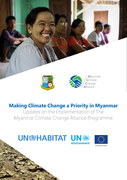

The purpose of this document is to provide a comprehensive overview of existing institutional arrangement for disaster management in Myanmar at all levels with an aim to make information available to all stakeholders involved in disaster risk management in Myanmar.

The strategic priorities of the CCS 2014–2018 are:
(1) Strengthening the health system.
(2) Enhancing the achievement of communicable disease control targets.
(3) Controlling the growth of the noncommunicable disease burden.
(4) Promoting health throughout the life course.
... (5) Strengthening capacity for emergency risk management and surveillance systems for various health threats. more
(1) Strengthening the health system.
(2) Enhancing the achievement of communicable disease control targets.
(3) Controlling the growth of the noncommunicable disease burden.
(4) Promoting health throughout the life course.
... (5) Strengthening capacity for emergency risk management and surveillance systems for various health threats. more