
Filter
1839
Text search:
background
paper
Featured
133
497
Language
1781
57
33
23
21
11
10
7
3
3
3
2
1
1
1
1
1
1
1
1
1
1
1
1
1
1
1
1
1
1
1
1
1
1
1
1
1
Document type
1249
275
137
84
40
39
10
2
2
1
Countries
70
61
60
54
48
47
46
42
33
33
32
32
31
30
26
25
25
22
19
19
18
17
16
14
12
12
11
10
10
10
10
10
10
9
9
8
8
7
7
7
6
6
6
6
6
5
5
5
5
5
4
4
4
4
4
3
3
3
3
2
2
2
2
2
2
2
2
2
2
2
2
1
1
1
1
1
1
1
1
1
1
1
1
1
1
1
1
1
1
1
1
1
1
1
1
1
1
1
1
Authors & Publishers
161
99
89
46
41
40
35
34
28
25
17
17
13
12
12
12
11
9
9
9
9
9
8
8
8
8
8
7
7
7
7
7
7
7
7
6
6
6
6
6
5
5
5
5
5
5
5
5
5
5
4
4
4
4
4
4
4
4
4
4
4
4
4
4
4
4
4
4
4
4
4
4
4
4
4
4
3
3
3
3
3
3
3
3
3
3
3
3
3
3
3
3
3
3
3
3
3
3
3
3
3
3
3
3
3
3
3
3
3
3
3
3
3
3
3
2
2
2
2
2
2
2
2
2
2
2
2
2
2
2
2
2
2
2
2
2
2
2
2
2
2
2
2
2
2
2
2
2
2
2
2
2
2
2
2
2
2
2
2
2
2
2
2
2
2
2
2
2
2
2
2
2
2
2
2
2
2
2
2
2
2
2
2
2
2
2
2
2
2
2
2
2
2
2
2
2
2
2
2
2
2
2
2
2
2
2
2
2
2
2
2
2
2
2
2
2
2
2
2
2
2
2
2
2
2
2
2
2
2
2
2
2
1
1
1
1
1
1
1
1
1
1
1
1
1
1
1
1
1
1
1
1
1
1
1
1
1
1
1
1
1
1
1
1
1
1
1
1
1
1
1
1
1
1
1
1
1
1
1
1
1
1
1
1
1
1
1
1
1
1
1
1
1
1
1
1
1
1
1
1
1
1
1
1
1
1
1
1
1
1
1
1
1
1
1
1
1
1
1
1
1
1
1
1
1
1
1
1
1
1
1
1
1
1
1
1
1
1
1
1
1
1
1
1
1
1
1
1
1
1
1
1
1
1
1
1
1
1
1
1
1
1
1
1
1
1
1
1
1
1
1
1
1
1
1
1
1
1
1
1
1
1
1
1
1
1
1
1
1
1
1
1
1
1
1
1
1
1
1
1
1
1
1
1
1
1
1
1
1
1
1
1
1
1
1
1
1
1
1
1
1
1
1
1
1
1
1
1
1
1
1
1
1
1
1
1
1
1
1
1
1
1
1
1
1
1
1
1
1
1
1
1
1
1
1
1
1
1
1
1
1
1
1
1
1
1
1
1
1
1
1
1
1
1
1
1
1
1
1
1
1
1
1
1
1
1
1
1
1
1
1
1
1
1
1
1
1
1
1
1
1
1
1
1
1
1
1
1
1
1
1
1
1
1
1
1
1
1
1
1
1
1
1
1
1
1
1
1
1
1
1
1
1
1
1
1
1
1
1
1
1
1
1
1
1
1
1
1
1
1
1
1
1
1
1
1
1
1
1
1
1
1
1
1
1
1
1
1
1
1
1
1
1
1
1
1
1
1
1
1
1
1
1
1
1
1
1
1
1
1
1
1
1
1
1
1
1
1
1
1
1
1
1
1
1
1
1
1
1
1
1
1
1
1
1
1
1
1
1
1
1
1
1
1
1
1
1
1
1
1
1
1
1
1
1
1
1
1
1
1
1
1
1
1
1
1
1
1
1
1
1
1
1
1
1
1
1
1
1
1
1
1
1
1
1
1
1
1
1
1
1
1
1
1
1
1
1
1
1
1
1
1
1
1
1
1
1
1
1
1
1
1
1
1
1
1
1
1
1
1
1
1
1
1
1
1
1
1
1
1
1
1
1
1
1
1
1
1
1
1
1
1
1
1
1
1
1
1
1
1
1
1
1
1
1
1
1
1
1
1
1
1
1
1
1
1
1
1
1
1
1
1
1
1
1
1
1
1
1
1
1
1
1
1
1
1
1
1
1
1
1
1
1
1
1
1
1
1
1
1
1
1
1
1
1
1
1
1
1
1
1
1
1
1
1
1
1
1
1
1
1
1
1
1
1
1
1
1
1
1
1
1
1
1
1
1
1
1
1
1
1
1
1
1
1
1
1
1
1
1
1
1
1
1
1
1
1
1
1
1
1
1
1
1
1
1
1
1
1
1
1
1
1
1
1
1
1
1
1
1
1
1
1
1
1
1
1
1
1
1
1
1
1
1
1
1
1
1
1
1
1
1
1
1
1
1
1
1
1
1
1
1
1
1
1
1
1
1
1
1
1
1
1
1
1
1
1
1
1
1
1
1
1
1
1
1
1
1
1
1
1
1
1
1
1
1
1
1
1
1
1
1
1
1
1
1
1
1
1
1
1
1
1
1
1
1
1
1
1
1
1
1
1
1
1
1
1
1
1
1
1
1
1
1
1
1
1
1
1
1
1
1
1
1
1
1
1
1
1
1
1
1
1
1
1
1
1
1
1
1
1
1
1
1
1
1
1
1
1
1
1
1
1
1
1
1
1
1
1
1
1
1
1
1
1
1
1
1
1
1
1
1
1
1
1
1
1
1
1
1
1
1
1
1
1
1
1
1
1
1
1
1
1
1
1
1
1
1
1
1
1
1
1
1
1
1
1
1
1
1
1
1
1
1
1
1
1
1
1
1
1
1
1
1
1
1
1
1
1
1
1
1
1
1
1
1
1
1
1
1
1
1
1
1
1
1
1
1
1
1
1
1
1
1
1
1
1
1
1
1
1
1
1
1
1
1
1
1
1
1
1
1
1
1
1
1
1
1
1
1
1
1
1
1
1
1
1
1
1
1
1
1
1
1
1
1
1
1
1
1
1
1
1
1
1
1
1
1
1
1
1
1
1
1
1
1
1
1
1
1
1
1
1
1
1
1
1
1
1
1
1
1
1
1
1
1
1
1
1
1
1
1
1
1
1
1
1
1
1
1
1
1
1
1
1
1
1
1
1
1
1
1
1
1
1
1
1
1
1
1
1
1
1
1
1
1
1
1
1
1
1
1
1
1
1
1
1
1
1
1
1
1
1
1
1
1
1
1
1
1
1
1
1
1
1
1
1
1
1
1
1
1
1
1
1
1
1
1
1
1
1
1
1
1
1
1
1
1
1
1
1
1
1
1
1
1
1
1
1
1
1
1
1
1
1
1
1
1
1
1
1
1
1
1
1
1
1
1
1
1
1
1
1
1
1
1
1
1
1
1
1
1
1
1
1
1
1
1
1
1
1
1
1
1
1
1
1
1
1
1
1
1
1
1
1
1
1
1
1
1
1
1
1
1
1
1
1
1
1
1
1
1
1
1
1
1
1
1
1
1
1
1
1
1
1
1
1
1
1
1
1
1
1
1
1
1
1
1
1
1
1
1
1
1
1
1
1
1
1
1
1
1
1
1
1
1
1
1
1
1
1
1
1
1
1
1
1
1
1
1
1
1
1
1
1
1
1
1
1
1
1
1
1
1
1
1
1
1
1
1
1
1
1
1
1
1
1
1
1
1
1
1
1
1
1
1
1
1
1
1
1
1
1
1
1
1
1
1
1
1
1
1
1
1
1
1
1
1
1
1
1
1
1
1
1
1
1
1
1
1
1
1
1
1
1
1
1
1
1
1
1
1
1
1
1
1
1
1
1
1
1
1
1
1
1
1
1
1
1
1
1
1
1
1
1
1
1
1
1
1
1
1
1
1
1
1
1
1
1
1
1
1
1
1
1
1
1
1
1
1
1
1
1
1
1
1
1
1
1
1
1
1
1
1
1
1
1
1
1
1
1
1
1
1
1
1
1
1
1
1
1
1
1
1
1
1
1
1
1
1
1
1
1
1
1
1
1
1
1
1
1
1
1
1
1
1
1
1
1
1
1
1
1
1
1
1
1
1
1
1
1
1
1
1
1
1
1
1
1
1
1
1
1
1
1
1
1
1
1
1
1
1
1
1
1
1
1
1
1
1
1
1
1
1
1
1
1
1
1
1
1
1
1
1
1
1
1
1
1
1
1
1
1
1
1
1
1
1
1
1
1
1
1
1
1
1
1
1
1
1
1
1
1
1
1
1
1
1
1
1
1
1
1
1
1
1
1
1
1
1
1
1
1
1
1
1
1
1
1
1
1
1
1
1
1
1
1
1
1
1
1
1
1
1
1
1
1
1
1
1
1
1
1
1
1
1
1
1
1
1
1
1
1
1
1
1
1
1
1
1
1
1
1
1
1
1
1
1
1
1
1
1
1
1
1
1
1
1
1
1
1
1
1
1
1
1
1
1
1
1
1
1
1
1
1
1
1
1
1
1
1
1
1
1
1
1
1
1
1
1
1
1
1
1
1
1
1
1
1
1
1
1
1
1
1
1
1
1
1
1
1
1
1
1
1
1
1
1
1
1
1
1
1
1
1
1
1
1
1
1
1
1
1
1
1
1
1
1
1
1
1
1
1
1
1
1
1
1
1
1
1
1
1
1
1
1
1
1
1
1
1
1
1
1
1
1
1
1
1
1
1
1
1
1
1
1
1
1
1
1
1
1
1
1
1
1
1
1
1
1
1
1
1
1
1
1
1
1
1
1
1
1
1
1
1
1
1
1
1
1
1
1
1
1
1
1
1
1
1
1
1
1
1
1
1
1
1
1
1
1
1
1
1
1
1
1
1
1
1
1
1
1
1
1
1
1
1
1
1
1
1
1
1
1
1
1
1
1
1
1
1
1
1
1
1
1
1
1
1
1
1
1
1
1
1
1
1
1
1
1
1
1
1
1
1
1
1
1
1
1
Publication Years
1
299
1294
229
15
1
Category
707
109
103
96
90
74
26
1
1
Toolboxes
152
127
118
80
75
56
52
45
39
36
34
34
34
32
26
24
21
19
17
10
9
8
3
1
1
The Toolkit is a resource that may be used by businesses of all sizes in the different sectors. The guidelines provided in the Toolkit are intentionally general so they can easily be adapted by employers to their specific business culture, working environment and human resource procedures.
The Tool
...
kit will be particularly relevant to designated employers in terms of the Employment Equity Act 55 of 1998. Human resources personnel, DPO’s and all organisations pursuing greater employment opportunities
for persons with disabilities will find the Toolkit similarly useful.
more

Stats SA has released an in-depth report on persons with disabilities. The report, written using Census 2011 data, is the first in a series of in-depth analyses of various Census 2011 variables, such as ageing and education.
The report provides statistical evidence relating to the prevalence of dis
...
ability and characteristics of persons with disabilities at both individual and household levels. Two methods were used to profile disability prevalence and patterns based on the six functional domains, namely seeing, hearing, communication, remembering/concentrating, walking and self-care. These two methods were:
- the level/degree of difficulty in a specific functional domain and;
- the disability index.
more

Research Report
Health in All Policies (HiAP) is not a new concept. While the term “HiAP” has received much attention since the 1990s, the concept
of working across sectors of government for improved population health and wellbeing is much older than that. Over the last few decades the term has been applied t
...
o multiple health topics and challenges – whetherimplicitly or explicitly.
more
This report shows that frontier agriculture is a viable complement to conventional agriculture, particularly in Africa and countries affected by fragility, conflict, and violence (FCV).
Event-based surveillance (EBS) is defined as the organized collection, monitoring, assessment and interpretation of mainly unstructured ad hoc information regarding health events or risks, which may represent an acute risk to health. Both indicator-based and event-based surveillance components serve
...
the early warning and response (EWAR) function of the public health surveillance system. The Framework for Event-based Surveillance offers guidance to public health practitioners seeking to implement EBS at each administrative level in healthier countries.
more
The arrival and rapid spread of the mosquito-borne viral disease Chikungunya across the Americas is one of the most significant public health developments of recent years, preceding and mirroring the subsequent spread of Zika. Globalization in trade and travel can lead to the importation of these vi
...
ruses, but climatic conditions strongly affect the efficiency of transmission in local settings. In order to direct preparedness for future outbreaks, it is necessary to anticipate global regions that could become suitable for Chikungunya transmission. Here, we present global correlative niche models for autochthonous Chikungunya transmission. These models were used as the basis for projections under the representative concentration pathway (RCP) 4.5 and 8.5 climate change scenarios. In a further step, hazard maps, which account for population densities, were produced. The baseline models successfully delineate current areas of active Chikungunya transmission. Projections under the RCP 4.5 and 8.5 scenarios suggest the likelihood of expansion of transmission-suitable areas in many parts of the world, including China, sub-Saharan Africa, South America, the United States and continental Europe. The models presented here can be used to inform public health preparedness planning in a highly interconnected world.
more
Non-Motorized Transport (NMT) has immense benefits for individual users, as well as society at large, through improvements to physical health, air quality, the environment, climate change, personal finance, accessibility, mobility and the empowerment of vulnerable groups.
Learnings from the COVID-19 evidence response and recommendations for the future.
Reflections and recommendations from the evidence synthesis community.
mhGAP Humanitarian Intervention Guide (mhGAP-HIG) training of health-care providers. Training manual
recommended
The mhGAP Humanitarian Intervention Guide (mhGAP-HIG) Training of Health-Care Providers manual is designed to guide facilitators in training non-specialist health care providers to manage mental, neurological and substance use conditions in humanitarian emergency settings.
The manual covers sugge
...
sted training schedules, learning objectives, and tips for planning and facilitating the training. It also includes step-by-step training modules for different conditions covered in the mhGAP Humanitarian Intervention Guide (mhGAP-HIG).
more
PlosOne May 7, 2012 https://doi.org/10.1371/journal.pone.0036735 ; Safe drinking water is critical for health. Household water treatment (HWT) has been recommended for improving access to potable water where existing sources are unsafe. Reports of low adherence to HWT may limit the usefulness of thi
...
s approach, however.
more
This open access book not only describes the challenges of climate disruption, but also presents solutions. The challenges described include air pollution, climate change, extreme weather, and related health impacts that range from heat stress, vector-borne diseases, food and water insecurity and ch
...
ronic diseases to malnutrition and mental well-being.
more
CoPEH-Canada has generated a series of teaching and training resources over more than a decade. These resources began with the production of the CoPEH-Canada Teaching Manual (2012), which is dedicated to Bruce Hunter. Our training resources have expanded to include a range of resources including: Mo
...
dules (in pdf and online format), videos, Webalogue recordings, and other resources.
more
An interdisciplinary study within the framework of the dialogue project on the contribution of the Catholic Church to a socio-ecological transformation.
The study examines the obstacles to the implementation of the socio-ecological transformation and develops recommendations for action.
Studien der Sachverständigengruppe „Weltwirtschaft und Sozialethik“ Nr. 21
On the basis of a reflection on social ethics, the German Bishops’ Conference expert panel on "Global Economy and Social Ethics" has analyzed the role of economic growth in relation to environmental issues and sustain
...
able development. The chairman of the expert panel outlines the main results of this text.
more
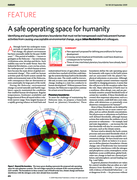
Identifying and quantifying planetary boundaries that must not be transgressed could help prevent human
activities from causing unacceptable environmental changes.
nature Vol 461|24 September 2009
Environment International Volume 86, January 2016, Pages 14-23
Climate change refers to long-term shifts in weather conditions and patterns of extreme weather events. It may lead to changes in health threat to human beings, multiplying existing health problems. This review examines the scientific e
...
vidences on the impact of climate change on human infectious diseases. It identifies research progress and gaps on how human society may respond to, adapt to, and prepare for the related changes. Based on a survey of related publications between 1990 and 2015, the terms used for literature selection reflect three aspects — the components of infectious diseases, climate variables, and selected infectious diseases. Humans' vulnerability to the potential health impacts by climate change is evident in literature. As an active agent, human beings may control the related health effects that may be effectively controlled through adopting proactive measures, including better understanding of the climate change patterns and of the compound disease-specific health effects, and effective allocation of technologies and resources to promote healthy lifestyles and public awareness. The following adaptation measures are recommended: 1) to go beyond empirical observations of the association between climate change and infectious diseases and develop more scientific explanations, 2) to improve the prediction of spatial–temporal process of climate change and the associated shifts in infectious diseases at various spatial and temporal scales, and 3) to establish locally effective early warning systems for the health effects of predicated climate change.
more
