
Filter
4117
Text search:
outbreak
Featured
484
1092
Language
3507
293
161
119
109
97
43
31
30
10
10
8
7
5
5
5
5
4
4
3
3
3
3
2
2
2
2
2
2
2
2
1
1
1
1
1
1
1
1
1
1
1
1
1
1
1
1
1
1
1
1
1
1
1
1
1
1
1
Document type
1785
719
649
208
198
175
153
74
42
40
35
20
12
1
Countries
258
229
180
155
125
114
92
85
80
78
74
67
66
66
66
64
63
63
58
57
56
56
54
51
49
48
45
43
42
38
38
38
37
36
35
32
31
31
29
27
27
26
24
23
23
23
21
21
19
19
18
18
18
18
17
17
16
15
13
13
12
12
12
11
11
11
11
11
10
9
9
9
9
8
8
7
7
7
7
7
7
7
6
6
6
6
6
6
6
6
6
5
5
5
5
4
4
4
4
4
4
4
3
3
3
3
3
3
3
3
3
3
2
2
2
2
2
2
2
2
2
2
2
2
2
2
2
2
2
2
2
1
1
1
1
1
1
1
1
1
1
1
1
1
1
1
1
1
1
Authors & Publishers
692
225
142
127
114
101
66
56
53
49
47
37
35
31
29
29
28
27
27
23
23
22
20
20
20
20
19
19
19
18
18
18
18
18
17
17
17
16
16
15
15
15
14
14
14
13
13
12
12
12
12
12
12
11
11
11
11
10
10
10
10
10
9
9
9
9
9
9
9
9
9
9
9
8
8
8
8
8
8
8
8
8
7
7
7
7
7
7
7
7
7
7
7
7
7
7
7
6
6
6
6
6
6
6
6
6
6
6
6
6
6
5
5
5
5
5
5
5
5
5
5
5
5
5
5
5
5
5
5
5
5
5
4
4
4
4
4
4
4
4
4
4
4
4
4
4
4
4
4
4
4
4
4
4
4
4
4
4
4
4
4
4
4
4
4
4
4
4
4
4
3
3
3
3
3
3
3
3
3
3
3
3
3
3
3
3
3
3
3
3
3
3
3
3
3
3
3
3
3
3
3
3
3
3
3
3
3
3
3
3
3
3
3
3
3
3
3
3
3
3
3
3
3
3
3
3
3
3
3
3
3
3
3
3
3
3
3
3
3
3
3
3
3
3
3
2
2
2
2
2
2
2
2
2
2
2
2
2
2
2
2
2
2
2
2
2
2
2
2
2
2
2
2
2
2
2
2
2
2
2
2
2
2
2
2
2
2
2
2
2
2
2
2
2
2
2
2
2
2
2
2
2
2
2
2
2
2
2
2
2
2
2
2
2
2
2
2
2
2
2
2
2
2
2
2
2
2
2
2
2
2
2
2
2
2
2
2
2
2
2
2
2
2
2
2
2
2
2
2
2
2
2
2
2
2
2
2
2
2
2
2
2
2
2
2
2
2
2
2
2
2
2
2
2
2
2
2
2
2
2
2
2
2
2
2
2
2
2
2
2
2
2
2
2
2
2
2
2
2
2
2
2
2
2
2
2
2
2
2
2
2
2
2
2
2
2
2
2
2
2
2
2
2
2
2
2
2
2
2
2
2
2
2
2
2
2
2
2
2
2
2
1
1
1
1
1
1
1
1
1
1
1
1
1
1
1
1
1
1
1
1
1
1
1
1
1
1
1
1
1
1
1
1
1
1
1
1
1
1
1
1
1
1
1
1
1
1
1
1
1
1
1
1
1
1
1
1
1
1
1
1
1
1
1
1
1
1
1
1
1
1
1
1
1
1
1
1
1
1
1
1
1
1
1
1
1
1
1
1
1
1
1
1
1
1
1
1
1
1
1
1
1
1
1
1
1
1
1
1
1
1
1
1
1
1
1
1
1
1
1
1
1
1
1
1
1
1
1
1
1
1
1
1
1
1
1
1
1
1
1
1
1
1
1
1
1
1
1
1
1
1
1
1
1
1
1
1
1
1
1
1
1
1
1
1
1
1
1
1
1
1
1
1
1
1
1
1
1
1
1
1
1
1
1
1
1
1
1
1
1
1
1
1
1
1
1
1
1
1
1
1
1
1
1
1
1
1
1
1
1
1
1
1
1
1
1
1
1
1
1
1
1
1
1
1
1
1
1
1
1
1
1
1
1
1
1
1
1
1
1
1
1
1
1
1
1
1
1
1
1
1
1
1
1
1
1
1
1
1
1
1
1
1
1
1
1
1
1
1
1
1
1
1
1
1
1
1
1
1
1
1
1
1
1
1
1
1
1
1
1
1
1
1
1
1
1
1
1
1
1
1
1
1
1
1
1
1
1
1
1
1
1
1
1
1
1
1
1
1
1
1
1
1
1
1
1
1
1
1
1
1
1
1
1
1
1
1
1
1
1
1
1
1
1
1
1
1
1
1
1
1
1
1
1
1
1
1
1
1
1
1
1
1
1
1
1
1
1
1
1
1
1
1
1
1
1
1
1
1
1
1
1
1
1
1
1
1
1
1
1
1
1
1
1
1
1
1
1
1
1
1
1
1
1
1
1
1
1
1
1
1
1
1
1
1
1
1
1
1
1
1
1
1
1
1
1
1
1
1
1
1
1
1
1
1
1
1
1
1
1
1
1
1
1
1
1
1
1
1
1
1
1
1
1
1
1
1
1
1
1
1
1
1
1
1
1
1
1
1
1
1
1
1
1
1
1
1
1
1
1
1
1
1
1
1
1
1
1
1
1
1
1
1
1
1
1
1
1
1
1
1
1
1
1
1
1
1
1
1
1
1
1
1
1
1
1
1
1
1
1
1
1
1
1
1
1
1
1
1
1
1
1
1
1
1
1
1
1
1
1
1
1
1
1
1
1
1
1
1
1
1
1
1
1
1
1
1
1
1
1
1
1
1
1
1
1
1
1
1
1
1
1
1
1
1
1
1
1
1
1
1
1
1
1
1
1
1
1
1
1
1
1
1
1
1
1
1
1
1
1
1
1
1
1
1
1
1
1
1
1
1
1
1
1
1
1
1
1
1
1
1
1
1
1
1
1
1
1
1
1
1
1
1
1
1
1
1
1
1
1
1
1
1
1
1
1
1
1
1
1
1
1
1
1
1
1
1
1
1
1
1
1
1
1
1
1
1
1
1
1
1
1
1
1
1
1
1
1
1
1
1
1
1
1
1
1
1
1
1
1
1
1
1
1
1
1
1
1
1
1
1
1
1
1
1
1
1
1
1
1
1
1
1
1
1
1
1
1
1
1
1
1
1
1
1
1
1
1
1
1
1
1
1
1
1
1
1
1
1
1
1
1
1
1
1
1
1
1
1
1
1
1
1
1
1
1
1
1
1
1
1
1
1
1
1
1
1
1
1
1
1
1
1
1
1
1
1
1
1
1
1
1
1
1
1
1
1
1
1
1
1
1
1
1
1
1
1
1
1
1
1
1
1
1
1
1
1
1
1
1
1
1
1
1
1
1
1
1
1
1
1
1
1
1
1
1
1
1
1
1
1
1
1
1
1
1
1
1
1
1
1
1
1
1
1
1
1
1
1
1
1
1
1
1
1
1
1
1
1
1
1
1
1
1
1
1
1
1
1
1
1
1
1
1
1
1
1
1
1
1
1
1
1
1
1
1
1
1
1
1
1
1
1
1
1
1
1
1
1
1
1
1
1
1
1
1
1
1
1
1
1
1
1
1
1
1
1
1
1
1
1
1
1
1
1
1
1
1
1
1
1
1
1
1
1
1
1
1
1
1
1
1
1
1
1
1
1
1
1
1
1
1
1
1
1
1
1
1
1
1
1
1
1
1
1
1
1
1
1
1
1
1
1
1
1
1
1
1
1
1
1
1
1
1
1
1
1
1
1
1
1
1
1
1
1
1
1
1
1
1
1
1
1
1
1
1
1
1
1
1
1
1
1
1
1
1
1
1
1
1
1
1
1
1
1
1
1
1
1
1
1
1
1
1
1
1
1
1
1
1
1
1
1
1
1
1
1
1
1
1
1
1
1
1
1
1
1
1
1
1
1
1
1
1
1
1
1
1
1
1
1
1
1
1
1
1
1
1
1
1
1
1
1
1
1
1
1
1
1
1
1
1
1
1
1
1
1
1
1
1
1
1
1
1
1
1
1
1
1
1
1
1
1
1
1
1
1
1
1
1
1
1
1
1
1
1
1
1
1
1
1
1
1
1
1
1
1
1
1
1
1
1
1
1
1
1
1
1
1
1
1
1
1
1
1
1
1
1
1
1
1
1
1
1
1
1
1
1
1
1
1
1
1
1
1
1
1
1
1
1
1
1
1
1
1
1
1
1
1
1
1
1
1
1
1
1
1
1
1
1
1
1
1
1
1
1
1
1
1
1
1
1
1
1
1
1
1
1
1
1
1
1
1
1
1
1
1
1
1
1
1
1
1
1
1
1
1
1
1
1
1
1
1
1
1
1
1
1
1
1
1
1
1
1
1
1
1
1
1
1
1
1
1
1
1
1
1
1
1
1
1
1
1
1
1
1
1
1
1
1
1
1
1
1
1
1
1
1
1
1
1
1
1
1
1
1
1
1
1
1
1
1
1
1
1
1
1
1
1
1
1
1
1
1
1
1
1
1
1
1
1
1
1
1
1
1
1
1
1
1
1
1
1
1
1
1
1
1
1
1
1
1
1
1
1
1
1
1
1
1
1
1
1
1
1
1
1
1
1
1
1
1
1
1
1
1
1
1
1
1
1
1
1
1
1
1
1
1
1
1
1
1
1
1
1
1
1
1
1
1
1
1
1
1
1
1
1
1
1
1
1
1
1
1
1
1
1
1
1
1
1
1
1
1
1
1
1
1
1
1
1
1
1
1
1
1
1
1
1
1
1
1
1
1
1
1
1
1
1
1
1
1
1
1
1
1
1
1
1
1
1
1
1
1
1
1
1
1
1
1
1
1
1
1
1
1
1
1
1
1
1
1
1
1
1
1
1
1
1
1
1
1
1
1
1
1
1
1
1
1
1
1
1
1
1
1
1
1
1
1
1
1
1
1
1
1
1
1
1
1
1
1
1
1
1
1
1
1
1
1
1
1
1
1
1
1
1
1
1
1
1
1
1
1
1
1
1
1
1
1
1
1
1
1
1
1
1
1
1
1
1
1
1
1
1
1
1
1
1
1
1
1
1
1
1
1
1
1
1
1
1
1
1
1
1
1
1
1
1
1
1
1
1
1
1
1
1
1
1
1
1
1
1
1
1
1
1
1
1
1
1
1
1
1
1
1
1
1
1
1
1
1
1
1
1
1
1
1
1
1
1
1
1
1
1
1
1
1
1
1
1
1
1
1
1
1
1
1
1
1
1
1
1
1
1
1
1
1
1
1
1
1
1
1
1
1
1
1
1
1
1
1
1
1
1
1
1
1
1
1
1
1
1
1
1
1
1
1
1
1
1
1
1
1
1
1
1
1
1
1
1
1
1
1
1
1
1
1
1
1
1
1
1
1
1
1
1
1
1
1
1
1
1
1
1
1
1
1
1
1
1
1
1
1
1
1
1
1
1
1
1
1
1
1
1
1
1
1
1
1
1
1
1
1
1
1
1
1
1
1
1
1
1
1
1
1
1
1
1
1
1
1
1
1
1
1
1
1
1
1
1
1
1
1
1
1
1
1
1
1
1
1
1
1
1
1
1
1
1
1
1
1
1
1
1
1
1
1
1
1
1
1
1
1
1
1
1
1
1
1
1
1
1
1
1
1
1
1
1
1
1
1
1
1
1
1
1
1
1
1
1
1
1
1
1
1
1
1
1
1
1
1
1
1
1
1
1
1
1
1
1
1
1
1
1
1
1
1
1
1
1
1
1
1
1
1
1
1
1
1
1
1
1
1
1
1
1
1
1
1
1
1
1
1
1
1
1
1
1
1
1
1
1
1
1
1
1
1
1
1
1
1
1
1
1
1
1
1
1
1
1
1
1
1
1
1
1
1
1
1
1
1
1
1
1
1
1
1
1
1
1
1
1
1
1
1
1
1
1
1
1
1
1
1
1
1
1
1
1
1
1
1
1
1
1
1
1
1
1
1
1
1
1
1
1
1
1
1
1
1
1
1
1
1
1
1
1
1
1
1
1
1
1
1
1
1
1
1
1
1
1
1
1
1
1
1
1
1
1
1
1
1
1
1
Publication Years
1
1956
1950
190
19
1
Category
1411
248
163
154
89
53
46
3
1
1
Toolboxes
1133
628
451
150
128
114
113
95
78
76
74
73
72
66
65
53
52
39
25
24
16
10
4
2
2
National Guidelines for Clinical Management of Dengue Syndrome - 4rd Edition
Prof. Dr. A. K. Azad; Prof. Dr. S. Tahamina; Prof. Q. T. Islam; et al.
Government of the People's Republic of Bangladesh DGHS Directorate General of Health Services Ministry of Health and Family Welfare ; World Health Organization (Bangladesh)
(2018)
C2
4th Edition 2018
National Malaria Elimination & Aedes Transmitted Disease Control Program
Disease Control Unit Directorate General of Health Services
This document sets out the preparedness and response plan of the Nigerian Primary Health Care System for COVID-19 Acute Respiratory Disease. It outlines the planning scenarios, key areas of work and priority activities required for the Primary Health Care Sector to quickly scale up its core capacity
...
to prevent, quickly detect, characterize and efficiently respond, in a coordinated manner to the COVID-19 pandemic. These include guidelines for the setup and operationalization of COVID-19 response platforms at the national and state levels, guidelines for the provision of PHC services during the pandemic to minimize transmission in PHCs as well as guidelines for preparedness and response of PHC Centres and communities for COVID-19 case detection and response.
more

Updated on 6 APRIL 2020
There are serious concerns that the situation might escalate in the next weeks modelling the epi curve of other regions. The interlinkages between human mobility and the current pandemic of COVID-19 are well established, and while international flights have been suspended i
...
n the region, the porous borders on land and water crossings remain difficult to control.
more
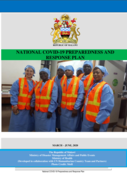
The Government of Malawi, in fulfilling its primary role of protecting the lives of its vulnerable citizens during disasters and reducing their exposure to risk through preparedness, led the development of a National Coronavirus Disease (COVID-19) Preparedness and Response Plan.

Kenya reported its first case of COVID-19 on 12 March 2020 and, as at 7 April 2020, 172 cases had been confirmed and 6 deaths reported. The Government of Kenya has taken a number of measures to curb the spread of the virus, including implementing a curfew, restricting movement out and into four coun
...
ties, including Nairobi Metropolitan, and closing most of the urban and rural markets to enforce social distancing. However, these measures, along with the global economic shock caused by the pandemic, are expected to generate new needs, requiring an immediate and urgent response.
more
COVID Reference 2021.6 EN
recommended
6th edition 13 January 2021 CR 2021.6.10, uploaded on 27 May 2021
Find eight editions: Deutsch | English | Español | Français | Italiano | Português | Tiếng Việt | Türkçe
https://covidreference.com/download
People in prisons and other places of detention live in a closed environment and in close proximity with one another – conditions that facilitate transmission of diseases. They also have a greater underlying burden of disease and worse health conditions than the general population, and frequently
...
face greater exposure to risks such as smoking, poor hygiene and weak immune defence due to stress, poor nutrition or existing diseases. All these factors make people living in prison more susceptible to infections.
more
24 April 2020
Policy considerations
for the WHO European Region
This document provides key considerations for Member States to help them to decide on the modulation
of large-scale restrictive public health measures
(i.e. movement restrictions and large-scale physical distancing), while at the
...
same time strengthening core public health service capacities (to identify, isolate,
test and treat every patient and quarantine contacts) together with personal protective measures (hand hygiene and respiratory etiquette) and individual physical distancing (>1 metre distance). The transition should be informed by national, subnational or even community-level risk assessments as the transmission of COVID-19 is typically not homogeneous within a country.
more
Mapping of Communication Resources COVID-19
recommended
This resource mapping contains signposting and direct links to a range of resource sites and content online; this includes information about the main sources for trustworthy information about the pandemic; sites for e-learning; organisations providing COVID-19 communication response guidance and too
...
ls; and sites providing downloadable materials such as factsheets and posters and access to material such as videos and audio.
more
Научная справка
8 апреля 2020 г.
В ответ на растущую пандемию COVID-19 и нехватку ресурсов и реагентов для молекулярного тестирования, многие производители диагностичÐ
...
µских тестов разработали и начали продавать простые в использовании экспресс-системы, позволяющие выполнять тестирование вне лабораторий. Эти простые тестовые наборы основаны либо на обнаружении белков вируса COVID-19 в респираторных образцах (например, мокроте, мазке из зева), либо на обнаружении в крови или сыворотке человека антител, образующихся в ответ на инфекцию.
more
Временное руководство
21 марта 2020 г.
Учреждения долговременного ухода (далее – УДУ), такие как дома-интернаты и реабилитационные центры, – это учреждения по уходу
...
за лицами с физической или психической инвалидностью, многие из которых – лица пожилого возраста. Проживающие в УДУ лица относятся к уязвимым категориям населения; для них характерен более высокий уровень риска неблагоприятных исходов и инфекционных заболеваний в связи с постоянным пребыванием в замкнутом пространстве с другими людьми.
more
Научная справка
24 апреля 2020 г.
При инфицировании в естественных условиях выработка иммунитета к патогенному микроорганизму проходит в несколько этапов и занимÐ
...
°ет от 1 до 2 недель. При вирусной инфекции врожденный иммунитет обеспечивает немедленную реакцию организма, которая заключается в активации неспецифического иммунного ответа, приводящего к замедлению инфекционного процесса макрофагами, нейтрофилами и дендритными клетками, и которая в ряде случаев обусловливает бессимптомное течение инфекции. Затем происходит активация адаптивного иммунного ответа, при котором в организме начинается выработка специфических антител, способных к связыванию с вирусными частицами. Данные антитела являются белками и носят название иммуноглобулинов. Кроме того, в организме образуются Т-клетки, способные распознавать и уничтожать другие клетки, пораженные вирусом. Это звено иммунитета носит название клеточного. Функционирование нескольких звеньев иммунитета при адаптивном ответе может способствовать элиминации вируса из организма, а при достаточной активности реакции – препятствовать переходу заболевания в тяжелую форму и повторному заражению той же инфекцией. Количественной мерой данного процесса является уровень антител в крови.
more
24 апреля 2020 г.
Рекомендации в отношении политики для Европейского региона ВОЗ
В настоящем документе описаны основные факторы, которые государствам-членам рекомÐ
...
µндуется
учитывать, принимая решения относительно коррекции масштабных ограничительных мер в области охраны общественного здоровья (таких как, например, ограничение свободы передвижения и повсеместное введение правила о физическом дистанцировании) и одновременного укрепления базового потенциала служб общественного здравоохранения (выявление, изоляция, тестирование и лечение всех пациентов и помещение в карантин всех лиц, с которыми они контактировали), мер личной защиты (гигиена рук и респираторный этикет) и норм личного физического дистанцирования (дистанция между людьми более одного метра). Переходный процесс должен осуществляться с учетом результатов оценки рисков, которую необходимо проводить на национальном, субнациональном и даже районном уровне, поскольку передача инфекции COVID-19
внутри одной и той же страны, как правило, носит неоднородный характер.
more

Руководство по состоянию на 20 марта 2020 г. Примечание: документ будет регулярно пересматриваться и обновляться по мере развития эпидемиологической ситуации с COVID-19
...
Услуги по иммунизации являются важнейшим компонентом работы служб иммунизации. Поэтому иммунизационные сессии в рамках плановой иммунизации следует проводить настолько долго, насколько это позволяют ответные меры на вспышку COVID-19. Решения, связанные с работой служб иммунизации, должны приниматься на основе детальной оценки эпидемиологии управляемых инфекций, сценария передачи COVID-193, предпринятых в связи с этим смягчающих мер, а также ресурсов системы иммунизации.
more

Accessed: 02.05.2020
Coronaviruses are a large family of viruses that are known to cause illness ranging from the common cold to more severe diseases such as Middle East Respiratory Syndrome (MERS) and Severe Acute Respiratory Syndrome (SARS).
Centre Africain de contrôle et de prévention des maladies (CDC Afrique) protocole par la surveillance renforcée du syndrome respiratoire aigu sévère (SRAS) et du syndrome grippal pour COVID-19 en Afrique
Mars 2020
Le nombre d’États membres de l’Union signalant des cas de COVID-19 est
...
en augmentation et il est probable que la transmission communautaire en Afrique se produira. L’OMS a récemment modifié la définition de cas suspect de COVID-19 pour inclure des infections respiratoires aiguës sévères et conseille de tester tous les cas de syndrome respiratoire aigu sévère (SRAS).1 Cependant, de nombreux États membres n’ont pas encore commencé à mettre en œuvre ces changements, ils concentrent toujours leurs efforts
de surveillance sur les personnes ayant des antécédents de voyage vers une zone de transmission locale de COVID-19. Cela signifie que les patients présentant des symptômes similaires, mais sans aucun contact apparent, peuvent ne pas être enquêtés.
more
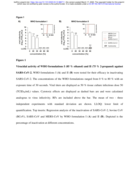
Emerg Infect Dis. 2020 Jul [date cited]. https://doi.org/10.3201/eid2607.200915
Infection control instructions call for use of alcohol-based hand rub solutions to inactivate severe acute respiratory syndrome coronavirus 2. We determined the virucidal activity of World Health Organization–recommen
...
ded hand rub formulations, at full strength and multiple dilutions, and of the active ingredients. All disinfectants demonstrated efficient virus inactivation.
more
