
Filter
2604
Text search:
community
mobilization
Featured
218
911
Language
2519
57
37
30
20
16
12
6
3
3
2
2
2
2
1
1
1
1
1
1
1
1
1
1
1
1
1
1
1
1
1
Document type
1707
288
233
168
106
43
31
17
4
3
2
Countries
113
109
105
93
91
91
88
73
67
54
52
50
48
42
40
40
40
38
37
37
28
28
27
24
23
22
21
21
21
21
20
19
18
18
17
14
14
13
13
13
12
11
11
11
10
9
9
8
8
8
7
7
7
7
7
7
6
6
6
6
6
5
5
5
5
4
4
4
4
4
4
3
3
3
3
3
3
3
3
2
2
2
2
2
2
2
2
2
2
1
1
1
1
1
1
1
1
1
1
1
1
1
1
1
1
1
1
1
1
1
1
1
1
1
1
1
Authors & Publishers
287
153
89
87
83
76
67
66
47
36
29
26
19
17
17
16
16
15
15
14
14
14
13
13
13
13
12
12
12
12
10
10
10
10
10
10
9
9
9
9
8
8
8
8
8
8
8
8
8
8
8
7
7
7
7
7
7
7
7
7
7
7
7
7
6
6
6
6
6
6
6
6
6
6
6
6
6
6
5
5
5
5
5
5
5
5
5
5
5
5
5
4
4
4
4
4
4
4
4
4
4
4
4
4
4
4
4
4
4
4
4
4
4
3
3
3
3
3
3
3
3
3
3
3
3
3
3
3
3
3
3
3
3
3
3
3
3
3
3
3
3
3
3
3
3
3
3
3
3
3
3
3
3
3
3
3
3
3
3
3
3
3
3
3
3
3
3
3
3
3
3
3
3
3
3
3
2
2
2
2
2
2
2
2
2
2
2
2
2
2
2
2
2
2
2
2
2
2
2
2
2
2
2
2
2
2
2
2
2
2
2
2
2
2
2
2
2
2
2
2
2
2
2
2
2
2
2
2
2
2
2
2
2
2
2
2
2
2
2
2
2
2
2
2
2
2
2
2
2
2
2
2
2
2
2
2
2
2
2
2
2
2
2
2
2
2
2
2
2
2
2
2
2
2
2
2
2
2
2
2
2
2
2
2
2
2
2
2
2
2
2
2
2
2
2
2
2
2
2
2
2
2
2
2
2
2
2
2
2
2
2
2
2
2
2
2
2
2
2
2
2
2
2
2
2
2
1
1
1
1
1
1
1
1
1
1
1
1
1
1
1
1
1
1
1
1
1
1
1
1
1
1
1
1
1
1
1
1
1
1
1
1
1
1
1
1
1
1
1
1
1
1
1
1
1
1
1
1
1
1
1
1
1
1
1
1
1
1
1
1
1
1
1
1
1
1
1
1
1
1
1
1
1
1
1
1
1
1
1
1
1
1
1
1
1
1
1
1
1
1
1
1
1
1
1
1
1
1
1
1
1
1
1
1
1
1
1
1
1
1
1
1
1
1
1
1
1
1
1
1
1
1
1
1
1
1
1
1
1
1
1
1
1
1
1
1
1
1
1
1
1
1
1
1
1
1
1
1
1
1
1
1
1
1
1
1
1
1
1
1
1
1
1
1
1
1
1
1
1
1
1
1
1
1
1
1
1
1
1
1
1
1
1
1
1
1
1
1
1
1
1
1
1
1
1
1
1
1
1
1
1
1
1
1
1
1
1
1
1
1
1
1
1
1
1
1
1
1
1
1
1
1
1
1
1
1
1
1
1
1
1
1
1
1
1
1
1
1
1
1
1
1
1
1
1
1
1
1
1
1
1
1
1
1
1
1
1
1
1
1
1
1
1
1
1
1
1
1
1
1
1
1
1
1
1
1
1
1
1
1
1
1
1
1
1
1
1
1
1
1
1
1
1
1
1
1
1
1
1
1
1
1
1
1
1
1
1
1
1
1
1
1
1
1
1
1
1
1
1
1
1
1
1
1
1
1
1
1
1
1
1
1
1
1
1
1
1
1
1
1
1
1
1
1
1
1
1
1
1
1
1
1
1
1
1
1
1
1
1
1
1
1
1
1
1
1
1
1
1
1
1
1
1
1
1
1
1
1
1
1
1
1
1
1
1
1
1
1
1
1
1
1
1
1
1
1
1
1
1
1
1
1
1
1
1
1
1
1
1
1
1
1
1
1
1
1
1
1
1
1
1
1
1
1
1
1
1
1
1
1
1
1
1
1
1
1
1
1
1
1
1
1
1
1
1
1
1
1
1
1
1
1
1
1
1
1
1
1
1
1
1
1
1
1
1
1
1
1
1
1
1
1
1
1
1
1
1
1
1
1
1
1
1
1
1
1
1
1
1
1
1
1
1
1
1
1
1
1
1
1
1
1
1
1
1
1
1
1
1
1
1
1
1
1
1
1
1
1
1
1
1
1
1
1
1
1
1
1
1
1
1
1
1
1
1
1
1
1
1
1
1
1
1
1
1
1
1
1
1
1
1
1
1
1
1
1
1
1
1
1
1
1
1
1
1
1
1
1
1
1
1
1
1
1
1
1
1
1
1
1
1
1
1
1
1
1
1
1
1
1
1
1
1
1
1
1
1
1
1
1
1
1
1
1
1
1
1
1
1
1
1
1
1
1
1
1
1
1
1
1
1
1
1
1
1
1
1
1
1
1
1
1
1
1
1
1
1
1
1
1
1
1
1
1
1
1
1
1
1
1
1
1
1
1
1
1
1
1
1
1
1
1
1
1
1
1
1
1
1
1
1
1
1
1
1
1
1
1
1
1
1
1
1
1
1
1
1
1
1
1
1
1
1
1
1
1
1
1
1
1
1
1
1
1
1
1
1
1
1
1
1
1
1
1
1
1
1
1
1
1
1
1
1
1
1
1
1
1
1
1
1
1
1
1
1
1
1
1
1
1
1
1
1
1
1
1
1
1
1
1
1
1
1
1
1
1
1
1
1
1
1
1
1
1
1
1
1
1
1
1
1
1
1
1
1
1
1
1
1
1
1
1
1
1
1
1
1
1
1
1
1
1
1
1
1
1
1
1
1
1
1
1
1
1
1
1
1
1
1
1
1
1
1
1
1
1
1
1
1
1
1
1
1
1
1
1
1
1
1
1
1
1
1
1
1
1
1
1
1
1
1
1
1
1
1
1
1
1
1
1
1
1
1
1
1
1
1
1
1
1
1
1
1
1
1
1
1
1
1
1
1
1
1
1
1
1
1
1
1
1
1
1
1
1
1
1
1
1
1
1
1
1
1
1
1
1
1
1
1
1
1
1
1
1
1
1
1
1
1
1
1
1
1
1
1
1
1
1
1
1
1
1
1
1
1
1
1
1
1
1
1
1
1
1
1
1
1
1
1
1
1
1
1
1
1
1
1
1
1
1
1
1
1
1
1
1
1
1
1
1
1
1
1
1
1
1
1
1
1
1
1
1
1
1
1
1
1
1
1
1
1
1
1
1
1
1
1
1
1
1
1
1
1
1
1
1
1
1
1
1
1
1
1
1
1
1
1
1
1
1
1
1
1
1
1
1
1
1
1
1
1
1
1
1
1
1
1
1
1
1
1
1
1
1
1
1
1
1
1
1
1
1
1
1
1
1
1
1
1
1
1
1
1
1
1
1
1
1
1
1
1
1
1
1
1
1
1
1
1
1
1
1
1
1
1
1
1
1
1
1
1
1
1
1
1
1
1
1
1
1
1
1
1
1
1
1
1
1
1
1
1
1
1
1
1
1
1
1
1
1
1
1
1
1
1
1
1
1
1
1
1
1
1
1
1
1
1
1
1
1
1
1
1
1
1
1
1
1
1
1
1
1
1
1
1
1
1
1
1
1
1
1
1
1
1
1
1
1
1
1
1
1
1
1
1
1
1
1
1
1
1
1
1
1
1
1
1
1
1
1
1
1
1
1
1
1
1
1
1
1
1
1
1
1
1
1
1
1
1
1
1
1
1
1
1
1
1
1
1
1
1
1
1
1
1
1
1
1
1
1
1
1
1
1
1
1
1
1
1
1
1
1
1
1
1
1
1
1
1
1
1
1
1
1
1
1
1
1
1
1
1
1
1
1
1
1
1
1
1
1
1
1
1
1
1
1
1
1
1
1
1
1
1
1
1
1
1
1
1
1
1
1
1
1
1
1
1
1
1
1
1
1
1
1
1
1
1
1
1
1
1
1
1
1
1
1
1
1
1
1
1
1
1
1
1
1
1
1
1
1
1
1
1
1
1
1
1
1
1
1
1
1
1
1
1
1
1
1
1
1
1
1
1
1
1
1
1
1
1
1
1
1
1
1
1
1
1
1
1
1
1
1
1
1
1
1
1
1
1
1
1
1
1
1
1
1
1
1
1
1
1
1
1
1
1
1
1
1
1
1
1
1
1
1
1
1
1
1
1
1
1
1
1
1
1
1
1
1
1
1
1
1
1
1
1
1
1
1
1
1
1
1
1
1
1
1
1
1
1
1
1
1
1
1
1
1
1
1
1
1
1
1
1
1
1
1
1
1
1
1
1
1
1
1
1
1
1
1
1
1
1
1
1
1
1
1
1
1
1
1
1
1
1
1
1
1
1
1
1
1
1
1
1
1
1
1
1
1
1
1
1
1
1
1
1
1
1
1
1
1
1
1
1
1
1
1
1
1
1
1
1
1
1
1
1
1
1
1
1
1
1
1
1
1
1
1
1
1
1
1
1
1
1
1
1
1
1
1
1
1
1
1
1
1
1
1
1
1
1
1
1
1
1
1
Publication Years
565
1779
253
7
Category
1217
153
124
107
106
41
5
4
1
Toolboxes
193
176
158
131
129
92
80
63
59
59
58
54
46
37
34
30
28
25
25
14
10
10
3
3
1
1
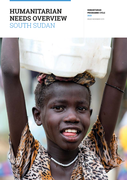
Context and impact of the crisis
A year after the signing of the Revitalized Agreement on the Resolution of the Conflict in South Sudan (R-ARCSS),1 the ceasefire holds in most parts of the country. Armed conflict between State security forces and opposition armed groups has been contained to a sma
...
ll number of areas in the Equatorias where Government forces continue to clash with non-signatories to the agreement. Many areas are seeing intra- and inter-communal violence, enabled by small-arms proliferation and weak rule of law. This is often driven by resource scarcity in areas that have experienced years of severe food insecurity.
more
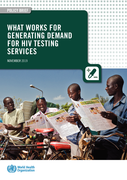
Policy brief.
Globally, one in five people with HIV are unaware of their status, despite considerable scale up of HIV testing, treatment and prevention services. Many of those unreached by HIV testing services (HTS) are from key populations, partners of people with HIV and, in Eastern and southern
...
Africa, men and young people. Improving the availability, accessibility, friendliness and quality of services is important to address these testing gaps.
At the same time, tools and interventions that increase the demand for HTS are needed to reach people who are uninformed about HTS options and advances in treatment and prevention, people who are not motivated to seek HTS and those who are hesitant to test because of fear of an HIV diagnosis or other reasons.
more

The Guide to operationalize HIV viral load testing HIV presents 60 lessons learnt from the project in a systemic approach including: viral load strategy, laboratories, procurement and supply management, patient care and economy.
A guide for civil society
Accessed: 30.01.2020
Strengthening the capacities of SUN Countries by sharing and disseminating good practices in the fight against malnutrition.
This report is a summary of the results of the preparation and implementation of the Learning Route (LR) organized jointly by the SUN (Scaling Up Nutrition) Movement’s S
...
ecretariat, the Fight Against Malnutrition Unit (CLM, Cellule de Lutte contre la Malnutrition) and PROCASUR Corporation; this Learning Route was held in Senegal from the 26th of May to the 1st of June, 2014. The aim of this publication is to illustrate the experience, its main outcomes, and the lessons learned.
more

Le gouvernement du Sénégal a mis à jour son engagement au Sommet sur la planification familiale à Londres, RoyaumeUni, le 11 juillet 2017.
Le texte qui suit résume l’engagement pris par le Dr Awa Marie Coll-Seck au nom du gouvernement du Sénégal le 11 juillet 2012, lors du Sommet de Londre
...
s sur la planification familiale.
more
Antibiotics use with care
Compendium of Case Studies
Pandemic Influenza Risk Management
recommended
A WHO guide to inform & harmonize national & international pandemic preparedness and response
The main updates from the 2013 interim guidance are:
Alignment with other relevant United Nations policies for crisis and emergency management, and
Inclusion of the significant development in re
...
cent years of the strategies for pandemic vaccine response during the start of a pandemic.
The guide is available in English, Arabic, Chinese, French, Spanish and Russian
more
16-24 February 2020
Over the reporting period, THP-Burkina Faso (THP-Burkina) maintained a continuous focus on ensuring the selfreliance of the health program in each of its epicenters. Building upon its exclusive use of government-run health clinics at its epicenters, THP-Burkina developed a firstever partnership agre
...
ement with the national Ministry of Health. This allowed greater partnership with medical professionals at the epicenter level, as was practiced at Boulkon Epicenter in June 2012 (see photo). THPBurkina continued advancing four of its 10 Phase III epicenter rural banks toward government recognition.
more
Knowing your status: then and now - Realizing the potential of HIV self-testing
Karin Hatzold; E. Corbett; H. Ingold; et al.
Unitaid (Innovation in Global Health); World Health Organization (WHO); HIV Self-Testing Africa Initiative
(2018)
C2
30th World AIDS Day Report
STAR Initiative, Unitaid and World Health Organization December 2018
The threat posed by antimicrobial resistance (AMR) to public health as well as global health security has been reiterated in umerous World Health Assembly (WHA) resolutions. AMR is also prioritized under the Global Health Security Agenda (GHSA), and India is one of the contributing countries. The Mi
...
nistry of Health & Family Welfare (MoHFW) identified AMR as one of the top 10 priorities for the ministry’s collaborative work with WHO. The National Health Policy 2017 identifies antimicrobial resistance as a problem and calls for effective action to address it. An international conference on AMR – “Combating Antimicrobial Resistance: A
Public Health Challenge and Priority”, was jointly organized by the Government of India and World Health Organization (WHO) in February 2016, which was attended by more than 350 participants. The Hon’ble Prime Minister, Shri Narendra Modi, and the Hon’ble Union Minister for Health, Shri J.P. Nadda have reiterated government’s commitment to tackle AMR.
more

This is the first NAP on the Prevention and Containment of AMR in Kenya. It has been developed based on the National Policy on Prevention and Containment of AMR and the recommendations of the situation analysis on AMR conducted in 2011 and updated in 2016. This strategy provides a regulatory and imp
...
lementation framework to establish and strengthen systems to contain the emergence and spread of AMR. Implementation of this strategy will require substantial funding and high-level political commitment. Because AMR is a multidisciplinary and intersectoral issue, successful implementation of this strategy will require effective coordination and collaboration among different sectors.
more
National Action Plan on Antimicrobial Resistance/Afghanistan
Ministry of Public Health, Afghanistan
Food and Agriculture Organization of the United Nations FAO
(2017)
C2
AMR is one of the Key priority of the global health security agenda action package, as well as it is one of the commitments of Ministry of Public Health Afghanistan to combat AMR. In Afghanistan because of war and some other political issues the borders of the country are not well secured and well c
...
ontrolled therefore control of smuggling of medicine is a big challenge in front of the rational use of medicine. Lack of knowledge (professionals and public), poor economic state, conflict of war, presence of remote areas and etc…. are the other main challenges for this to won the battle of combating AMR.
more
Updated with information on Ebola virus disease and Middle East respiratory syndrome coronavirus
A wide variety of health events ranging in severity may occur related to air transport, requiring different responses or, perhaps, no response at all. The target audience for this guidance document incl
...
udes the national focal points (NFP) for the IHR and public health authorities at PoE, as well as national aviation regulatory authorities, airport operators and personnel, aircraft operators, air crew and other stakeholders involved in air transport and emergency preparedness and response to public health events
more
Interim Guidcance March 2020
People affected by humanitarian crises, particularly those displaced and/or living in camps and camp-like settings, are often faced with specific challenges and vulnerabilities that must be taken into consideration when planning for readiness and response operations for
...
the COVID-19 outbreak. They are frequently neglected, stigmatized, and may face difficulties in accessing health services that are otherwise available to the general population. In the context of this Interim Guidance, the people in humanitarian situations affected by this guidance may include internally displaced persons (IDPs), host communities, asylum seekers, refugees and returnees, and migrants when in similar situations. While further adaptations might be needed for some population groups, including those living in slums this interim guidance is issued to assist field staff to immediately respond to urgent needs.
more
The most significant finding of the case study for integrating antimicrobial resistance (AMR)into existing programs and mobilising resources for funding in Nigeria, is that most of the AMR activities within the Nigerian National Action Plan (NAP)canalready be incorporated within exi
...
sting programs of the Federal Ministry of Health (FMOH), Federal Ministry of Agriculture and Rural Development (FMARD) and their agencies or institutes. Certain programs and initiatives already have an AMR element incorporated or could,with little effort,include some additional AMR actions, however much is already being planned and has started with existing federal funding and existing staffing and other resources including development partner support and is being driven by significant political will from the ministries as well as implementation support from the Nigerian Centers for Disease Control as the focal point.
more
The guidelines are to be used to guide the management of adults with lower respiratory tract infection (LRTI). As will be seen in the following text, this diagnosis, and the other clinical syndromes within this grouping, can be difficult to make accurately. In the absence of agreed definitions of th
...
ese syndromes these guidelines are to be used when, in the opinion of a clinician, an LRTI syndrome is present. The following are put forward as def-initions to guide the clinician, but it will be seen in the ensuingtext that some of these labels will always be inaccurate. These definitions are pragmatic and based on a synthesis of available studies. They are primarily meant to be simple to apply in clinical practice, and this might be at the expense of scientific accuracy. These definitions are not mutually exclusive, with lower respiratory tract infection being an umbrella term that includes all others, which can also be used for cases that cannot be classified into one of the other groups. No new evidence has been identified that would lead to a change in the clinical definitions,which are therefore unchanged from the 2005 publication.
Clin Microbiol Infect 2011;17(Suppl. 6): 1–24 The full version of these guidelines can be found on Wiley Online Library.
more
