
Filter
2385
Text search:
climate
change
Featured
188
564
Language
2275
95
93
54
52
38
30
29
8
5
5
4
4
4
4
3
3
2
2
2
2
2
1
1
1
1
1
1
1
1
1
1
1
1
1
Document type
979
721
191
158
127
62
48
38
16
15
14
11
3
Countries
193
70
52
50
44
42
38
35
35
32
29
28
27
26
24
24
24
23
22
22
21
20
19
19
19
18
17
17
16
15
14
13
12
11
11
11
11
11
11
10
10
10
10
9
9
9
9
9
9
9
8
8
8
8
8
7
6
6
6
6
5
5
4
4
4
4
4
4
3
3
3
3
2
2
2
2
2
2
2
2
2
2
2
2
2
2
2
1
1
1
1
1
1
1
1
1
1
1
1
1
1
1
1
1
1
1
1
1
1
1
1
1
1
1
1
1
1
1
1
1
Authors & Publishers
263
92
84
60
55
41
37
33
31
25
18
18
16
15
15
14
14
13
13
12
12
11
11
10
10
10
9
9
8
8
8
8
8
8
8
7
7
7
7
7
7
7
7
7
6
6
6
6
6
6
6
6
6
6
6
6
6
6
5
5
5
5
5
5
5
5
5
5
5
5
5
4
4
4
4
4
4
4
4
4
4
4
4
4
4
4
4
4
4
4
4
4
4
4
4
4
4
4
3
3
3
3
3
3
3
3
3
3
3
3
3
3
3
3
3
3
3
3
3
3
3
3
3
3
3
3
3
3
3
3
3
3
3
3
3
3
3
3
3
3
3
3
3
3
3
3
2
2
2
2
2
2
2
2
2
2
2
2
2
2
2
2
2
2
2
2
2
2
2
2
2
2
2
2
2
2
2
2
2
2
2
2
2
2
2
2
2
2
2
2
2
2
2
2
2
2
2
2
2
2
2
2
2
2
2
2
2
2
2
2
2
2
2
2
2
2
2
2
2
2
2
2
2
2
2
2
2
2
2
2
2
2
2
2
2
2
2
2
2
2
2
2
2
2
2
2
2
2
2
2
2
2
2
2
2
2
2
2
2
2
2
2
2
2
2
2
2
2
2
2
2
2
2
2
2
2
2
2
2
2
2
2
2
2
2
2
2
2
2
2
2
2
2
2
2
2
2
1
1
1
1
1
1
1
1
1
1
1
1
1
1
1
1
1
1
1
1
1
1
1
1
1
1
1
1
1
1
1
1
1
1
1
1
1
1
1
1
1
1
1
1
1
1
1
1
1
1
1
1
1
1
1
1
1
1
1
1
1
1
1
1
1
1
1
1
1
1
1
1
1
1
1
1
1
1
1
1
1
1
1
1
1
1
1
1
1
1
1
1
1
1
1
1
1
1
1
1
1
1
1
1
1
1
1
1
1
1
1
1
1
1
1
1
1
1
1
1
1
1
1
1
1
1
1
1
1
1
1
1
1
1
1
1
1
1
1
1
1
1
1
1
1
1
1
1
1
1
1
1
1
1
1
1
1
1
1
1
1
1
1
1
1
1
1
1
1
1
1
1
1
1
1
1
1
1
1
1
1
1
1
1
1
1
1
1
1
1
1
1
1
1
1
1
1
1
1
1
1
1
1
1
1
1
1
1
1
1
1
1
1
1
1
1
1
1
1
1
1
1
1
1
1
1
1
1
1
1
1
1
1
1
1
1
1
1
1
1
1
1
1
1
1
1
1
1
1
1
1
1
1
1
1
1
1
1
1
1
1
1
1
1
1
1
1
1
1
1
1
1
1
1
1
1
1
1
1
1
1
1
1
1
1
1
1
1
1
1
1
1
1
1
1
1
1
1
1
1
1
1
1
1
1
1
1
1
1
1
1
1
1
1
1
1
1
1
1
1
1
1
1
1
1
1
1
1
1
1
1
1
1
1
1
1
1
1
1
1
1
1
1
1
1
1
1
1
1
1
1
1
1
1
1
1
1
1
1
1
1
1
1
1
1
1
1
1
1
1
1
1
1
1
1
1
1
1
1
1
1
1
1
1
1
1
1
1
1
1
1
1
1
1
1
1
1
1
1
1
1
1
1
1
1
1
1
1
1
1
1
1
1
1
1
1
1
1
1
1
1
1
1
1
1
1
1
1
1
1
1
1
1
1
1
1
1
1
1
1
1
1
1
1
1
1
1
1
1
1
1
1
1
1
1
1
1
1
1
1
1
1
1
1
1
1
1
1
1
1
1
1
1
1
1
1
1
1
1
1
1
1
1
1
1
1
1
1
1
1
1
1
1
1
1
1
1
1
1
1
1
1
1
1
1
1
1
1
1
1
1
1
1
1
1
1
1
1
1
1
1
1
1
1
1
1
1
1
1
1
1
1
1
1
1
1
1
1
1
1
1
1
1
1
1
1
1
1
1
1
1
1
1
1
1
1
1
1
1
1
1
1
1
1
1
1
1
1
1
1
1
1
1
1
1
1
1
1
1
1
1
1
1
1
1
1
1
1
1
1
1
1
1
1
1
1
1
1
1
1
1
1
1
1
1
1
1
1
1
1
1
1
1
1
1
1
1
1
1
1
1
1
1
1
1
1
1
1
1
1
1
1
1
1
1
1
1
1
1
1
1
1
1
1
1
1
1
1
1
1
1
1
1
1
1
1
1
1
1
1
1
1
1
1
1
1
1
1
1
1
1
1
1
1
1
1
1
1
1
1
1
1
1
1
1
1
1
1
1
1
1
1
1
1
1
1
1
1
1
1
1
1
1
1
1
1
1
1
1
1
1
1
1
1
1
1
1
1
1
1
1
1
1
1
1
1
1
1
1
1
1
1
1
1
1
1
1
1
1
1
1
1
1
1
1
1
1
1
1
1
1
1
1
1
1
1
1
1
1
1
1
1
1
1
1
1
1
1
1
1
1
1
1
1
1
1
1
1
1
1
1
1
1
1
1
1
1
1
1
1
1
1
1
1
1
1
1
1
1
1
1
1
1
1
1
1
1
1
1
1
1
1
1
1
1
1
1
1
1
1
1
1
1
1
1
1
1
1
1
1
1
1
1
1
1
1
1
1
1
1
1
1
1
1
1
1
1
1
1
1
1
1
1
1
1
1
1
1
1
1
1
1
1
1
1
1
1
1
1
1
1
1
1
1
1
1
1
1
1
1
1
1
1
1
1
1
1
1
1
1
1
1
1
1
1
1
1
1
1
1
1
1
1
1
1
1
1
1
1
1
1
1
1
1
1
1
1
1
1
1
1
1
1
1
1
1
1
1
1
1
1
1
1
1
1
1
1
1
1
1
1
1
1
1
1
1
1
1
1
1
1
1
1
1
1
1
1
1
1
1
1
1
1
1
1
1
1
1
1
1
1
1
1
1
1
1
1
1
1
1
1
1
1
1
1
1
1
1
1
1
1
1
1
1
1
1
1
1
1
1
1
1
1
1
1
1
1
1
1
1
1
1
1
1
1
1
1
1
1
1
1
1
1
1
1
1
1
1
1
1
1
1
1
1
1
1
1
1
1
1
1
1
1
1
1
1
1
1
1
1
1
1
1
1
1
1
1
1
1
1
1
1
1
1
1
1
1
1
1
1
1
1
1
1
1
1
1
1
1
1
1
1
1
1
1
1
1
1
1
1
1
1
1
1
1
1
1
1
1
1
1
1
1
1
1
1
1
1
1
1
1
1
1
1
1
1
1
1
1
1
1
1
1
1
1
1
1
1
1
1
1
1
1
1
1
1
1
1
1
1
1
1
1
1
1
1
1
1
1
1
1
1
1
1
1
1
1
1
1
1
1
1
1
1
1
1
1
1
1
1
1
1
1
1
1
1
1
1
1
1
1
1
1
1
1
1
1
1
1
1
1
1
1
1
1
1
1
1
1
1
1
1
1
1
1
1
1
1
1
1
1
1
1
1
1
1
1
1
1
1
1
1
1
1
1
1
1
1
1
1
1
1
1
1
1
1
1
1
1
1
1
1
1
1
1
1
1
1
1
1
1
1
1
1
1
1
1
1
1
1
1
1
1
1
1
1
1
1
1
1
1
1
1
1
1
1
1
1
1
1
1
1
1
1
1
1
1
1
1
1
1
1
1
1
1
1
1
1
1
1
1
1
1
1
1
1
1
1
1
1
1
1
1
1
1
1
1
1
1
1
1
1
1
1
1
1
1
1
1
1
1
1
1
1
1
1
1
1
1
1
1
1
1
1
1
1
1
1
1
1
1
1
1
1
1
1
1
1
1
1
1
1
1
1
1
1
1
1
1
1
1
1
1
1
1
1
1
1
1
1
1
1
1
1
1
1
1
1
1
1
1
1
1
1
1
1
1
1
1
1
1
1
1
1
1
1
1
1
1
1
1
1
1
1
1
1
1
1
1
1
1
1
1
1
1
1
1
1
1
1
1
1
1
1
1
1
1
1
1
1
1
1
1
1
1
1
1
1
1
1
1
1
1
1
1
1
1
1
1
1
1
1
1
1
1
1
1
1
1
1
1
1
1
1
1
1
1
1
1
1
1
1
1
1
1
1
1
1
1
1
1
1
1
1
1
1
1
1
1
1
1
1
1
1
1
1
1
1
1
1
1
1
1
1
1
1
1
1
1
1
1
1
1
1
1
1
1
1
1
1
1
1
1
1
1
1
1
1
1
1
1
1
1
1
1
1
1
1
1
1
1
1
1
1
1
1
1
1
1
1
1
1
1
1
1
1
1
1
1
1
1
1
1
1
1
1
1
1
1
1
1
1
1
1
1
1
1
1
1
1
1
1
1
1
1
1
1
1
1
1
1
1
1
1
1
1
1
1
1
1
1
1
1
1
1
1
1
1
1
1
1
1
1
1
1
1
1
1
1
1
1
1
1
1
1
1
1
1
1
1
1
1
1
1
1
1
1
1
1
1
1
1
1
1
1
1
1
1
1
1
1
1
1
1
1
1
1
1
1
1
1
1
1
1
1
1
1
1
1
1
1
1
1
1
1
1
1
1
1
1
1
1
1
1
1
1
1
1
1
1
1
1
1
1
1
1
1
1
1
1
1
1
1
1
1
1
1
1
1
1
1
1
1
1
1
1
1
1
1
1
1
1
1
1
1
1
1
1
1
1
1
1
1
1
1
1
1
1
1
1
1
1
1
1
1
1
1
1
1
1
1
1
1
1
1
1
1
1
1
1
1
1
1
1
1
1
1
1
1
1
1
1
1
1
1
1
1
1
1
1
1
1
1
1
1
1
1
1
1
1
1
1
1
1
1
1
1
1
1
1
Publication Years
1
991
1218
164
9
1
1
Category
740
167
133
88
79
43
12
5
Toolboxes
569
167
161
105
101
99
74
74
67
56
52
50
44
37
35
33
32
20
18
17
14
9
4
2
1
1
The Guidance Notes seek to help operationalize, simplify and standardize the collection and reporting of data through the application of common language and methods. They provide information on the key issues to take into account in the collection of health data and the types of data that should be
...
collated, and potential stakeholders to engage with. They adapt and complement the UNDRR/UNISDR Technical guidance for monitoring and reporting on progress in achieving the global targets of the Sendai Framework for Disaster Risk Reduction, which has a multisectoral target audience.
more
The WHO country office for Ghana, began the year 2019 with a 4-day staff retreat at the Busua Beach Resort in the Western Region from 04 to 08 March 2019. The theme for the retreat was ‘Impacting the Health and Lives of the people of Ghana through the Triple Billion Goal”. The staff outlined pri
...
orities and strategies to strengthen WHO’s contribution to the national health agenda during the year. Working in collaboration with the Ministry of Health/Ghana Health Service and other allied health institutions and stakeholders, the WHO country office, provided support aimed at achieving its
mission which is attaining the highest level of health by the people in the country though its six operational areas which are (i) Communicable Diseases (ii) Non-Communicable Diseases, (iii) Promoting Health through the Life Course (iv), Health Systems, (v) Preparedness, Surveillance and Response (vi) Corporate services and enabling functions.
more
For the first time WHO and UNICEF bring together the data on sanitation coverage and investment, and how it impacts health, economies, and the environment. Citing evidence on what works from successful countries and global guidelines, WHO and UNICEF call for strong government leadership and investme
...
nt in resilient sanitation services. The report charts an ambitious way forward following the SDG6 global acceleration framework themes of governance, financing, capacity development, data and information, and innovation to achieve universal access to safe sanitation.
Read the full publication report here: https://www.who.int/publications/i/item/9789240014473.
more

The health impact of radiological and nuclear emergencies can last for decades. Lessons learned from past radiological and nuclear accidents have demonstrated that the mental health and psychosocial consequences can outweigh the direct physical health impacts of radiation exposure. International rad
...
iation emergency preparedness and response standards outline provisions for mitigating these effects. Yet, practical guidance for addressing the mental health and psychosocial aspects of radiation emergencies remains scarce.
This framework aims to promote integration between the MHPSS and radiation protection fields. It is intended for officials and specialists involved in radiation emergency planning and risk management as well as MHPSS experts working in health emergencies.
more
UNICEF Annual Report 2017 - Burkina Faso
- Healthcare policy for children
- Food insecurity
- Community health strategy
- National child protection system
etc.
Every year, nearly 250 million people move across borders temporarily or permanently for a job opportunity, studying, to flee a crisis back home, or for other reasons. Another 750 million move for similar reasons within the borders of their countries. With the understanding that human mobility affec
...
ts public health, and health affects human mobility and migrants, for decades, IOM has been providing critical health services to women, children and men on the move, while standing by governments for technical and operational support as needed. In 2019, in lower-income settings and in complex emergencies, along the world’s most perilous migration routes, in the aftermath of natural disasters or in response to disease outbreaks, IOM’s health teams have provided hundreds of thousands with primary health-care consultations, mental health and psychosocial support, sexual and reproductive health care, pre-migration health services, and much more.
This year, more than ever before, as the world reels from the socioeconomic impact of COVID-19, we have experienced that health is a cross-cutting component of overall human development and well-being.
more
In Control. A Practical Handbook for Professionals Working in Health Emergencies Internationally
recommended
In Control imparts knowledge, provokes reflection and triggers curiosity. The first half of the book provides an overview of the organisations, principles, frameworks and themes that every professional deploying to health emergencies should be aware of. The second half of the book provides practical
...
advice to help professionals survive and thrive during their mission – from staying healthy, protecting oneself from cyber-attacks and coping with stress to building trust among the host community or dealing with language barriers and the press.
This handbook is free of charge and can be made available in small quantities as long as supply lasts. To order, please send this form to: incontrol-handbook@rki.de
more
English Analysis on World about Disaster Management and Protection and Human Rights; published on 12 Jan 2021 by IFRC

COVID-19 has heavily emphasized how contact tracing is crucial for managing outbreaks, and as part of the strategy for adjusting, and eventually lifting, lockdowns and other stringent public health and social measures. As the pandemic develops further, it will be a core measure to manage further wav
...
es of infection. In early June 2020, the World Health Organization (WHO) convened an online global consultation on contact tracing in the context of COVID-19, looking at the lessons of the pandemic to date; known and emerging best practices; and the measures necessary for urgent implementation, scale-up, maintenance and enhancement of contact tracing activities.
more
Developing countries face disastrous healthcare setbacks, hunger and huge international debt as covid-19’s ‘final wave’

Humanitarian crises exacerbate nutritional risks and often lead to an increase in acute malnutrition. Emergencies include both manmade (conflict) and natural disasters (floods, drought, cyclones, typhoons, earthquakes, volcanic eruptions, etc.). Complex emergencies are combinations of both manmade a
...
nd natural disasters, often of a protracted nature. Millions of people are affected by humanitarian crises every year. The increasing frequency and scale of emergencies requires nutrition to be addressed in all phases of a response.
Crisis situations, whether acute or protracted, impact on a range of factors that can increase the risk of undernutrition, morbidity, and mortality. They may involve: the large-scale destruction of property and infrastructure; the erosion of livelihood strategies and purchasing power; a breakdown of and reduced access to essential services, including health services, water supply, and sanitation; and the displacement of large numbers of people. Emergencies can also disrupt social systems and the quality of care/feeding practices. Household access to food may be negatively affected and people may find themselves in overcrowded settlements with their families divided. As a result, at the individual level, there is often an increased risk of deteriorating health and nutritional status, resulting in a greater likelihood of death.
more
MANDATEHandicap International in Ethiopia aims at promotinginclusive access to humanitarian aid and development sectors for the most vulnerable groups, including people with disabilities. This includes providing access to services by supporting equal opportunities for people w
...
ith disabilities and vulnerable groups to access todevelopment of their country; mitigate impacts of crisis and support resilience for the most affected populations
more
7 Febr. 2021
As COVID-19 continues to wreak havoc in countries – decimating people’s livelihoods, and leaving health systems struggling to provide healthcare and vaccines for the entire population - governments and donors should look to the Church as a partner. The essential Church networks, tr
...
usted and rooted in local communities, can reach the most vulnerable people and remote places where governments often struggle to reach. DR Congo is among several countries where the Catholic Church is the main provider of community health services, particularly in more remote areas.
more
A practitioner’s guide to the principles of COVID-19 vaccine communications.
The factors that lead people to make choices to take vaccines are nuanced and affected by how they see the world, their perceptions of the choices people like them will make, who they trust, their perceptions of risk,
...
consistency of message and convenience of actually getting the vaccine.
more
1 March 2021 This roadmap aims to define the key questions users should consider to assess indoor ventilation and the major steps needed to reach recommended ventilation levels or simply improve indoor air quality (IAQ) in order to reduce the risk of spread of COVID-19.
It also includes recommendat
...
ions on how to assess and measure the different parameters, specifically in health care, non-residential and residential settings whenever a person is under home care or home quarantine.
more

Contact tracing is a key element of WHO’s recommended approach to control the spread of COVID-19 by breaking the chains of human-to-human transmission.
This document provides guidance to health authorities at all levels to improve the success rate of contact tracing by informing efforts with RCCE
...
principles, evidence and activities, and provides ready-to-use tools for professionals involved in contact-tracing efforts to inform their practices with RCCE principles and likewise improve their success rate.
more
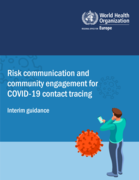
Contact tracing is a key element of WHO’s recommended approach to control the spread of COVID-19 by breaking the chains of human-to-human transmission.
This document provides guidance to health authorities at all levels to improve the success rate of contact tracing by informing efforts with RCCE
...
principles, evidence and activities, and provides ready-to-use tools for professionals involved in contact-tracing efforts to inform their practices with RCCE principles and likewise improve their success rate.
more
abridged version, March 2021
he study highlights the impacts of COVID-19 on women and men as gleaned from research conducted during 2020, as well as the Computer Assisted Telephonic Interviews (CATI) Rapid Gender Assessments (RGAs) executed by UN Women, UNFPA and partners in seven countries in the
...
East and Southern Africa region.
more
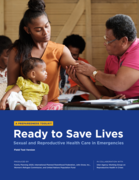
The purpose of the toolkit is to bring together existing learning and guidance as a starting point for stakeholders to begin SRH preparedness work. Within the SRH sector the field of preparedness is relatively new and growing. More collective effort is required to further evaluate the impact of prep
...
aredness efforts and push the field forward. This effort is a first attempt at a draft guidance for SRH preparedness, and is intended for field testing. The toolkit recognizes the longstanding work of the field of emergency and disaster risk management, and endeavors to bridge that work with the human rights-oriented and peoplecentered field of sexual and reproductive health.
more
