
Filter
8464
Text search:
2020
Featured
775
859
Language
5826
956
941
539
391
362
311
107
51
49
45
33
30
29
28
27
19
18
18
17
16
15
15
13
13
13
12
12
12
11
11
11
10
10
10
10
9
9
9
9
8
8
8
8
8
8
7
7
7
7
6
6
6
5
5
5
5
4
4
4
3
3
3
3
3
3
3
2
2
2
2
2
2
2
2
2
2
1
1
1
1
1
1
1
1
1
1
1
1
1
1
1
1
1
1
1
1
1
1
1
1
1
Document type
2054
1740
1650
686
466
457
412
278
187
168
142
110
95
8
6
Countries
518
279
276
275
235
199
166
159
156
151
146
139
135
130
118
114
110
109
107
100
99
97
97
91
90
86
82
80
78
76
70
68
67
66
61
61
57
54
53
52
50
49
49
48
46
44
44
40
39
39
38
38
37
35
33
33
32
31
31
30
30
30
29
28
28
28
27
27
27
23
23
23
22
21
20
19
19
19
19
18
18
18
17
17
14
14
13
13
13
13
12
11
11
11
11
11
11
11
11
10
10
10
10
10
10
9
9
9
9
8
8
8
8
7
7
7
7
7
7
6
6
6
6
6
5
5
5
5
4
4
4
4
4
4
4
4
4
4
3
3
3
3
3
2
2
2
2
2
2
1
1
1
1
1
1
1
1
1
1
1
1
1
Authors & Publishers
1252
339
267
244
216
148
143
135
131
117
111
103
86
69
68
66
57
52
46
44
41
41
39
38
38
37
37
37
35
34
32
31
30
29
29
29
28
28
26
26
26
26
26
25
25
25
25
25
25
24
24
23
22
22
22
22
22
22
21
21
21
21
20
20
20
19
19
19
19
18
18
17
17
16
16
16
16
16
16
16
16
15
15
15
15
15
15
15
15
14
14
14
14
14
14
14
14
13
13
12
12
12
12
12
12
12
12
11
11
11
11
11
11
11
11
11
10
10
10
10
10
10
10
10
10
10
10
10
10
10
10
9
9
9
9
9
9
9
9
9
9
9
9
9
8
8
8
8
8
8
8
8
8
8
8
8
8
8
8
8
8
8
8
8
8
8
8
8
8
8
7
7
7
7
7
7
7
7
7
7
7
7
7
7
7
7
7
7
7
7
7
7
7
7
7
7
7
7
7
6
6
6
6
6
6
6
6
6
6
6
6
6
6
6
6
6
6
6
6
6
6
6
6
6
6
6
6
6
6
6
6
6
6
6
6
6
6
6
6
5
5
5
5
5
5
5
5
5
5
5
5
5
5
5
5
5
5
5
5
5
5
5
5
5
5
5
5
5
5
5
5
5
5
5
5
5
5
5
5
5
5
5
5
5
5
5
5
5
5
5
5
5
5
5
5
4
4
4
4
4
4
4
4
4
4
4
4
4
4
4
4
4
4
4
4
4
4
4
4
4
4
4
4
4
4
4
4
4
4
4
4
4
4
4
4
4
4
4
4
4
4
4
4
4
4
4
4
4
4
4
4
4
4
4
4
4
4
4
4
4
4
4
4
4
4
4
3
3
3
3
3
3
3
3
3
3
3
3
3
3
3
3
3
3
3
3
3
3
3
3
3
3
3
3
3
3
3
3
3
3
3
3
3
3
3
3
3
3
3
3
3
3
3
3
3
3
3
3
3
3
3
3
3
3
3
3
3
3
3
3
3
3
3
3
3
3
3
3
3
3
3
3
3
3
3
3
3
3
3
3
3
3
3
3
3
3
3
3
3
3
3
3
3
3
3
3
3
3
3
3
3
3
3
3
3
3
3
3
3
3
3
3
3
3
3
3
3
3
3
3
3
3
3
3
3
3
3
3
3
3
3
3
3
3
3
3
3
3
3
3
3
3
3
3
3
3
3
3
3
3
3
3
3
3
3
2
2
2
2
2
2
2
2
2
2
2
2
2
2
2
2
2
2
2
2
2
2
2
2
2
2
2
2
2
2
2
2
2
2
2
2
2
2
2
2
2
2
2
2
2
2
2
2
2
2
2
2
2
2
2
2
2
2
2
2
2
2
2
2
2
2
2
2
2
2
2
2
2
2
2
2
2
2
2
2
2
2
2
2
2
2
2
2
2
2
2
2
2
2
2
2
2
2
2
2
2
2
2
2
2
2
2
2
2
2
2
2
2
2
2
2
2
2
2
2
2
2
2
2
2
2
2
2
2
2
2
2
2
2
2
2
2
2
2
2
2
2
2
2
2
2
2
2
2
2
2
2
2
2
2
2
2
2
2
2
2
2
2
2
2
2
2
2
2
2
2
2
2
2
2
2
2
2
2
2
2
2
2
2
2
2
2
2
2
2
2
2
2
2
2
2
2
2
2
2
2
2
2
2
2
2
2
2
2
2
2
2
2
2
2
2
2
2
2
2
2
2
2
2
2
2
2
2
2
2
2
2
2
2
2
2
2
2
2
2
2
2
2
2
2
2
2
2
2
2
2
2
2
2
2
2
2
2
2
2
2
2
2
2
2
2
2
2
2
2
2
2
2
2
2
2
2
2
2
2
2
2
2
2
2
2
2
2
2
2
2
2
2
2
2
2
2
2
2
2
2
2
2
2
2
2
2
2
2
2
2
2
2
2
2
2
2
2
2
2
2
2
2
2
2
2
2
2
2
2
2
2
2
2
2
2
2
2
2
2
2
2
2
2
2
2
2
2
2
2
2
2
2
2
2
2
2
2
2
2
2
2
2
2
2
2
2
2
2
2
2
2
2
2
2
2
2
2
2
2
2
2
2
2
2
2
2
2
2
2
2
2
2
2
2
2
1
1
1
1
1
1
1
1
1
1
1
1
1
1
1
1
1
1
1
1
1
1
1
1
1
1
1
1
1
1
1
1
1
1
1
1
1
1
1
1
1
1
1
1
1
1
1
1
1
1
1
1
1
1
1
1
1
1
1
1
1
1
1
1
1
1
1
1
1
1
1
1
1
1
1
1
1
1
1
1
1
1
1
1
1
1
1
1
1
1
1
1
1
1
1
1
1
1
1
1
1
1
1
1
1
1
1
1
1
1
1
1
1
1
1
1
1
1
1
1
1
1
1
1
1
1
1
1
1
1
1
1
1
1
1
1
1
1
1
1
1
1
1
1
1
1
1
1
1
1
1
1
1
1
1
1
1
1
1
1
1
1
1
1
1
1
1
1
1
1
1
1
1
1
1
1
1
1
1
1
1
1
1
1
1
1
1
1
1
1
1
1
1
1
1
1
1
1
1
1
1
1
1
1
1
1
1
1
1
1
1
1
1
1
1
1
1
1
1
1
1
1
1
1
1
1
1
1
1
1
1
1
1
1
1
1
1
1
1
1
1
1
1
1
1
1
1
1
1
1
1
1
1
1
1
1
1
1
1
1
1
1
1
1
1
1
1
1
1
1
1
1
1
1
1
1
1
1
1
1
1
1
1
1
1
1
1
1
1
1
1
1
1
1
1
1
1
1
1
1
1
1
1
1
1
1
1
1
1
1
1
1
1
1
1
1
1
1
1
1
1
1
1
1
1
1
1
1
1
1
1
1
1
1
1
1
1
1
1
1
1
1
1
1
1
1
1
1
1
1
1
1
1
1
1
1
1
1
1
1
1
1
1
1
1
1
1
1
1
1
1
1
1
1
1
1
1
1
1
1
1
1
1
1
1
1
1
1
1
1
1
1
1
1
1
1
1
1
1
1
1
1
1
1
1
1
1
1
1
1
1
1
1
1
1
1
1
1
1
1
1
1
1
1
1
1
1
1
1
1
1
1
1
1
1
1
1
1
1
1
1
1
1
1
1
1
1
1
1
1
1
1
1
1
1
1
1
1
1
1
1
1
1
1
1
1
1
1
1
1
1
1
1
1
1
1
1
1
1
1
1
1
1
1
1
1
1
1
1
1
1
1
1
1
1
1
1
1
1
1
1
1
1
1
1
1
1
1
1
1
1
1
1
1
1
1
1
1
1
1
1
1
1
1
1
1
1
1
1
1
1
1
1
1
1
1
1
1
1
1
1
1
1
1
1
1
1
1
1
1
1
1
1
1
1
1
1
1
1
1
1
1
1
1
1
1
1
1
1
1
1
1
1
1
1
1
1
1
1
1
1
1
1
1
1
1
1
1
1
1
1
1
1
1
1
1
1
1
1
1
1
1
1
1
1
1
1
1
1
1
1
1
1
1
1
1
1
1
1
1
1
1
1
1
1
1
1
1
1
1
1
1
1
1
1
1
1
1
1
1
1
1
1
1
1
1
1
1
1
1
1
1
1
1
1
1
1
1
1
1
1
1
1
1
1
1
1
1
1
1
1
1
1
1
1
1
1
1
1
1
1
1
1
1
1
1
1
1
1
1
1
1
1
1
1
1
1
1
1
1
1
1
1
1
1
1
1
1
1
1
1
1
1
1
1
1
1
1
1
1
1
1
1
1
1
1
1
1
1
1
1
1
1
1
1
1
1
1
1
1
1
1
1
1
1
1
1
1
1
1
1
1
1
1
1
1
1
1
1
1
1
1
1
1
1
1
1
1
1
1
1
1
1
1
1
1
1
1
1
1
1
1
1
1
1
1
1
1
1
1
1
1
1
1
1
1
1
1
1
1
1
1
1
1
1
1
1
1
1
1
1
1
1
1
1
1
1
1
1
1
1
1
1
1
1
1
1
1
1
1
1
1
1
1
1
1
1
1
1
1
1
1
1
1
1
1
1
1
1
1
1
1
1
1
1
1
1
1
1
1
1
1
1
1
1
1
1
1
1
1
1
1
1
1
1
1
1
1
1
1
1
1
1
1
1
1
1
1
1
1
1
1
1
1
1
1
1
1
1
1
1
1
1
1
1
1
1
1
1
1
1
1
1
1
1
1
1
1
1
1
1
1
1
1
1
1
1
1
1
1
1
1
1
1
1
1
1
1
1
1
1
1
1
1
1
1
1
1
1
1
1
1
1
1
1
1
1
1
1
1
1
1
1
1
1
1
1
1
1
1
1
1
1
1
1
1
1
1
1
1
1
1
1
1
1
1
1
1
1
1
1
1
1
1
1
1
1
1
1
1
1
1
1
1
1
1
1
1
1
1
1
1
1
1
1
1
1
1
1
1
1
1
1
1
1
1
1
1
1
1
1
1
1
1
1
1
1
1
1
1
1
1
1
1
1
1
1
1
1
1
1
1
1
1
1
1
1
1
1
1
1
1
1
1
1
1
1
1
1
1
1
1
1
1
1
1
1
1
1
1
1
1
1
1
1
1
1
1
1
1
1
1
1
1
1
1
1
1
1
1
1
1
1
1
1
1
1
1
1
1
1
1
1
1
1
1
1
1
1
1
1
1
1
1
1
1
1
1
1
1
1
1
1
1
1
1
1
1
1
1
1
1
1
1
1
1
1
1
1
1
1
1
1
1
1
1
1
1
1
1
1
1
1
1
1
1
1
1
1
1
1
1
1
1
1
1
1
1
1
1
1
1
1
1
1
1
1
1
1
1
1
1
1
1
1
1
1
1
1
1
1
1
1
1
1
1
1
1
1
1
1
1
1
1
1
1
1
1
1
1
1
1
1
1
1
1
1
1
1
1
1
1
1
1
1
1
1
1
1
1
1
1
1
1
1
1
1
1
1
1
1
1
1
1
1
1
1
1
1
1
1
1
1
1
1
1
1
1
1
1
1
1
1
1
1
1
1
1
1
1
1
1
1
1
1
1
1
1
1
1
1
1
1
1
1
1
1
1
1
1
1
1
1
1
1
1
1
1
1
1
1
1
1
1
1
1
1
1
1
1
1
1
1
1
1
1
1
1
1
1
1
1
1
1
1
1
1
1
1
1
1
1
1
1
1
1
1
1
1
1
1
1
1
1
1
1
1
1
1
1
1
1
1
1
1
1
1
1
1
1
1
1
1
1
1
1
1
1
1
1
1
1
1
1
1
1
1
1
1
1
1
1
1
1
1
1
1
1
1
1
1
1
1
1
1
1
1
1
1
1
1
1
1
1
1
1
1
1
1
1
1
1
1
1
1
1
1
1
1
1
1
1
1
1
1
1
1
1
1
1
1
1
1
1
1
1
1
1
1
1
1
1
1
1
1
1
1
1
1
1
1
1
1
1
1
1
1
1
1
1
1
1
1
1
1
1
1
1
1
1
1
1
1
1
1
1
1
1
1
1
1
1
1
1
1
1
1
1
1
1
1
1
1
1
1
1
1
1
1
1
1
1
1
1
1
1
1
1
1
1
1
1
1
1
1
1
1
1
1
1
1
1
1
1
1
1
1
1
1
1
1
1
1
1
1
1
1
1
1
1
1
1
1
1
1
1
1
1
1
1
1
1
1
1
1
1
1
1
1
1
1
1
1
1
1
1
1
1
1
1
1
1
1
1
1
1
1
1
1
1
1
1
1
1
1
1
1
1
1
1
1
1
1
1
1
1
1
1
1
1
1
1
1
1
1
1
1
1
1
1
1
1
1
1
1
1
1
1
1
1
1
1
1
1
1
1
1
1
1
1
1
1
1
1
1
1
1
1
1
1
1
1
1
1
1
1
1
1
1
1
1
1
1
1
1
1
1
1
1
1
1
1
1
1
1
1
1
1
1
1
1
1
1
1
1
1
1
1
1
1
1
1
1
1
1
1
1
1
1
1
1
1
1
1
1
1
1
1
1
1
1
1
1
1
1
1
1
1
1
1
1
1
1
1
1
1
1
1
1
1
1
1
1
1
1
1
1
1
1
1
1
1
1
1
1
1
1
1
1
1
1
1
1
1
1
1
1
1
1
1
1
1
1
1
1
1
1
1
1
1
1
1
1
1
1
1
1
1
1
1
1
1
1
1
1
1
1
1
1
1
1
1
1
1
1
1
1
1
1
1
1
1
1
1
1
1
1
1
1
1
1
1
1
1
1
1
1
1
1
1
1
1
1
1
1
1
1
1
1
1
1
1
1
1
1
1
1
1
1
1
1
1
1
1
1
1
1
1
1
1
1
1
1
1
1
1
1
1
1
1
1
1
1
1
1
1
1
1
1
1
1
1
1
1
1
1
1
1
1
1
1
1
1
1
1
1
1
1
1
1
1
1
1
1
1
1
1
1
1
1
1
1
1
1
1
1
1
1
1
1
1
1
1
1
1
1
1
1
1
1
1
1
1
1
1
1
1
1
1
1
1
1
1
1
1
1
1
1
1
1
1
1
1
1
1
1
1
1
1
1
1
1
1
1
1
1
1
1
1
1
1
1
1
1
1
1
1
1
1
1
1
1
1
1
1
1
1
1
1
1
1
1
1
1
1
1
1
1
1
1
1
1
1
1
1
1
1
1
1
1
1
1
1
1
1
1
1
1
1
1
1
1
1
1
1
1
1
1
1
1
1
1
1
1
1
1
1
1
1
1
1
1
1
1
1
1
1
1
1
1
1
1
1
1
1
1
1
1
1
1
1
1
1
1
1
1
1
1
1
1
1
1
1
1
1
1
1
1
1
1
1
1
1
1
1
1
1
1
1
1
1
1
1
1
1
1
1
1
1
1
1
1
1
1
1
1
1
1
1
1
1
1
1
1
1
1
1
1
1
1
1
1
1
1
1
1
1
1
1
1
1
1
1
1
1
1
1
1
1
1
1
1
1
1
1
1
1
1
1
1
1
1
1
1
1
1
1
1
1
1
1
1
1
1
1
1
1
1
1
1
1
1
1
1
1
1
1
1
1
1
1
1
1
1
1
1
1
1
1
1
1
1
1
1
1
1
1
1
1
1
1
1
1
1
1
1
1
1
1
1
1
1
1
1
1
1
1
1
1
1
1
1
1
1
1
1
1
1
1
1
1
1
1
1
1
1
1
1
1
1
1
1
1
1
1
1
1
1
1
1
1
1
1
1
1
1
1
1
1
1
1
1
1
1
1
1
1
1
1
1
1
1
1
1
1
1
1
1
1
1
1
1
1
1
1
1
1
1
1
1
1
1
1
1
1
1
1
1
1
1
1
1
1
1
1
1
1
1
1
1
1
1
1
1
1
1
1
1
1
1
1
1
1
1
1
1
1
1
1
1
1
1
1
1
1
1
1
1
1
1
1
1
1
1
1
1
1
1
1
1
1
1
1
1
1
1
1
1
1
1
1
1
1
1
1
1
1
1
1
1
1
1
1
1
1
1
1
1
1
1
1
1
1
1
1
1
1
1
1
1
1
1
1
1
1
1
1
1
1
1
1
1
1
1
1
1
1
1
1
1
1
1
1
1
1
1
1
1
1
1
1
1
1
1
1
1
1
1
1
1
1
1
1
1
1
1
1
1
1
1
1
1
1
1
1
1
1
1
1
1
1
1
1
1
1
1
1
1
1
1
1
1
1
1
1
1
1
1
1
1
1
1
1
1
1
1
1
1
1
1
1
1
1
1
1
1
1
1
1
1
1
1
1
1
1
1
1
1
1
1
1
1
1
1
1
1
1
1
1
1
1
1
1
1
1
1
1
1
1
1
1
1
1
1
1
1
1
1
1
1
1
1
1
1
1
1
1
1
1
1
1
1
1
1
1
1
1
1
1
1
1
1
1
1
1
1
1
1
1
1
1
1
1
1
1
1
1
1
1
1
1
1
1
1
1
1
1
1
1
1
1
1
1
1
1
1
1
1
1
1
1
1
1
1
1
1
1
1
1
1
1
1
1
1
1
1
1
1
1
1
1
1
1
1
1
1
1
1
1
1
1
1
1
1
1
1
1
1
1
1
1
1
1
1
1
1
1
1
1
1
1
1
1
1
1
1
1
1
1
1
1
1
1
1
1
1
1
1
1
1
1
1
1
1
1
1
1
1
1
1
1
1
1
1
1
1
1
1
1
1
1
1
1
1
1
1
1
1
1
1
1
1
1
1
1
1
1
1
1
1
1
1
1
1
1
1
1
1
1
1
1
1
1
1
1
1
1
1
1
1
1
1
1
1
1
1
1
1
1
1
1
1
1
1
1
1
1
1
1
1
1
1
1
1
1
1
1
1
1
1
1
1
1
1
1
1
1
1
1
1
1
1
1
1
1
1
1
1
1
1
1
1
1
1
1
1
1
1
1
1
1
1
1
1
1
1
1
1
1
1
1
1
1
1
1
1
1
1
1
1
1
1
1
1
1
1
1
1
1
1
1
1
1
1
1
1
1
1
1
1
1
1
1
1
1
1
1
1
1
1
1
1
1
1
1
1
1
1
1
1
1
1
1
1
1
1
1
1
1
1
1
1
1
1
1
1
1
1
1
1
1
1
1
1
1
1
1
1
1
1
1
1
1
1
1
1
1
1
1
1
1
1
1
1
1
1
1
1
1
1
1
1
1
1
1
1
1
1
1
1
1
1
1
1
1
1
1
1
1
1
1
1
1
1
1
1
1
1
1
1
1
1
1
1
1
1
1
1
1
1
1
1
1
1
1
1
1
1
1
1
1
1
1
1
1
1
1
1
1
1
1
1
1
1
1
1
1
1
1
1
1
1
1
1
1
1
1
1
1
1
1
1
1
1
1
1
1
1
1
1
1
1
1
1
1
1
1
1
1
1
1
1
1
1
1
1
1
1
1
1
1
1
1
1
1
1
1
1
1
1
1
1
1
1
1
1
1
1
1
1
1
1
1
1
1
1
1
1
1
1
1
1
1
1
1
1
1
1
1
1
1
1
1
1
1
1
1
1
1
1
1
1
1
1
1
1
1
1
1
1
1
1
1
1
1
1
1
1
1
1
1
1
1
1
1
1
1
1
1
1
1
1
1
1
1
1
1
1
1
1
1
1
1
1
1
1
1
1
1
1
1
1
1
1
1
1
1
1
1
1
1
1
1
1
1
1
1
1
1
1
1
1
1
1
1
1
1
1
1
1
1
1
1
1
1
1
1
1
1
1
1
1
1
1
1
1
1
1
1
1
1
1
1
1
1
1
1
1
1
1
1
1
1
1
1
1
1
1
1
1
1
1
1
1
1
1
1
1
1
1
1
1
1
1
1
1
1
1
1
1
1
1
1
1
1
1
1
1
1
1
1
1
1
1
1
1
1
1
1
1
1
1
1
1
1
1
1
1
1
1
1
1
1
1
1
1
1
1
1
1
1
1
1
1
1
1
1
1
1
1
1
1
1
1
1
1
1
1
1
1
1
1
1
1
1
1
1
1
1
1
1
1
1
1
1
1
1
1
1
1
1
1
1
1
1
1
1
1
1
1
1
1
1
1
1
1
1
1
1
1
1
1
1
1
1
1
1
1
1
1
1
1
1
1
1
1
1
1
1
1
1
1
1
1
1
1
1
1
1
1
1
1
1
1
1
1
1
1
1
1
1
1
1
1
1
1
1
1
1
1
1
1
1
1
1
1
1
1
1
1
1
1
1
1
1
1
1
1
1
1
1
1
1
1
1
1
1
1
1
1
1
1
1
1
1
1
1
1
1
1
1
1
1
1
1
1
1
1
1
1
1
1
1
1
1
1
1
1
1
1
1
1
1
1
1
1
1
1
1
1
1
1
1
1
1
1
1
1
1
1
1
1
1
1
1
1
1
1
1
1
1
1
1
1
1
1
1
1
1
1
1
1
1
1
1
1
1
1
1
1
1
1
1
1
1
1
1
1
1
1
1
1
1
1
1
1
1
1
1
1
1
1
1
1
1
1
1
1
1
1
1
1
1
1
1
1
1
1
1
1
1
1
1
1
1
1
1
1
1
1
1
1
1
1
1
1
1
1
1
1
1
1
1
1
1
1
1
1
1
1
1
1
1
1
1
1
1
1
1
1
1
1
1
1
1
1
1
1
1
1
1
1
1
1
1
1
1
1
1
1
1
1
1
1
1
1
1
1
1
1
1
1
1
1
1
1
1
1
1
1
1
1
1
1
1
1
1
1
1
1
1
1
1
1
1
1
1
1
1
1
1
1
1
1
1
1
1
1
1
1
1
1
1
1
1
1
1
1
1
1
1
1
1
1
1
1
1
1
1
1
1
1
1
1
1
1
1
1
1
1
1
1
1
1
1
1
1
1
1
1
1
1
1
1
1
1
1
1
1
1
1
1
1
1
1
1
1
1
1
1
1
1
1
1
1
1
1
1
1
1
1
1
1
1
1
1
1
1
1
1
1
1
1
1
1
1
1
1
1
1
1
1
1
1
1
1
1
1
1
1
1
1
1
1
1
1
1
1
1
1
1
1
1
1
1
1
1
1
1
1
1
1
1
1
1
1
1
1
1
1
1
1
1
1
1
1
1
1
1
1
1
1
1
1
1
1
1
1
1
1
1
1
1
1
1
1
1
1
1
1
1
1
1
1
1
1
1
1
1
1
1
1
1
1
1
1
1
1
1
1
1
1
1
1
1
1
1
1
1
1
1
1
1
1
1
1
1
1
1
1
1
1
1
1
1
1
1
1
1
1
1
1
1
1
1
1
1
1
1
1
1
1
1
1
1
1
1
1
1
1
1
1
1
1
1
1
1
1
1
1
1
1
1
1
1
1
1
1
1
1
1
1
1
1
1
1
1
1
1
1
1
1
1
1
1
1
1
1
1
1
1
1
1
1
1
1
1
1
1
1
1
1
1
1
1
1
1
1
1
1
1
1
1
1
1
1
1
1
1
1
1
1
1
1
1
1
1
1
1
1
1
1
1
1
1
1
1
1
1
1
1
1
1
1
1
1
1
1
1
1
1
1
1
1
1
1
1
1
1
1
1
1
1
1
1
1
1
1
1
1
1
1
1
1
1
1
1
1
1
1
1
1
1
1
1
1
1
1
1
1
1
1
1
1
1
1
1
1
1
1
1
1
1
1
1
1
1
1
1
1
1
1
1
1
1
1
1
1
1
1
1
1
1
1
1
1
1
1
1
1
1
1
1
1
1
1
1
1
1
1
1
1
1
1
1
1
1
1
1
1
1
1
1
1
1
1
1
1
1
1
1
1
1
1
1
1
1
1
1
1
1
1
1
1
1
1
1
1
1
1
1
1
1
1
1
1
1
1
1
1
1
1
1
1
1
1
1
1
1
1
1
1
1
1
1
1
1
1
1
1
1
1
1
1
1
1
1
1
1
1
1
1
1
1
1
1
1
1
1
1
1
1
1
1
1
1
1
1
1
1
1
1
1
1
1
1
1
1
1
1
1
1
1
1
1
1
1
1
1
1
1
1
1
1
1
1
1
1
1
1
1
1
1
1
1
1
1
1
1
1
1
1
1
1
1
1
1
1
1
1
1
1
1
1
1
1
1
1
1
1
1
1
1
1
1
1
1
1
1
1
1
1
1
1
1
1
1
1
1
1
1
1
1
1
1
1
1
1
1
1
1
1
1
1
1
1
1
1
1
1
1
1
1
1
1
1
1
1
1
1
1
1
1
1
1
1
1
1
1
1
1
1
1
1
1
1
1
Publication Years
1
6277
2108
72
3
1
1
1
Category
3778
403
362
286
223
108
73
4
3
2
Toolboxes
3248
478
411
387
351
299
234
222
199
193
180
151
118
112
102
73
58
47
36
24
22
16
11
INTRODUCTION: The COVID-19 pandemic has disrupted health systems around the world. The objectives of this study are to estimate the overall effect of the pandemic on essential health service use and outcomes in Mexico, describe observed and predicted trends in services over 24 months, and to estimat
...
e the number of visits lost through December 2020.
METHODS: We used health information system data for January 2019 to December 2020 from the Mexican Institute of Social Security (IMSS), which provides health services for more than half of Mexico's population-65 million people. Our analysis includes nine indicators of service use and three outcome indicators for reproductive, maternal and child health and non-communicable disease services. We used an interrupted time series design and linear generalised estimating equation models to estimate the change in service use and outcomes from April to December 2020. Estimates were expressed using average marginal effects on the risk ratio scale.
RESULTS: The study found that across nine health services, an estimated 8.74 million patient visits were lost in Mexico. This included a decline of over two thirds for breast and cervical cancer screenings (79% and 68%, respectively), over half for sick child visits and female contraceptive services, approximately one-third for childhood vaccinations, diabetes, hypertension and antenatal care consultations, and a decline of 10% for deliveries performed at IMSS. In terms of patient outcomes, the proportion of patients with diabetes and hypertension with controlled conditions declined by 22% and 17%, respectively. Caesarean section rate did not change.
CONCLUSION: Significant disruptions in health services show that the pandemic has strained the resilience of the Mexican health system and calls for urgent efforts to resume essential services and plan for catching up on missed preventive care even as the COVID-19 crisis continues in Mexico.
more
A study conducted by the World Health Organisation Regional Office for Africa. The COVID-19 pandemic has had a significant impact on older persons both globally and in the African region. Although overall the region’s population is younger relative to many other world regions, the WHO AFRO region
...
has a population just over 62 million older people and is ageing rapidly, with the number of older people expected to triple in the next three decades (Aboderin et al., 2020).
more

Guidelines on Management of COVID-19 in Kenya
recommended
It has been over a year since Kenya identified the first case of COVID-19 in the country. The Government formed the National COVID-19 task force, which supported the country's response through multi-sectoral technical working groups on testing, case management, risk communication and community engag
...
ement among others. An earlier version of the COVID case management guideline was released in April 2020 and capacity building of health care workers on diagnosis and treatment of COVID-19 was quickly carried out, even as counties prepared themselves by setting up isolation centres and supplies
more
This publication presents the Agenda for the Americas on Health, Environment, and Climate Change 2021–2030 (the Agenda). The Agenda is a call to action to the health sector to lead the charge to address environmental determinants of health in the Americas. The Pan American Health Organization (PAH
...
O) will work with Member States to achieve its goal and objective to ensure healthy lives and promote well-being for all at all ages using a sustainable and equitable approach that places a priority on reducing health inequity. The Agenda has been developed under the umbrella of the WHO Global Strategy on Health, Environment, and Climate Change, and builds upon the commitments set forth in the Sustainable Health Agenda for the Americas 2018–2030 and the PAHO Strategic Plan 2020–2025. The Agenda was developed in consultation with the Technical Advisory Group and through a consensus-driven decision-making process with Member States during the 2019–2020 period. Looking toward the achievement of Sustainable Development Goal 3, the Agenda focuses on: improving the performance of environmental public health programs and institutions; fostering environmentally resilient and sustainable health systems; and promoting environmentally healthy and resilient cities and communities. Its implementation will be context-specific, based on the needs and realities of the countries. It will benefit countries and territories by promoting good governance practices, strengthening the leadership and coordination roles of the health sector, fostering cross-sectoral action, focusing on primary prevention, and enhancing evidence and communication. It will facilitate access to human, technical, and financial resources necessary to address environmental determinants of health and ensure that the Region is fully engaged in global health, environment, and climate change processes and agreements. The objective of the Agenda is to strengthen the capacity of health actors in the health and non-health sectors to address and adapt to environmental determinants of health (EDHs), prioritizing populations living in conditions of vulnerability, in order to meet Outcome 18 of the PAHO Strategic Plan 2020–2025 directly and several other outcomes of the Plan indirectly. To address and adapt to the challenges of EDHs in the Region, an integrated and evidence-informed approach within the health sector and across sectors will be needed, one enabled, and supported by good governance practices, adequate management mechanisms, high-level political will, and adequate human, technical, technological, and financial resources.
more
Esta publicación presenta la Agenda para las Américas sobre salud, medioambiente y cambio climático 2021-2030. Esta agenda es un llamamiento al sector de la salud para que lidere la labor a fin de abordar los determinantes ambientales de la salud en la Región de las Américas. La Organización P
...
anamericana de la Salud (OPS) colaborará con sus Estados Miembros para alcanzar el propósito y el objetivo de esta agenda de promover el bienestar de todos a todas las edades, utilizando un enfoque sostenible y equitativo en el que se otorgue prioridad a la reducción de las inequidades en la salud. La agenda se ha elaborado bajo la égida de la Estrategia mundial de la OMS sobre salud, medio ambiente y cambio climático, y se basa en los compromisos establecidos en la Agenda de Salud Sostenible para las Américas 2018-2030 y el Plan Estratégico de la OPS 2020-2025. La agenda se elaboró en consulta con el grupo técnico asesor y mediante un proceso de toma de decisiones basado en el consenso con los Estados Miembros durante el período 2019-2020. Con la finalidad de alcanzar el Objetivo de Desarrollo Sostenible 3, la agenda se centra en: mejorar el desempeño de los programas e instituciones de salud pública ambiental; fomentar sistemas de salud sostenibles y resilientes desde el punto de vista medioambiental; y promover ciudades y comunidades saludables y resilientes desde el punto de vista medioambiental. Su aplicación será específica para cada contexto y se basará en las necesidades y realidades de los diversos países. Beneficiará a los países y territorios al promover prácticas de buena gobernanza, fortalecer el liderazgo y la coordinación en el sector de la salud, fomentar la acción intersectorial, centrarse en la prevención primaria, y mejorar la evidencia disponible y la comunicación. Facilitará el acceso a los recursos humanos, técnicos y financieros necesarios para abordar los determinantes ambientales de la salud y garantizará que la Región se involucre plenamente en los procesos y acuerdos mundiales sobre salud, medioambiente y cambio climático.
more
Cette publication présente le Programme sur la santé, l’environnement et les changements climatiques pour les Amériques 2021-2030. Le Programme est un appel à l’action au secteur de la santé pour qu’il prenne l’initiative d’agir sur les déterminants environnementaux de la santé dans
...
les Amériques. L’Organisation panaméricaine de la Santé (OPS) travaillera avec les États Membres pour atteindre son but et son objectif, qui consistent à permettre à tous de vivre en bonne santé et à promouvoir le bien-être de tous à tout âge, en employant une approche durable et équitable qui accorde la priorité à la réduction des iniquités en matière de santé. Le programme a été élaboré sous l’égide de la Stratégie mondiale de l’OMS sur la santé, l’environnement et les changements climatiques et s’appuie sur les engagements énoncés dans le Programme d’action sanitaire durable pour les Amériques 2018-2030 et le Plan stratégique de l’OPS 2020-2025. Le programme a été élaboré en consultation avec le groupe consultatif technique et par un processus décisionnel consensuel avec les États Membres au cours de la période 2019-2020. En vue de la réalisation de l’objectif de développement durable 3, le programme se concentre sur l’amélioration de la performance des programmes et des institutions de santé publique environnementale, la promotion de systèmes de santé résilients et durables sur le plan environnemental et la promotion de villes et de communautés saines et résilientes sur le plan environnemental. Sa mise en œuvre sera adaptée au contexte, en fonction des besoins et des réalités des pays. Il profitera aux pays et aux territoires en encourageant les pratiques de bonne gouvernance, en renforçant les rôles de leadership et de coordination du secteur de la santé, en favorisant l’action intersectorielle, en se concentrant sur la prévention primaire et en améliorant les données probantes et la communication. Il facilitera l’accès aux ressources humaines, techniques et financières nécessaires pour agir sur les déterminants environnementaux de la santé et fera en sorte que la Région soit pleinement engagée dans les processus et les accords mondiaux en matière de santé, d’environnement et de changements climatiques.
more
Esta publicação apresenta a Agenda para as Américas sobre Saúde, Meio Ambiente e Mudança Climática 2021–2030 (a Agenda). Esta Agenda é um apelo ao setor da saúde para que se posicione na vanguarda da abordagem aos determinantes ambientais da saúde nas Américas. A Organização Pan-Americ
...
ana da Saúde (OPAS) trabalhará com os Estados Membros para alcançar a meta e objetivo desta agenda: assegurar uma vida saudável e promover o bem-estar para todos, em todas as idades, usando um enfoque sustentável e equitativo que priorize a redução das iniquidades em saúde. A Agenda foi desenvolvido sob a égide da Estratégia Mundial da Organização Mundial da Saúde (OMS) sobre a Saúde, o Meio Ambiente e a Mudança Climática e se baseia nos compromissos estabelecidos na Agenda de Saúde Sustentável para as Américas 2018–2030 e no Plano Estratégico da OPAS 2020–2025. A Agenda foi desenvolvida em consulta com o Grupo Técnico Assessor (GTA), por meio de um processo decisório consensual com os Estados Membros, durante os anos de 2019 e 2020. Para alcançar o Objetivo de Desenvolvimento Sustentável 3, a Agenda enfoca: melhoria do desempenho dos programas e instituições de saúde pública ambiental; promoção de sistemas de saúde ambientalmente resilientes e sustentáveis; e promoção de cidades e comunidades ambientalmente saudáveis e resilientes. A implementação da Agenda deverá ser contextual, com base nas necessidades e realidades de cada país. Ela beneficiará países e territórios ao promover boas práticas de governança; fortalecer as funções de liderança e coordenação do setor da saúde; favorecer ações intersetoriais; focar na prevenção primária; e melhorar as evidências e a comunicação. Facilitará o acesso aos recursos humanos, técnicos e financeiros necessários para abordar os determinantes ambientais da saúde e garantir que a Região esteja totalmente engajada nos processos e acordos globais de saúde, meio ambiente e mudança climática. O objetivo desta Agenda é fortalecer a capacidade dos atores da saúde, tanto no setor da saúde quanto em outros setores, para abordarem e se adaptarem aos determinantes ambientais da saúde (DAS), priorizando as populações que vivem em condições de vulnerabilidade, a fim de atingir o Resultado Intermediário 18 do Plano Estratégico da OPAS 2020–2025, diretamente, e vários outros resultados do Plano, indiretamente. Para enfrentar e se adaptar aos desafios dos DEA na Região, será necessária uma abordagem integrada e baseada em evidências dentro do setor da saúde e entre os setores, possibilitada e favorecida por boas práticas de governança, mecanismos de gestão adequados, vontade política de alto nível e dotação adequada de recursos humanos, técnicos, tecnológicos e financeiros.
more
Se sabe desde hace tiempo que las mujeres con el VIH presentan un mayor riesgo de desarrollar cáncer cervicouterino; sin embargo, existen pocos datos e información sobre esta afección en la Región de las Américas. Este estudio, realizado entre el 2019 y el
...
2020, intenta brindar información y datos que puedan acelerar la aplicación de políticas de salud que atiendan la particular situación de las mujeres con el VIH respecto al cáncer cervicouterino.
more
The World Climate and Security Report 2021
Brock, S.; Barrett, O.L.; Birkman, L.; et al.
International Military Council on Climate and Security
(2021)
CC
The World Climate and Security Report (WCSR) 2021 from the Expert Group of the International
Military Council on Climate and Security is a global assessment of the security dimensions of a changing
climate and effective means to address them. It is intended to inform timely climate and security po
...
licy
and action, and builds upon the analysis in the first WCSR, released in February 2020.
more
The World Climate and Security Report 2021_2
Brock, S.; Barrett, O.L.; Birkman, L.; et al.
International Military Council on Climate and Security
(2021)
C1
The World Climate and Security Report (WCSR) 2021 from the Expert Group of the International Military Council on Climate and Security is a global assessment of the security dimensions of a changing climate and effective means to address them. It is intended to inform timely climate and security poli
...
cy and action, and builds upon the analysis in the first WCSR, released in February 2020.
more
Antimicrobial resistance (AMR) represents a major global threat across human, animal, plant food and environmental sectors, threatening the effective treatment of an ever-increasing range of infections caused by bacteria, parasites, viruses and fungi, resulting in prolonged illness and increased mor
...
tality, often felt hardest by the most vulnerable populations. AMR also endangers the sustainability of agri-food systems and food safety.
Since 2010 there is a strong commitment from FAO, OIE and PAHO to fight AMR, working together to mitigate the risks in the interconnection among the human health, animal health and the environment. In this context, the organizations now joined forces in the implementation of the project ‘Working Together to Fight Antimicrobial Resistance’ to ensure a coherent “One Health” approach recognizing the multidimensionality and necessity of an intersectoral response that is needed to address the problem of AMR.
The overall strategic objective of the three-year project (2020-22) supported and financed by the European Union (EU) is to contribute to tackle AMR through the implementation of National AMR Action Plans by working with seven Latin American partner countries: Argentina, Brazil, Chile, Colombia, Paraguay, Peru and Uruguay.
more
Continuidad de la Atención Primaria de Salud, para niños y niñas en el contexto de Pandemia COVID-19
Este documento realiza recomendaciones para la Supervisión de Salud Infantil en Atención Primaria de Salud, de manera de reorganizar y apoyar la eficiencia en la gestión de la oferta programática presencial ampliando la respuesta de acuerdo con la evolución de la pandemia. De esta forma, comple
...
menta las acciones señaladas en el documento “Orientación para la continuidad de la atención en APS en contexto de pandemia COVID-19” Ordinario N° 3991, diciembre 2020.
more
Cancer in sub-Saharan Africa
recommended
Lancet Oncol 2022; 23: e251–312Published OnlineMay 9, 2022 https://doi.org/10.1016/S1470-2045(21)00720-8
In sub-Saharan Africa (SSA), urgent action is needed to curb a growing crisis in cancer incidence and mortality.
Without rapid interventions, data estimates show a major increase in cancer mo
...
rtality from 520 348 in 2020 to about
1 million deaths per year by 2030. Here, we detail the state of cancer in SSA, recommend key actions on the basis of
analysis, and highlight case studies and successful models that can be emulated, adapted, or improved across the
region to reduce the growing cancer crises. Recommended actions begin with the need to develop or update national
cancer control plans in each country. Plans must include childhood cancer plans, managing comorbidities such as
HIV and malnutrition, a reliable and predictable supply of medication, and the provision of psychosocial, supportive,
and palliative care. Plans should also engage traditional, complementary, and alternative medical practices employed
by more than 80% of SSA populations and pathways to reduce missed diagnoses and late referrals. More substantial
investment is needed in developing cancer registries and cancer diagnostics for core cancer tests.
more
Global food insecurity has markedly increased over the last two-years due to conflict, economic and political instability, displacement, environmental degradation and disasters, and major disruptions to global food systems because of the Covid-19 pandemic. In 2021, levels of hunger surpassed all pre
...
vious records with close to 193 million people acutely food insecure and in need of urgent assistance across 53 countries and territories. This represents an increase of nearly 40 million people compared to what was previously considered a record level high in 2020.
more

The United Nations Children's Fund (UNICEF), the International Organization for Migration (IOM), Georgetown University, and the United Nations University have today launched new guidelines to provide the first-ever global policy framework that will help protect, include, and empower children on the
...
move in the context of climate change.
The Guiding Principles for Children on the Move in the Context of Climate Change provides a set of 9 principles that address the unique and layered vulnerabilities of children on the move both internally and across borders as a result of the adverse impacts of climate change. Currently, most child-related migration policies do not consider climate and environmental factors, while most climate change policies overlook the unique needs of children.
The guidelines note that climate change is intersecting with existing environmental, social, political, economic, and demographic conditions contributing to people’s decisions to move. In 2020 alone, nearly 10 million children were displaced in the aftermath of weather-related shocks. With around one billion children – nearly half of the world’s 2.2 billion children – living in 33 countries at high risk of the impacts of climate change, millions more children could be on the move in the coming years.
Developed in collaboration with young climate and migration activists, academics, experts, policymakers, practitioners, and UN agencies, the guiding principles are based on the globally ratified Convention on the Rights of the Child and are further informed by existing operational guidelines and frameworks.
Recommendations for safeguarding the rights and well-being of children regardless of their location or migration status.
The guiding principles provide national and local governments, international organizations and civil society groups with a foundation to build policies that protect children’s rights. The organizations and institutions are calling on governments, local and regional actors, international organizations, and civil society groups to embrace the guiding principles to help protect, include, and empower children on the move in the context of climate change.
more
Le monde fait face aux conséquences graves du manque de services et de traitements de santé mentale disponibles. Les troubles mentaux touchent tous les pays, toutes les cultures et toutes les collectivités. Selon l’Organisation mondiale de la Santé (OMS), 10% de la charge mondiale de morbiditÃ
...
© est liée aux troubles mentaux, neurologiques et à l’usage de substances psychoactives.
Dans les pays à revenu faible ou intermédiaire, plus de 75% des personnes atteintes de troubles mentaux ne reçoivent aucun traitement. En 2020, en raison de la pandémie mondiale, 93% des pays ont déclaré que leurs services de santé mentale ont été suspendus ou interrompus (OMS, 2020e). L’OMS a signalé une hausse de 25% des cas de dépression et d’anxiété durant la pandémie. L’Organisation de coopération et de développement économiques (OCDE) estime que la dépression et l’anxiété coûtent à l’économie mondiale 1 000 milliards d’USD par an.
more
The world faces grave consequences from the lack of available mental health services and treatment. Mental illness impacts every country, culture and community, with the World Health Organization (WHO) stating that 10% of the global burden of disease is related to mental, neurological and substance
...
use disorders. In low-and middle-income countries, more than 75% of people with mental disorders receive no treatment at all for their disorder. During 2020, as a result of the global pandemic, 93% of countries reported their mental health services were either halted or interrupted (WHO, 2020e). WHO reported a 25% increase in depression and anxiety alone during the pandemic. The Organisation for Economic Co-operation and Development estimates depression and anxiety cost the global economy US $1 trillion dollars a year. All nurses have a health care role in mental health and substance use. ICN strongly advocates for the investment of further education and professional development in this area in order to support individuals and communities achieve the highest attainable standard of health which includes
physical, mental and social wellbeing.
more
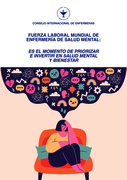
El mundo se enfrenta a graves consecuencias derivadas de la falta de servicios y tratamientos de salud mental. Todos los países, culturas y comunidades padecen enfermedades mentales y la Organización Mundial de la Salud (OMS) afirma que el 10% de la carga global de enfermedad está relacionada con
...
trastornos mentales y neurológicos, así como con el consumo de sustancias. En los países de renta baja y media, más del 75% de las personas con trastornos mentales no reciben ningún tratamiento. En 2020, como resultado de la pandemia mundial, el 93% de los países comunicaron que sus servicios de salud mental se habían detenido o interrumpido (OMS, 2020e). La OMS ha denunciado un incremento del 25% solo en las tasas de depresión y ansiedad durante la pandemia. La Organización para la Cooperación y el Desarrollo Económicos estima que el coste de la depresión y la ansiedad para la economía mundial asciende a 1 billón de dólares estadounidenses al año. Todas las enfermeras tienen una función de prestación de cuidados en materia de salud mental y consumo de sustancias. El CIE aboga firmemente por inversiones en más formación y desarrollo profesional en esta área con el fin de ayudar a las personas y comunidades a lograr el mayor nivel posible de salud, en particular bienestar físico, mental y social.
more

The WHO Global Antimicrobial Resistance and Use Surveillance System (GLASS) was launched in 2015 to foster AMR surveillance and inform strategies to contain AMR. The system started with surveillance of AMR in bacteria causing common human infections and has expanded its scope to include surveillance
...
of antimicrobial consumption (AMC), invasive fungal infections, and a One Health surveillance model relevant to human health. To meet future challenges, it is in continuous evolution to enhance the quality and representativeness of data to inform the AMR burden accurately. As of the end of 2022, 127 countries, territories and areas participate in GLASS.
The fifth GLASS report, produced in collaboration with Member States, summarizes 2020 data on AMR rates in common bacteria from countries, territories, and areas. The report brings new features, including analyses of population testing coverage or AMR trends. For the first time, the report presents 2020 data on AMC at the national level. A new interactive dashboard allow users to explore AMR and AMC global data, country profiles and download the data.
This report marks the end of the early implementation phase of GLASS. In addition to presenting data collected through the latest data call, this report provides a summary of five years of national AMR surveillance data contributed to GLASS from its initiation, presents AMR findings in the context of progress of country participation in GLASS and in global AMR surveillance coverage and laboratory quality assurance systems at (sub)national level.
Patterns of antimicrobial consumption are presented by country with a particular focus on antibacterials. The report also presents the antimicrobial consumption according to the WHO AWaRe antibiotic classification, for penicillins and cephalosporines. From a One Health perspective, the report presents antimicrobial consumption data in the human sector expressed in tons to allow a comparison with antimicrobial consumption from other sectors (not included in this report).
more
L’enquête Smart rapide de 2022 s’est tenue dans la commune de Ouahigouya dans la Province du Yatenga, région du Nord. La commune est confrontée à des attaques de groupes armés et accueille des milliers de personnes déplacées interne fuyant l’insécurité.
La méthodologie SMART rapide
...
a été utilisée pour cette enquête dont la collecte s’est déroulée du 13 au 15 juin 2022. Au total, cinq (05) équipes de deux enquêteurs ont été employées pour cette collecte. Vingt-trois (23) grappes sur vingt-cinq (25) grappes prévues ont été couvertes. Deux grappes n’ont pu être enquêtées pour des raisons sécuritaires. Au total, 230 ménages et 217 enfants ont été enquêtés au cours de cette enquête.
Les données ont été collectées sur des SMARTPHONES à travers un formulaire conçu à cet effet sur la plateforme Kobotoolbox. Le serveur de bureau d’Action contre la faim de Ouahigouya a servi de plateforme d’hébergement des données. Les données collectées ont ensuite été extraite puis traiter grâce au tableau Excel avant d’être analysé avec le Logiciel ENA pour SMART (version de janvier 2020).
Les résultats sont synthétisés dans le tableau I.
more
