
Filter
3588
Text search:
malaria
prevention
Featured
305
1205
Language
3360
129
96
40
35
29
15
14
5
3
2
2
2
2
2
1
1
1
1
1
1
1
1
1
1
1
1
1
1
1
1
1
1
1
1
1
1
1
1
1
Document type
2327
539
339
126
120
47
38
29
9
5
3
3
Countries
149
134
126
120
119
104
95
95
90
85
83
72
67
60
58
54
53
50
48
47
46
40
36
35
29
28
27
27
26
25
25
25
24
24
23
19
18
17
15
15
15
14
14
14
12
10
9
9
9
8
8
8
8
8
8
7
7
7
6
6
6
6
6
6
6
6
6
5
4
4
4
4
4
3
3
3
3
3
3
3
3
3
3
2
2
2
2
2
2
2
2
2
2
1
1
1
1
1
1
1
1
1
1
1
1
1
1
1
1
1
1
1
1
1
1
1
1
1
Authors & Publishers
379
210
144
124
116
85
77
73
63
25
24
22
21
20
20
19
19
18
18
18
17
17
16
16
16
16
15
15
14
14
14
13
13
12
12
12
12
12
11
11
11
11
10
10
10
10
9
9
9
9
9
9
9
8
8
8
8
8
8
8
8
8
8
8
8
8
8
8
8
8
8
7
7
7
7
7
7
7
7
6
6
6
6
6
6
6
6
6
6
6
6
6
6
6
6
6
6
5
5
5
5
5
5
5
5
5
5
5
5
5
5
5
5
5
5
5
5
5
5
5
5
5
5
5
5
4
4
4
4
4
4
4
4
4
4
4
4
4
4
4
4
4
4
4
4
4
4
4
4
4
4
4
4
4
4
4
4
4
4
4
4
4
4
4
4
4
4
4
4
3
3
3
3
3
3
3
3
3
3
3
3
3
3
3
3
3
3
3
3
3
3
3
3
3
3
3
3
3
3
3
3
3
3
3
3
3
3
3
3
3
3
3
3
3
3
3
3
3
3
3
3
3
3
3
3
3
3
3
3
3
3
3
3
3
3
3
3
3
3
3
3
3
3
3
3
3
3
3
2
2
2
2
2
2
2
2
2
2
2
2
2
2
2
2
2
2
2
2
2
2
2
2
2
2
2
2
2
2
2
2
2
2
2
2
2
2
2
2
2
2
2
2
2
2
2
2
2
2
2
2
2
2
2
2
2
2
2
2
2
2
2
2
2
2
2
2
2
2
2
2
2
2
2
2
2
2
2
2
2
2
2
2
2
2
2
2
2
2
2
2
2
2
2
2
2
2
2
2
2
2
2
2
2
2
2
2
2
2
2
2
2
2
2
2
2
2
2
2
2
2
2
2
2
2
2
2
2
2
2
2
2
2
2
2
2
2
2
2
2
2
2
2
2
2
2
2
2
2
2
2
2
2
2
2
2
2
2
2
2
2
2
2
2
2
2
2
2
2
2
2
2
2
2
2
2
2
2
2
2
2
2
2
2
2
2
2
2
2
2
2
2
2
2
2
2
2
2
2
2
2
2
2
2
2
2
2
2
2
2
2
2
2
2
2
2
2
2
2
2
2
2
2
2
2
2
2
2
1
1
1
1
1
1
1
1
1
1
1
1
1
1
1
1
1
1
1
1
1
1
1
1
1
1
1
1
1
1
1
1
1
1
1
1
1
1
1
1
1
1
1
1
1
1
1
1
1
1
1
1
1
1
1
1
1
1
1
1
1
1
1
1
1
1
1
1
1
1
1
1
1
1
1
1
1
1
1
1
1
1
1
1
1
1
1
1
1
1
1
1
1
1
1
1
1
1
1
1
1
1
1
1
1
1
1
1
1
1
1
1
1
1
1
1
1
1
1
1
1
1
1
1
1
1
1
1
1
1
1
1
1
1
1
1
1
1
1
1
1
1
1
1
1
1
1
1
1
1
1
1
1
1
1
1
1
1
1
1
1
1
1
1
1
1
1
1
1
1
1
1
1
1
1
1
1
1
1
1
1
1
1
1
1
1
1
1
1
1
1
1
1
1
1
1
1
1
1
1
1
1
1
1
1
1
1
1
1
1
1
1
1
1
1
1
1
1
1
1
1
1
1
1
1
1
1
1
1
1
1
1
1
1
1
1
1
1
1
1
1
1
1
1
1
1
1
1
1
1
1
1
1
1
1
1
1
1
1
1
1
1
1
1
1
1
1
1
1
1
1
1
1
1
1
1
1
1
1
1
1
1
1
1
1
1
1
1
1
1
1
1
1
1
1
1
1
1
1
1
1
1
1
1
1
1
1
1
1
1
1
1
1
1
1
1
1
1
1
1
1
1
1
1
1
1
1
1
1
1
1
1
1
1
1
1
1
1
1
1
1
1
1
1
1
1
1
1
1
1
1
1
1
1
1
1
1
1
1
1
1
1
1
1
1
1
1
1
1
1
1
1
1
1
1
1
1
1
1
1
1
1
1
1
1
1
1
1
1
1
1
1
1
1
1
1
1
1
1
1
1
1
1
1
1
1
1
1
1
1
1
1
1
1
1
1
1
1
1
1
1
1
1
1
1
1
1
1
1
1
1
1
1
1
1
1
1
1
1
1
1
1
1
1
1
1
1
1
1
1
1
1
1
1
1
1
1
1
1
1
1
1
1
1
1
1
1
1
1
1
1
1
1
1
1
1
1
1
1
1
1
1
1
1
1
1
1
1
1
1
1
1
1
1
1
1
1
1
1
1
1
1
1
1
1
1
1
1
1
1
1
1
1
1
1
1
1
1
1
1
1
1
1
1
1
1
1
1
1
1
1
1
1
1
1
1
1
1
1
1
1
1
1
1
1
1
1
1
1
1
1
1
1
1
1
1
1
1
1
1
1
1
1
1
1
1
1
1
1
1
1
1
1
1
1
1
1
1
1
1
1
1
1
1
1
1
1
1
1
1
1
1
1
1
1
1
1
1
1
1
1
1
1
1
1
1
1
1
1
1
1
1
1
1
1
1
1
1
1
1
1
1
1
1
1
1
1
1
1
1
1
1
1
1
1
1
1
1
1
1
1
1
1
1
1
1
1
1
1
1
1
1
1
1
1
1
1
1
1
1
1
1
1
1
1
1
1
1
1
1
1
1
1
1
1
1
1
1
1
1
1
1
1
1
1
1
1
1
1
1
1
1
1
1
1
1
1
1
1
1
1
1
1
1
1
1
1
1
1
1
1
1
1
1
1
1
1
1
1
1
1
1
1
1
1
1
1
1
1
1
1
1
1
1
1
1
1
1
1
1
1
1
1
1
1
1
1
1
1
1
1
1
1
1
1
1
1
1
1
1
1
1
1
1
1
1
1
1
1
1
1
1
1
1
1
1
1
1
1
1
1
1
1
1
1
1
1
1
1
1
1
1
1
1
1
1
1
1
1
1
1
1
1
1
1
1
1
1
1
1
1
1
1
1
1
1
1
1
1
1
1
1
1
1
1
1
1
1
1
1
1
1
1
1
1
1
1
1
1
1
1
1
1
1
1
1
1
1
1
1
1
1
1
1
1
1
1
1
1
1
1
1
1
1
1
1
1
1
1
1
1
1
1
1
1
1
1
1
1
1
1
1
1
1
1
1
1
1
1
1
1
1
1
1
1
1
1
1
1
1
1
1
1
1
1
1
1
1
1
1
1
1
1
1
1
1
1
1
1
1
1
1
1
1
1
1
1
1
1
1
1
1
1
1
1
1
1
1
1
1
1
1
1
1
1
1
1
1
1
1
1
1
1
1
1
1
1
1
1
1
1
1
1
1
1
1
1
1
1
1
1
1
1
1
1
1
1
1
1
1
1
1
1
1
1
1
1
1
1
1
1
1
1
1
1
1
1
1
1
1
1
1
1
1
1
1
1
1
1
1
1
1
1
1
1
1
1
1
1
1
1
1
1
1
1
1
1
1
1
1
1
1
1
1
1
1
1
1
1
1
1
1
1
1
1
1
1
1
1
1
1
1
1
1
1
1
1
1
1
1
1
1
1
1
1
1
1
1
1
1
1
1
1
1
1
1
1
1
1
1
1
1
1
1
1
1
1
1
1
1
1
1
1
1
1
1
1
1
1
1
1
1
1
1
1
1
1
1
1
1
1
1
1
1
1
1
1
1
1
1
1
1
1
1
1
1
1
1
1
1
1
1
1
1
1
1
1
1
1
1
1
1
1
1
1
1
1
1
1
1
1
1
1
1
1
1
1
1
1
1
1
1
1
1
1
1
1
1
1
1
1
1
1
1
1
1
1
1
1
1
1
1
1
1
1
1
1
1
1
1
1
1
1
1
1
1
1
1
1
1
1
1
1
1
1
1
1
1
1
1
1
1
1
1
1
1
1
1
1
1
1
1
1
1
1
1
1
1
1
1
1
1
1
1
1
1
1
1
1
1
1
1
1
1
1
1
1
1
1
1
1
1
1
1
1
1
1
1
1
1
1
1
1
1
1
1
1
1
1
1
1
1
1
1
1
1
1
1
1
1
1
1
1
1
1
1
1
1
1
1
1
1
1
1
1
1
1
1
1
1
1
1
1
1
1
1
1
1
1
1
1
1
1
1
1
1
1
1
1
1
1
1
1
1
1
1
1
1
1
1
1
1
1
1
1
1
1
1
1
1
1
1
1
1
1
1
1
1
1
1
1
1
1
1
1
1
1
1
1
1
1
1
1
1
1
1
1
1
1
1
1
1
1
1
1
1
1
1
1
1
1
1
1
1
1
1
1
1
1
1
1
1
1
1
1
1
1
1
1
1
1
1
1
1
1
1
1
1
1
1
1
1
1
1
1
1
1
1
1
1
1
1
1
1
1
1
1
1
1
1
1
1
1
1
1
1
1
1
1
1
1
1
1
1
1
1
1
1
1
1
1
1
1
1
1
1
1
1
1
1
1
1
1
1
1
1
1
1
1
1
1
1
1
1
1
1
1
1
1
1
1
1
1
1
1
1
1
1
1
1
1
1
1
1
1
1
1
1
1
1
1
1
1
1
1
1
1
1
1
1
1
1
1
1
1
1
1
1
1
1
1
1
1
1
1
1
1
1
1
1
1
1
1
1
1
1
1
1
1
1
1
1
1
1
1
1
1
1
1
1
1
1
1
1
1
1
1
1
1
1
1
1
1
1
1
1
1
1
1
1
1
1
1
1
1
1
1
1
1
1
1
1
1
1
1
1
1
1
1
1
1
1
1
1
1
1
1
1
1
1
1
1
1
1
1
1
1
1
1
1
1
1
1
1
1
1
1
1
1
1
1
1
1
1
1
1
1
1
1
1
1
1
1
1
1
1
1
1
1
1
1
1
1
1
1
1
1
1
1
1
1
1
1
1
1
1
1
1
1
1
1
1
1
1
1
1
1
1
1
1
1
1
1
1
1
1
1
1
1
1
1
1
1
1
1
1
1
1
1
1
1
1
1
1
1
1
1
1
1
1
1
1
1
1
1
1
1
1
1
1
1
1
1
1
1
1
1
1
1
1
1
1
1
1
1
1
1
1
1
1
1
1
1
1
1
1
1
1
1
1
1
1
1
1
1
1
1
1
1
1
1
1
1
1
1
1
1
1
1
1
1
1
1
1
1
1
1
1
1
1
1
1
1
1
1
1
1
1
1
1
1
1
1
1
1
1
1
1
1
1
1
1
1
1
1
1
1
1
1
1
1
1
1
1
1
1
1
1
1
1
1
1
1
1
1
1
1
1
1
1
1
1
1
1
1
1
1
1
1
1
1
1
1
1
1
1
1
1
1
1
1
1
1
1
1
1
1
1
1
1
1
1
1
1
1
1
1
1
1
1
1
1
1
1
1
1
1
1
1
1
1
1
1
1
1
1
1
1
1
1
1
1
1
1
1
1
1
1
1
1
1
1
1
1
1
1
1
1
1
1
1
1
1
1
1
1
1
1
1
1
1
1
1
1
1
1
1
1
1
1
1
1
1
1
1
1
1
1
1
1
1
1
1
1
1
1
1
1
1
1
1
1
1
1
1
1
1
1
1
1
1
1
1
1
1
1
1
1
1
1
1
1
1
1
1
1
1
1
1
1
1
1
1
1
1
1
1
1
1
1
1
1
1
1
1
1
1
1
1
1
1
1
1
1
1
1
1
1
1
1
1
1
1
1
1
1
1
1
1
1
1
1
1
1
1
1
1
1
1
1
1
1
1
1
1
1
1
1
1
1
1
1
1
1
1
1
1
1
1
1
1
1
1
1
1
1
1
1
1
1
1
1
1
1
1
1
1
1
1
1
1
1
1
1
1
1
1
1
1
1
1
1
1
1
1
1
1
1
1
1
1
1
1
1
1
1
1
1
1
1
1
1
1
1
1
1
1
1
1
1
1
1
1
1
1
1
1
1
1
1
1
1
1
1
1
1
1
1
1
1
1
1
1
1
1
1
1
1
1
1
1
1
1
1
1
1
1
1
1
1
1
1
1
1
1
1
1
1
1
1
1
1
1
1
1
1
1
1
1
1
1
1
1
1
1
1
1
1
1
1
1
1
1
1
1
1
1
1
1
1
1
1
1
1
1
1
1
1
1
1
1
1
1
1
1
1
1
1
1
1
1
1
1
1
1
1
1
1
1
1
1
1
1
1
1
1
1
1
1
1
1
1
1
1
1
1
1
1
1
1
1
1
1
1
1
1
1
1
1
1
1
1
1
1
1
1
1
1
1
1
1
1
1
1
1
1
1
1
1
1
1
1
1
1
1
1
1
1
1
1
1
1
1
1
1
1
1
1
1
1
1
1
1
1
1
1
1
1
1
1
1
1
1
1
1
1
1
1
1
1
1
1
1
1
1
1
1
1
1
1
1
1
1
1
1
1
1
1
1
1
1
1
1
1
1
1
1
1
1
1
1
1
1
1
1
1
1
1
1
1
1
1
1
1
1
1
1
1
1
1
1
1
1
1
1
1
1
1
1
1
1
1
1
1
1
1
1
1
1
1
1
1
1
1
1
1
1
1
1
1
1
1
1
1
1
1
1
1
Publication Years
686
2513
369
19
1
Category
1644
276
208
181
104
63
47
Toolboxes
375
211
172
157
117
101
97
79
72
69
68
65
57
55
41
40
24
23
21
17
15
4
3
2
1
1
Curr HIV/AIDS Rep. 2022; 19(1): 37–45.
Published online 2022 Jan 29. doi: 10.1007/s11904-021-00589-4.
COVID-19 has had an unprecedented impact on the cascade-of-care among PLWH in LAC. There is a need for
longitudinal studies that assess clinic implication of these pandemic interactions in LAC.
...
more
Final Report
Lancet Planet Health 2022;6: e760–68
The emergence of COVID-19 has drawn the attention of health researchers sharply back to the role that food systems can play in generating human disease burden. But emerging pandemic threats are just one dimension of the complex relationship between agriculture
...
and infectious disease, which is evolving rapidly, particularly in low-income and middle-income countries (LMICs) that are undergoing rapid food system transformation. This changing relationship is examined through four current disease issues.
more
The World Health Organization (WHO) recognizes the challenges countries face for maintaining their COVID-19 response while addressing competing public health challenges, conflicts, climate change and economic crises. WHO continues to support countries in adjusting COVID-19 strategies to reflect succ
...
esses to date and leverage what has been learned through national responses.
To assist national and global efforts to end the COVID-19 emergency worldwide, WHO updated the COVID-19 (Global Preparedness, Readiness and Response plan) in 2022 and outlined two strategic objectives.
more
Liberia: Demographic and Health Survey 2019-2020
Liberia Institute of Statistics and Geo-Information Services (LISGIS) Monrovia, Liberia
The DHS Program ICF
(2021)
C2
The LDHS provides an opportunity to inform policy and provide data for planning, implementation, and monitoring and evaluation of national health programs. It is designed to provide up-to-date information on health indicators including fertility levels, sexual activity, fertility preferences, awaren
...
ess and use of family
planning methods, breastfeeding practices, nutritional status of children, early childhood and maternal mortality, maternal and child health, and awareness and behaviors regarding HIV/AIDS and other sexually transmitted infections. The study also incorporated measurements of HIV, hepatitis B, and hepatitis Cprevalence along with seroprevalence of Ebola virus disease antibodies, the results of which will be included in future addendums. In addition to presenting national estimates, the report provides estimates of key indicators for both rural and urban areas, the country’s 15 counties, and the capital, Monrovia.
more
The 2019 SLDHS is a national sample survey that provides up-to-date information on demographic and health indicators. The sample was selected using a stratified, two-stage cluster design, with enumeration areas (EAs) as the sampling units for the first stage. The second stage was a complete listing
...
of households carried out in each of the 578 selected EAs. The target groups were women age 15-49 and men age 15-59 in
randomly selected households across the country. A representative sample of approximately 13,872 households was selected for the survey. Half of the households (6,936) were selected for biomarker and men’s interview. The men’s survey was conducted in half (50%) of the sample households, and all men age 15-59 in these households were included. In this subsample, one eligible woman in each household was randomly selected to be asked additional questions about domestic violence.
more
Meeting of the Neglected Tropical Diseases Strategic and Technical Advisory
Group’s Monitoring and Evaluation Subgroup on Disease-specific Indicators
The results of the report clearly show that in 2020, a year dominated by the emergence of COVID-19 and its associated health and economic crises, governments around the world rose to the challenge. Sharp increases in government spending on health at all country income levels underpinned the rise in
...
health spending to a new high of US $9 trillion (approximately 11% of global GDP). Government health spending generally increased and offset declines in out-of-pocket spending. Importantly, the rise in government health spending was part of a much broader fiscal response to the pandemic. In high income and upper-middle income countries social protection spending also increased sharply in as governments attempted to cushion populations from the economic impacts of COVID-19. In contrast to health and social protection, growth in education spending was relatively subdued. Countries face the further challenge of sustaining increased public spending on health and other social sectors in the face of deteriorating macroeconomic conditions and rising debt servicing. This also includes the challenge of sustaining external support for low income countries, which is essential for reducing ensuring poverty, ensuring access to health services and strengthening pandemic preparedness.
more

This document compiles the recommendations made by the World Health Organization (WHO) and the Pan American Health Organization (PAHO) to help professionals in charge of vector control programs in Latin America and the Caribbean at the national, subnational, and local level update their knowledge in
...
order to make evidence-based decisions on the most appropriate control measures for each specific situation. IVM can be used for surveillance and control or for elimination of VBDs and can help reduce the development of insecticide resistance through the rational use of these products. This document provides instructions for fulfillment of the 2008 PAHO mandate set forth in CD 48/13 (Integrated Vector Management).
more
El presente documento reúne un conjunto de recomendaciones formuladas por la Organización Mundial de la Salud (OMS) y la Organización Panamericana de la Salud (OPS) para ayudar, a los profesionales encargados de los programas de control de vectores de Latinoamérica y el Caribe a nivel nacional,
...
subnacional y local, a actualizar y tomar decisiones basadas en la evidencia sobre las medidas de control más apropiadas para cada situación específica. El MIV puede utilizarse cuando la meta es la vigilancia y el control o la eliminación (dependiendo de la situación específica) de las ETV y puede contribuir a reducir el desarrollo de la Resistencia a los insecticidas mediante el uso racional de estos productos. Este documento contiene las instrucciones para llevar a cabo el mandato de la OPS del 2008 sobre el control integrado de vectores (resolución CD48.R8, documento CD48/13) y, en particular, complementa una serie de guías de la OMS publicadas en el 2012
more
Frequently Asked Questions on Chikungunya Fever
World Health Organization - Regional Office for South-East Asia
WHO Regional Office for South-East Asia
(2013)
CC
Information on Chikungunya Fever

Cholera which disproportionally impacts poor countries and the most vulnerable continues to affect at least 47 countries across the globe, resulting in an estimated 1.3 – 4 million cases, and 21,000 - 143,000 deaths per year worldwide. In Ethiopia, despite major improvements seen in the increasing
...
access to healthcare, clean water, and improvement in maternal and child health, the country continues to be significantly affected by cholera outbreaks. From 2015 – 2021 for example, several outbreaks of cholera have occurred in multiple parts of the country resulting in over 105,000 cases and thousands of deaths. Some of the risk factors associated with cholera in Ethiopia include inadequate access to clean water, practice of open defecation, poor household and environmental sanitation, unhygienic latrine and weak sanitation practise among communities.
more
Verstädterung, Flächennutzung, globaler Handel und Industrialisierung haben auf der ganzen Welt tiefgreifende negative Folgen für Natur, Biodiversität und Ökosysteme. Der fortwährende Abbau natürlicher Ressourcen wirkt sich nicht nur auf den Zustand der Umwelt aus, sondern hat auch enorme Aus
...
wirkungen für Wohlergehen und Sicherheit der Gesellschaften. Dieser Bericht bietet eine Übersicht der vielfältigen Einwirkung der natürlichen Umwelt auf die menschliche Gesundheit. Er legt dar, wie Natur und Ökosysteme Gesundheit und Wohlbefinden unterstützen und schützen können und wie zugleich die Zerstörung der Natur und der Verlust an Biodiversität die menschliche Gesundheit bedrohen. Er ist an ein Publikum gerichtet, das nicht über umfassende Erfahrung mit den Verbindungen zwischen Natur und Gesundheit verfügt. Diese Übersicht richtet sich in erster Linie an Personen, die sich beruflich oder politisch mit Umwelt und Gesundheit beschäftigen, kann aber auch für andere Bereiche relevant sein, die mit dem Schutz, der Handhabung und der Nutzung von Natur und Biodiversität befasst sind.
more
This project aimed to reduce the risk of vector-borne infection with Chagas disease by
controlling triatomine bugs, the vectors transmitting the parasite of Chagas disease, and
establishing an epidemiological surveillance system with community participation.
Nigeria reported its first case of COVID-19 at the end of February 2020 and subsequently experienced
four waves, with peaks in June 2020 and January, August and December 2021. The COVID-19 pandemic
severely impacted the economy of Nigeria and caused disruption of health services nationwide. During
...
the crisis, many Nigerians failed to access routine health
services due to decreased income and lockdown
restrictions. The most significant service disruptions
were in maternal and newborn health, vaccination,
sick childcare, family planning and noncommunicable
disease treatment services (1). Pregnant women
were anxious about contracting COVID-19 during
2020, and as a result, many avoided attending health
facilities for antenatal (ANC) and postnatal care (PNC).
Disruptions in the medical supply chain and diversion
of resources to COVID-19 management impacted on
essential health services. Health workers were often
unable to go to work because of transport disruptions
or illness
more
J Glob Health Sci. 2020 Jun;2(1):e3. A group of enzootic and zoonotic protozoan infections, the leishmaniases constitute among the most severely neglected tropical diseases (NTDs) and are found in all continents except Oceania. Representing the most common infectious diseases, NTDs comprise an open-
...
ended list of some 20 parasitic, bacterial, viral, protozoan and helminthic infections. Called “diseases of the poor,” because of their characteristic prevalence in poor populations regardless of a country's income status, they infect over one billion people in over 140 countries, with about 90% of the global burden in Africa. While NTDs do not contribute significantly to global deaths, they are debilitating and remain the most common infections among the poor worldwide, preventing them from escaping poverty by impacting livelihoods such as agriculture and livestock, and affecting cognitive, developmental and education outcomes.
more

A lot has happened this year. While we continued to tackle the COVID-19 pandemic, we were hit by disease outbreaks and
humanitarian crises. Yet, despite these challenges, we marched on, resolute in resolving critical health systems issues to increase
access to quality healthcare services. To furth
...
er our vision and bring concrete actions to reality, under
the leadership of the Government of South Sudan, we developed the Health Sector Strategic Plan to define the strategic
approaches, key interventions, mapping resource needs, and the implementation framework to strengthen the health system
to deliver essential quality health services equitably for 2023 to 2027. For WHO, this Plan will usher in a new reality -- access
to lifesaving or health-promoting interventions is doable and possible, making the health sector fairer, especially for those
unable to pay
more
This publication is part of WHO 75th anniversary and aims to capture key successes in public health globally and in Namibia. It includes contributory messages from the Head of State, Prime Minister and the Minister of Health and Social Services.
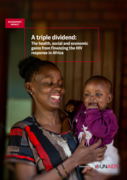
This report presents findings from research conducted by Economist Impact to assess the health, demographic, social and economic impacts associated with different scenarios for financing the HIV epidemic across 13 selected countries in Sub-Saharan Africa. The sponsorship of UNAIDS towards this repor
...
t is gratefully acknowledged. However, the findings and ideas expressed herein represent those of Economist Impact. They do not necessarily reflect the views and opinions of UNAIDS, nor do they engage the responsibility of UNAIDS.
more
A variety of international organizations are involved in mobilizing resources from both public and private
sources and using them to extend development assistance to low-and middle-income countries around the world. They provide country-focused financial and technical assistance to developing count
...
ries, and contribute to the generation of global public goods,
such as disease surveillance, norms and standards,
data and knowledge, and aid coordination
more
