Filter
4466
Text search:
community
based
mental
health
Featured
439
973
Language
4226
137
120
84
57
41
27
23
15
10
8
6
5
5
5
5
5
4
4
4
4
4
3
3
3
3
3
3
3
3
3
3
3
3
3
3
2
2
2
2
2
2
2
2
2
2
1
1
1
1
1
1
1
1
1
1
1
1
1
1
1
1
1
1
1
1
1
1
1
Document type
2617
734
466
249
162
91
64
42
14
12
11
1
1
Countries
194
186
119
114
105
81
78
78
76
74
72
67
66
63
62
61
52
50
47
46
43
41
41
36
35
33
33
31
31
28
28
26
24
21
19
19
17
17
17
17
17
16
16
16
15
14
14
14
14
13
13
13
13
13
12
12
11
11
11
11
10
10
10
9
9
8
8
7
7
7
6
6
5
5
5
5
5
5
4
4
4
4
4
4
4
3
3
3
3
3
3
3
3
3
3
3
3
3
3
3
3
3
2
2
2
2
2
2
2
2
2
2
2
1
1
1
1
1
1
1
1
1
1
1
1
1
1
1
1
1
1
1
1
1
1
1
Authors & Publishers
509
223
212
126
119
97
89
86
77
57
42
35
33
33
31
31
30
25
24
24
24
23
22
21
21
21
20
20
18
17
17
16
16
15
15
14
13
12
12
12
12
12
12
12
11
11
11
11
11
11
11
11
11
11
11
11
10
10
10
10
10
9
9
9
9
9
8
8
8
8
8
8
8
8
8
8
8
7
7
7
7
7
7
7
7
7
7
7
7
7
7
7
7
7
7
7
6
6
6
6
6
6
6
6
6
6
6
6
6
6
6
6
6
5
5
5
5
5
5
5
5
5
5
5
5
5
5
5
5
5
5
5
5
5
5
5
5
5
5
5
5
5
5
4
4
4
4
4
4
4
4
4
4
4
4
4
4
4
4
4
4
4
4
4
4
4
4
4
4
4
4
4
4
4
4
4
4
4
4
4
4
4
4
4
4
4
4
4
4
4
4
4
4
4
4
4
4
3
3
3
3
3
3
3
3
3
3
3
3
3
3
3
3
3
3
3
3
3
3
3
3
3
3
3
3
3
3
3
3
3
3
3
3
3
3
3
3
3
3
3
3
3
3
3
3
3
3
3
3
3
3
3
3
3
3
3
3
3
3
3
3
3
3
3
3
3
3
3
3
3
3
3
3
3
3
3
3
3
3
3
3
3
3
3
3
3
3
3
3
3
3
3
3
2
2
2
2
2
2
2
2
2
2
2
2
2
2
2
2
2
2
2
2
2
2
2
2
2
2
2
2
2
2
2
2
2
2
2
2
2
2
2
2
2
2
2
2
2
2
2
2
2
2
2
2
2
2
2
2
2
2
2
2
2
2
2
2
2
2
2
2
2
2
2
2
2
2
2
2
2
2
2
2
2
2
2
2
2
2
2
2
2
2
2
2
2
2
2
2
2
2
2
2
2
2
2
2
2
2
2
2
2
2
2
2
2
2
2
2
2
2
2
2
2
2
2
2
2
2
2
2
2
2
2
2
2
2
2
2
2
2
2
2
2
2
2
2
2
2
2
2
2
2
2
2
2
2
2
2
2
2
2
2
2
2
2
2
2
2
2
2
2
2
2
2
2
2
2
2
2
2
2
2
2
2
2
2
2
2
2
2
2
2
2
2
2
2
2
2
2
2
2
2
2
2
2
2
2
2
2
2
2
2
2
2
2
2
2
2
2
2
2
2
2
2
2
2
2
2
2
2
2
2
2
2
2
2
2
2
2
2
2
2
2
2
2
2
2
2
2
2
2
2
2
2
2
2
2
2
2
2
2
2
2
2
2
2
2
2
2
2
2
2
2
2
2
1
1
1
1
1
1
1
1
1
1
1
1
1
1
1
1
1
1
1
1
1
1
1
1
1
1
1
1
1
1
1
1
1
1
1
1
1
1
1
1
1
1
1
1
1
1
1
1
1
1
1
1
1
1
1
1
1
1
1
1
1
1
1
1
1
1
1
1
1
1
1
1
1
1
1
1
1
1
1
1
1
1
1
1
1
1
1
1
1
1
1
1
1
1
1
1
1
1
1
1
1
1
1
1
1
1
1
1
1
1
1
1
1
1
1
1
1
1
1
1
1
1
1
1
1
1
1
1
1
1
1
1
1
1
1
1
1
1
1
1
1
1
1
1
1
1
1
1
1
1
1
1
1
1
1
1
1
1
1
1
1
1
1
1
1
1
1
1
1
1
1
1
1
1
1
1
1
1
1
1
1
1
1
1
1
1
1
1
1
1
1
1
1
1
1
1
1
1
1
1
1
1
1
1
1
1
1
1
1
1
1
1
1
1
1
1
1
1
1
1
1
1
1
1
1
1
1
1
1
1
1
1
1
1
1
1
1
1
1
1
1
1
1
1
1
1
1
1
1
1
1
1
1
1
1
1
1
1
1
1
1
1
1
1
1
1
1
1
1
1
1
1
1
1
1
1
1
1
1
1
1
1
1
1
1
1
1
1
1
1
1
1
1
1
1
1
1
1
1
1
1
1
1
1
1
1
1
1
1
1
1
1
1
1
1
1
1
1
1
1
1
1
1
1
1
1
1
1
1
1
1
1
1
1
1
1
1
1
1
1
1
1
1
1
1
1
1
1
1
1
1
1
1
1
1
1
1
1
1
1
1
1
1
1
1
1
1
1
1
1
1
1
1
1
1
1
1
1
1
1
1
1
1
1
1
1
1
1
1
1
1
1
1
1
1
1
1
1
1
1
1
1
1
1
1
1
1
1
1
1
1
1
1
1
1
1
1
1
1
1
1
1
1
1
1
1
1
1
1
1
1
1
1
1
1
1
1
1
1
1
1
1
1
1
1
1
1
1
1
1
1
1
1
1
1
1
1
1
1
1
1
1
1
1
1
1
1
1
1
1
1
1
1
1
1
1
1
1
1
1
1
1
1
1
1
1
1
1
1
1
1
1
1
1
1
1
1
1
1
1
1
1
1
1
1
1
1
1
1
1
1
1
1
1
1
1
1
1
1
1
1
1
1
1
1
1
1
1
1
1
1
1
1
1
1
1
1
1
1
1
1
1
1
1
1
1
1
1
1
1
1
1
1
1
1
1
1
1
1
1
1
1
1
1
1
1
1
1
1
1
1
1
1
1
1
1
1
1
1
1
1
1
1
1
1
1
1
1
1
1
1
1
1
1
1
1
1
1
1
1
1
1
1
1
1
1
1
1
1
1
1
1
1
1
1
1
1
1
1
1
1
1
1
1
1
1
1
1
1
1
1
1
1
1
1
1
1
1
1
1
1
1
1
1
1
1
1
1
1
1
1
1
1
1
1
1
1
1
1
1
1
1
1
1
1
1
1
1
1
1
1
1
1
1
1
1
1
1
1
1
1
1
1
1
1
1
1
1
1
1
1
1
1
1
1
1
1
1
1
1
1
1
1
1
1
1
1
1
1
1
1
1
1
1
1
1
1
1
1
1
1
1
1
1
1
1
1
1
1
1
1
1
1
1
1
1
1
1
1
1
1
1
1
1
1
1
1
1
1
1
1
1
1
1
1
1
1
1
1
1
1
1
1
1
1
1
1
1
1
1
1
1
1
1
1
1
1
1
1
1
1
1
1
1
1
1
1
1
1
1
1
1
1
1
1
1
1
1
1
1
1
1
1
1
1
1
1
1
1
1
1
1
1
1
1
1
1
1
1
1
1
1
1
1
1
1
1
1
1
1
1
1
1
1
1
1
1
1
1
1
1
1
1
1
1
1
1
1
1
1
1
1
1
1
1
1
1
1
1
1
1
1
1
1
1
1
1
1
1
1
1
1
1
1
1
1
1
1
1
1
1
1
1
1
1
1
1
1
1
1
1
1
1
1
1
1
1
1
1
1
1
1
1
1
1
1
1
1
1
1
1
1
1
1
1
1
1
1
1
1
1
1
1
1
1
1
1
1
1
1
1
1
1
1
1
1
1
1
1
1
1
1
1
1
1
1
1
1
1
1
1
1
1
1
1
1
1
1
1
1
1
1
1
1
1
1
1
1
1
1
1
1
1
1
1
1
1
1
1
1
1
1
1
1
1
1
1
1
1
1
1
1
1
1
1
1
1
1
1
1
1
1
1
1
1
1
1
1
1
1
1
1
1
1
1
1
1
1
1
1
1
1
1
1
1
1
1
1
1
1
1
1
1
1
1
1
1
1
1
1
1
1
1
1
1
1
1
1
1
1
1
1
1
1
1
1
1
1
1
1
1
1
1
1
1
1
1
1
1
1
1
1
1
1
1
1
1
1
1
1
1
1
1
1
1
1
1
1
1
1
1
1
1
1
1
1
1
1
1
1
1
1
1
1
1
1
1
1
1
1
1
1
1
1
1
1
1
1
1
1
1
1
1
1
1
1
1
1
1
1
1
1
1
1
1
1
1
1
1
1
1
1
1
1
1
1
1
1
1
1
1
1
1
1
1
1
1
1
1
1
1
1
1
1
1
1
1
1
1
1
1
1
1
1
1
1
1
1
1
1
1
1
1
1
1
1
1
1
1
1
1
1
1
1
1
1
1
1
1
1
1
1
1
1
1
1
1
1
1
1
1
1
1
1
1
1
1
1
1
1
1
1
1
1
1
1
1
1
1
1
1
1
1
1
1
1
1
1
1
1
1
1
1
1
1
1
1
1
1
1
1
1
1
1
1
1
1
1
1
1
1
1
1
1
1
1
1
1
1
1
1
1
1
1
1
1
1
1
1
1
1
1
1
1
1
1
1
1
1
1
1
1
1
1
1
1
1
1
1
1
1
1
1
1
1
1
1
1
1
1
1
1
1
1
1
1
1
1
1
1
1
1
1
1
1
1
1
1
1
1
1
1
1
1
1
1
1
1
1
1
1
1
1
1
1
1
1
1
1
1
1
1
1
1
1
1
1
1
1
1
1
1
1
1
1
1
1
1
1
1
1
1
1
1
1
1
1
1
1
1
1
1
1
1
1
1
1
1
1
1
1
1
1
1
1
1
1
1
1
1
1
1
1
1
1
1
1
1
1
1
1
1
1
1
1
1
1
1
1
1
1
1
1
1
1
1
1
1
1
1
1
1
1
1
1
1
1
1
1
1
1
1
1
1
1
1
1
1
1
1
1
1
1
1
1
1
1
1
1
1
1
1
1
1
1
1
1
1
1
1
1
1
1
1
1
1
1
1
1
1
1
1
1
1
1
1
1
1
1
1
1
1
1
1
1
1
1
1
1
1
1
1
1
1
1
1
1
1
1
1
1
1
1
1
1
1
1
1
1
1
1
1
1
1
1
1
1
1
1
1
1
1
1
1
1
1
1
1
1
1
1
1
1
1
1
1
1
1
1
1
1
1
1
1
1
1
1
1
1
1
1
1
1
1
1
1
1
1
1
1
1
1
1
1
1
1
1
1
1
1
1
1
1
1
1
1
1
1
1
1
1
1
1
1
1
1
1
1
1
1
1
1
1
1
1
1
1
1
1
1
1
1
1
1
1
1
1
1
1
1
1
1
1
1
1
1
1
1
1
1
1
1
1
1
1
1
1
1
1
1
1
1
1
1
1
1
1
1
1
1
1
1
1
1
1
1
1
1
1
1
1
1
1
1
1
1
1
1
1
1
1
1
1
1
1
1
1
1
1
1
1
1
1
1
1
1
1
1
1
1
1
1
1
1
1
1
1
1
1
1
1
1
1
1
1
1
1
1
1
1
1
1
1
1
1
1
1
1
1
1
1
1
1
1
1
1
1
1
1
1
1
1
1
1
1
1
1
1
1
1
1
1
1
1
1
1
1
1
1
1
1
1
1
1
1
1
1
1
1
1
1
1
1
1
1
1
1
1
1
1
1
1
1
1
1
1
1
1
1
1
1
1
1
1
1
1
1
1
1
1
1
1
1
1
1
1
1
1
1
1
1
1
1
1
1
1
1
1
1
1
1
1
1
1
1
1
1
1
1
1
1
1
1
1
1
1
1
1
1
1
1
1
1
1
1
1
1
1
1
1
1
1
1
1
1
1
1
1
1
1
1
1
1
1
1
1
1
1
1
1
1
1
1
1
1
1
1
1
1
1
1
1
1
1
1
1
1
1
1
1
1
1
1
1
1
1
1
1
1
1
1
1
1
1
1
1
1
1
1
1
1
1
1
1
1
1
1
1
1
1
1
1
1
1
1
1
1
1
1
1
1
1
1
1
1
1
1
1
1
1
1
1
1
1
1
1
1
1
1
1
1
1
1
1
1
1
1
1
1
1
1
1
1
1
1
1
1
1
1
1
1
1
1
1
1
1
1
1
1
1
1
1
1
1
1
1
1
1
1
1
1
1
1
1
1
1
1
1
1
1
1
1
1
1
1
1
1
1
1
1
1
1
1
1
1
1
1
1
1
1
1
1
1
1
1
1
1
1
1
1
1
1
1
1
1
1
1
1
1
1
1
1
1
1
1
1
1
1
1
1
1
1
1
1
1
1
1
1
1
1
1
1
1
1
1
1
1
1
1
1
1
1
1
1
1
1
1
1
1
1
1
1
1
1
1
1
1
1
1
1
1
1
1
1
1
1
1
1
1
1
1
1
1
1
1
1
1
1
1
1
1
1
1
1
1
1
1
1
1
1
1
1
1
1
1
1
1
1
1
1
1
1
1
1
1
1
1
1
1
1
1
1
1
1
1
1
1
1
1
1
1
1
1
1
1
1
1
1
1
1
1
1
1
1
1
1
1
1
1
1
1
1
1
1
1
1
1
1
1
1
1
1
1
1
1
1
1
1
1
1
1
1
1
1
1
1
1
1
1
1
1
1
1
1
1
1
1
1
1
1
1
1
1
1
1
1
1
1
1
1
1
1
1
1
1
1
1
1
1
1
1
1
1
1
1
1
1
1
1
1
1
1
1
1
1
1
1
1
1
1
1
1
1
1
1
1
1
1
1
1
1
1
1
1
1
1
1
1
1
1
1
1
1
1
1
1
1
1
1
1
1
1
1
1
1
1
1
1
1
1
1
1
1
1
1
1
1
1
1
1
1
1
1
1
1
1
1
1
1
1
1
1
1
1
1
1
1
1
1
1
1
1
1
1
1
1
1
1
1
1
1
1
1
1
1
1
1
1
1
1
1
1
1
1
1
1
1
1
1
1
1
1
1
1
1
1
1
1
1
1
1
1
1
1
1
1
1
1
1
1
1
1
1
1
1
1
1
1
1
1
1
1
1
1
1
1
1
1
1
1
1
1
1
1
1
1
1
1
1
1
1
1
1
1
1
1
1
1
1
1
1
1
1
1
1
1
1
1
1
1
1
1
1
1
1
1
1
1
1
1
1
1
1
1
1
1
1
1
1
1
1
1
1
1
1
1
1
1
1
1
1
1
1
1
1
1
1
1
1
1
1
1
1
1
1
1
1
1
1
1
1
1
1
1
1
1
1
1
1
1
1
1
1
1
1
1
1
1
1
1
1
1
1
1
1
1
1
1
1
1
1
1
1
1
1
1
1
1
1
1
1
1
1
1
1
1
1
1
1
1
1
1
1
1
1
1
1
1
1
1
1
1
1
1
1
1
1
1
1
1
1
1
1
1
1
1
1
1
1
1
1
1
1
1
1
1
1
1
1
1
1
1
1
1
1
1
1
1
1
1
1
1
1
1
1
1
1
1
1
1
1
1
1
1
1
1
1
1
1
1
1
1
1
1
1
1
1
1
1
1
1
1
1
1
1
1
1
1
1
1
1
1
1
1
1
1
1
1
1
1
1
1
1
1
1
1
1
1
1
1
1
1
1
1
1
1
1
1
1
1
1
1
1
1
1
1
1
1
1
1
1
1
1
1
1
1
1
1
1
1
1
1
1
1
1
1
1
1
1
1
1
1
1
1
1
1
1
1
1
1
1
1
1
1
1
1
1
1
1
1
1
1
1
1
1
1
1
1
1
1
1
1
1
1
1
1
1
1
1
1
1
1
1
1
1
1
1
1
1
1
1
1
1
1
1
1
1
1
1
1
1
1
1
1
1
1
1
1
1
1
1
1
1
1
1
1
1
1
1
1
1
1
1
1
1
1
1
1
1
1
1
1
1
1
1
1
1
1
1
1
1
1
1
1
1
1
1
1
1
1
1
1
1
1
1
1
1
1
1
1
1
1
1
1
1
1
1
1
1
1
1
1
1
1
1
1
1
1
1
1
1
1
1
1
1
1
1
1
1
1
1
1
1
1
1
1
1
1
1
1
1
1
1
1
1
1
1
1
1
1
1
1
1
1
1
1
1
1
1
1
1
1
1
1
1
1
1
1
1
1
1
1
1
1
1
1
1
1
1
1
1
1
1
1
1
1
1
1
1
1
1
1
1
1
1
1
1
1
1
1
1
1
1
1
1
1
1
1
1
1
1
1
1
1
1
1
1
1
1
1
1
1
1
1
1
1
1
1
1
1
1
1
1
1
1
1
1
1
1
1
1
1
1
1
1
1
1
1
1
1
1
1
1
1
1
1
1
1
1
1
1
1
1
1
1
1
1
1
1
1
1
1
1
1
1
1
1
1
1
1
1
1
1
1
1
1
1
1
1
1
1
1
1
1
1
1
1
1
1
1
1
1
1
1
1
1
1
1
1
1
1
1
1
1
1
1
1
1
1
1
1
1
1
1
1
1
1
1
1
1
1
1
1
1
1
1
1
1
1
1
1
1
1
1
1
1
1
1
1
1
1
1
1
1
1
1
1
1
1
1
1
1
1
1
1
1
1
1
1
1
1
1
1
1
1
1
1
1
1
1
1
1
1
1
1
1
1
1
1
1
1
1
1
1
1
1
1
1
1
1
1
1
1
1
1
1
1
1
1
1
1
1
1
1
1
1
1
1
1
1
1
1
1
1
1
1
1
1
1
1
1
1
1
1
1
1
1
1
1
1
1
1
1
1
1
1
1
1
1
1
1
1
1
1
1
1
1
1
1
1
1
1
1
1
1
1
1
1
1
1
1
1
1
1
1
1
1
1
1
1
1
1
1
1
1
1
1
1
1
1
1
1
1
1
1
1
1
1
1
1
1
1
1
1
1
1
1
1
1
1
1
1
1
1
1
1
1
1
1
1
1
1
1
1
1
1
1
1
1
1
1
1
1
1
1
1
1
1
1
1
1
1
1
1
1
1
1
1
1
1
1
1
1
1
1
1
1
1
1
1
1
1
1
1
1
1
1
1
1
1
1
1
1
1
1
1
1
1
Publication Years
1310
2697
437
21
1
Category
1513
266
263
208
131
120
10
3
2
1
Toolboxes
842
454
337
308
201
157
134
129
110
86
73
67
65
62
54
31
23
23
17
13
12
8
5
2
1
1
Healthy people, healthy animals and a healthy environment worldwide with the One Health approach.
The COVID-19 pandemic has drastically demonstrated just how close the link is between humans, animals, and the environment, and has highlighted and ag
...
gravated existing challenges. The destruction of natural habitats and displacement of species, trade in wild animals, resource-intensive lifestyles and conditions, non-sustainable food systems and, in particular, industrial agriculture and intensive livestock farming are the causes of the emergence of zoonoses as well as numerous other communicable and non-communicable, chronic diseases.
The One Health approach focuses precisely on such interaction between humans, animals, and the environment.
more
This South-East Asia Regional Strategy for Primary Health Care: 2022-2030 aims to accelerate progress in all countries of the Region towards universal health coverage (UHC),
...
health security and the health-related Sustainable Development Goals (SDGs). It is intended to provide Member States with guidance on facilitating PHC-orientation through the identification of seven values and 12 strategic actions that collectively embody the philosophy and practice of PHC, enunciated in the 1978 Declaration of Alma-Ata and reaffirmed in the 2018 Declaration of Astana.
more
In 2015, 5.9 million children under age five died (1). The major causes of child deaths globally are pneumonia, prematurity, intrapartum-related complications, neonatal sepsis, congenital anomalies, diarrhoea, injuries and malaria (2). Most of these diseases and conditions are at least partially cau
...
sed by the environment. It was estimated in 2012 that 26% of childhood deaths and 25% of the total disease burden in children under five could be prevented through the reduction of environmental risks such as air pollution, unsafe water, sanitation and inadequate hygiene or chemicals.
more
International health regulations (2005): state party self-assessment annual reporting tool, 2nd ed
Second edition.
AVailable in English, French, Spanish, Russian, Chinese and Portuguese

Int. J. Environ. Res. Public Health 2018, 15(12), 2626; https://doi.org/10.3390/ijerph15122626
Climate change is increasing risks to human health and to the
...
health systems that seek to protect the safety and well-being of populations. Health authorities require information about current associations between health outcomes and weather or climate, vulnerable populations, projections of future risks and adaptation opportunities in order to reduce exposures, empower individuals to take needed protective actions and build climate-resilient health systems. An increasing number of health authorities from local to national levels seek this information by conducting climate change and health vulnerability and adaptation assessments. While assessments can provide valuable information to plan for climate change impacts, the results of many studies are not helping to build the global evidence-base of knowledge in this area. They are also often not integrated into adaptation decision making, sometimes because the health sector is not involved in climate change policy making processes at the national level. Significant barriers related to data accessibility, a limited number of climate and health models, uncertainty in climate projections, and a lack of funding and expertise, particularly in developing countries, challenge health authority efforts to conduct rigorous assessments and apply the findings. This paper examines the evolution of climate change and health vulnerability and adaptation assessments, including guidance developed for such projects, the number of assessments that have been conducted globally and implementation of the findings to support health adaptation action. Greater capacity building that facilitates assessments from local to national scales will support collaborative efforts to protect health from current climate hazards and future climate change. Health sector officials will benefit from additional resources and partnership opportunities to ensure that evidence about climate change impacts on health is effectively translated into needed actions to build health resilience.
more
nt. J. Environ. Res. Public Health 2014, 11(12), 13097-13116; https://doi.org/10.3390/ijerph111213097
Climate change will increase the frequency and magnitude of extreme weather events and create risks that will impact
...
health care facilities. Health care facilities will need to assess climate change risks and adopt adaptive management strategies to be resilient, but guidance tools are lacking. In this study, a toolkit was developed for health care facility officials to assess the resiliency of their facility to climate change impacts. A mixed methods approach was used to develop climate change resiliency indicators to inform the development of the toolkit. The toolkit consists of a checklist for officials who work in areas of emergency management, facilities management and health care services and supply chain management, a facilitator’s guide for administering the checklist, and a resource guidebook to inform adaptation. Six health care facilities representing three provinces in Canada piloted the checklist. Senior level officials with expertise in the aforementioned areas were invited to review the checklist, provide feedback during qualitative interviews and review the final toolkit at a stakeholder workshop. The toolkit helps health care facility officials identify gaps in climate change preparedness, direct allocation of adaptation resources and inform strategic planning to increase resiliency to climate change.
more
This draft Roadmap for the Global Health for Peace Initiative has been developed in response to decision WHA75(24) of the 75th World Health Assembly (2022), which requested that WHO develop, in full
...
consultation with Member States and Observers, and in full collaboration with other organizations of the United Nations system and relevant non-State actors in official relations with WHO, a Roadmap, if any, for the Global Health and Peace Initiative.
It incorporates feedback received from Member States through a first round of consultation carried out at the end of 2022. This (second) draft is being made available ahead of the 152nd session of the Executive Board, that will consider the draft Roadmap.
The Roadmap for the Global Health for Peace Initiative aims to provide a framework for the Initiative at global level, defining concepts, establishing principles, setting strategic goals and objectives as well as operational priorities. It also describes the “Health for Peace approach” to programming, which lies at the core of the Global Health for Peace Initiative (GHPI). The GHPI is a global initiative of WHO that aims to enhance the existing links between health (and health interventions) and peace
more

WHO needs US$2.54 billion to provide life-saving assistance to millions of people around the world facing health emergencies. WHO’s Health Emergency Appeal is a consolidation of WHO’s priorities
...
and financial requirements for 2023 to carry out health interventions in emergency and humanitarian responses. The number of people in need of humanitarian relief has increased by almost a quarter compared to 2022, to a record 339 million. WHO is responding to an unprecedented number of intersecting health emergencies: climate change-related disasters such as flooding in Pakistan and food insecurity across the Sahel in the greater Horn of Africa; the war in Ukraine; and the health impact of conflict in Yemen, Afghanistan, Syria and north eastern Ethiopia – all of these emergencies overlapping with the health system disruptions caused by the COVID-19 pandemic and outbreaks of measles, cholera, and other killers. Contributions to the appeal can be fully flexible, flexible across a region, or flexible within a country appeal.
more
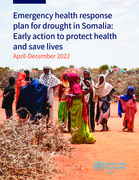
Nearly 260 000 people died in parts of Somalia between October 2010 and April 2012, including
133 000 children under five during the famine and food crisis in Somalia making it the worst famine in history.
A study commissioned and funded by the Food and Agriculture Organization of the United Natio
...
n’s food security and nutrition analysis unit for Somalia stated that the famine early warning systems clearly identified the risk of famine in South Central Somalia in 2010–2011 but timely action to prevent the onset of famine was not taken. The result was large scale
mortality, morbidity and population displacement.
more
There is an expanding market of no- and low-alcohol beverages (NoLos). However, their effects on global ethanol consumption and public health are still questioned. Policies and regulations about NoLos’ availability, acceptability and affordability
...
are lacking and evidence about their benefits is limited. Concerns have been raised about the impact of NoLos in reducing alcohol consumption and its associated harm and the possible drawbacks and implications, such as misleading minors, pregnant women, abstainers or those seeking to stop drinking about their actual ethanol content. Further, there are concerns about the implications of NoLo branded products being displayed close to the brand’s main alcoholic beverages and their potential to subtly lead to new occasions of drinking. There is a need to monitor their consumption and impact on aggregated alcohol consumption to understand the public health implications of NoLos. The alcohol by volume content of NoLos must be defined, harmonised and clearly labelled. NoLo marketing needs to be regulated to protect children, pregnant women and those seeking to stop drinking. Fiscal and pricing policies to reduce the affordability of products with higher strengths of ethanol may favour a shift towards lower alcohol strength beverages.
more

The ongoing COVID-19 pandemic has shown that public financial management (PFM) should be an integral part of the response. Effectiveness in financing the health response depends not only on the level of funding but also on the way public funds are a
...
llocated and spent, this is determined by the PFM rules, and how money flows to health service providers. So far, early assessments have shown that PFM systems ranged from being a fundamental enabler to acting as a roadblock in the COVID-19 health response. While service delivery mechanisms have been extensively documented throughout the pandemic, the underlying PFM mechanisms of the response also merit attention. To highlight the importance of PFM in health emergency contexts, this rapid review analyses various country PFM experiences and identifies early lessons emerging from the financing of the health response to COVID-19. The assessment is done by stages of the budget cycle: budget allocation, budget execution, and budget oversight. Identifying lessons from the varying PFM modalities used to finance the response to COVID-19 is fundamental both for health policy-makers and for finance authorities to prepare for future health emergencies.
more
The document is a policy brief by the NCD Alliance for the 2023 United Nations High-Level Meeting on Universal Health Coverage (UHC). It highlights the importance of integrating non-communicable diseases (NCDs) into UHC efforts, with the goal of ens
...
uring equitable health access worldwide.
more
Occupational health and safety programmes aim to prevent diseases and injuries arising out of, linked with or occurring in the course of work, while improving the quality and safety of care, safeguarding the
...
health workforce and promoting environmental sustainability in the health sector.
This guide provides an overview of the key elements of occupational health and safety programmes for health workers at national, subnational and facility levels, as well as advice for the development and implementation of such programmes. Health workers exposure risk assessment and management in the context of COVID-19 virus
more
A handbook for building skills, Updated 2013
A project of the FIGO Committee for Women’s Sexual and Reproductive Rights (WSRR)
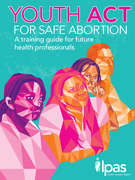
This guide is a resource for future health professionals who want to learn about and engage in abortion issues. Abortion is a critical but often neglected area of women’s rights, women’s health
...
and health science education. The guide ences students was developed for health sciences students -including students in medicine, nursing, midwifery, pharmacology, public health and other related fields
more