
Filter
1687
Text search:
brain
health
Featured
173
362
Language
1557
61
54
53
32
22
19
17
6
6
5
5
4
4
4
4
4
4
3
3
3
3
3
3
3
2
2
2
2
2
2
2
2
2
2
2
2
2
2
2
1
1
1
1
1
1
1
1
1
1
1
1
1
1
1
1
1
1
1
Document type
1078
193
175
93
52
35
28
13
7
5
5
3
Countries
124
53
36
34
28
27
23
21
21
21
20
20
20
20
16
16
16
15
14
14
13
11
10
9
8
8
8
8
6
6
6
6
5
5
4
4
4
4
3
3
3
3
3
3
3
3
3
2
2
2
2
2
2
2
2
2
2
2
2
1
1
1
1
1
1
1
1
1
1
1
1
1
1
1
1
1
1
1
1
1
1
1
1
1
1
1
1
1
1
1
1
1
1
Authors & Publishers
211
90
80
71
64
62
48
34
16
15
14
12
11
11
11
10
9
9
9
9
9
8
8
8
7
7
7
6
6
6
6
6
6
6
6
6
5
5
5
5
5
5
5
5
5
5
5
5
5
4
4
4
4
4
4
4
4
4
4
4
4
4
4
3
3
3
3
3
3
3
3
3
3
3
3
3
3
3
3
3
3
3
3
3
3
3
3
3
3
3
3
3
3
3
3
3
3
3
3
3
3
3
3
3
2
2
2
2
2
2
2
2
2
2
2
2
2
2
2
2
2
2
2
2
2
2
2
2
2
2
2
2
2
2
2
2
2
2
2
2
2
2
2
2
2
2
2
2
2
2
2
2
2
2
2
2
2
2
2
2
2
2
2
2
2
2
2
2
2
2
2
2
2
2
2
2
2
2
2
2
2
2
2
2
2
2
2
2
2
2
2
2
2
2
2
2
2
2
2
2
2
2
2
2
2
2
2
2
2
2
2
2
2
2
2
2
2
2
2
2
2
2
2
2
2
2
2
2
1
1
1
1
1
1
1
1
1
1
1
1
1
1
1
1
1
1
1
1
1
1
1
1
1
1
1
1
1
1
1
1
1
1
1
1
1
1
1
1
1
1
1
1
1
1
1
1
1
1
1
1
1
1
1
1
1
1
1
1
1
1
1
1
1
1
1
1
1
1
1
1
1
1
1
1
1
1
1
1
1
1
1
1
1
1
1
1
1
1
1
1
1
1
1
1
1
1
1
1
1
1
1
1
1
1
1
1
1
1
1
1
1
1
1
1
1
1
1
1
1
1
1
1
1
1
1
1
1
1
1
1
1
1
1
1
1
1
1
1
1
1
1
1
1
1
1
1
1
1
1
1
1
1
1
1
1
1
1
1
1
1
1
1
1
1
1
1
1
1
1
1
1
1
1
1
1
1
1
1
1
1
1
1
1
1
1
1
1
1
1
1
1
1
1
1
1
1
1
1
1
1
1
1
1
1
1
1
1
1
1
1
1
1
1
1
1
1
1
1
1
1
1
1
1
1
1
1
1
1
1
1
1
1
1
1
1
1
1
1
1
1
1
1
1
1
1
1
1
1
1
1
1
1
1
1
1
1
1
1
1
1
1
1
1
1
1
1
1
1
1
1
1
1
1
1
1
1
1
1
1
1
1
1
1
1
1
1
1
1
1
1
1
1
1
1
1
1
1
1
1
1
1
1
1
1
1
1
1
1
1
1
1
1
1
1
1
1
1
1
1
1
1
1
1
1
1
1
1
1
1
1
1
1
1
1
1
1
1
1
1
1
1
1
1
1
1
1
1
1
1
1
1
1
1
1
1
1
1
1
1
1
1
1
1
1
1
1
1
1
1
1
1
1
1
1
1
1
1
1
1
1
1
1
1
1
1
1
1
1
1
1
1
1
1
1
1
1
1
1
1
1
1
1
1
1
1
1
1
1
1
1
1
1
1
1
1
1
1
1
1
1
1
1
1
1
1
1
1
1
1
1
1
1
1
1
1
1
1
1
1
1
1
1
1
1
1
1
1
1
1
1
1
1
1
1
1
1
1
1
1
1
1
1
1
1
1
1
1
1
1
1
1
1
1
1
1
1
1
1
1
1
1
1
1
1
1
1
1
1
1
1
1
1
1
1
1
1
1
1
1
1
1
1
1
1
1
1
1
1
1
1
1
1
1
1
1
1
1
1
1
1
1
1
1
1
1
1
1
1
1
1
1
1
1
1
1
1
1
1
1
1
1
1
1
1
1
1
1
1
1
1
1
1
1
1
1
1
1
1
1
1
1
1
1
1
1
1
1
1
1
1
1
1
1
1
1
1
1
1
1
1
1
1
1
1
1
1
1
1
1
1
1
1
1
1
1
1
1
1
1
1
1
1
1
1
1
1
1
1
1
1
1
1
1
1
1
1
1
1
1
1
1
1
1
1
1
1
1
1
1
1
1
1
1
1
1
1
1
1
1
1
1
1
1
1
1
1
1
1
1
1
1
1
1
1
1
1
1
1
1
1
1
1
1
1
1
1
1
1
1
1
1
1
1
1
1
1
1
1
1
1
1
1
1
1
1
1
1
1
1
1
1
1
1
1
1
1
1
1
1
1
1
1
1
1
1
1
1
1
1
1
1
1
1
1
1
1
1
1
1
1
1
1
1
1
1
1
1
1
1
1
1
1
1
1
1
1
1
1
1
1
1
1
1
1
1
1
1
1
1
1
1
1
1
1
1
1
1
1
1
1
1
1
1
1
1
1
1
1
1
1
1
1
1
1
1
1
1
1
1
1
1
1
1
1
1
1
1
1
1
1
1
1
1
1
1
1
1
1
1
1
1
1
1
1
1
1
1
1
1
1
1
1
1
1
1
1
1
1
1
1
1
1
1
1
1
1
1
1
1
1
1
1
1
1
1
1
1
1
1
1
1
1
1
1
1
1
1
1
1
1
1
1
1
1
1
1
1
1
1
1
1
1
1
1
1
1
1
1
1
1
1
1
1
1
1
1
1
1
1
1
1
1
1
1
1
1
1
1
1
1
1
1
1
1
1
1
1
1
1
1
1
1
1
1
1
1
1
1
1
1
1
1
1
1
1
1
1
1
1
1
1
1
1
1
1
1
1
1
1
1
1
1
1
1
1
1
1
1
1
1
1
1
1
1
1
1
1
1
1
1
1
1
1
1
1
1
1
1
1
1
1
1
1
1
1
1
1
1
1
1
1
1
1
1
1
1
1
1
1
1
1
1
1
1
1
1
1
1
1
1
1
1
1
1
1
1
1
1
1
1
1
1
1
1
1
1
1
1
1
1
1
1
1
1
1
1
1
1
1
1
1
1
1
1
1
1
1
1
1
1
1
1
1
1
1
1
1
1
1
1
1
1
1
1
1
1
1
1
1
1
1
1
1
1
1
1
1
1
1
1
1
1
1
1
1
1
1
1
1
1
1
1
1
1
1
1
1
1
1
1
1
1
1
1
1
1
1
1
1
1
1
1
1
1
1
1
1
1
1
1
1
1
1
1
1
1
1
1
1
1
1
1
1
1
1
1
1
1
1
1
1
1
1
1
1
1
1
1
1
1
1
1
1
1
1
1
1
1
1
1
1
1
1
1
1
1
1
1
1
1
1
1
1
1
1
1
1
1
1
1
1
1
1
1
1
1
1
1
1
1
1
1
1
1
1
1
1
1
1
1
1
1
1
1
1
1
1
1
1
1
1
1
1
1
1
1
1
1
1
1
1
1
1
1
1
1
1
1
1
1
1
1
1
1
1
1
1
1
1
1
1
1
1
1
1
1
1
1
1
1
1
1
1
1
1
1
1
1
1
1
1
1
1
1
1
1
1
1
1
1
1
1
1
1
1
1
1
1
1
1
1
1
1
1
1
1
1
1
1
1
1
1
1
1
1
1
1
1
1
1
1
1
1
1
1
1
1
1
1
1
1
1
1
1
1
1
1
1
1
1
1
1
1
1
1
1
1
1
1
1
1
1
1
1
1
1
1
1
1
1
1
1
1
1
1
1
1
1
1
1
1
1
1
1
1
1
1
1
1
1
1
1
1
1
1
1
1
1
1
1
1
1
1
1
1
1
1
1
1
1
1
1
1
1
1
1
1
1
1
1
1
1
1
1
1
1
1
1
1
1
1
1
1
1
1
1
1
1
1
1
1
1
1
1
1
1
1
1
1
1
1
1
1
1
1
1
1
1
1
1
1
1
1
1
1
1
1
1
1
1
1
1
1
1
1
1
1
1
1
1
1
1
1
1
1
1
1
1
1
1
1
1
1
1
1
1
Publication Years
356
1104
213
13
1
Category
479
167
118
109
51
33
8
2
1
1
Toolboxes
424
132
88
58
55
54
50
50
39
36
34
32
26
25
17
15
13
13
10
8
8
4
4
Embracing Diversity: Toolkit for Creating Inclusive, Learning-Friendly Environments Specialized Booklet 3
Draft Working Discussion Paper
GETTING TO KNOW CEREBRAL PALSY: Module 2 - Evaluating Your Child
Hambisela - Towards Excellence in Therapy for Cerebral Palsy
Cerebral Palsy Association (Eastern Cape)
(2008)
C2
A learning resource for facilitators, parents, caregivers, and persons with cerebral palsy | Version 1 - Released March 2008
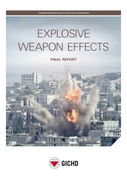
States, the United Nations and civil society organisations continue to raise concerns about the humanitarian impact caused by the use of explosive weapons in populated areas (EWIPA). This issue is currently being examined from political, legal, socio-economic and humanitarian perspectives. The GICHD
...
has undertaken research to provide a technical perspective on the destructive effects of selected explosive weapons to inform the international debate.
The research project attempts to reduce an observed knowledge gap regarding EWIPA. It seeks to provide clarity concerning the immediate physical effects and terminology used when discussing explosive weapons. The project is guided by a group of experts dealing with weapons-related research and practitioners who address the implications of explosive weapons in humanitarian, policy, advocacy and legal fields.
more
UNICEF Strategic Plan 2018-2021. Draft Theory of Change Paper
The report examines some of the underlying causes of domestic violence and the impact on children of being exposed to violence in the home.
The key question addressed in this article is social inclusion, as an opposite concept of social exclusion. The author provides a historical of social inclusion/exclusion terminology. Further, some of the principles of social inclusion are presented. In the end, the article focuses on the role of ed
...
ucation as a very important and useful tool for ensuring social inclusion.Social inclusion through education, in particular through vocational education, considered by the author as the only way towards sustainable development of Albanian society.
more

The publication aims to establish the rationale for inclusion and provides technical advice and tools for putting theory into practice. It is intended to be used as a reference during organizational and program/project development with a focus on gender responsiveness and disability inclusion as wel
...
l as a tool to support good practice in implementation.
This first part guides the reader through the process of assessing whether or not the organization is ready to change towards becoming a more inclusive organization. The second part introduces the ACAP framework, which sets up a way of approaching inclusion via focus on the areas: Access, Communication, Attitude and Participation. It then demonstrates how the framework can be applied to projects and programmes. The third part provides guidelines for the people who will guide organizations through the process of change towards becoming inclusive of persons from marginalized groups. more
This first part guides the reader through the process of assessing whether or not the organization is ready to change towards becoming a more inclusive organization. The second part introduces the ACAP framework, which sets up a way of approaching inclusion via focus on the areas: Access, Communication, Attitude and Participation. It then demonstrates how the framework can be applied to projects and programmes. The third part provides guidelines for the people who will guide organizations through the process of change towards becoming inclusive of persons from marginalized groups. more

This handbook presents basic content and tips for implementing a school-based risk reduction programme. It is organised into five modules: its importance; approach and process; activities to benefit children up to five years old; activities for students aged 5–17; and activities for young people a
...
nd volunteers aged 17–24.
A generic framework for school-based risk reduction initiatives is illustrated in a diagram on p.10. The Comprehensive School Safety framework suggests a series of continuing activities that include: identifying the hazards in and around a school; conducting drills; preparing contingency and disaster management plans by involving parents, teachers and students; and building on the capacities of an institution and individuals to cope with the challenges during an unforeseen event. It also consists of three pillars: safe learning facilities; school disaster management; and risk reduction and resilience education. more
A generic framework for school-based risk reduction initiatives is illustrated in a diagram on p.10. The Comprehensive School Safety framework suggests a series of continuing activities that include: identifying the hazards in and around a school; conducting drills; preparing contingency and disaster management plans by involving parents, teachers and students; and building on the capacities of an institution and individuals to cope with the challenges during an unforeseen event. It also consists of three pillars: safe learning facilities; school disaster management; and risk reduction and resilience education. more
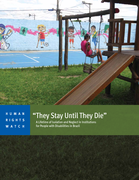
This report found that many people with disabilities enter institutions as children and remain there for their entire lives. Most of these institutions visited by Human Rights Watch researchers did not provide for more than people’s basic needs, such as food and hygiene, with scarce contact with t
...
he community and little opportunity for personal development. Some residents are tied to their beds and given sedatives to control them.
more
This guide was developed by AACAP to give reliable information about medication
used to treat bipolar disorder in children and adolescents to parents whose children
have been diagnosed with the illness.
Resilient Roots
recommended
A trauma resilience activity for CRS-WARO Action for the Protection and Integration of Migrants in Africa w(APIMA)
