
Filter
1995
Text search:
childhood
illness
Featured
183
591
Language
1913
49
44
35
24
15
10
6
5
4
4
4
3
3
2
2
2
2
2
2
1
1
1
1
1
1
1
1
1
1
1
1
1
1
1
1
1
1
1
1
Document type
1385
217
192
79
52
29
16
11
7
2
2
1
Countries
151
74
67
66
54
48
47
44
41
38
38
37
37
36
33
31
26
24
23
21
21
20
15
14
13
13
12
12
12
11
10
9
9
9
8
8
8
7
6
6
6
6
5
5
5
5
5
5
4
4
4
4
4
4
4
3
3
3
3
3
3
3
3
3
3
2
2
2
2
2
1
1
1
1
1
1
1
1
1
1
1
1
1
1
1
1
1
1
1
1
1
Authors & Publishers
217
115
91
71
70
66
43
43
40
26
23
22
22
18
15
15
13
12
10
10
9
9
9
8
8
8
8
7
7
7
7
7
6
6
6
6
6
6
6
6
6
5
5
5
5
5
5
5
5
5
5
5
5
5
5
5
5
4
4
4
4
4
4
4
4
4
4
4
4
4
4
4
4
4
4
4
4
4
4
4
4
4
3
3
3
3
3
3
3
3
3
3
3
3
3
3
3
3
3
3
3
3
3
3
3
3
3
3
3
3
3
3
3
3
3
3
3
3
3
3
3
3
3
3
3
3
3
3
3
3
3
2
2
2
2
2
2
2
2
2
2
2
2
2
2
2
2
2
2
2
2
2
2
2
2
2
2
2
2
2
2
2
2
2
2
2
2
2
2
2
2
2
2
2
2
2
2
2
2
2
2
2
2
2
2
2
2
2
2
2
2
2
2
2
2
2
2
2
2
2
2
2
2
2
2
2
2
2
2
2
2
2
2
2
2
2
2
2
2
2
2
2
2
2
2
2
2
2
2
2
2
2
2
2
2
2
2
2
2
2
2
2
2
2
2
2
2
2
2
2
2
2
2
2
2
2
2
2
2
2
2
2
2
2
2
2
2
2
2
2
2
2
2
2
2
2
1
1
1
1
1
1
1
1
1
1
1
1
1
1
1
1
1
1
1
1
1
1
1
1
1
1
1
1
1
1
1
1
1
1
1
1
1
1
1
1
1
1
1
1
1
1
1
1
1
1
1
1
1
1
1
1
1
1
1
1
1
1
1
1
1
1
1
1
1
1
1
1
1
1
1
1
1
1
1
1
1
1
1
1
1
1
1
1
1
1
1
1
1
1
1
1
1
1
1
1
1
1
1
1
1
1
1
1
1
1
1
1
1
1
1
1
1
1
1
1
1
1
1
1
1
1
1
1
1
1
1
1
1
1
1
1
1
1
1
1
1
1
1
1
1
1
1
1
1
1
1
1
1
1
1
1
1
1
1
1
1
1
1
1
1
1
1
1
1
1
1
1
1
1
1
1
1
1
1
1
1
1
1
1
1
1
1
1
1
1
1
1
1
1
1
1
1
1
1
1
1
1
1
1
1
1
1
1
1
1
1
1
1
1
1
1
1
1
1
1
1
1
1
1
1
1
1
1
1
1
1
1
1
1
1
1
1
1
1
1
1
1
1
1
1
1
1
1
1
1
1
1
1
1
1
1
1
1
1
1
1
1
1
1
1
1
1
1
1
1
1
1
1
1
1
1
1
1
1
1
1
1
1
1
1
1
1
1
1
1
1
1
1
1
1
1
1
1
1
1
1
1
1
1
1
1
1
1
1
1
1
1
1
1
1
1
1
1
1
1
1
1
1
1
1
1
1
1
1
1
1
1
1
1
1
1
1
1
1
1
1
1
1
1
1
1
1
1
1
1
1
1
1
1
1
1
1
1
1
1
1
1
1
1
1
1
1
1
1
1
1
1
1
1
1
1
1
1
1
1
1
1
1
1
1
1
1
1
1
1
1
1
1
1
1
1
1
1
1
1
1
1
1
1
1
1
1
1
1
1
1
1
1
1
1
1
1
1
1
1
1
1
1
1
1
1
1
1
1
1
1
1
1
1
1
1
1
1
1
1
1
1
1
1
1
1
1
1
1
1
1
1
1
1
1
1
1
1
1
1
1
1
1
1
1
1
1
1
1
1
1
1
1
1
1
1
1
1
1
1
1
1
1
1
1
1
1
1
1
1
1
1
1
1
1
1
1
1
1
1
1
1
1
1
1
1
1
1
1
1
1
1
1
1
1
1
1
1
1
1
1
1
1
1
1
1
1
1
1
1
1
1
1
1
1
1
1
1
1
1
1
1
1
1
1
1
1
1
1
1
1
1
1
1
1
1
1
1
1
1
1
1
1
1
1
1
1
1
1
1
1
1
1
1
1
1
1
1
1
1
1
1
1
1
1
1
1
1
1
1
1
1
1
1
1
1
1
1
1
1
1
1
1
1
1
1
1
1
1
1
1
1
1
1
1
1
1
1
1
1
1
1
1
1
1
1
1
1
1
1
1
1
1
1
1
1
1
1
1
1
1
1
1
1
1
1
1
1
1
1
1
1
1
1
1
1
1
1
1
1
1
1
1
1
1
1
1
1
1
1
1
1
1
1
1
1
1
1
1
1
1
1
1
1
1
1
1
1
1
1
1
1
1
1
1
1
1
1
1
1
1
1
1
1
1
1
1
1
1
1
1
1
1
1
1
1
1
1
1
1
1
1
1
1
1
1
1
1
1
1
1
1
1
1
1
1
1
1
1
1
1
1
1
1
1
1
1
1
1
1
1
1
1
1
1
1
1
1
1
1
1
1
1
1
1
1
1
1
1
1
1
1
1
1
1
1
1
1
1
1
1
1
1
1
1
1
1
1
1
1
1
1
1
1
1
1
1
1
1
1
1
1
1
1
1
1
1
1
1
1
1
1
1
1
1
1
1
1
1
1
1
1
1
1
1
1
1
1
1
1
1
1
1
1
1
1
1
1
1
1
1
1
1
1
1
1
1
1
1
1
1
1
1
1
1
1
1
1
1
1
1
1
1
1
1
1
1
1
1
1
1
1
1
1
1
1
1
1
1
1
1
1
1
1
1
1
1
1
1
1
1
1
1
1
1
1
1
1
1
1
1
1
1
1
1
1
1
1
1
1
1
1
1
1
1
1
1
1
1
1
1
1
1
1
1
1
1
1
1
1
1
1
1
1
1
1
1
1
1
1
1
1
1
1
1
1
1
1
1
1
1
1
1
1
1
1
1
1
1
1
1
1
1
1
1
1
1
1
1
1
1
1
1
1
1
1
1
1
1
1
1
1
1
1
1
1
1
1
1
1
1
1
1
1
1
1
1
1
1
1
1
1
1
1
1
1
1
1
1
1
1
1
1
1
1
1
1
1
1
1
1
1
1
1
1
1
1
1
1
1
1
1
1
1
1
1
1
1
1
1
1
1
1
1
1
1
1
1
1
1
1
1
1
1
1
1
1
1
1
1
1
1
1
1
1
1
1
1
1
1
1
1
1
1
1
1
1
1
1
1
1
1
1
1
1
1
1
1
1
1
1
1
1
1
1
1
1
1
1
1
1
1
1
1
1
1
1
1
1
1
1
1
1
1
1
1
1
1
1
1
1
1
1
1
1
1
1
1
1
1
1
1
1
1
1
1
1
1
1
1
1
1
1
1
1
1
1
1
1
1
1
1
1
1
1
1
1
1
1
1
1
1
1
1
1
1
1
1
1
1
1
1
1
1
1
1
1
1
1
1
1
1
1
1
1
1
1
1
1
1
1
1
1
1
1
1
1
1
1
1
1
1
1
1
1
1
1
1
1
1
1
1
1
1
1
1
1
1
1
1
1
1
1
1
1
1
1
1
1
1
1
1
1
1
1
1
1
1
1
1
1
1
1
1
1
1
1
1
1
1
1
1
1
1
1
1
1
1
1
1
1
1
1
1
1
1
1
1
1
1
1
1
1
1
1
1
1
1
1
1
1
1
1
1
1
1
1
1
1
1
1
1
1
1
1
1
1
1
1
1
1
1
1
1
1
1
1
1
1
1
1
1
1
1
1
1
1
1
1
1
1
1
1
1
1
1
1
1
1
1
1
1
1
1
1
1
1
1
1
1
1
1
1
1
1
1
1
1
1
1
1
1
1
1
1
1
1
1
1
1
1
1
1
1
1
1
1
1
1
1
1
1
1
1
1
1
1
1
1
1
1
1
1
1
1
1
1
1
1
1
1
1
1
1
1
1
1
1
1
1
1
1
1
1
1
1
1
1
1
1
1
1
1
1
1
1
1
1
1
1
1
1
1
1
1
1
1
1
1
1
1
1
1
1
1
1
1
1
1
1
1
1
1
1
1
1
1
1
1
1
1
1
1
1
1
1
1
1
1
1
1
1
1
1
1
1
1
1
1
1
1
1
1
1
1
1
1
1
1
1
1
1
1
1
1
1
1
1
1
1
1
1
1
1
1
1
1
1
1
1
1
1
1
1
1
1
1
1
1
1
1
1
1
1
1
1
1
1
1
1
1
1
1
1
1
1
1
1
1
1
1
1
1
1
1
1
1
1
1
1
1
1
1
1
1
1
1
1
1
1
1
1
1
1
1
1
1
1
1
1
1
1
1
1
1
1
1
1
1
1
1
1
1
1
1
1
1
1
1
1
1
1
1
1
1
1
1
1
1
1
1
1
1
1
1
1
1
1
1
1
1
1
1
1
1
1
1
1
1
1
1
1
1
Publication Years
331
1344
307
12
1
Category
890
218
188
114
55
47
9
1
Toolboxes
273
110
82
80
71
59
43
39
37
32
32
28
25
24
24
14
11
10
8
6
5
3
3
Training of Health-care Providers and Training manual Supporting material
This document has been developed to support countries develop and strengthen individualized peer support services in mental health and related areas. It addresses the provision of individualized peer support in the context of health services and the wider community.
Guidelines for malaria vector control
recommended
these guidelines are updated on 16 February 2021
Please check the new guideline here
https://medbox.org/document/who-guidelines-for-malaria#GO
Data on the essential building blocks of mental health systems, including mental health
governance, financing, service delivery, human resources and information, are reported. For
mental health planning, it is important to know not only the level of resources in these six areas,
but also how thos
...
e resources are being organized and utilized. Thus, data on efficiency, access,
equity, linkages with other sectors and respect for human rights are reported as well.
more
Clinical Guideline
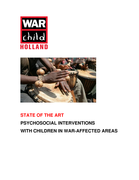
War Child put forward a specific request for comparative study, addressing the following questions: •What are the key types of intervention for psychosocial assistance that are being applied to children in war-affected areas? •What are the results of (scientific) research into the effects of th
...
e most relevant programmes? •Which NGOs operate in this sector and what is their practical experience with specific methods? •How does the War Child methodology relate to developments in the sector; what is known about the effects of War Child’s programme and how can these be measured? How will War Child work towards the development of additional evidence?
more
Creating a Healing Environment - Volume II: Technical Papers
John Frederick
International Labour Organization IPEC & Trafficking in Children-South Asia (TICSA)
(2002)
C1
Psycho-Social Rehabilitation and Occupational Integration of Child Survivors of Trafficking and Other Worst Forms of Child Labour |
This treatment guideline is intended to assist clinicians in the Behavioral Health department in treatment planning and service delivery for patients with Post Traumatic Stress Disorder (PTSD). It may also assist clinicians treating patients who have some of the signs and symptoms of PTSD but who do
...
not meet the full criteria of PTSD. The treatment guideline is not intended to cover every aspect of clinical practice, but to focus specifically on the treatment models and modalities that clinicians in our outpatient treatment setting could provide. These guidelines were developed through a process of literature review and discussion amongst clinicians in the Behavioral Health department and represent a consensus recommendation for service provision for this disorder. The guideline is intended to inform both clinical and administrative practices with the explicit goals of outlining treatment that is: effective, efficient, culturally relevant and acceptable to clinicians, program managers, and patients.
more

A Capstone Project submitted in partial fulfillment of the requirements for the Master of Science Degree in Counselor Education at Winona State University | This article reviews the use of Art Therapy to treat children who suffer from Posttraumatic Stress Disorder. It explores the clinical need for
...
addressing trauma, including PTSD, and then reviews the effects of trauma on the brain, and how Art Therapy affects the brain. It also identifies mental health characteristics and needs for children diagnosed with PTSD.
more
The humanitarian crisis in Yemen remains the worst in the world. Nearly four years of conflict and severe economic decline are driving the country to the brink of famine and exacerbating needs in all sectors. An estimated 80 per cent of the population – 24 million people – require some form of h
...
umanitarian or protection assistance, including 14.3 million who are in acute need. Severity of needs is deepening, with the number of people in acute need a staggering 27 per cent higher than last year. Two-thirds of all districts in the country are already pre-famine, and one-third face a convergence of multiple acute vulnerabilities
more
Mental Health and Psychosocial Support (MHPSS) in the context of the crises in Syria and Iraq
Sigmund Freud Privatuniversität; BAff; Charité; et al.
Deutsche Gesellschaft für Internationale Zusammenarbeit (GIZ) GmbH
(2017)
C2
Guiding framework for development cooperation, Working paper 2017.
This document was drawn up on the basis of expert publications and inputs from partners in the
GIZ regional programme Psychosocial Support for Syrian and Iraqi Refugees and Internally
Displaced People1 in order to serve as guidanc
...
e in the design, implementation and assessment of
psychosocial support measures for refugees in the context of the crises in Syria and Iraq. It is
aimed at actors from the MHPSS sector working with refugees in the Middle East and at ministries
and academic/scientific institutions in the context of the Syria and Iraq crises.
more
Practice Parameter on Disaster Preparedness
Pfefferbaum, B., Shaw, J.A. & American Academy of Child and Adolescent Psychiatry (AACAP) Committee on Quality Issues (CQI)
American Academy of Child and Adolescent Psychiatry (AACAP)
(2013)
CC
AACAP OFFICIAL ACTION | This Practice Parameter identifies best approaches to the assessment and management of children and adolescents across all phases of a disaster. Delivered within a disaster system of care, many interventions are appropriate for implementation in the weeks and months after a d
...
isaster. These include psychological first aid, family outreach, psychoeducation, social support, screening, and anxiety reduction techniques. The clinician should assess and monitor risk and protective factors across all phases of a disaster. Schools are a natural site for conducting assessments and delivering services to children. Multimodal approaches using social support, psychoeducation, and cognitive behavioral techniques have the strongest evidence base. Psychopharmacologic interventions are not generally used but may be necessary as an adjunct to other interventions for children with severe reactions or coexisting psychiatric conditions
more
The aim of this study is to research deeply on the post-traumatic stress disorder in sexually abused children. Proving the presence of forms of the disorder in children and the their treatment mode will be in the center of the study. The methods used to conduct this study will be a literature review
...
on the focused issue referring to reviews of articles which focus on the defined peer group. For the purpose we have selected only articles focusing on sexually abused children treated for post-traumatic stress disorder. The results of the study reveal that all forms of abuse could bring consequences on children, even more, posttraumatic stress is the language with which the victims communicate their sorrow in the most typical mode. Sexual abuse as one of the major forms of abuse, is among the most severe which cause irreversible consequences over a category of children. In conclusion we can assume that post-traumatic stress in sexually abused children might appear through the most severe forms of psychiatric and psychological symptoms and for the recovery and rehabilitation of the child in many cases the pharmacological treatment seems as the best choice for the child.
more

White Paper from the National Child Traumatic Stress Network Refugee Trauma Task Force

Сборник научных статей по материалам Конгресса ≪Психическое здоровье человека XXI века≫
recommended
Союз охраны психического здоровья, Issa, world council for psychotheraphy et al.
Союз охраны психического здоровья, Issa, world council for psychotheraphy et al.
(2016)
C2
В сборнике представлены статьи специалистов в сфере охраны психического здоровья по различным академическим дисциплинам, включая общую медицину, психиатрию, псиÑ
...
…отерапию, психологию, социологию, педагогику, юриспруденцию, экономику, спорт, по материалам Конгресса ≪Психическое здоровье человека XXI века≫, который состоялся 7–8 октября 2016 г. в Москве.
The collection of scientific papers is collected from different areas of scientific knowledge, including general medicine, psychiatry, psychotherapy, psychology, social policy, education, law, economics and sport. The publication contains materials that were delivered to the Organizing Committee of the Congress on Mental Health: Meeting the Needs of the XXI Century. The collection is intended for researchers and practitioners acting in the field of the mental health care.
more
Epilepsy - A manual for Medical and Clinical Officers in Africa
International League Against Epilepsy; World Health Organization; International Bureau for Epilepsy
(2002)
C_WHO
This paper focuses on the Sustainable Development Goals related to poverty, economic growth, inequality, health, food production and the environment. It presents concrete examples of the underlying and complex aspects of antibiotic resistance and its impacts across different Sustainable Development
...
Goals. The aim of this paper is to inform and stimulate discussions on how to further advance the implementation of 2030 Agenda for Sustainable Development, the Global Action Plan on Antimicrobial Resistance, National Action plans on Antimicrobial Resistance, as well as work within all sectors that affect and are affected by antibiotic resistance
more
A 16-Year Cohort Analysis of Autism Spectrum Disorder-Associated Morbidity in a Pediatric Population
Front. Psychiatry, 29 November 2018 | https://doi.org/10.3389/fpsyt.2018.00635
