
Filter
2581
Text search:
Hepatitis
Featured
285
733
Language
2156
281
92
78
53
46
24
22
16
14
13
12
11
10
9
9
8
8
7
7
6
6
6
6
5
5
5
4
4
4
3
3
3
3
3
3
2
2
2
2
2
2
2
2
1
1
1
1
1
1
1
1
1
1
1
1
Document type
1598
399
274
112
71
43
31
21
9
9
5
3
2
1
Countries
155
72
65
65
53
49
45
41
40
40
36
36
36
34
33
33
32
32
32
31
29
29
27
25
25
24
24
21
19
18
17
17
16
16
15
11
10
9
9
9
9
9
8
8
8
7
7
7
7
7
6
6
6
6
5
5
5
5
4
4
4
4
4
4
4
4
4
3
3
3
3
3
3
2
2
2
2
2
2
2
2
2
2
2
2
2
2
2
2
2
2
1
1
1
1
1
1
1
1
1
1
1
1
1
1
1
1
1
1
1
1
1
1
1
1
1
1
Authors & Publishers
298
158
142
96
78
65
55
48
33
27
26
25
23
23
19
17
17
17
16
15
15
15
14
14
14
14
13
13
13
13
13
12
12
12
11
11
11
10
10
10
9
9
9
9
9
8
8
8
8
8
8
8
7
7
7
7
7
7
7
7
7
7
6
6
6
6
6
6
6
6
6
6
6
6
6
6
6
6
5
5
5
5
5
5
5
5
5
5
5
5
5
5
5
5
5
5
5
5
5
5
5
5
5
4
4
4
4
4
4
4
4
4
4
4
4
4
4
4
4
4
4
4
4
4
4
4
4
4
4
4
4
4
4
4
4
4
4
4
4
3
3
3
3
3
3
3
3
3
3
3
3
3
3
3
3
3
3
3
3
3
3
3
3
3
3
3
3
3
3
3
3
3
3
3
3
3
3
3
3
3
3
3
3
3
3
3
3
3
3
3
3
3
3
3
3
3
3
3
3
3
3
3
3
3
3
3
3
3
3
3
3
3
3
3
3
3
3
3
3
3
3
3
3
3
3
3
3
2
2
2
2
2
2
2
2
2
2
2
2
2
2
2
2
2
2
2
2
2
2
2
2
2
2
2
2
2
2
2
2
2
2
2
2
2
2
2
2
2
2
2
2
2
2
2
2
2
2
2
2
2
2
2
2
2
2
2
2
2
2
2
2
2
2
2
2
2
2
2
2
2
2
2
2
2
2
2
2
2
2
2
2
2
2
2
2
2
2
2
2
2
2
2
2
2
2
2
2
2
2
2
2
2
2
2
2
2
2
2
2
2
2
2
2
2
2
2
2
2
2
2
2
2
2
2
2
2
2
2
2
2
2
2
2
2
2
2
2
2
2
2
2
2
2
2
2
2
2
2
2
2
2
2
2
2
2
2
2
2
2
2
2
2
2
2
2
2
2
2
2
2
2
2
2
2
2
2
2
1
1
1
1
1
1
1
1
1
1
1
1
1
1
1
1
1
1
1
1
1
1
1
1
1
1
1
1
1
1
1
1
1
1
1
1
1
1
1
1
1
1
1
1
1
1
1
1
1
1
1
1
1
1
1
1
1
1
1
1
1
1
1
1
1
1
1
1
1
1
1
1
1
1
1
1
1
1
1
1
1
1
1
1
1
1
1
1
1
1
1
1
1
1
1
1
1
1
1
1
1
1
1
1
1
1
1
1
1
1
1
1
1
1
1
1
1
1
1
1
1
1
1
1
1
1
1
1
1
1
1
1
1
1
1
1
1
1
1
1
1
1
1
1
1
1
1
1
1
1
1
1
1
1
1
1
1
1
1
1
1
1
1
1
1
1
1
1
1
1
1
1
1
1
1
1
1
1
1
1
1
1
1
1
1
1
1
1
1
1
1
1
1
1
1
1
1
1
1
1
1
1
1
1
1
1
1
1
1
1
1
1
1
1
1
1
1
1
1
1
1
1
1
1
1
1
1
1
1
1
1
1
1
1
1
1
1
1
1
1
1
1
1
1
1
1
1
1
1
1
1
1
1
1
1
1
1
1
1
1
1
1
1
1
1
1
1
1
1
1
1
1
1
1
1
1
1
1
1
1
1
1
1
1
1
1
1
1
1
1
1
1
1
1
1
1
1
1
1
1
1
1
1
1
1
1
1
1
1
1
1
1
1
1
1
1
1
1
1
1
1
1
1
1
1
1
1
1
1
1
1
1
1
1
1
1
1
1
1
1
1
1
1
1
1
1
1
1
1
1
1
1
1
1
1
1
1
1
1
1
1
1
1
1
1
1
1
1
1
1
1
1
1
1
1
1
1
1
1
1
1
1
1
1
1
1
1
1
1
1
1
1
1
1
1
1
1
1
1
1
1
1
1
1
1
1
1
1
1
1
1
1
1
1
1
1
1
1
1
1
1
1
1
1
1
1
1
1
1
1
1
1
1
1
1
1
1
1
1
1
1
1
1
1
1
1
1
1
1
1
1
1
1
1
1
1
1
1
1
1
1
1
1
1
1
1
1
1
1
1
1
1
1
1
1
1
1
1
1
1
1
1
1
1
1
1
1
1
1
1
1
1
1
1
1
1
1
1
1
1
1
1
1
1
1
1
1
1
1
1
1
1
1
1
1
1
1
1
1
1
1
1
1
1
1
1
1
1
1
1
1
1
1
1
1
1
1
1
1
1
1
1
1
1
1
1
1
1
1
1
1
1
1
1
1
1
1
1
1
1
1
1
1
1
1
1
1
1
1
1
1
1
1
1
1
1
1
1
1
1
1
1
1
1
1
1
1
1
1
1
1
1
1
1
1
1
1
1
1
1
1
1
1
1
1
1
1
1
1
1
1
1
1
1
1
1
1
1
1
1
1
1
1
1
1
1
1
1
1
1
1
1
1
1
1
1
1
1
1
1
1
1
1
1
1
1
1
1
1
1
1
1
1
1
1
1
1
1
1
1
1
1
1
1
1
1
1
1
1
1
1
1
1
1
1
1
1
1
1
1
1
1
1
1
1
1
1
1
1
1
1
1
1
1
1
1
1
1
1
1
1
1
1
1
1
1
1
1
1
1
1
1
1
1
1
1
1
1
1
1
1
1
1
1
1
1
1
1
1
1
1
1
1
1
1
1
1
1
1
1
1
1
1
1
1
1
1
1
1
1
1
1
1
1
1
1
1
1
1
1
1
1
1
1
1
1
1
1
1
1
1
1
1
1
1
1
1
1
1
1
1
1
1
1
1
1
1
1
1
1
1
1
1
1
1
1
1
1
1
1
1
1
1
1
1
1
1
1
1
1
1
1
1
1
1
1
1
1
1
1
1
1
1
1
1
1
1
1
1
1
1
1
1
1
1
1
1
1
1
1
1
1
1
1
1
1
1
1
1
1
1
1
1
1
1
1
1
1
1
1
1
1
1
1
1
1
1
1
1
1
1
1
1
1
1
1
1
1
1
1
1
1
1
1
1
1
1
1
1
1
1
1
1
1
1
1
1
1
1
1
1
1
1
1
1
1
1
1
1
1
1
1
1
1
1
1
1
1
1
1
1
1
1
1
1
1
1
1
1
1
1
1
1
1
1
1
1
1
1
1
1
1
1
1
1
1
1
1
1
1
1
1
1
1
1
1
1
1
1
1
1
1
1
1
1
1
1
1
1
1
1
1
1
1
1
1
1
1
1
1
1
1
1
1
1
1
1
1
1
1
1
1
1
1
1
1
1
1
1
1
1
1
1
1
1
1
1
1
1
1
1
1
1
1
1
1
1
1
1
1
1
1
1
1
1
1
1
1
1
1
1
1
1
1
1
1
1
1
1
1
1
1
1
1
1
1
1
1
1
1
1
1
1
1
1
1
1
1
1
1
1
1
1
1
1
1
1
1
1
1
1
1
1
1
1
1
1
1
1
1
1
1
1
1
1
1
1
1
1
1
1
1
1
1
1
1
1
1
1
1
1
1
1
1
1
1
1
1
1
1
1
1
1
1
1
1
1
1
1
1
1
1
1
1
1
1
1
1
1
1
1
1
1
1
1
1
1
1
1
1
1
1
1
1
1
1
1
1
1
1
1
1
1
1
1
1
1
1
1
1
1
1
1
1
1
1
1
1
1
1
1
1
1
1
1
1
1
1
1
1
1
1
1
1
1
1
1
1
1
1
1
1
1
1
1
1
1
1
1
1
1
1
1
1
1
1
1
1
1
1
1
1
1
1
1
1
1
1
1
1
1
1
1
1
1
1
1
1
1
1
1
1
1
1
1
1
1
1
1
1
1
1
1
1
1
1
1
1
1
1
1
1
1
1
1
1
1
1
1
1
1
1
1
1
1
1
1
1
1
1
1
1
1
1
1
1
1
1
1
1
1
1
1
1
1
1
1
1
1
1
1
1
1
1
1
1
1
1
1
1
1
1
1
1
1
1
1
1
1
1
1
1
1
1
1
1
1
1
1
1
1
1
1
1
1
1
1
1
1
1
1
1
1
1
1
1
1
1
1
1
1
1
1
1
1
1
1
1
1
1
1
1
1
1
1
1
1
1
1
1
1
1
1
1
1
1
1
1
1
1
1
1
1
1
1
1
1
1
1
1
1
1
1
1
1
1
1
1
1
1
1
1
1
1
1
1
1
1
1
1
1
1
1
1
1
1
1
1
1
1
1
1
1
1
1
1
1
1
1
1
1
1
1
1
1
1
1
1
1
1
1
1
1
1
1
1
1
1
1
1
1
1
1
1
1
1
1
1
1
1
1
1
1
1
1
1
1
1
1
1
1
1
1
1
1
1
1
1
1
1
1
1
1
1
1
1
1
1
1
1
1
1
1
1
1
1
1
1
1
1
1
1
1
1
1
1
1
1
1
1
1
1
1
1
1
1
1
1
1
1
1
1
1
1
1
1
1
1
1
1
1
1
1
1
1
1
1
1
1
1
1
1
1
1
1
1
1
1
1
1
1
1
1
1
1
1
1
1
1
1
1
1
1
1
1
1
1
1
1
1
1
1
1
1
1
1
1
1
1
1
1
1
1
1
1
1
1
1
1
1
1
1
1
1
1
1
1
1
1
1
1
1
1
1
1
1
1
1
1
1
1
1
1
1
1
1
1
1
1
1
1
1
1
1
1
1
1
1
1
1
1
1
1
1
1
1
1
1
1
1
1
1
1
1
1
1
1
1
1
1
1
1
1
1
1
1
1
1
1
1
1
1
1
1
1
1
1
1
1
1
1
1
1
1
1
1
1
1
1
1
1
1
1
1
1
1
1
1
1
1
1
1
1
1
1
1
1
1
1
1
1
1
1
1
1
1
1
1
1
1
1
1
1
1
1
1
1
1
1
1
1
1
1
1
1
1
1
1
1
1
1
1
1
1
1
1
1
1
1
1
1
1
1
1
1
1
Publication Years
566
1735
260
18
1
1
Category
972
285
118
101
93
42
37
1
Toolboxes
467
228
125
116
113
74
63
61
56
46
41
39
33
31
30
22
11
11
9
8
8
3
1
Handbook for HIV/Aids Training

January - December 2017

Draft May 2011
The first ever nursing and midwifery services policy document in the history of MoPH was developed with the following aims:
1. Create a positive environment for Nursing and Midwifery Policy and Practice
2. Promote education, training and career development for nurses an ... d midwives.
3. Contribute to the strengthening of health systems and services
4. Monitor the development of nursing and midwifery professions and ensure their quality
5. Streamline Nursing and Midwifery Workforce Management
6. Develop Partnerships for Nursing and Midwifery Services more
The first ever nursing and midwifery services policy document in the history of MoPH was developed with the following aims:
1. Create a positive environment for Nursing and Midwifery Policy and Practice
2. Promote education, training and career development for nurses an ... d midwives.
3. Contribute to the strengthening of health systems and services
4. Monitor the development of nursing and midwifery professions and ensure their quality
5. Streamline Nursing and Midwifery Workforce Management
6. Develop Partnerships for Nursing and Midwifery Services more

The Republic of the Union of Myanmar’s National Strategic Plan on HIV/AIDS 2016–2020 is the strategic guide for the country’s response to HIV at national, state/regional and local levels. The framework describes the current dynamics of the HIV epidemic and articulates a strategy to optimize in
...
vestments through a fast track approach with the vision of ending HIV as a public health threat by 2030. Myanmar’s third National Strategic Plan (HIV NSP III) issues a call to all partners to front-load investments to close the testing gap and reach the 90–90–90 prevention and treatment targets to protect health for all.
more


The report reflects on the trends, achievements and challenges in global health over the past decade during which Dr Margaret Chan has been Director-General of WHO. It discusses the role of WHO in dealing with such issues as the rise of noncommunicable diseases, leaps in life expectancy, and emergin
...
g threats like climate change and antimicrobial resistance.
more
more
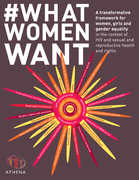
This report brings attention to achieving gender equality in the context of women, girls, and the HIV response. This six-month consultation in 2016 with adolescent women and young girls found that #WhatWomenWant is: collaboration and joint action by all to invest in women's HIV and Sexual and Reprod
...
uctive Health and Rights (SRHR), to be leaders and articulate the priorities of women and girls in all their diversity, and to speak to the new Political Declaration on AIDS and the SDG framework as a tool for civil society to meet their agenda to achieve gender equality in the HIV and SRHR response.
more


The evidence base for differentiated care for stable patients has grown in recent years. There has been less attention, however, to developing differentiated models of care for patients with advanced or unstable HIV disease. Current clinical guidelines and policies regarding optimal packages of care
...
for high-risk patients give few or no recommendations about how, by whom, or where they should be delivered for optimal impact.
more
more
The uneven distribution of HIV risks and burdens across populations is a well-substantiated fact, though seldom publicly acknowledged. Gay men and other men who have sex with men, people who inject drugs, sex workers, and transgender women are 24, 24, 13.5, and 49 times more likely to acquire HIV,
...
respectively, than other reproductive aged adults (15 years old and older). Globally, new infections among these key populations account for 45% of all new HIV infections. This figure is likely to be an underestimate, given the intense stigma associated with disclosing and reporting acquisition risks for HIV among gay men, people who use drugs, sex workers, and transgender people. In addition, HIV epidemics in the majority of low- and middle-income countries (90 of 120) have concentrated epidemics among key populations. In countries with more broadly generalized epidemics, risks are still not evenly distributed and key populations still shoulder disease burden that is markedly disproportionate.
more
The five thematic discussion papers in this collection were prepared by members of the Global Prevention Coalition Steering Group and other experts from various institutions and countries. Contributors are listed in alphabetical order. The five papers are meant to inform country consultations and th
...
e development of a Global HIV Prevention Roadmap. They do not reflect the views of UNAIDS or any other agency or organization.
more

The purpose of the PAS III is to guide Pakistan’s overall national response for HIV and AIDS through 2020, through focused interventions with set targets, costs, roles and responsibilities. The successful implementation of PAS III involves multiple stakeholders to achieve priority outcomes outline
...
d in the Strategy. The Strategy focuses on allocating limited resources to scale up high-impact, high-value interventions such as HTC and treatment to reduce AIDS related deaths and new HIV infections. Priorities in the PAS III have been identified to ensure maximum impact in reducing new infections, especially among key populations, improving treatment uptake and retention, and improving the quality of life of people living with HIV and AIDS in the context of limited financial and human resources.
more
National Strategic Plan of Ministry of Health 2015-2019


Delivering quality health services: A global imperative for universal health coverage
Kieny, Marie-Paule; Evans, Timothy Grant; Scarpetta, Stefano; Kelley, Edward T.; Klazinga, Niek; Forde, Ian; Veillard, Jeremy Henri Maurice; Leatherman, Sheila; Syed, Shamsuzzoha; Kim, Sun Mean; Nejad, Sepideh Bagheri; Donaldson, Liam
World Health Organization (WHO), Organisation for Economic Co-operation and Development (OECD), and The World Bank
(2018)
C_WHO
Poor quality health services are holding back progress on improving health in countries at all income levels.
Today, inaccurate diagnosis, medication errors, inappropriate or unnecessary treatment, inadequate or unsafe clinical facilities or practices, or providers who lack adequate training an ... d expertise prevail in all countries.
The situation is worst in low and middle-income countries where 10 percent of hospitalized patients can expect to acquire an infection during their stay, as compared to seven percent in high income countries. This is despite hospital acquired infections being easily avoided through better hygiene, improved infection control practices and appropriate use of antimicrobials.. At the same time, one in ten patients is harmed during medical treatment in high income countries. more
Today, inaccurate diagnosis, medication errors, inappropriate or unnecessary treatment, inadequate or unsafe clinical facilities or practices, or providers who lack adequate training an ... d expertise prevail in all countries.
The situation is worst in low and middle-income countries where 10 percent of hospitalized patients can expect to acquire an infection during their stay, as compared to seven percent in high income countries. This is despite hospital acquired infections being easily avoided through better hygiene, improved infection control practices and appropriate use of antimicrobials.. At the same time, one in ten patients is harmed during medical treatment in high income countries. more
2nd Generation HIV Surveillance in Pakistan, Round 5

