
Filter
3706
Text search:
World
Health
Organization
(WHO),
The
Global
Fund
Featured
284
1077
Language
3534
105
83
73
54
35
20
20
6
5
3
3
3
2
2
2
2
2
2
2
2
2
2
1
1
1
1
1
1
1
1
1
1
1
1
1
1
1
1
1
Document type
2184
702
349
170
157
47
46
34
8
4
3
2
Countries / Regions
200
113
96
90
83
80
80
73
72
68
64
60
55
55
54
54
51
49
47
43
38
37
35
35
34
33
31
30
30
28
28
27
27
26
25
25
24
19
19
18
18
16
16
15
15
14
13
12
11
11
11
11
10
10
10
9
9
8
8
8
8
8
7
7
7
7
7
6
6
6
5
5
5
5
4
4
4
4
4
4
4
4
3
3
3
3
3
3
3
3
3
3
3
2
2
2
2
2
2
2
2
2
2
2
2
2
2
2
2
2
2
2
2
1
1
1
1
1
1
1
1
1
1
1
1
1
1
1
1
1
1
Authors & Publishers
531
220
178
144
139
138
126
75
63
61
37
30
26
21
20
20
20
19
19
19
19
18
17
15
15
14
14
14
13
13
12
12
12
12
11
11
11
11
10
10
10
10
10
10
10
10
10
9
9
9
9
9
9
8
8
8
8
8
7
7
7
7
7
7
7
7
7
7
7
7
7
7
7
6
6
6
6
6
6
6
6
6
6
6
6
6
6
6
5
5
5
5
5
5
5
5
5
5
5
5
5
5
5
5
5
5
5
5
5
5
5
5
5
5
4
4
4
4
4
4
4
4
4
4
4
4
4
4
4
4
4
4
4
4
4
4
4
4
4
4
4
4
4
4
4
4
4
4
4
4
4
4
4
4
3
3
3
3
3
3
3
3
3
3
3
3
3
3
3
3
3
3
3
3
3
3
3
3
3
3
3
3
3
3
3
3
3
3
3
3
3
3
3
3
3
3
3
3
3
3
3
3
3
3
3
3
3
3
3
3
3
3
3
3
3
3
3
3
3
3
3
3
3
3
3
3
3
3
3
3
3
3
3
3
3
3
3
3
3
3
3
3
3
3
3
3
2
2
2
2
2
2
2
2
2
2
2
2
2
2
2
2
2
2
2
2
2
2
2
2
2
2
2
2
2
2
2
2
2
2
2
2
2
2
2
2
2
2
2
2
2
2
2
2
2
2
2
2
2
2
2
2
2
2
2
2
2
2
2
2
2
2
2
2
2
2
2
2
2
2
2
2
2
2
2
2
2
2
2
2
2
2
2
2
2
2
2
2
2
2
2
2
2
2
2
2
2
2
2
2
2
2
2
2
2
2
2
2
2
2
2
2
2
2
2
2
2
2
2
2
2
2
2
2
2
2
2
2
2
2
2
2
2
2
2
2
2
2
2
2
2
2
2
2
2
2
2
2
2
2
2
2
2
2
2
2
2
2
2
2
2
2
2
2
2
2
2
2
2
2
2
2
2
2
2
2
2
2
2
2
2
2
2
2
2
2
2
2
2
2
2
2
2
2
2
2
2
2
2
2
2
2
2
1
1
1
1
1
1
1
1
1
1
1
1
1
1
1
1
1
1
1
1
1
1
1
1
1
1
1
1
1
1
1
1
1
1
1
1
1
1
1
1
1
1
1
1
1
1
1
1
1
1
1
1
1
1
1
1
1
1
1
1
1
1
1
1
1
1
1
1
1
1
1
1
1
1
1
1
1
1
1
1
1
1
1
1
1
1
1
1
1
1
1
1
1
1
1
1
1
1
1
1
1
1
1
1
1
1
1
1
1
1
1
1
1
1
1
1
1
1
1
1
1
1
1
1
1
1
1
1
1
1
1
1
1
1
1
1
1
1
1
1
1
1
1
1
1
1
1
1
1
1
1
1
1
1
1
1
1
1
1
1
1
1
1
1
1
1
1
1
1
1
1
1
1
1
1
1
1
1
1
1
1
1
1
1
1
1
1
1
1
1
1
1
1
1
1
1
1
1
1
1
1
1
1
1
1
1
1
1
1
1
1
1
1
1
1
1
1
1
1
1
1
1
1
1
1
1
1
1
1
1
1
1
1
1
1
1
1
1
1
1
1
1
1
1
1
1
1
1
1
1
1
1
1
1
1
1
1
1
1
1
1
1
1
1
1
1
1
1
1
1
1
1
1
1
1
1
1
1
1
1
1
1
1
1
1
1
1
1
1
1
1
1
1
1
1
1
1
1
1
1
1
1
1
1
1
1
1
1
1
1
1
1
1
1
1
1
1
1
1
1
1
1
1
1
1
1
1
1
1
1
1
1
1
1
1
1
1
1
1
1
1
1
1
1
1
1
1
1
1
1
1
1
1
1
1
1
1
1
1
1
1
1
1
1
1
1
1
1
1
1
1
1
1
1
1
1
1
1
1
1
1
1
1
1
1
1
1
1
1
1
1
1
1
1
1
1
1
1
1
1
1
1
1
1
1
1
1
1
1
1
1
1
1
1
1
1
1
1
1
1
1
1
1
1
1
1
1
1
1
1
1
1
1
1
1
1
1
1
1
1
1
1
1
1
1
1
1
1
1
1
1
1
1
1
1
1
1
1
1
1
1
1
1
1
1
1
1
1
1
1
1
1
1
1
1
1
1
1
1
1
1
1
1
1
1
1
1
1
1
1
1
1
1
1
1
1
1
1
1
1
1
1
1
1
1
1
1
1
1
1
1
1
1
1
1
1
1
1
1
1
1
1
1
1
1
1
1
1
1
1
1
1
1
1
1
1
1
1
1
1
1
1
1
1
1
1
1
1
1
1
1
1
1
1
1
1
1
1
1
1
1
1
1
1
1
1
1
1
1
1
1
1
1
1
1
1
1
1
1
1
1
1
1
1
1
1
1
1
1
1
1
1
1
1
1
1
1
1
1
1
1
1
1
1
1
1
1
1
1
1
1
1
1
1
1
1
1
1
1
1
1
1
1
1
1
1
1
1
1
1
1
1
1
1
1
1
1
1
1
1
1
1
1
1
1
1
1
1
1
1
1
1
1
1
1
1
1
1
1
1
1
1
1
1
1
1
1
1
1
1
1
1
1
1
1
1
1
1
1
1
1
1
1
1
1
1
1
1
1
1
1
1
1
1
1
1
1
1
1
1
1
1
1
1
1
1
1
1
1
1
1
1
1
1
1
1
1
1
1
1
1
1
1
1
1
1
1
1
1
1
1
1
1
1
1
1
1
1
1
1
1
1
1
1
1
1
1
1
1
1
1
1
1
1
1
1
1
1
1
1
1
1
1
1
1
1
1
1
1
1
1
1
1
1
1
1
1
1
1
1
1
1
1
1
1
1
1
1
1
1
1
1
1
1
1
1
1
1
1
1
1
1
1
1
1
1
1
1
1
1
1
1
1
1
1
1
1
1
1
1
1
1
1
1
1
1
1
1
1
1
1
1
1
1
1
1
1
1
1
1
1
1
1
1
1
1
1
1
1
1
1
1
1
1
1
1
1
1
1
1
1
1
1
1
1
1
1
1
1
1
1
1
1
1
1
1
1
1
1
1
1
1
1
1
1
1
1
1
1
1
1
1
1
1
1
1
1
1
1
1
1
1
1
1
1
1
1
1
1
1
1
1
1
1
1
1
1
1
1
1
1
1
1
1
1
1
1
1
1
1
1
1
1
1
1
1
1
1
1
1
1
1
1
1
1
1
1
1
1
1
1
1
1
1
1
1
1
1
1
1
1
1
1
1
1
1
1
1
1
1
1
1
1
1
1
1
1
1
1
1
1
1
1
1
1
1
1
1
1
1
1
1
1
1
1
1
1
1
1
1
1
1
1
1
1
1
1
1
1
1
1
1
1
1
1
1
1
1
1
1
1
1
1
1
1
1
1
1
1
1
1
1
1
1
1
1
1
1
1
1
1
1
1
1
1
1
1
1
1
1
1
1
1
1
1
1
1
1
1
1
1
1
1
1
1
1
1
1
1
1
1
1
1
1
1
1
1
1
1
1
1
1
1
1
1
1
1
1
1
1
1
1
1
1
1
1
1
1
1
1
1
1
1
1
1
1
1
1
1
1
1
1
1
1
1
1
1
1
1
1
1
1
1
1
1
1
1
1
1
1
1
1
1
1
1
1
1
1
1
1
1
1
1
1
1
1
1
1
1
1
1
1
1
1
1
1
1
1
1
1
1
1
1
1
1
1
1
1
1
1
1
1
1
1
1
1
1
1
1
1
1
1
1
1
1
1
1
1
1
1
1
1
1
1
1
1
1
1
1
1
1
1
1
1
1
1
1
1
1
1
1
1
1
1
1
1
1
1
1
1
1
1
1
1
1
1
1
1
1
1
1
1
1
1
1
1
1
1
1
1
1
1
1
1
1
1
1
1
1
1
1
1
1
1
1
1
1
1
1
1
1
1
1
1
1
1
1
1
1
1
1
1
1
1
1
1
1
1
1
1
1
1
1
1
1
1
1
1
1
1
1
1
1
1
1
1
1
1
1
1
1
1
1
1
1
1
1
1
1
1
1
1
1
1
1
1
1
1
1
1
1
1
1
1
1
1
1
1
1
1
1
1
1
1
1
1
1
1
1
1
1
1
1
1
1
1
1
1
1
1
1
1
1
1
1
1
1
1
1
1
1
1
1
1
1
1
1
1
1
1
1
1
1
1
1
1
1
1
1
1
1
1
1
1
1
1
1
1
1
1
1
1
1
1
1
1
1
1
1
1
1
1
1
1
1
1
1
1
1
1
1
1
1
1
1
1
1
1
1
1
1
1
1
1
1
1
1
1
1
1
1
1
1
1
1
1
1
1
1
1
1
1
1
1
1
1
1
1
1
1
1
1
1
1
1
1
1
1
1
1
1
1
1
1
1
1
1
1
1
1
1
1
1
1
1
1
1
1
1
1
1
1
1
1
1
1
1
1
1
1
1
1
1
1
1
1
1
1
1
1
1
1
1
1
1
1
1
1
1
1
1
1
1
1
1
1
1
1
1
1
1
1
1
1
1
1
1
1
1
1
1
1
1
1
1
1
1
1
1
1
1
1
1
1
1
1
1
1
1
1
1
1
1
1
1
1
1
1
1
1
1
1
1
1
1
1
1
1
1
1
1
1
1
1
1
1
1
1
1
1
1
1
1
1
1
1
1
1
1
1
1
1
1
1
1
1
1
1
1
1
1
1
1
1
1
1
1
1
1
1
1
1
1
1
1
1
1
1
1
1
1
1
1
1
1
1
1
1
1
1
1
1
1
1
1
1
1
1
1
1
1
1
1
1
1
1
1
1
1
1
1
1
1
1
1
1
1
1
1
1
1
1
1
1
1
1
1
1
1
1
1
1
1
1
1
1
1
1
1
1
1
1
1
1
1
1
1
1
1
1
1
1
1
1
1
1
1
1
1
1
1
1
1
1
1
1
1
1
1
1
1
1
1
1
1
1
1
1
1
1
1
1
1
1
1
1
1
1
1
1
1
1
1
1
1
1
1
1
1
1
1
1
1
1
1
1
1
1
1
1
1
1
1
1
1
1
1
1
1
1
1
1
1
1
1
1
1
1
1
1
1
1
1
1
1
1
1
1
1
1
1
1
1
1
1
1
1
1
1
1
1
1
1
1
1
1
1
1
1
1
1
1
1
1
1
1
1
1
1
1
1
1
1
1
1
1
1
1
1
1
1
1
1
1
1
1
1
1
1
1
1
1
1
1
1
1
1
1
1
1
1
1
1
1
1
1
1
1
1
1
1
1
1
1
1
1
1
1
1
1
1
1
1
1
1
1
1
1
1
1
1
1
1
1
1
1
1
1
1
1
1
1
1
1
1
1
1
1
1
1
1
1
1
1
1
1
1
1
1
1
1
1
1
1
1
1
1
1
1
1
1
1
1
1
1
1
1
1
1
1
1
1
1
1
1
1
1
1
1
1
1
1
1
1
1
1
1
1
1
1
1
1
1
1
1
1
1
1
1
1
1
1
1
1
1
1
1
1
1
1
1
1
1
1
1
1
1
1
1
1
1
1
1
1
1
1
1
1
1
1
1
1
1
1
1
1
1
1
1
1
1
1
1
1
1
1
1
1
1
1
1
1
1
1
1
1
1
1
1
1
1
1
1
1
1
1
1
1
1
1
1
1
1
1
1
1
1
1
1
1
1
1
1
1
1
1
1
1
1
1
1
1
1
1
1
1
1
1
1
1
1
1
1
1
1
1
1
1
1
1
1
1
1
1
1
1
1
1
1
1
1
1
1
1
1
1
1
1
1
1
1
1
1
1
1
1
1
1
1
1
1
1
1
1
1
1
1
1
1
1
1
1
1
1
1
1
1
1
1
1
1
1
1
1
1
1
1
1
1
1
1
1
1
1
1
1
1
1
1
1
1
1
1
1
1
1
1
1
1
1
1
1
1
1
1
1
1
1
1
1
1
1
1
1
1
1
1
1
1
1
1
1
1
1
1
1
1
1
1
1
1
1
1
1
1
1
1
1
1
1
1
1
1
1
1
1
1
1
1
1
1
1
1
1
1
1
1
1
1
1
1
1
1
1
1
1
1
1
1
1
1
1
1
1
1
1
1
1
1
1
1
1
1
1
1
1
1
1
1
1
1
1
1
1
1
1
1
1
1
1
1
1
1
1
1
1
1
1
1
1
1
1
1
1
1
1
1
1
1
1
1
1
1
1
1
1
1
1
1
1
1
1
1
1
1
1
1
1
1
1
1
1
1
1
1
1
1
1
1
1
1
1
1
1
1
1
1
1
1
1
1
1
1
1
1
1
1
1
1
1
1
1
1
1
1
1
1
1
1
1
1
1
1
1
1
1
1
1
1
1
1
1
1
1
1
1
1
1
1
1
1
1
1
1
1
1
1
1
1
1
1
1
1
1
1
1
1
1
1
1
1
1
1
1
1
1
1
1
1
1
1
1
1
1
1
1
1
1
1
1
1
1
1
1
1
1
1
1
1
1
1
1
1
1
1
1
1
1
1
1
1
1
1
1
1
1
1
1
1
1
1
1
1
1
1
1
1
1
1
1
1
1
1
1
1
1
1
1
1
1
1
1
1
1
1
1
1
1
1
1
1
1
1
1
1
1
1
1
1
1
1
1
1
1
1
1
1
1
1
1
1
1
1
1
1
1
1
1
1
1
1
1
1
1
1
1
1
1
1
1
1
1
1
1
1
1
1
1
1
1
1
1
1
1
1
1
1
1
1
1
1
1
1
1
1
1
1
1
1
1
1
1
1
1
1
1
1
1
1
1
1
1
1
1
1
1
1
1
1
1
1
1
1
1
1
1
1
Publication Years
1041
2409
247
8
1
Category
1376
282
214
201
156
54
26
4
2
Toolboxes
435
282
254
158
146
144
130
103
93
87
86
82
81
61
49
46
41
30
27
12
11
10
7
2
2
1

English Analysis on World about Agriculture, Climate Change and Environment and more; published on 29 Sep 2021 by FAO and NEPAD
Extraced from the full version of WDI 2016
English Analysis on World about Food and Nutrition and Epidemic; published on 13 Dec 2021 by FAO
This report sets out the compelling case for repurposing harmful agricultural producer support to reverse this situation, by optimizing the use of scarce public resources, strengthening economic rec
...
overy from the COVID-19 pandemic, and ultimately driving a food systems transformation that can support global sustainable development commitments.
more

The UNICEF-GAIN Partnership Project
The report notes that iodine deficiency is a leading cause of preventable brain damage worldwide. Insufficient iodine during pregnancy and infancy results i ... n neurological and psychological deficits, reducing a child’s IQ by 8 to 10 points. This translates into major losses in the cognitive capital of entire nations and thus their socio-economic development.
The report outlines urgent steps to reduce the risk of mental impairment to babies’ growing brains:
• Integrate salt iodization into national plans to support children’s nutrition and brain development in early childhood;
• Align salt iodization and salt reduction agendas; • Establish surveillance systems to identify unreached populations;
• Strengthen regulatory systems to enforce existing legislation on salt iodization;
• Recognize the growing importance of fortified foods as potential sources of iodized salt. more
The report notes that iodine deficiency is a leading cause of preventable brain damage worldwide. Insufficient iodine during pregnancy and infancy results i ... n neurological and psychological deficits, reducing a child’s IQ by 8 to 10 points. This translates into major losses in the cognitive capital of entire nations and thus their socio-economic development.
The report outlines urgent steps to reduce the risk of mental impairment to babies’ growing brains:
• Integrate salt iodization into national plans to support children’s nutrition and brain development in early childhood;
• Align salt iodization and salt reduction agendas; • Establish surveillance systems to identify unreached populations;
• Strengthen regulatory systems to enforce existing legislation on salt iodization;
• Recognize the growing importance of fortified foods as potential sources of iodized salt. more

The World Heart Federation (WHF) is a leading global advocate for stronger legislation and policies regarding cardiovascular disease (CVD) and its
...
risk factors, including raised cholesterol. The present Cholesterol Advocacy Toolkit 2022 provides WHF member organizations with information as well as practical tools to
support cholesterol advocacy at the local and regional levels.
more
English Analysis on World and 19 other countries about Agriculture, Food and Nutrition and Drought; published on 13 Jan 2021 by FAO
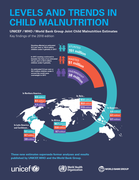
Key findings of the 2018 edition
Mental disorders are a leading cause of the global burden of disease, and the provision of mental healt
...
h services in developing countries remains very limited and far from equitable. Using the Creditor Reporting System, we estimate the amounts and patterns of development assistance for global mental health (DAMH) between 2007 and 2013. This allows us to examine how well international donors have responded to calls by global mental health advocates to scale up evidence-based services. Although DAMH did increase between 2007 and 2013, it remains low both in absolute terms and as a proportion of total development assistance for health (DAH). The average annual DAMH between 2007 and 2013 was US$133.57 million, and the proportion of DAH attributed to mental health is less than 1%. Approximately 48% of total DAMH was for humanitarian assistance, education, and civil services. More annual DAMH was channelled into the nonpublic sector than the public sector. Despite an expanding body of evidence suggesting that sustainable mental health care can be effectively integrated into existing health systems at relatively low cost, mental health has not received significant development assistance.
more
The United Nations Population Fund (UNFPA) is the lead UN agency working to further gender equality and women’s empowerment in Sri Lanka. We are
...
pleased to be a part of the joint effort with the Ministry of Health to develop the first ‘Standard Operating Procedures on sexual and gender-based violence for first-contact-point healthcare providers’.
These operating procedures were developed alongside the ‘National guidelines on sexual and gender-based violence’, which aims to strengthen Sri Lanka’s health systems response to survivors of violence. We are grateful to the British High Commission in Colombo for their support in developing these guidelines and procedures as they mark an important milestone in creating a safer Sri Lanka for all women and girls. UNFPA is proud to be a part of this journey, and we stand ready to provide continued assistance to the Government of Sri Lanka and all key stakeholders to ensure women and girls receive essential services that support their safety, well-being and access to justice and to create a violence-free Sri Lanka.
more
The Kabeho Mwana project (2006–2011) supported the Rwanda Ministry of Health (MOH) in scaling up integrated community case management (iCCM) of c
...
hildhood illness in 6 of Rwanda’s 30 districts. The project trained and equipped community health workers (CHWs) according to national guidelines. In project districts, Kabeho Mwana staff also trained CHWs to conduct household-level health promotion and established supervision and reporting mechanisms through CHW peer support groups (PSGs) and quality improvement systems. The iCCM model implemented by Kabeho Mwana resulted in greater improvements in care-seeking than those seen in the rest of the country. Intensive monitoring, collaborative supervision, community mobilization, and CHW PSGs contributed to this success. The PSGs were a unique contribution of the project, playing a critical role in improving care-seeking in project districts. Effective implementation of iCCM should therefore include CHW management and social support mechanisms. Finally, re-analysis of national survey data improved evaluation findings by providing impact estimates.
more
As the Americas undergo profound demographic change and there are more persons aged 65 years or older than children younger than 5 years, it is crucial to recognize that national immunization programs must be redesigned to ensure comprehensive prote
...
ction for individuals across the lifespan. By adopting a life course approach (LCA) to immunization, vaccination programs can be tailored to close immunity gaps at different stages of life. The life course approach foresees the establishment of multiple strategies to reduce missed opportunities for vaccination according to age group. This technical document explains the key concepts of the LCA with a focus on immunization by vaccination, as well as the underlying biological mechanisms that require the application different vaccines at different life stages according to changes to the immune system and in the epidemiological situation of a community.
more
The government of Rwanda conducted the 2010 Rwanda Demographic and Health Survey (RDHS) to gather up-to-date information for monitoring progress on
...
healthcare programs and policies in Rwanda, including the Economic Development and Poverty Reduction Strategy (EDPRS), the Millennium Development Goals (MDGs),
and Vision 2020. The 2010 RDHS is a follow-up to the 1992, 2000, 2005, and 2007-08 RDHS surveys. Each survey provides data on background characteristics of the respondents, demographic and health indicators, household health expenditures, and domestic violence. The target groups in these surveys were women age 15-49 and men age 15-59
who were randomly selected from households across the country. Information about children age 5 and under also was collected, including the weight and height of the children.
more
Responding to a poliovirus event and outbreak, Part 1: General (SOPs) describes the general principles and steps to facilitate timely and effective responses to poliovirus events and outbreaks, and incorporate lessons learned from recent previous ou
...
tbreak response efforts. This document summarizes roles and responsibilities of national governments and Global Polio Eradication Initiative (GPEI) partners.
Effective 01 November 2017 until 30 April 2018
more
Chronic kidney disease (CKD) is an important contributor to mortality from noncommunicable diseases. No decrease has been seen for CKD mortality contrary to many other important non-communicable diseases (e.g., cardiovascular disease). The prevalenc
...
e of CKD and kidney failure are increasing all over the world – and thereby also the need for dialysis. Unfortunately, the prevalence increases most rapidly in lowand middle-income countries. Globally, there are great inequities in access and quality of management of kidney failure. Many low- and middle-income countries cannot meet the increased need for dialysis. If the patients receive dialysis, it might only be for a limited period due to the out-of-pocket expenses. There are global disparities in CKD mortality reflecting the disparities in access to care. Lack of access to dialysis is an important cause of the increased CKD mortality in low- and middle-income countries.
more
A new global Police Handbook aims to address some of the most difficult challenges that survivors of violence face when accessing police and justice sector services around
...
the world.
more
Projects from around the world
This Plan envisions a future with the elimination of cervical cancer as a public health problem as a result of universal access to sexual health an
...
d STI prevention services, HPV vaccines, effective screening and precancer treatment services, treatment of invasive cervical cancer, and palliative care. It foresees that all women and girls, regardless of age, race, ethnicity, socioeconomic status, HIV status, or disability will have timely access to quality cervical cancer prevention, care, and treatment so that they can live in good health throughout the life course and enjoy the health-related human rights.
The goal is to accelerate progress toward the elimination of cervical cancer as a public health problem in the Americas by reducing incidence and mortality rates by one-third by 2030.
more
2nd edition. Known as “Community Case Management of Sick Children” (CCM), this approach sends community-based health workers out to find, diagnose, and successfully treat sick children, in partnership with their families. Inspired by
...
the classic “Immunization Essentials”, this guide methodically documents what is known about CCM and how to make it work. First, health program managers are introduced to the basics. Then, CCM Essentials walks its readers through the process of designing and managing a high-quality CCM program. The ultimate result: lives of newborns, infants and children saved around the world
more
There has been no systematic comparison of how the policy response to past infectious disease outbreaks and epidemics was funded. This study aims to collate and analyse funding for the Ebola epidemi
...
c and Zika outbreak between 2014 and 2019 in order to understand the shortcomings in funding reporting and suggest improvements. Methods: Data were collected via a literature review and analysis of financial reporting databases, including both amounts donated and received. Funding information from three financial databases was analysed: Institute of Health Metrics and Evaluation’s Development Assistance for Health database, the Georgetown Infectious Disease Atlas and the United Nations Financial Tracking Service. A systematic literature search strategy was devised and applied to seven databases: MEDLINE, EMBASE, HMIC, Global Health, Scopus, Web of Science and EconLit. Funding information was extracted from articles meeting the eligibility criteria and measures were taken to avoid double counting. Funding was collated, then amounts and purposes were compared within, and between, data sources.
more
