
Filter
4748
Text search:
legal
issues
Featured
375
1254
Language
4640
98
97
57
44
30
23
19
9
9
8
8
8
7
5
5
5
5
5
5
5
5
4
4
4
4
4
4
4
4
4
4
4
3
3
3
3
3
3
3
3
3
3
3
2
2
2
2
2
2
2
1
1
1
1
1
1
1
1
1
1
1
1
1
1
1
Document type
2791
786
524
282
198
73
41
24
11
7
6
1
1
Countries
196
153
130
115
94
88
88
86
74
72
71
67
66
66
59
59
58
57
57
52
51
47
39
38
36
35
33
32
30
27
26
26
24
22
21
21
20
19
19
19
18
18
17
16
16
16
15
14
14
13
13
12
12
12
12
12
12
11
11
11
10
10
9
9
8
8
8
7
7
7
6
6
6
6
6
6
5
5
5
5
5
5
5
5
5
4
4
4
4
4
4
3
3
3
3
3
3
3
3
3
3
3
3
3
3
2
2
2
2
2
2
2
2
2
2
2
2
2
2
2
2
2
1
1
1
1
1
1
1
1
1
1
1
1
1
1
1
1
1
1
Authors & Publishers
693
306
192
187
146
126
106
99
55
39
38
31
31
30
28
28
26
23
22
22
22
21
19
19
19
19
18
18
18
16
16
16
16
16
15
15
15
15
15
15
14
14
14
13
13
13
13
12
12
12
12
12
12
12
12
11
11
10
10
10
10
10
10
10
9
9
9
9
9
9
9
9
9
8
8
8
8
8
8
8
8
8
8
8
8
8
7
7
7
7
7
7
7
6
6
6
6
6
6
6
6
6
6
6
6
6
6
6
6
5
5
5
5
5
5
5
5
5
5
5
5
5
5
5
5
5
5
5
5
5
5
5
5
5
5
5
5
5
5
5
5
5
5
4
4
4
4
4
4
4
4
4
4
4
4
4
4
4
4
4
4
4
4
4
4
4
4
4
4
4
4
4
4
4
4
4
4
4
4
4
4
4
4
4
4
4
4
4
4
4
4
3
3
3
3
3
3
3
3
3
3
3
3
3
3
3
3
3
3
3
3
3
3
3
3
3
3
3
3
3
3
3
3
3
3
3
3
3
3
3
3
3
3
3
3
3
3
3
3
3
3
3
3
3
3
3
3
3
3
3
3
3
3
3
3
3
3
3
3
3
3
3
3
3
3
3
3
3
3
3
3
3
2
2
2
2
2
2
2
2
2
2
2
2
2
2
2
2
2
2
2
2
2
2
2
2
2
2
2
2
2
2
2
2
2
2
2
2
2
2
2
2
2
2
2
2
2
2
2
2
2
2
2
2
2
2
2
2
2
2
2
2
2
2
2
2
2
2
2
2
2
2
2
2
2
2
2
2
2
2
2
2
2
2
2
2
2
2
2
2
2
2
2
2
2
2
2
2
2
2
2
2
2
2
2
2
2
2
2
2
2
2
2
2
2
2
2
2
2
2
2
2
2
2
2
2
2
2
2
2
2
2
2
2
2
2
2
2
2
2
2
2
2
2
2
2
2
2
2
2
2
2
2
2
2
2
2
2
2
2
2
2
2
2
2
2
2
2
2
2
2
2
2
2
2
2
2
2
2
2
2
2
2
2
2
2
2
2
2
2
2
2
2
2
2
2
2
2
2
2
2
2
2
2
2
2
2
2
2
2
2
2
2
2
2
2
2
2
2
2
2
2
2
2
2
2
2
2
2
2
2
2
2
2
2
2
2
2
2
2
2
2
2
2
2
2
2
2
2
2
2
2
2
2
2
2
2
2
2
2
2
2
2
1
1
1
1
1
1
1
1
1
1
1
1
1
1
1
1
1
1
1
1
1
1
1
1
1
1
1
1
1
1
1
1
1
1
1
1
1
1
1
1
1
1
1
1
1
1
1
1
1
1
1
1
1
1
1
1
1
1
1
1
1
1
1
1
1
1
1
1
1
1
1
1
1
1
1
1
1
1
1
1
1
1
1
1
1
1
1
1
1
1
1
1
1
1
1
1
1
1
1
1
1
1
1
1
1
1
1
1
1
1
1
1
1
1
1
1
1
1
1
1
1
1
1
1
1
1
1
1
1
1
1
1
1
1
1
1
1
1
1
1
1
1
1
1
1
1
1
1
1
1
1
1
1
1
1
1
1
1
1
1
1
1
1
1
1
1
1
1
1
1
1
1
1
1
1
1
1
1
1
1
1
1
1
1
1
1
1
1
1
1
1
1
1
1
1
1
1
1
1
1
1
1
1
1
1
1
1
1
1
1
1
1
1
1
1
1
1
1
1
1
1
1
1
1
1
1
1
1
1
1
1
1
1
1
1
1
1
1
1
1
1
1
1
1
1
1
1
1
1
1
1
1
1
1
1
1
1
1
1
1
1
1
1
1
1
1
1
1
1
1
1
1
1
1
1
1
1
1
1
1
1
1
1
1
1
1
1
1
1
1
1
1
1
1
1
1
1
1
1
1
1
1
1
1
1
1
1
1
1
1
1
1
1
1
1
1
1
1
1
1
1
1
1
1
1
1
1
1
1
1
1
1
1
1
1
1
1
1
1
1
1
1
1
1
1
1
1
1
1
1
1
1
1
1
1
1
1
1
1
1
1
1
1
1
1
1
1
1
1
1
1
1
1
1
1
1
1
1
1
1
1
1
1
1
1
1
1
1
1
1
1
1
1
1
1
1
1
1
1
1
1
1
1
1
1
1
1
1
1
1
1
1
1
1
1
1
1
1
1
1
1
1
1
1
1
1
1
1
1
1
1
1
1
1
1
1
1
1
1
1
1
1
1
1
1
1
1
1
1
1
1
1
1
1
1
1
1
1
1
1
1
1
1
1
1
1
1
1
1
1
1
1
1
1
1
1
1
1
1
1
1
1
1
1
1
1
1
1
1
1
1
1
1
1
1
1
1
1
1
1
1
1
1
1
1
1
1
1
1
1
1
1
1
1
1
1
1
1
1
1
1
1
1
1
1
1
1
1
1
1
1
1
1
1
1
1
1
1
1
1
1
1
1
1
1
1
1
1
1
1
1
1
1
1
1
1
1
1
1
1
1
1
1
1
1
1
1
1
1
1
1
1
1
1
1
1
1
1
1
1
1
1
1
1
1
1
1
1
1
1
1
1
1
1
1
1
1
1
1
1
1
1
1
1
1
1
1
1
1
1
1
1
1
1
1
1
1
1
1
1
1
1
1
1
1
1
1
1
1
1
1
1
1
1
1
1
1
1
1
1
1
1
1
1
1
1
1
1
1
1
1
1
1
1
1
1
1
1
1
1
1
1
1
1
1
1
1
1
1
1
1
1
1
1
1
1
1
1
1
1
1
1
1
1
1
1
1
1
1
1
1
1
1
1
1
1
1
1
1
1
1
1
1
1
1
1
1
1
1
1
1
1
1
1
1
1
1
1
1
1
1
1
1
1
1
1
1
1
1
1
1
1
1
1
1
1
1
1
1
1
1
1
1
1
1
1
1
1
1
1
1
1
1
1
1
1
1
1
1
1
1
1
1
1
1
1
1
1
1
1
1
1
1
1
1
1
1
1
1
1
1
1
1
1
1
1
1
1
1
1
1
1
1
1
1
1
1
1
1
1
1
1
1
1
1
1
1
1
1
1
1
1
1
1
1
1
1
1
1
1
1
1
1
1
1
1
1
1
1
1
1
1
1
1
1
1
1
1
1
1
1
1
1
1
1
1
1
1
1
1
1
1
1
1
1
1
1
1
1
1
1
1
1
1
1
1
1
1
1
1
1
1
1
1
1
1
1
1
1
1
1
1
1
1
1
1
1
1
1
1
1
1
1
1
1
1
1
1
1
1
1
1
1
1
1
1
1
1
1
1
1
1
1
1
1
1
1
1
1
1
1
1
1
1
1
1
1
1
1
1
1
1
1
1
1
1
1
1
1
1
1
1
1
1
1
1
1
1
1
1
1
1
1
1
1
1
1
1
1
1
1
1
1
1
1
1
1
1
1
1
1
1
1
1
1
1
1
1
1
1
1
1
1
1
1
1
1
1
1
1
1
1
1
1
1
1
1
1
1
1
1
1
1
1
1
1
1
1
1
1
1
1
1
1
1
1
1
1
1
1
1
1
1
1
1
1
1
1
1
1
1
1
1
1
1
1
1
1
1
1
1
1
1
1
1
1
1
1
1
1
1
1
1
1
1
1
1
1
1
1
1
1
1
1
1
1
1
1
1
1
1
1
1
1
1
1
1
1
1
1
1
1
1
1
1
1
1
1
1
1
1
1
1
1
1
1
1
1
1
1
1
1
1
1
1
1
1
1
1
1
1
1
1
1
1
1
1
1
1
1
1
1
1
1
1
1
1
1
1
1
1
1
1
1
1
1
1
1
1
1
1
1
1
1
1
1
1
1
1
1
1
1
1
1
1
1
1
1
1
1
1
1
1
1
1
1
1
1
1
1
1
1
1
1
1
1
1
1
1
1
1
1
1
1
1
1
1
1
1
1
1
1
1
1
1
1
1
1
1
1
1
1
1
1
1
1
1
1
1
1
1
1
1
1
1
1
1
1
1
1
1
1
1
1
1
1
1
1
1
1
1
1
1
1
1
1
1
1
1
1
1
1
1
1
1
1
1
1
1
1
1
1
1
1
1
1
1
1
1
1
1
1
1
1
1
1
1
1
1
1
1
1
1
1
1
1
1
1
1
1
1
1
1
1
1
1
1
1
1
1
1
1
1
1
1
1
1
1
1
1
1
1
1
1
1
1
1
1
1
1
1
1
1
1
1
1
1
1
1
1
1
1
1
1
1
1
1
1
1
1
1
1
1
1
1
1
1
1
1
1
1
1
1
1
1
1
1
1
1
1
1
1
1
1
1
1
1
1
1
1
1
1
1
1
1
1
1
1
1
1
1
1
1
1
1
1
1
1
1
1
1
1
1
1
1
1
1
1
1
1
1
1
1
1
1
1
1
1
1
1
1
1
1
1
1
1
1
1
1
1
1
1
1
1
1
1
1
1
1
1
1
1
1
1
1
1
1
1
1
1
1
1
1
1
1
1
1
1
1
1
1
1
1
1
1
1
1
1
1
1
1
1
1
1
1
1
1
1
1
1
1
1
1
1
1
1
1
1
1
1
1
1
1
1
1
1
1
1
1
1
1
1
1
1
1
1
1
1
1
1
1
1
1
1
1
1
1
1
1
1
1
1
1
1
1
1
1
1
1
1
1
1
1
1
1
1
1
1
1
1
1
1
1
1
1
1
1
1
1
1
1
1
1
1
1
1
1
1
1
1
1
1
1
1
1
1
1
1
1
1
1
1
1
1
1
1
1
1
1
1
1
1
1
1
1
1
1
1
1
1
1
1
1
1
1
1
1
1
1
1
1
1
1
1
1
1
1
1
1
1
1
1
1
1
1
1
1
1
1
1
1
1
1
1
1
1
1
1
1
1
1
1
1
1
1
1
1
1
1
1
1
1
1
1
1
1
1
1
1
1
1
1
1
1
1
1
1
1
1
1
1
1
1
1
1
1
1
1
1
1
1
1
1
1
1
1
1
1
1
1
1
1
1
1
1
1
1
1
1
1
1
1
1
1
1
1
1
1
1
1
1
1
1
1
1
1
1
1
1
1
1
1
1
1
1
1
1
1
1
1
1
1
1
1
1
1
1
1
1
1
1
1
1
1
1
1
1
1
1
1
1
1
1
1
1
1
1
1
1
1
1
1
1
1
1
1
1
1
1
1
1
1
1
1
1
1
1
1
1
1
1
1
1
1
1
1
1
1
1
1
1
1
1
1
1
1
1
1
1
1
1
1
1
1
1
1
1
1
1
1
1
1
1
1
1
1
1
1
1
1
1
1
1
1
1
1
1
1
1
1
1
1
1
1
1
1
1
1
1
1
1
1
1
1
1
1
1
1
1
1
1
1
1
1
1
1
1
1
1
1
1
1
1
1
1
1
1
1
1
1
1
1
1
1
1
1
1
1
1
1
1
1
1
1
1
1
1
1
1
1
1
1
1
1
1
1
1
1
1
1
1
1
1
1
1
1
1
1
1
1
1
1
1
1
1
1
1
1
1
1
1
1
1
1
1
1
1
1
1
1
1
1
1
1
1
1
1
1
1
1
1
1
1
1
1
1
1
1
1
1
1
1
1
1
1
1
1
1
1
1
1
1
1
1
1
1
1
1
1
1
1
1
1
1
1
1
1
1
1
1
1
1
1
1
1
1
1
1
1
1
1
1
1
1
1
1
1
1
1
1
1
1
1
1
1
1
1
1
1
1
1
1
1
1
1
1
1
1
1
1
1
1
1
1
1
1
1
1
1
1
1
1
1
1
1
1
1
1
1
1
1
1
1
1
1
1
1
1
1
1
1
1
1
1
1
1
1
1
1
1
1
1
1
1
1
1
1
1
1
1
1
1
1
1
1
1
1
1
1
1
1
1
1
1
1
1
1
1
1
1
1
1
1
1
1
1
1
1
1
1
1
1
1
1
1
1
1
1
1
1
1
1
1
1
1
1
1
1
1
1
1
1
1
1
1
1
1
1
1
1
1
1
1
1
1
1
1
1
1
1
1
1
1
1
1
1
1
1
1
1
1
1
1
1
1
1
1
1
1
1
1
1
1
1
1
1
1
1
1
1
1
1
1
1
1
1
1
1
1
1
1
1
1
1
1
1
1
1
1
1
1
1
1
1
1
1
1
1
1
1
1
1
1
1
1
1
1
1
1
1
1
1
1
1
1
1
1
1
1
1
1
1
1
1
1
1
1
1
1
1
1
1
1
1
1
1
1
1
1
1
1
1
1
1
1
1
1
1
1
1
1
1
1
1
1
1
1
1
1
1
1
1
1
1
1
1
1
1
1
1
1
1
1
1
1
1
1
1
1
1
1
1
1
1
1
1
1
1
1
1
1
1
1
1
1
1
1
1
1
1
1
1
1
1
1
1
1
1
1
1
1
1
1
1
1
1
1
1
1
1
1
1
1
1
1
1
1
1
1
1
1
1
1
1
1
1
1
1
1
1
1
1
1
1
1
1
1
1
1
1
1
1
1
1
1
1
1
1
1
1
1
1
1
1
1
1
1
1
1
1
1
1
1
1
1
1
1
1
1
1
1
1
1
1
1
1
1
1
1
1
1
1
1
1
1
1
1
1
1
1
1
1
1
1
1
1
1
1
1
1
1
1
1
1
1
1
1
1
1
1
1
1
1
1
1
1
1
1
1
1
1
1
1
1
1
1
1
1
1
1
1
1
1
1
1
1
1
1
1
1
1
1
1
1
1
1
1
1
1
1
1
1
1
1
1
1
1
1
1
1
1
1
1
1
1
1
1
1
1
1
1
1
1
1
1
1
1
1
1
1
1
1
1
1
1
1
1
1
1
1
1
1
1
1
1
1
1
1
1
1
1
1
1
1
1
1
1
1
1
1
1
1
1
1
1
1
1
1
1
1
1
1
1
1
1
1
1
1
1
1
1
1
1
1
1
1
1
1
1
1
1
1
1
1
1
1
1
1
1
1
1
1
1
1
1
1
1
1
1
1
1
1
1
1
1
1
1
1
1
1
1
1
1
1
1
1
1
1
1
1
1
1
1
1
1
1
1
1
1
1
1
1
1
1
1
1
1
1
1
1
1
1
1
1
1
1
1
1
1
1
1
1
1
1
1
1
1
1
1
1
1
1
1
1
1
1
1
1
1
1
1
1
1
1
1
1
1
1
1
1
1
1
1
1
1
1
1
1
1
1
1
1
1
1
1
1
1
1
1
1
1
1
1
1
1
1
1
1
1
1
1
1
1
1
1
1
1
1
1
1
1
1
1
1
1
1
1
1
1
1
1
1
1
1
1
1
1
1
1
1
1
1
1
1
1
1
1
1
1
1
1
1
1
1
1
1
1
1
1
1
1
1
1
1
1
1
1
1
1
1
1
1
1
1
1
1
1
1
1
1
1
1
1
1
1
1
1
1
1
1
1
1
1
1
1
1
1
1
1
1
1
1
1
1
1
1
1
1
1
1
1
1
1
1
1
1
1
1
1
1
1
1
1
1
1
1
1
1
1
1
1
1
1
1
1
1
1
1
1
1
1
1
1
1
1
1
1
1
1
1
1
1
1
1
1
1
1
1
1
1
1
1
1
1
1
1
1
1
1
1
1
1
1
1
1
1
1
1
1
1
1
1
1
1
1
1
1
1
1
1
1
1
1
1
1
1
1
1
1
1
1
1
1
1
1
1
1
1
1
1
1
1
1
1
1
1
1
1
1
1
1
1
1
1
1
1
1
1
1
1
1
1
1
1
1
1
1
1
1
1
1
1
1
1
1
1
1
1
1
1
1
1
1
1
1
1
1
1
1
1
1
1
1
1
1
1
1
1
1
1
1
1
1
1
1
1
1
1
1
1
1
1
1
1
1
1
1
1
1
1
1
1
1
1
1
1
1
1
1
1
1
1
1
1
1
1
1
1
1
1
1
1
1
1
1
1
1
1
1
1
1
1
1
1
1
1
1
1
1
1
1
1
1
1
1
1
1
1
1
1
1
1
1
1
1
1
1
1
1
1
1
1
1
1
1
1
1
1
1
1
1
1
1
1
1
1
1
1
1
1
1
1
1
1
1
1
1
1
1
1
1
1
1
1
1
Publication Years
1
1205
3055
469
15
1
1
1
Category
1510
323
311
293
209
100
40
9
3
Toolboxes
452
445
268
266
215
190
184
155
135
122
105
103
84
80
77
67
50
37
33
23
21
16
9
3
2
1
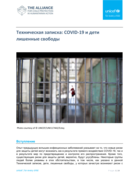
Опыт предыдущих вспышек инфекционных заболеваний указывает на то, что новые риски
для защиты детей могут возникать как в результате прямого воздействия COVID-19, так
...
и
в результате мер по предотвращению и контролю его распространения. Кроме того, существующие риски для защиты детей, вероятно, будут усугублены. Некоторые группы людей более уязвимы в этих обстоятельствах, в том числе, как указано в данной Технической записке, дети, лишенные свободы, у которых зачастую возникают риски с вопросами психосоциального, физического и психического здоровья, которые живут в людных или негигиеничных условиях и больше подвержены жестокому обращению, насилию и халатному отношению.
Technical note: COVID-19 and children deprived of their liberty
more
This twelfth version of the WHO living guideline now contains 19 recommendations. This latest update provides updated recommendations for remdesivir, addresses the use of combination therapy with corticosteroids, interleukin-6 (IL-6) receptor blockers and Janus kinase (JAK) inhibitors in patients wi
...
th severe or critical COVID-19, and modifies previous recommendations for the neutralizing monoclonal antibodies sotrovimab and casirivimab-imdevimab in patients with non-severe COVID-19.
more
The publication provides an overview and analysis of international instruments that set standards related to the use of antimicrobials across the human, animal and plant sectors, and their release into the environment. The purpose of the document is to identify existing instruments and standards in
...
order to guide both their implementation and to inform discussions and direction for future international instruments related to antimicrobial use.
more
Mental health is critical to personal well-being, interpersonal relationships, and successful contributions to society. Mental health conditions consequently impose a high burden not only on individuals, families and society, but also on economies. In Jamaica, mental health conditions are highly pre
...
valent and major contributors to morbidity, disability, and premature mortality.
more
This fourth progress report November 2020 of the Global HIV Prevention Coalition reviews the progress in the 28 focus countries and complements the three previous progress reports. This report describes key developments in 2019–2020, identifies challenges and opportunities (including those associa
...
ted with the COVID-19 pandemic) and outlines priorities for the years ahead. It is divided into two main sections.
more
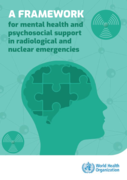
The health impact of radiological and nuclear emergencies can last for decades. Lessons learned from past radiological and nuclear accidents have demonstrated that the mental health and psychosocial consequences can outweigh the direct physical health impacts of radiation exposure. International rad
...
iation emergency preparedness and response standards outline provisions for mitigating these effects. Yet, practical guidance for addressing the mental health and psychosocial aspects of radiation emergencies remains scarce.
This framework aims to promote integration between the MHPSS and radiation protection fields. It is intended for officials and specialists involved in radiation emergency planning and risk management as well as MHPSS experts working in health emergencies.
more

From Participation to Partnerships (September 2020)
Despite the COVID-19 challenges, children around the world have found meaningful ways to support and protect their peers, families, and communities. Children are on the frontlines of innovative responses and are working closely with their adult al
...
lies. The leadership demonstrated through these child-adult partnerships is the underlying inspiration for this guide.
more

In Control. A Practical Handbook for Professionals Working in Health Emergencies Internationally
recommended
In Control imparts knowledge, provokes reflection and triggers curiosity. The first half of the book provides an overview of the organisations, principles, frameworks and themes that every professional deploying to health emergencies should be aware of. The second half of the book provides practical
...
advice to help professionals survive and thrive during their mission – from staying healthy, protecting oneself from cyber-attacks and coping with stress to building trust among the host community or dealing with language barriers and the press.
This handbook is free of charge and can be made available in small quantities as long as supply lasts. To order, please send this form to: incontrol-handbook@rki.de
more
This paper provides case studies of several food product improvement policies from across the WHO European Region. The aim is to share country experience, assess the various merits of the different approaches, discuss lessons learned, and provide guidance for best practice that may be more widely ap
...
plicable across the European Region.
more
A workshop of “first mover” countries to exchange experience and identify wider policy implications for the WHO European Region
The World Health Organization (WHO) European Region continues to be severely affected by diet-related noncommunicable diseases (NCDs), obesity and, in some countries,
...
micronutrient deficiencies.
In order to drive further progress on improving dietary intake and food product improvement, the WHO Regional Office for Europe, Public Health England and the Royal Institute of International Affairs (Chatham House) co-convened a workshop of “first mover” countries in March 2019.
more
Calls for greater implementation research (IR) capacity came in the wake of compelling evidence that implementation strategies are critically important for the dissemination and facilitation of evidence-informed policies and interventions to tackle noncommunicable diseases (NCDs), thereby improving
...
outcomes for both individuals and populations. However, at present, implementation of evidence-based interventions and policies is challenged by a gap in lack of academic research on how these cost–effective recommended interventions can be implemented in the context of local settings, especially those of low and middle-income.
more
A discussion paper outlining the first steps in developing a nutrient profile model to drive changes to product composition and labelling and promotion practices in the WHO European Region
The aims of the guidance are to protect breastfeeding, prevent obesity and chronic diseases, promote a healthy
...
diet, and ensure caregivers receive clear and accurate information on infant and young child feeding.
more
This report summarizes the results of a 2018 survey of food and beverage marketing to children via television in the Kyrgyz Republic. It explores the extent and nature of children’s exposure to marketing for food high in saturated fat, free sugars and/or salt via television in the country. The stu
...
dy results can be used by policy-makers to restrict and regulate marketing of food high in saturated fat, free sugars and/or salt both on television and in other media.
more
High salt consumption is an important determinant of high blood pressure and reducing it would improve health outcomes by lowering cardiovascular disease and therefore death rates. Reducing salt intake has been identified as one of the most effective public health measures and is one of the leading
...
targets at global, regional and national levels to reduce the burden of noncommunicable diseases. The purpose of the Dietary Salt Intake Survey in the Republic of Moldova was to establish current baseline average consumption of salt (sodium), potassium and iodine through 24-hour urinary excretion testing among a random sample of the adult population (aged 18–69 years), and to assess the knowledge, attitudes, practices and behaviour around dietary salt in order to enable more efficient planning and the implementation of an effective salt-reduction strategy in the Republic of Moldova.
more
The WHO Regional Office for Europe has established the Childhood Obesity Surveillance Initiative in more than half the countries in the Region for routine monitoring of the policy response to the emerging obesity epidemic. The aim of the Initiative is to measure trends in overweight and obesity in c
...
hildren aged 6.0–9.9 years to get a clear understanding of the epidemic and to allow inter-country comparisons. This document outlines the common protocol agreed for use in the Initiative.
more

The WHO Regional Office for Europe has established the Childhood Obesity Surveillance Initiative in more than half thecountries in the Region for routine monitoring of the policy response to the emerging obesity epidemic. The aim of the system is to measure trends in overweight and obesity in childr
...
en aged 6.0–9.9 years for accurate understanding of the epidemic and to allow inter-country comparisons. This document outlines the data collection procedures agreed for use in the Initiative.
more
This technical report describes the results of a cross-sectional survey conducted in Dushanbe, Tajikistan, between April and May 2016, as part of the FEEDcities Project – Eastern Europe and Central Asia. The aim was to describe the local street food environment: the characteristics of the vending
...
sites, the food offered and the nutritional composition of the industrial and homemade foods usually consumed in these settings.
The study was part of a bilateral partnership between WHO and the Institute of Public Health of the University of Porto, Portugal, in collaboration with the Faculty of Medicine, the Faculty of Nutrition and Food Sciences and the Faculty of Pharmacy of the University of Porto (WHO registration numbers 2015/591370 and 2017/698514).
more
Prepared by the Independent Panel for Pandemic Preparedness and Response for the WHO Executive Board, January 2021
“The world was not as prepared as it should have been, and it must do better,” concludes a WHO panel reviewing the pandemic response "
The document presents an assessment developed by both institutions as a contribution to the prioritization of education in national response plans to the health emergency and future recovery strategies. "Countries have deployed various response and recovery plans in which education needs to be incor
...
porated as a central element," the report says, "not only to ensure an education response, but to achieve an equitable, inclusive and sustainable recovery”.
more
