
Filter
2186
Text search:
economy
Featured
109
606
Language
2120
42
37
31
20
17
14
8
6
4
2
2
2
2
2
2
1
1
1
1
1
1
1
1
1
1
1
1
1
1
1
1
1
1
1
1
Document type
1164
594
125
120
66
51
25
19
8
5
4
1
1
Countries
113
70
67
63
60
57
50
48
47
47
44
41
40
40
38
38
37
36
34
31
28
28
25
25
23
22
21
21
20
20
20
20
19
18
17
15
15
15
12
12
12
12
11
11
11
11
10
9
9
9
9
8
7
7
7
6
6
6
6
6
6
6
6
6
5
5
5
5
4
4
4
4
4
3
3
3
3
3
3
3
3
3
3
3
3
3
2
2
2
2
2
2
2
2
2
2
2
2
2
2
2
1
1
1
1
1
1
1
1
1
1
1
1
1
1
1
1
1
1
1
1
1
1
1
1
1
1
1
1
1
1
Authors & Publishers
147
74
55
52
41
33
26
24
22
19
16
14
13
13
12
12
12
11
11
11
11
11
10
10
10
10
10
9
9
9
9
9
8
8
8
7
7
7
7
7
7
7
7
7
6
6
6
6
6
6
6
6
5
5
5
5
5
5
5
5
5
5
5
5
5
5
5
4
4
4
4
4
4
4
4
4
4
4
4
4
4
4
4
4
4
3
3
3
3
3
3
3
3
3
3
3
3
3
3
3
3
3
3
3
3
3
3
3
3
3
3
3
3
3
3
3
3
3
3
3
3
3
3
3
3
3
3
3
3
3
3
3
3
3
3
3
3
3
3
3
3
3
3
3
3
3
3
3
3
2
2
2
2
2
2
2
2
2
2
2
2
2
2
2
2
2
2
2
2
2
2
2
2
2
2
2
2
2
2
2
2
2
2
2
2
2
2
2
2
2
2
2
2
2
2
2
2
2
2
2
2
2
2
2
2
2
2
2
2
2
2
2
2
2
2
2
2
2
2
2
2
2
2
2
2
2
2
2
2
2
2
2
2
2
2
2
2
2
2
2
2
2
2
2
2
2
2
2
2
2
2
2
2
2
2
2
2
2
2
2
2
2
2
2
2
2
2
2
2
2
2
2
2
2
2
2
2
2
2
2
2
2
2
2
2
2
2
2
1
1
1
1
1
1
1
1
1
1
1
1
1
1
1
1
1
1
1
1
1
1
1
1
1
1
1
1
1
1
1
1
1
1
1
1
1
1
1
1
1
1
1
1
1
1
1
1
1
1
1
1
1
1
1
1
1
1
1
1
1
1
1
1
1
1
1
1
1
1
1
1
1
1
1
1
1
1
1
1
1
1
1
1
1
1
1
1
1
1
1
1
1
1
1
1
1
1
1
1
1
1
1
1
1
1
1
1
1
1
1
1
1
1
1
1
1
1
1
1
1
1
1
1
1
1
1
1
1
1
1
1
1
1
1
1
1
1
1
1
1
1
1
1
1
1
1
1
1
1
1
1
1
1
1
1
1
1
1
1
1
1
1
1
1
1
1
1
1
1
1
1
1
1
1
1
1
1
1
1
1
1
1
1
1
1
1
1
1
1
1
1
1
1
1
1
1
1
1
1
1
1
1
1
1
1
1
1
1
1
1
1
1
1
1
1
1
1
1
1
1
1
1
1
1
1
1
1
1
1
1
1
1
1
1
1
1
1
1
1
1
1
1
1
1
1
1
1
1
1
1
1
1
1
1
1
1
1
1
1
1
1
1
1
1
1
1
1
1
1
1
1
1
1
1
1
1
1
1
1
1
1
1
1
1
1
1
1
1
1
1
1
1
1
1
1
1
1
1
1
1
1
1
1
1
1
1
1
1
1
1
1
1
1
1
1
1
1
1
1
1
1
1
1
1
1
1
1
1
1
1
1
1
1
1
1
1
1
1
1
1
1
1
1
1
1
1
1
1
1
1
1
1
1
1
1
1
1
1
1
1
1
1
1
1
1
1
1
1
1
1
1
1
1
1
1
1
1
1
1
1
1
1
1
1
1
1
1
1
1
1
1
1
1
1
1
1
1
1
1
1
1
1
1
1
1
1
1
1
1
1
1
1
1
1
1
1
1
1
1
1
1
1
1
1
1
1
1
1
1
1
1
1
1
1
1
1
1
1
1
1
1
1
1
1
1
1
1
1
1
1
1
1
1
1
1
1
1
1
1
1
1
1
1
1
1
1
1
1
1
1
1
1
1
1
1
1
1
1
1
1
1
1
1
1
1
1
1
1
1
1
1
1
1
1
1
1
1
1
1
1
1
1
1
1
1
1
1
1
1
1
1
1
1
1
1
1
1
1
1
1
1
1
1
1
1
1
1
1
1
1
1
1
1
1
1
1
1
1
1
1
1
1
1
1
1
1
1
1
1
1
1
1
1
1
1
1
1
1
1
1
1
1
1
1
1
1
1
1
1
1
1
1
1
1
1
1
1
1
1
1
1
1
1
1
1
1
1
1
1
1
1
1
1
1
1
1
1
1
1
1
1
1
1
1
1
1
1
1
1
1
1
1
1
1
1
1
1
1
1
1
1
1
1
1
1
1
1
1
1
1
1
1
1
1
1
1
1
1
1
1
1
1
1
1
1
1
1
1
1
1
1
1
1
1
1
1
1
1
1
1
1
1
1
1
1
1
1
1
1
1
1
1
1
1
1
1
1
1
1
1
1
1
1
1
1
1
1
1
1
1
1
1
1
1
1
1
1
1
1
1
1
1
1
1
1
1
1
1
1
1
1
1
1
1
1
1
1
1
1
1
1
1
1
1
1
1
1
1
1
1
1
1
1
1
1
1
1
1
1
1
1
1
1
1
1
1
1
1
1
1
1
1
1
1
1
1
1
1
1
1
1
1
1
1
1
1
1
1
1
1
1
1
1
1
1
1
1
1
1
1
1
1
1
1
1
1
1
1
1
1
1
1
1
1
1
1
1
1
1
1
1
1
1
1
1
1
1
1
1
1
1
1
1
1
1
1
1
1
1
1
1
1
1
1
1
1
1
1
1
1
1
1
1
1
1
1
1
1
1
1
1
1
1
1
1
1
1
1
1
1
1
1
1
1
1
1
1
1
1
1
1
1
1
1
1
1
1
1
1
1
1
1
1
1
1
1
1
1
1
1
1
1
1
1
1
1
1
1
1
1
1
1
1
1
1
1
1
1
1
1
1
1
1
1
1
1
1
1
1
1
1
1
1
1
1
1
1
1
1
1
1
1
1
1
1
1
1
1
1
1
1
1
1
1
1
1
1
1
1
1
1
1
1
1
1
1
1
1
1
1
1
1
1
1
1
1
1
1
1
1
1
1
1
1
1
1
1
1
1
1
1
1
1
1
1
1
1
1
1
1
1
1
1
1
1
1
1
1
1
1
1
1
1
1
1
1
1
1
1
1
1
1
1
1
1
1
1
1
1
1
1
1
1
1
1
1
1
1
1
1
1
1
1
1
1
1
1
1
1
1
1
1
1
1
1
1
1
1
1
1
1
1
1
1
1
1
1
1
1
1
1
1
1
1
1
1
1
1
1
1
1
1
1
1
1
1
1
1
1
1
1
1
1
1
1
1
1
1
1
1
1
1
1
1
1
1
1
1
1
1
1
1
1
1
1
1
1
1
1
1
1
1
1
1
1
1
1
1
1
1
1
1
1
1
1
1
1
1
1
1
1
1
1
1
1
1
1
1
1
1
1
1
1
1
1
1
1
1
1
1
1
1
1
1
1
1
1
1
1
1
1
1
1
1
1
1
1
1
1
1
1
1
1
1
1
1
1
1
1
1
1
1
1
1
1
1
1
1
1
1
1
1
1
1
1
1
1
1
1
1
1
1
1
1
1
1
1
1
1
1
1
1
1
1
1
1
1
1
1
1
1
1
1
1
1
1
1
1
1
1
1
1
1
1
1
1
1
1
1
1
1
1
1
1
1
1
1
1
1
1
1
1
1
1
1
1
1
1
1
1
1
1
1
1
1
1
1
1
1
1
1
1
1
1
1
1
1
1
1
1
1
1
1
1
1
1
1
1
1
1
1
1
1
1
1
1
1
1
1
1
1
1
1
1
1
1
1
1
1
1
1
1
1
1
1
1
1
1
1
1
1
1
1
1
1
1
1
1
1
1
1
1
1
1
1
1
1
1
1
1
1
1
1
1
1
1
1
1
1
1
1
1
1
1
1
1
1
1
1
1
1
1
1
1
1
1
1
1
1
1
1
1
1
1
1
1
1
1
1
1
1
1
1
1
1
1
1
1
1
1
1
1
1
1
1
1
1
1
1
1
1
1
1
1
1
1
1
1
1
1
1
1
1
1
1
1
1
1
1
1
1
1
1
1
1
1
1
1
1
1
1
1
1
1
1
1
1
1
1
1
1
1
1
1
1
1
1
1
1
1
1
1
1
1
1
1
1
1
1
1
1
1
1
1
1
1
1
1
1
1
1
1
1
1
1
1
1
1
1
1
1
1
1
1
1
1
1
1
1
1
1
1
1
1
1
1
1
1
1
1
1
1
1
1
1
1
1
1
1
1
1
1
1
1
1
1
1
1
1
1
1
1
1
1
1
1
1
1
1
1
1
1
1
1
1
1
1
1
1
1
1
1
1
1
1
1
1
1
1
1
1
1
1
1
1
1
1
1
1
1
1
1
1
1
1
1
1
1
1
1
1
1
1
1
1
1
1
1
1
1
1
1
1
1
1
1
1
1
1
1
1
1
1
1
1
1
1
1
1
1
1
1
1
1
1
1
1
1
1
1
1
1
1
1
1
1
1
1
1
1
1
1
1
1
1
1
1
1
1
1
1
1
1
1
1
1
1
1
1
1
1
1
1
1
1
1
1
1
1
1
1
1
1
1
1
1
1
1
1
1
1
1
1
1
1
1
1
1
1
1
1
1
1
1
1
1
1
1
1
1
1
1
1
1
1
1
1
1
1
1
1
1
1
1
1
1
1
1
1
1
1
1
1
1
1
1
1
1
1
1
1
1
1
1
1
1
1
1
1
1
1
1
1
1
1
1
1
1
1
1
1
1
1
1
1
1
1
1
1
1
1
1
1
1
1
1
1
1
1
1
1
1
1
1
1
1
1
1
1
1
1
1
1
1
1
1
1
1
1
1
1
1
1
1
1
1
1
1
1
1
1
1
1
1
1
1
1
1
1
1
1
1
1
1
1
1
1
1
1
1
1
1
1
1
1
1
1
1
1
1
1
1
1
1
1
1
1
1
1
1
1
1
1
1
1
1
1
1
1
1
1
1
1
1
1
1
1
1
1
1
1
1
1
1
1
1
1
1
1
1
1
1
1
1
1
1
1
1
1
1
1
1
1
1
1
1
1
1
1
1
1
1
1
1
1
1
1
1
1
1
1
1
1
1
1
1
1
1
1
1
1
1
1
1
1
1
1
1
1
1
1
1
1
1
1
1
1
1
1
1
1
1
1
1
1
1
1
1
1
1
1
1
1
1
1
1
1
1
1
1
1
1
1
1
1
1
1
1
1
1
1
1
1
1
1
1
1
1
1
1
1
1
1
1
1
Publication Years
714
1282
180
7
1
1
1
Category
982
88
88
54
35
16
6
3
2
Toolboxes
248
206
111
108
88
75
73
68
67
54
51
50
49
44
33
33
22
16
16
7
5
3
2
2
2
2
Antibiotics have been a critical public health tool since the discovery of Penicillin in 1928, saving the lives of millions of people around the world. In developing country like ours, where the burden of treatable disease is very high and access to health facilities and laboratories is difficult, a
...
ntibiotics have long acted as miracle drugs. Today, however, the emergence of drug
resistance in bacteria is reversing the miracles of the past eighty years, with drug choices for the treatment of many bacterial infections becoming increasingly limited, expensive, and in some cases, nonexistent. Diseases previously regarded as relatively easy to manage are much harder to treat as doctors must use “last-resort” drugs that are more costly, take longer to work
and are often unavailable or unaffordable in developing countries. Moreover, regular prescription of antibiotics, random treatment, over the counter sales, inadequate dosage, inclusion of antibiotics in animal feeds and agriculture has contributed equally to emergence of antibiotics resistance as silent epidemic within the country.
more
Maldives has made significant strides in the area of infectious disease prevention and control. This is exemplified by elimination of malaria from Maldives in 2015 and successes in TB control. In addition, Maldives is a front runner in infectious disease prevention through successful water, sanitati
...
on, hygiene and vaccination campaigns and coverage. However, given the limited evidence that exists with respect to the occurrence of resistant organisms in the nation, it is hard to estimate the exact antimicrobial resistance (AMR) scenario. Also, it becomes difficult to compare the current situation with other countries in the region. Moreover, limited evidence exists on the trends of use of antimicrobial agents (AMA) in Maldives. Although, recent prescription audits have indicated overuse of antibiotics, especially for common conditions such as flu, cough and fever.
more
Infectious diseases are constantly in transition. New diseases develop, known dis-eases become widespread or reemerge, and occasionally a disease is eradicated.Infectious diseases such as HIV, tuberculosis, and cholera are significant causes ofillness and death in many parts of the world. Health car
...
e personnel are on thefront lines, helping to protect their clients from infectious diseases and treatingthem when infections occur. During the course of their work, health care person-nel perform clinical procedures or other activities that can expose both them andtheir clients to potentially infectious microorganisms. Many of their clients aresick and thus may be more susceptible to infections or may have infections thatcan be transmitted to others. Fortunately, all staff working at health care facilities can perform simple proce-dures to minimize risk—to themselves and clients—and reduce the spread ofinfections. These practices can be integrated at minimal cost into the routineworkday at clinics and hospitals around the world. This reference booklet isspecifically designed for use at all levels of the health care system, from thelargest hospitals to the smallest dispensaries or health posts, in settings whereresources are scarce. This booklet, which was first published in 1999, has now been updated. Whilemost practices remain the same, there have been a few important changes—forexample, in recommendations related to hand hygiene and standard precautions.Nonetheless, this booklet continues to present practical recommendations forsimple and relatively low-cost procedures that can be implemented anywhere,with basic supplies and little to no high-technology equipment.
more
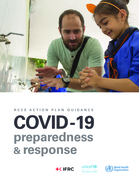
Risk Communication and Community Engagement (RCCE) is an essential component of your health emergency preparedness and response action plan. This tool is designed to support risk communication, community engagement staff and responders working with national health authorities, and other partners to
...
develop, implement and monitor an effective action plan for communicating effectively with the public, engaging with communities, local partners and other stakeholders to help prepare and protect individuals, families and the public’s health during early response to COVID-19.
more
This guideline covers making people aware of how to correctly use antimicrobial medicines (including antibiotics) and the dangers associated with their overuse and misuse. It also includesmeasures to prevent and control infection that can stop people needing antimicrobials or spreadinginfection to o
...
thers. It aims to change people's behaviour to reduce antimicrobial resistance and thespread of resistant microbes.
more
How we respond both now and going forward will help mitigate the impact of COVID-19, and to the extent possible preserve children’s rights to Survive, Learn, and Be Protected. We will focus our efforts on the most critical work essential to maintaining these commitments to the extent possible.
Antimicrobial resistance (AMR) is a serious public health concern with economic, social and political implications that are global in scope, and cross all environmental and ethnic boundaries. As a global threat, AMR risks the achievements of modern medicine, and has the po
...
tential to impact overall global development. It is important, therefore, to elevate AMR beyond health as part of a larger development agenda in the context of the Sustainable Development Goals (SDGs). This report provides in-depth technical discussions in areas that have direct implications to the containment of AMR as a development agenda. The report is organized in five chapters which served as the technical background documents for the Biregional Technical Consultation on AMR in Asia, 14-15 April 2016. More information from the meeting is available in the WHO Meeting Report: Biregional Technical Consultation on Antimicrobial Resistance in Asia. The meeting was the first time senior officials from the Ministry of Health and Ministry of Agriculture across Asia came together to tackle AMR
more
Nepal has only recently started its journey on the path to an integrated response to the challenge of antimicrobial resistance (AMR). Despite this, it is notable that the Nepal Health Sector Strategy Plan (HSSP)-2 mentions growing antibiotic resistanceas a public health challenge.
The most significant finding of the case study for integrating antimicrobial resistance (AMR)into existing programs and mobilising resources for funding in Nigeria, is that most of the AMR activities within the Nigerian National Action Plan (NAP)canalready be incorporated within exi
...
sting programs of the Federal Ministry of Health (FMOH), Federal Ministry of Agriculture and Rural Development (FMARD) and their agencies or institutes. Certain programs and initiatives already have an AMR element incorporated or could,with little effort,include some additional AMR actions, however much is already being planned and has started with existing federal funding and existing staffing and other resources including development partner support and is being driven by significant political will from the ministries as well as implementation support from the Nigerian Centers for Disease Control as the focal point.
more
This paper was developed to support AMR coordination committees and others tasked with addressing AMR at country level to do just that. Drawing on the published literature and the operational experience and expertise of different LMICs, the paper points to six key strategies for success and offers a
...
series of practical tips and suggestions on how to implement each one.
more
Produced by Training and Research Support Centre for the Regional Network for Equity in Health in east and southern Africa (EQUINET), March 20, 2020.
This brief summarises and provides links to official, scientific and other resources to support an understanding of and individual to regional level
...
responses to the epidemic of ‘novel coronavirus’, also known as COVID-19.
more

Antibiotics and other antimicrobial agents are invaluable life savers, particularly in resource-limited countries where infectious diseases are abundant. Both uncomplicated and severe infections are potentially curable as long as the aetiological agents are susceptible to the
...
antimicrobial drugs. The rapid rate with which antimicrobial agents are becoming ineffective due to resistance acquired as a result of unchecked overuse and misuse threatens to undo the benefit of controlling infections. The evidence for resistant microorganisms, many times to more than a single antimicrobial agent, has been observed globally. In Tanzania, there is evidence in the form of few scattered studies conducted in different parts of the country in a multitude of settings including health care facilities, the community, domesticated animals and wild animals
more
This situation analysis has gathered information about the current state of AMR, contributing factors and antimicrobial use in Zimbabwe from the human, animal, agricultural and environmental sectors. Data has been gathered from different sectors such as the general public, academia, the Ministry of
...
Health and Child Care, the Ministry of Agriculture Mechanization and Irrigation Development and the Ministry of Environment, Water and Climate. It shows that AMR is a real concern in Zimbabwe and a threat to the health outcomes of humans, to the economic productivity of the livestock industry and a risk to the environment.
more
Pakistan Global Antibiotic Resistance Partnership (GARP) was formed in the wake of international and national efforts for AMR curtailment. A group of experts from microbiology, infectious diseases and veterinary medicine formed a core group at the organizational meet
...
ing of GARP in Kathmandu, Nepal in July 2016. In the meeting, this core group was expanded to include other members from different sectors with the selection of the Chair and co-chairs. These were asked to serve on a voluntary basis, in their own individual capacities, with no personal gains, or gains to the institutions to which they are affiliated. The first phase of GARP took place from 2009 to 2011 and involved four countries: India, Kenya, South Africa and Vietnam. Phase one culminated in the 1st Global Forum on Bacterial Infections, held in October 2011 in New Delhi, India. In 2012, phase two of GARP was initiated with the addition of working groups in Mozambique, Tanzania, Nepal and Uganda. Phase three has added Bangladesh, Lao PDR, Nigeria, Pakistan and Zimbabwe to the network to date.
more
South Africa has faced many challenges over the past two decades, accomplishing profound positive changes in the social structure and government of the nation. This has not yet fully translated into better health for the population, however, particularly the poorest segment. In fact, the p
...
opulation has lost ground since the 1990s in virtually all important health indicators, leaving South Africa with a high burden of infectious disease.
August 2011, Vol. 101, No. 8 SAMJ
more

Antimicrobial resistance is one of the most important threats to the health worldwide. Antimicrobial resistance or drug resistance is the reduction of the pharmaceutical effects of a drug against a disease or reduction of its effectiveness in improving the clinical signs of a disease. Antimicrobial
...
resistance occurs naturally but misuse of antibiotics in human and animals significantly accelerates the process of developing antimicrobial resistance. In fact, antimicrobial resistance refers to the resistance of a microorganism to one or more antimicrobial drugs which had been previously sensitive to these drugs. Antimicrobial resistance can occur in a wide variety of pathogens including bacteria, parasites, viruses, fungi, and cancer cells and may threaten the life of every person, in every age, and in every country
more
ຢາຕ້ານເຊື້ອຈຸລະຊີບ (Antimicrobial medicines) ມີຄວາມສໍາຄັນຫຼາຍຕໍ່ວຽກງານການແພດ, ສາທາລະນະສຸກ, ສຸຂະພາບສັດ ແລະ ການຜະລິດອາຫານ. ເນà
...
º·່ອງຈາກວ່າ ຢາດັ່ງກ່າວນີ້ ແມ່ນໃຊ້ເພື່ອປ້ອງກັນ ແລະ ປິ່ນປົວພະຍາດຊືມເຊື້ອ ທີ່ມີ ຈໍາພວກເຊື້ອຈຸລິນຊີ (Bacteria) ເປັນຫນື່ງໃນສາເຫດທີ່ເຮັດໃຫ້ຄົນ ແລະ ສັດເສຍຊີວິດ ໃຫ້ຫຼຸດລົງໄດ້ ແລະ ມີບົດບາດຫຼາຍໃນວົງ ການແພດແຜນປະຈຸບັນ ເປັນຕົ້ນແມ່ນ ການຜ່າຕັດ ຊຶ່ງມີຄວາມສ່ຽງຕໍ່ການຕິດເຊື້ອໄດ້ງ່າຍຈຶ່ງຈໍາເປັນຕ້ອງໄດ້ເພິ່ງພາຢາຕ້ານເຊື້ອຈຸລະ ຊີບ ທີ່ມີປະສິດທິພາບເພື່ອປ້ອງກັນ ແລະ ປິ່ນປົວການຕິດເຊື້ອທີ່ອາດເກີດຂຶ້ນ. ນອກຈາກນີ້ແລ້ວ ມັນຍັງມີຄວາມຈໍາເປັນສໍາລັບ ປ້ອງກັນ ແລະ ປິ່ນປົວ ໃນວຽກງານສັດຕະວະແພດ ແລະ ການກະສິກໍາ ເປັນຕົ້ນ: ການລ້ຽງສັດ, ການປະມົງ, ການປູກຝັງ ແລະ ມີຄວາມສໍາຄັນຕໍ່ ສຸຂະພາບສັດ ພືດ ຕ່ອງໂສ້ການຜະລິດອາຫານ ແລະ ເສດຖະກິດຂອງຊາດອີກດ້ວຍ.
more
Myanmar, as a country going through rapid socio-political transition and institutional development also suffers with a high burden of infectious disease. An ongoing challenge has been to effectively reach its 51 million population, most of whom battle tuberculosis, acute respiratory infections, diar
...
rhoea and malaria including amongst under-five children.
Limited research data on the occurrence of resistant organisms in the nation have, makes it hard to estimate the exact antimicrobial resistance (AMR) scenario. Limited peer reviewed evidence indicates significant divergence from the average resistance trends in APAC region. Nevertheless, several key steps by Government of Myanmar have been instrumental in paving the way for the country to join other nations in the South East Asia Region to speed up its plan on addressing the AMR crisis. Combating antimicrobial resistance would, however, require highest political commitment, multi-sectoral coordination, sustained investment and technical assistance.
more

This “living paper” contributes to the global knowledge on how countries are responding to the pandemic by documenting real-time actions in a key area of response – that is, social protection measures planned or implemented by governments.

This second edition of the “living paper” contributes to the global knowledge on how countries are responding to the pandemic by documenting real-time actions in a key area of response – that is, social protection measures planned or implemented by governments.
For the purpose of this revie
...
w, we organized interventions by social assistance, social insurance and labor market programs. For the latter measures, we deliberately focused on supply-side programs (e.g., mostly wage subsidies and other activation programs). In most cases, data sources include official information published in government websites, while in many cases we reported information from global and national news outlets. In some cases, information was provided directly by country-based experts, while the full database was validated and integrated by regional and country social protection teams at the World Bank. Overall, findings should be considered preliminary and interpreted with caution.
more
