
Filter
2893
Text search:
adult
mortality
Featured
267
863
Language
2755
51
44
41
21
16
13
4
4
2
2
2
2
1
1
1
1
1
1
1
1
1
1
1
1
1
1
Document type
1844
451
346
95
57
46
31
9
6
3
3
2
Countries
185
108
105
99
76
62
62
59
58
56
56
54
51
50
47
47
44
40
40
39
37
34
34
29
27
26
25
24
21
21
17
17
17
16
16
14
14
13
13
12
11
11
10
10
9
9
8
7
7
7
7
7
7
6
6
6
6
5
5
4
4
4
4
4
4
4
4
4
4
4
4
4
4
4
3
3
3
3
3
3
3
3
3
3
3
3
3
2
2
2
2
2
2
2
2
2
2
1
1
1
1
1
1
1
1
1
1
1
1
1
1
1
1
1
1
1
1
1
Authors & Publishers
317
160
158
112
68
61
53
47
40
24
23
22
18
17
17
17
16
16
16
16
15
15
15
15
14
13
13
11
11
11
10
10
10
10
9
9
9
8
8
8
8
8
8
7
7
7
7
7
7
7
7
7
7
6
6
6
6
6
6
6
6
6
6
6
6
5
5
5
5
5
5
5
5
5
5
5
5
5
5
5
5
5
5
5
5
5
5
5
5
5
5
5
5
4
4
4
4
4
4
4
4
4
4
4
4
4
4
4
4
4
4
4
4
4
4
4
4
4
4
4
4
4
4
4
4
4
3
3
3
3
3
3
3
3
3
3
3
3
3
3
3
3
3
3
3
3
3
3
3
3
3
3
3
3
3
3
3
3
3
3
3
3
3
3
3
3
3
3
3
3
3
3
3
3
3
3
3
3
3
3
3
3
3
3
3
3
3
3
3
3
3
3
3
3
2
2
2
2
2
2
2
2
2
2
2
2
2
2
2
2
2
2
2
2
2
2
2
2
2
2
2
2
2
2
2
2
2
2
2
2
2
2
2
2
2
2
2
2
2
2
2
2
2
2
2
2
2
2
2
2
2
2
2
2
2
2
2
2
2
2
2
2
2
2
2
2
2
2
2
2
2
2
2
2
2
2
2
2
2
2
2
2
2
2
2
2
2
2
2
2
2
2
2
2
2
2
2
2
2
2
2
2
2
2
2
2
2
2
2
2
2
2
2
2
2
2
2
2
2
2
2
2
2
2
2
2
2
2
2
2
2
2
2
2
2
2
2
2
2
2
2
2
2
2
2
2
2
2
2
2
2
2
2
2
2
2
2
2
2
2
2
2
2
2
2
2
2
2
2
2
2
2
2
2
2
2
2
2
2
1
1
1
1
1
1
1
1
1
1
1
1
1
1
1
1
1
1
1
1
1
1
1
1
1
1
1
1
1
1
1
1
1
1
1
1
1
1
1
1
1
1
1
1
1
1
1
1
1
1
1
1
1
1
1
1
1
1
1
1
1
1
1
1
1
1
1
1
1
1
1
1
1
1
1
1
1
1
1
1
1
1
1
1
1
1
1
1
1
1
1
1
1
1
1
1
1
1
1
1
1
1
1
1
1
1
1
1
1
1
1
1
1
1
1
1
1
1
1
1
1
1
1
1
1
1
1
1
1
1
1
1
1
1
1
1
1
1
1
1
1
1
1
1
1
1
1
1
1
1
1
1
1
1
1
1
1
1
1
1
1
1
1
1
1
1
1
1
1
1
1
1
1
1
1
1
1
1
1
1
1
1
1
1
1
1
1
1
1
1
1
1
1
1
1
1
1
1
1
1
1
1
1
1
1
1
1
1
1
1
1
1
1
1
1
1
1
1
1
1
1
1
1
1
1
1
1
1
1
1
1
1
1
1
1
1
1
1
1
1
1
1
1
1
1
1
1
1
1
1
1
1
1
1
1
1
1
1
1
1
1
1
1
1
1
1
1
1
1
1
1
1
1
1
1
1
1
1
1
1
1
1
1
1
1
1
1
1
1
1
1
1
1
1
1
1
1
1
1
1
1
1
1
1
1
1
1
1
1
1
1
1
1
1
1
1
1
1
1
1
1
1
1
1
1
1
1
1
1
1
1
1
1
1
1
1
1
1
1
1
1
1
1
1
1
1
1
1
1
1
1
1
1
1
1
1
1
1
1
1
1
1
1
1
1
1
1
1
1
1
1
1
1
1
1
1
1
1
1
1
1
1
1
1
1
1
1
1
1
1
1
1
1
1
1
1
1
1
1
1
1
1
1
1
1
1
1
1
1
1
1
1
1
1
1
1
1
1
1
1
1
1
1
1
1
1
1
1
1
1
1
1
1
1
1
1
1
1
1
1
1
1
1
1
1
1
1
1
1
1
1
1
1
1
1
1
1
1
1
1
1
1
1
1
1
1
1
1
1
1
1
1
1
1
1
1
1
1
1
1
1
1
1
1
1
1
1
1
1
1
1
1
1
1
1
1
1
1
1
1
1
1
1
1
1
1
1
1
1
1
1
1
1
1
1
1
1
1
1
1
1
1
1
1
1
1
1
1
1
1
1
1
1
1
1
1
1
1
1
1
1
1
1
1
1
1
1
1
1
1
1
1
1
1
1
1
1
1
1
1
1
1
1
1
1
1
1
1
1
1
1
1
1
1
1
1
1
1
1
1
1
1
1
1
1
1
1
1
1
1
1
1
1
1
1
1
1
1
1
1
1
1
1
1
1
1
1
1
1
1
1
1
1
1
1
1
1
1
1
1
1
1
1
1
1
1
1
1
1
1
1
1
1
1
1
1
1
1
1
1
1
1
1
1
1
1
1
1
1
1
1
1
1
1
1
1
1
1
1
1
1
1
1
1
1
1
1
1
1
1
1
1
1
1
1
1
1
1
1
1
1
1
1
1
1
1
1
1
1
1
1
1
1
1
1
1
1
1
1
1
1
1
1
1
1
1
1
1
1
1
1
1
1
1
1
1
1
1
1
1
1
1
1
1
1
1
1
1
1
1
1
1
1
1
1
1
1
1
1
1
1
1
1
1
1
1
1
1
1
1
1
1
1
1
1
1
1
1
1
1
1
1
1
1
1
1
1
1
1
1
1
1
1
1
1
1
1
1
1
1
1
1
1
1
1
1
1
1
1
1
1
1
1
1
1
1
1
1
1
1
1
1
1
1
1
1
1
1
1
1
1
1
1
1
1
1
1
1
1
1
1
1
1
1
1
1
1
1
1
1
1
1
1
1
1
1
1
1
1
1
1
1
1
1
1
1
1
1
1
1
1
1
1
1
1
1
1
1
1
1
1
1
1
1
1
1
1
1
1
1
1
1
1
1
1
1
1
1
1
1
1
1
1
1
1
1
1
1
1
1
1
1
1
1
1
1
1
1
1
1
1
1
1
1
1
1
1
1
1
1
1
1
1
1
1
1
1
1
1
1
1
1
1
1
1
1
1
1
1
1
1
1
1
1
1
1
1
1
1
1
1
1
1
1
1
1
1
1
1
1
1
1
1
1
1
1
1
1
1
1
1
1
1
1
1
1
1
1
1
1
1
1
1
1
1
1
1
1
1
1
1
1
1
1
1
1
1
1
1
1
1
1
1
1
1
1
1
1
1
1
1
1
1
1
1
1
1
1
1
1
1
1
1
1
1
1
1
1
1
1
1
1
1
1
1
1
1
1
1
1
1
1
1
1
1
1
1
1
1
1
1
1
1
1
1
1
1
1
1
1
1
1
1
1
1
1
1
1
1
1
1
1
1
1
1
1
1
1
1
1
1
1
1
1
1
1
1
1
1
1
1
1
1
1
1
1
1
1
1
1
1
1
1
1
1
1
1
1
1
1
1
1
1
1
1
1
1
1
1
1
1
1
1
1
1
1
1
1
1
1
1
1
1
1
1
1
1
1
1
1
1
1
1
1
1
1
1
1
1
1
1
1
1
1
1
1
1
1
1
1
1
1
1
1
1
1
1
1
1
1
1
1
1
1
1
1
1
1
1
1
1
1
1
1
1
1
1
1
1
1
1
1
1
1
1
1
1
1
1
1
1
1
1
1
1
1
1
1
1
1
1
1
1
1
1
1
1
1
1
1
1
1
1
1
1
1
1
1
1
1
1
1
1
1
1
1
1
1
1
1
1
1
1
1
1
1
1
1
1
1
1
1
1
1
1
1
1
1
1
1
1
1
1
1
1
1
1
1
1
1
1
1
1
1
1
1
1
1
1
1
1
1
1
1
1
1
1
1
1
1
1
1
1
1
1
1
1
1
1
1
1
1
1
1
1
1
1
1
1
1
1
1
1
1
1
1
1
1
1
1
1
1
1
1
1
1
1
1
1
1
1
1
1
1
1
1
1
1
1
1
1
1
1
1
1
1
1
1
1
1
1
1
1
1
1
1
1
1
1
1
1
1
1
1
1
1
1
1
1
1
1
1
1
1
1
1
1
1
1
1
1
1
1
1
1
1
1
1
1
1
1
1
1
1
1
1
1
1
1
1
1
1
1
1
1
1
1
1
1
1
1
1
1
1
1
1
1
1
1
1
1
1
1
1
1
1
1
1
1
1
1
1
1
1
1
1
1
1
1
1
1
1
1
1
1
1
1
1
1
1
1
1
1
1
1
1
1
1
1
1
1
1
1
1
1
1
1
1
1
1
1
1
1
1
1
1
1
1
1
1
1
1
1
1
1
1
1
1
1
1
1
1
1
1
1
1
1
1
1
1
1
1
1
1
1
1
1
1
1
1
1
1
1
1
1
1
1
1
1
1
1
1
1
1
1
1
1
1
1
1
1
1
1
1
1
1
1
1
1
1
1
1
1
1
1
1
1
1
1
1
1
1
1
1
1
1
1
1
1
1
1
1
1
1
1
1
1
1
1
1
1
1
1
1
1
1
1
1
1
1
1
1
1
1
1
1
1
1
1
1
1
1
1
1
1
1
1
1
1
1
1
1
1
1
1
1
1
1
1
1
1
1
1
1
1
1
1
1
1
1
1
1
1
1
1
1
1
1
1
1
1
1
1
1
1
1
1
1
1
1
1
1
1
1
1
1
1
1
1
1
1
1
1
1
1
1
1
1
1
1
1
1
1
1
1
1
1
1
1
1
1
1
1
1
1
1
1
1
1
1
1
1
1
1
1
1
1
1
1
1
1
1
1
1
1
1
1
1
1
1
1
1
1
1
1
1
1
1
1
1
1
1
1
1
1
1
1
1
1
1
1
1
1
1
1
1
1
1
1
1
1
1
1
1
1
1
1
1
1
1
1
1
1
1
1
1
1
1
1
1
1
1
1
1
1
1
1
1
1
1
1
1
1
1
1
1
1
1
1
1
1
1
1
1
1
1
1
1
1
1
1
1
1
1
1
1
1
1
1
1
1
1
1
1
1
1
1
1
1
1
1
1
1
1
1
1
1
1
1
1
1
1
1
1
1
1
1
1
1
1
1
1
1
1
1
1
1
1
1
1
1
1
1
1
1
1
1
1
1
1
1
1
1
1
1
1
1
1
1
1
1
1
1
1
1
1
1
1
1
1
1
1
1
1
1
1
1
1
1
1
1
1
1
1
1
1
1
1
1
1
1
1
1
1
1
1
1
1
1
1
1
1
1
1
1
1
1
1
1
1
1
1
1
1
1
1
1
1
1
1
1
1
1
1
1
1
1
1
1
1
1
1
1
1
1
1
1
1
1
1
1
1
1
1
1
1
1
1
1
1
1
1
1
1
1
1
1
1
1
1
1
1
1
1
1
1
1
1
1
1
1
1
1
1
1
1
1
1
1
1
1
1
1
1
1
1
1
1
1
1
1
1
1
1
1
1
1
1
1
1
1
1
1
1
1
1
1
1
1
1
1
1
1
1
1
1
1
1
1
1
1
1
1
1
1
1
1
1
1
1
1
1
1
1
1
1
1
1
1
1
1
1
1
1
1
1
1
1
1
1
1
1
1
1
1
1
1
1
1
1
1
1
1
1
1
1
1
1
1
1
1
1
1
1
1
1
1
1
1
1
1
1
1
1
1
1
1
1
1
1
1
1
1
1
1
1
1
1
1
1
1
1
1
1
1
1
1
1
1
1
1
1
1
1
1
1
1
1
1
1
1
1
1
1
1
1
1
1
1
1
1
1
1
1
1
1
1
1
1
1
1
1
1
1
1
1
1
1
1
1
1
1
1
1
1
1
1
1
1
1
1
1
1
1
1
1
1
1
1
1
1
1
1
1
1
1
1
1
1
1
1
1
1
1
1
1
1
1
1
1
1
1
1
1
1
1
1
1
1
1
1
1
1
1
1
1
1
1
1
1
1
1
1
1
1
1
1
1
1
1
1
1
1
1
1
1
1
1
1
1
1
1
1
1
1
1
1
1
1
1
1
1
1
1
1
1
1
1
1
1
1
1
1
1
1
1
1
1
1
1
1
1
1
1
1
1
1
1
1
1
1
1
1
1
1
1
1
1
1
1
1
1
1
1
1
1
1
1
1
1
1
1
1
1
1
1
1
1
1
1
1
1
1
1
1
1
1
1
1
1
1
1
1
1
1
1
1
1
1
1
1
1
1
1
1
1
1
1
1
1
1
1
1
1
1
1
1
1
1
1
1
1
1
1
1
1
1
1
1
1
1
1
1
Publication Years
607
1969
307
9
1
Category
1406
289
195
142
63
41
13
1
Toolboxes
286
202
195
171
102
69
61
59
58
51
51
44
37
37
28
27
11
10
9
7
5
1
Key questions
What is already known?
Critical illness is common throughout the world and COVID-19 has caused a global surge of critically ill patients.
There are large gaps in the quality of care for critically ill patients, especially in low-staffed and low-resourced settings, and
...
mortality rates are high.
Essential Emergency and Critical Care (EECC) is the effective lifesaving care of low-cost and low-complexity that all critically ill patients should receive in all wards in all hospitals in the world.
What are the new findings?
The clinical processes that comprise EECC and the essential care of critically ill patients with COVID-19 have been specified in a large consensus among clinical experts worldwide.
The resource requirements for hospitals to be ready to provide this care has been described.
What do the new findings imply?
The findings can be used across medical specialties in hospitals worldwide to prioritise and implement essential care for reducing preventable deaths.
Inclusion of the EEEC processes could increase the impact of pandemic preparedness and response programmes and policies for health systems strengthening.
more
Clinical Microbiology and Infection Volume 21, Issue 5, May 2015, Pages 433-443;
The neglected zoonotic diseases (NZDs) have been all but eradicated in wealthier countries, but remain major causes of ill-health and mortality across Africa, Asia, a
...
nd Latin America. This neglect is, in part, a consequence of under-reporting, resulting in an underestimation of their global burden that downgrades their relevance to policy-makers and funding agencies. Increasing awareness about the causes of NZDs and how they can be prevented could reduce the incidence of many endemic zoonoses.
more
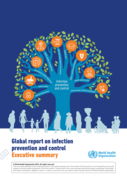
The report reveals that good IPC programmes can reduce health care infections by 70 %. oday, out of every 100 patients in acute-care hospitals, seven patients in high-income countries and 15 patients in low- and middle-income countries will acquire at least one health care-associated infection (HAI)
...
during their hospital stay. On average, 1 in every 10 affected patients will die from their HAI.
People in intensive care and newborns are particularly at risk. And the report reveals that approximately one in four hospital-treated sepsis cases and almost half of all cases of sepsis with organ dysfunction treated in adult intensive-care units are health care-associated.
more
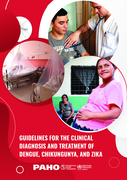
Evidence-based guidelines are one of the most useful tools for improving public health and clinical practice. Their purpose is to formulate interventions based on strong evidence of efficacy, avoid unnecessary risks, use resources efficiently, reduce clinical variability and, in essence, improve hea
...
lth and ensure quality care, which is the purpose of health systems and services. These guidelines were developed following the GRADE methodology, with the support of a panel of clinical experts from different countries, all convened by the Pan American Health Organization. By responding to twelve key questions about the clinical diagnosis and treatment of dengue, chikungunya, and Zika, evidence-based recommendations were formulated for pediatric, youth, adult, older adult, and pregnant patients who are exposed to these diseases or have a suspected or confirmed diagnosis of infection. The purpose of the guidelines is to prevent progression to severe forms of these diseases and the fatal events they may cause. The recommendations are intended for health professionals, including general, resident, and specialist physicians, nursing professionals, and medical and nursing students, who participate in caring for patients with suspected dengue, chikungunya, or Zika. They are also intended for health unit managers and the executive teams of national arboviral disease prevention and control programs, who are responsible for facilitating the process of implementing these guidelines.
more

In the last decade, Timor-Leste has made remarkable progress in strengthening its health system and improving the health status of its population. This has resulted in an increased life expectancy, and the achievement of Millennium Development Goals such as a reduction in infant and under-five
...
mortality, an improvement in maternal and child health outcomes, and an increase in immunization coverage. Further, the country has successfully eliminated infectious diseases such as polio, measles, and maternal and neonatal tetanus. There is full political commitment to reducing the incidence of tuberculosis (TB) by 80% and the number of deaths due to TB by 90% by 2030. The country has made great progress in the context of the pandemic, having established numerous quarantine facilities/isolation centres; trained health-care workers; streamlined the procurement and supply of medicines, consumables, personal protective equipment and other equipment; and strengthened the capacity in critical care across secondary and tertiary health care, to better respond to future pandemics and other disaster situations.
more

The objective of this concept note and the framework it outlines is the elimination of a group of CDs and the negative health effects they generate, which together create a tangible burden on affected individuals, their families and communities, and on health care systems throughout the Region. Thou
...
gh there is no unified consensus on the best measures to use for the public’s health and a nation’s epidemiologic situation, it is common for the disease burden to be measured by disease rates (incidence, prevalence, etc.), disease-specific death rates, comparative morbidity and mortality rates, geographic distribution, and disability-adjusted life years (DALYs). The current epidemiological situation, including data on disease rates or geographic distribution for the diseases in Table 1, is discussed below in Section 4. Hotez et al. (2008) were the first to review and compare the burden of DALYs in Latin America and the Caribbean—for NTDs, HIV/AIDS, malaria, and TB—as it existed about 10 years ago. Though the regional burden of TB, malaria, and neglected infectious diseases (NIDs) is somewhat less than it was 10 years ago, work (and schooling) continue to be lost to illness and premature death or disability, and the need for stepping up disease elimination efforts is evident in all communities living in vulnerable conditions....
more
National Disability Mainstreaming Strategy and Implementation Plan (NDMS&IP) 2018-2023
Department of Disability and elderly affairs
Ministry of Gender, Children, Disability and Social Welfare
(2019)
CC
The NDMS&IP focuses on mainstreaming disability to promote equitable access to services in the six thematic areas of health, education, livelihoods, empowerment, and social inclusion and cross-cutting issues.
The first part of the NDMS&IP outlines incongruences between national and sectoral policie
...
s and pieces of legislation on one hand, and practice on the other and identifies key priority areas/themes of the strategy,
medium-term outcomes and strategies for each identified priority area/ theme. This process is largely informed by key findings and recommendations from a study on the Situation of Persons with Disabilities
in Malawi (CBMM/NAD, 2011). The study provides background descriptive information on existing national and sectoral policy and legal framework, level of access by children, adult women and males with disabilities to services in the areas of education, health, livelihoods and other social services as well as of participation by persons with disabilities through self-representation in development activities at various levels. A review of relevant documents at the international level further describes the disability situation in Malawi in the global context.
The second part of the NDMS&IP consists of the operational matrix, (Annex 1), a monitoring and evaluation framework (Annex 2) and budget estimates (Annex 3). This part outlines specific actions by various actors both in the public, private and civil society sectors to prioritise disability in their routine policy, programming, resource mobilisation and allocation, monitoring, evaluation and reporting routines. The action plan lays out priority sectors and concrete actions by setting out implementation schedules, defining targets, assigning responsibility to key duty bearers and rights holders for coordination, decision-making, monitoring and reporting, mobilisation and allocation and control of resources.
more

The World Health Organization (WHO) is releasing the second edition of its Global Accelerated Action for the Health of Adolescents (AA-HA!) guidance. The document aims to equip governments to respond to the health and well-being challenges, opportunities and needs of adolescents.
The guidance pro
...
vides the latest available data on adolescent health and well-being. It also outlines an updated list of core indicators that data should be collected on. Globally, road injury was the top cause of death for adolescent males in 2019. Among female adolescents, the leading causes of death were diarrhoeal diseases among the younger group (10-14 years) and tuberculosis (TB) in the older group (15-19 years).
Over the last 20 years, mortality rates have declined among adolescents globally, with the largest decline in older (15–19 years) adolescent girls. For non-fatal diseases, the burden has not improved over the past two decades, with the main causes of ill health in this category being: mental health conditions (depressive and anxiety disorders, childhood behavioural disorders), iron deficiency anaemia, skin diseases and migraine.
Adolescent well-being depends on a range of factors, including healthy food, education, life skills and employability, connectedness, feeling valued by society, safe and supportive environments, resilience, and the freedom to make choices. To take an appropriately holistic approach, the guidance outlines how to take crosscutting action to support adolescent health and well-being, with mutually reinforcing interventions across sectors, such as health, education, social protection, and telecommunications. Targeted efforts are also required to engage adolescents, as they trust health systems less than adults do and are especially vulnerable to modern-day trends, like online bullying and gaming.
more

Non-communicable diseases (NCDs) are the second common cause of death in sub-Saharan Africa (SSA) accounting for about 35% of all deaths, after a composite of communicable, maternal, neonatal, and nutritional diseases. Despite prior perception of low NCDs
...
mortality rates, current evidence suggests that SSA is now at the dawn of the epidemiological transition with contemporary double burden of disease from NCDs and communicable diseases. In SSA, cardiovascular diseases (CVDs) are the most frequent causes of NCDs deaths, responsible for approximately 13% of all deaths and 37% of all NCDs deaths. Although ischemic heart disease (IHD) has been identified as the leading cause of CVDs mortality in SSA followed by stroke and hypertensive heart disease from statistical models, real field data suggest IHD rates are still relatively low. The neglected endemic CVDs of SSA such as endomyocardial fibrosis and rheumatic heart disease as well as congenital heart diseases remain unconquered. While the underlying aetiology of heart failure among adults in high-income countries (HIC) is IHD, in SSA the leading causes are hypertensive heart disease, cardiomyopathy, rheumatic heart disease, and congenital heart diseases. Of concern is the tendency of CVDs to occur at younger ages in SSA populations, approximately two decades earlier compared to HIC. Obstacles hampering primary and secondary prevention of CVDs in SSA include insufficient health care systems and infrastructure, scarcity of cardiac professionals, skewed budget allocation and disproportionate prioritization away from NCDs, high cost of cardiac treatments and interventions coupled with rarity of health insurance systems. This review gives an overview of the descriptive epidemiology of CVDs in SSA, while contrasting with the HIC and highlighting impediments to their management and making recommendations.
more
Cardiovascular disease is a major cause of disability and premature death throughout the world, and contributes substantially to the escalating costs of health care. The underlying pathology is atherosclerosis, which develops over many years and is usually advanced by the time symptoms occur, genera
...
lly in middle age. Acute coronary and cerebrovascular events frequently occur suddenly, and are often fatal before medical care can be given. Modification of risk factors has been shown to reduce mortality and morbidity in people with diagnosed or undiagnosed cardiovascular disease.
This publication provides guidance on reducing disability and premature deaths from coronary heart disease, cerebrovascular disease and peripheral vascular disease in people at high risk, who have not yet experienced a cardiovascular event. People with established cardiovascular disease are at very high risk of recurrent events and are not the subject of these guidelines. They have been addressed in previous WHO guidelines.
Several forms of therapy can prevent coronary, cerebral and peripheral vascular events. Decisions about whether to initiate specific preventive action, and with what degree of intensity, should be guided by estimation of the risk of any such vascular event. The risk prediction charts that accompany these guidelinesb allow treatment to be targeted accord-
ing to simple predictions of absolute cardiovascular risk.
Recommendations are made for management of major cardiovascular risk factors through changes in lifestyle and prophylactic drug therapies. The guidelines provide a framework for the development of national guidance on prevention of cardiovascular disease that takes into account the particular political, economic, social and medical circumstances.
more
In this document, the Inter-American Committee of Cardiovascular Prevention and Rehabilitation, together with the South
American Society of Cardiology, aimed to formulate strategies, measures, and actions for cardiovascular disease prevention
and rehabilitation (CVDPR). In the context of the imple
...
mentation of a regional and national health policy in Latin American
countries, the goal is to promote cardiovascular health and thereby decrease morbidity and mortality. The study group on
Cardiopulmonary and Metabolic Rehabilitation from the Department of Exercise, Ergometry, and Cardiovascular Rehabilitation
of the Brazilian Society of Cardiology has created a committee of experts to review the Portuguese version of the guideline
and adapt it to the national reality.
The mission of this document is to help health professionals to adopt effective measures of CVDPR in the routine
clinical practice. The publication of this document and its broad implementation will contribute to the goal of the World
Health Organization (WHO), which is the reduction of worldwide cardiovascular mortality by 25% until 2025.
more
Patients with diabetes are at increased risk of developing cardiovascular disease (CVD) with its manifestations of coronary artery disease (CAD), heart failure (HF), atrial fibrillation (AF), and stroke, as well as aortic and peripheral artery diseases. In addition, diabetes is a major risk factor f
...
or developing chronic kidney disease (CKD), which in itself is associated with developing CVD. The combination of diabetes with these cardio-renal comorbidities enhances the risk not only for cardiovascular (CV) events but also for CV and all-cause mortality. The current European Society of Cardiology (ESC) Guidelines on the management of cardiovascular disease in patients with diabetes are designed to guide prevention and management of the manifestations of CVD in patients with diabetes based on data published until end of January 2023. Over the last decade, the results of various large cardiovascular outcome trials (CVOTs) in patients with diabetes at high CV risk with novel glucose- lowering agents, such as sodium–glucose co-transporter-2 (SGLT2) inhibitors and glucagon-like peptide-1 (GLP-1) receptor agonists (RAs), but also novel non-steroidal mineralocorticoid receptor antagonists (MRAs), such as finerenone have substantially expanded available therapeutic op-
tions, leading to numerous evidence-based recommendations for the management of this patient population.
more
The document "Management of Type 2 Diabetes Mellitus" provides comprehensive guidelines for the diagnosis, prevention, and treatment of type 2 diabetes in adults. It emphasizes the importance of individualized glycemic targets, lifestyle interventions like diet and exercise, and the use of medicatio
...
ns such as metformin, SGLT2 inhibitors, and GLP1 receptor agonists to manage blood sugar levels and reduce long-term complications. The document also discusses the screening and management of comorbidities such as hypertension, hyperlipidemia, and diabetic complications like retinopathy, neuropathy, and nephropathy. It highlights the role of diabetes self-management education and support in improving adherence to treatment and patient outcomes. The guidelines are evidence-based and aim to reduce morbidity and mortality associated with type 2 diabetes.
more
This global status report on prevention and control of NCDs (2014), is framed around the nine voluntary global targets. The report provides data on the current situation, identifying bottlenecks as well as opportunities and priority actions for attaining the targets. The 2010 baseline estimates on N
...
CD mortality and risk factors are provided so that countries can report on progress, starting in 2015. In addition, the report also provides the latest available estimates on NCD mortality (2012) and risk factors, 2010-2012.All ministries of health need to set national NCD targets and lead the development and implementation of policies and interventions to attain them. There is no single pathway to attain NCD targets that fits all countries, as they are at different points in their progress in the prevention and control of NCDs and at different levels of socioeconomic development. However all countries can benefit from the comprehensive response to attaining the voluntary global targets presented in this report.
more
Care for persons with noncommunicable diseases (NCDs), such as cardiovascular disease, diabetes, cancer, and chronic obstructive pulmonary disease, is a major health priority for most countries worldwide, particularly for low-middle income countries where the problem seems to be worsening. Globally,
...
research demonstrates that the vast majority of people with NCDs receive suboptimal care. Many people living with chronic conditions remain undiagnosed and unaware of their condition, while many others remain untreated or with inadequate control. Meanwhile the premature mortality caused by NCDs remains high in many countries. In response to the global epidemic of NCDs, the World Health Organization (WHO) launched the Global Strategy for the Prevention and Control of Noncommunicable Diseases in 2012, which establishes 9 voluntary global targets and indicators to be considered by Member States when formu- lating national plans to combat NCDs.
more
Asthma is the most common chronic disease in children, imposing a consistent burden on health system. In recent years, prevalence of asthma symptoms became globally increased in children and adolescents, particularly in Low-Middle Income Countries (LMICs). Host (genetics, atopy) and environmental fa
...
ctors (microbial exposure, exposure to passive smoking and air pollution), seemed to contribute to this trend. The increased prevalence observed in metropolitan areas with respect to rural ones and, overall, in industrialized countries, highlighted the role of air pollution in asthma inception. Asthma accounts for 1.1% of the overall global estimate of “Disability-adjusted life years” (DALYs)/100,000 for all causes. Mortality in children is low and it decreased across Europe over recent years. Children from LMICs particularly suffer a disproportionately higher burden in terms of morbidity and mortality. Global asthma-related costs are high and are usually are classified into direct, indirect and intangible costs. Direct costs account for 50–80% of the total costs. Asthma is one of the main causes of hospitalization which are particularly common in children aged < 5 years with a prevalence that has been increased during the last two decades, mostly in LMICs. Indirect costs are usually higher than in older patients, including both school and work-related losses. Intangible costs are unquantifiable, since they are related to impairment of quality of life, limitation of physical activities and study performance. The implementation of strategies aimed at early detect asthma thus providing access to the proper treatment has been shown to effectively reduce the burden of the disease.
more
Asthma is the commonest chronic childhood disease and encompasses a spectrum of airway diseases with similar symptoms. Inaccurate diagnosis remains common, especially in younger children, with failure to characterize the different “asthmas.” Children worldwide repeatedly suffer symptoms which se
...
verely affect their everyday lives. Children die from asthma, especially in low and middle-income countries (LMICs). In many countries, asthma prevalence is rising. Access to effective care and changing environments are hugely variable and may explain the higher morbidity in inner-city children, in LMICs, and in deprived populations in high-income countries. Despite the disease being eminently controllable, morbidity and mortality persist.
more
This purpose of this guide is to inform robust evaluations of the WHO training package – a package aimed at personnel whose primary role in health-care facilities is environmental cleaning, hereafter referred to as cleaners.
The WHO training package – Environmental cleaning and infection prev
...
ention and control in health-care facilities in low- and middle-income countries – was designed to improve the competencies of cleaners through a practical, educational approach for adult learners in low- and middle-income countries and comprises two volumes: trainer’s guide and modules and resources (1,2). An associated OpenWHO online course describes the essential preparations for trainers to deliver the WHO training package.
more
The Democratic Republic of Timor-Leste has the highest TB incidence rate in the South East Asian Region - 498 per 100,000, which is the seventh highest in the world. In Timor-Leste TB is the eighth most common cause of death.
The salient observations are as follows:
In 2018, 487 (12.5%) of the
...
3906 notified TB patients were tested for RR-TB and only 12 lab confirmed RR-TB patients were initiated on standard MDR-TB treatment of 20-months duration, (a 3-fold increase in RR-TB detection compared with 2017). This amounts to treatment coverage of only 17% of 72 estimated MDR/RR-TB among notified TB patients (3906) and 5% of 240 estimated incident MDR-TB patients as compared to 62% treatment coverage of 6300 incident drug sensitive TB patients estimated in TLS. The treatment success in the 2016 annual cohort of 6 MDR-TB patients has been reported at 83%. 80% of TB patients know their HIV Status with around 1% TB-HIV co-infection, 37/ 77 (48%) TB-HIV Co-infection Detected. Of the 387 PLHIV currently alive on ART, exact status on TB screening and testing is unknown. % of PLHIV newly enrolled in HIV care who received IPT is not known.
In 2018, the mortality rate for TB was 94 deaths per 100,000 people (1200 per annum) in TL with an increasing mortality trend (Figure 1), despite TB services being available for nearly two decades.
A survey of catastrophic costs due to TB (2016) highlights that 83% of TB patients are reported to be facing catastrophic costs due to the disease. This is the highest rate in the world.
more
Cholera is a transmissible diarrhoeal infection caused by Vibrio cholerae. Endemic and/or epidemic in over 40 countries (mainly in Africa and Asia), cholera continues to be a major global public health issue.
The World Health Organization (WHO) estimates that the number of cases reported worldwid
...
e represents in reality only 5 to 10% of actual cases.
This guide is intended for medical and non-medical staff responding to a cholera outbreak. It attempts to provide concrete answers to the questions and problems faced by staff, based on the recommendations of reference organisations, such as WHO and UNICEF, as well as Médecins Sans Frontières’ experience in the field.
It is divided into 8 chapters. Chapter 1, Cholera overview, outlines the epidemiological and clinical features of cholera. Chapter 2, Outbreak investigation, explains the method and stages of a field investigation, from the alert to implementation of initial activities. Chapter 3, Cholera control measures, details measures and tools to prevent and/or control cholera transmission and mortality in populations affected, or at risk of being affected, by an epidemic (curative care, prevention means and health promotion activities). Chapter 4, Strategies for epidemic response, addresses the roll-out strategies of the measures described in Chapter 3 which depend on context (e.g. urban, rural, endemic, non-endemic setting, etc.), resources and particular constraints. Chapter 5, Cholera case management, details the different stages of cholera treatment, from diagnosis through to cure.
Chapter 6, Setting up cholera treatment facilities, focuses on the installation of treatment facilities that vary in size and complexity according to operational requirements (treatment centres and units and oral rehydration points). Chapter 7, Organisation of cholera treatment facilities, describes the organisation of these specialized facilities in terms of human resources, supply, water, hygiene and sanitation, etc. Chapter 8, Monitoring and evaluation, presents the key data to be collected and analysed during an epidemic to facilitate a tailored response and evaluate its quality and effectiveness.
The guide includes various practical tools in the appendices to facilitate activities (e.g. water quality tests, job descriptions, documents, etc.). Moreover, the toolbox also contains additional tools in editable formats (individual patient file, cholera case register, pictograms).
Despite all efforts, it is possible that certain errors may have been overlooked in this guide. Please inform the authors of any errors detected.
To ensure that this guide continues to evolve while remaining adapted to field realities, please send any comments or suggestions.
more
