
Filter
723
Text search:
World
Health
Organization
WHO,
PAHO
Featured
Recommendations
72
New Publications
130
Language
Document type
No document type
270
Studies & Reports
157
Guidelines
125
Manuals
53
Strategic & Response Plan
31
Fact sheets
31
Training Material
21
Situation Updates
17
Infographics
8
Online Courses
5
Brochures
3
Resource Platforms
2
Countries / Regions
Latin America and the Carribbean
123
Global
45
Brazil
29
Venezuela
19
Haiti
18
Colombia
16
Mozambique
11
Angola
10
North America
9
Guinea-Bissau
7
Paraguay
7
India
6
Nepal
6
Syria
4
Peru
4
Chile
4
Yemen
4
Middle East and North Africa
4
Asia
4
Africa
4
Ghana
3
Bangladesh
3
Argentina
3
Ukraine
3
Myanmar / Burma
3
Russia
3
Nigeria
2
Philippines
2
South Sudan
2
Zambia
2
Cambodia
2
Thailand
2
China
2
El Salvador
2
East and Southern Africa
2
South–East Asia Region
2
Jamaica
2
Portugal
2
USA
1
Ethiopia
1
Uganda
1
Zimbabwe
1
Turkey
1
South Africa
1
Sudan
1
Benin
1
North Macedonia
1
Honduras
1
Ecuador
1
Bolivia
1
Guatemala
1
Lesotho
1
Mexico
1
West and Central Africa
1
Western Pacific Region
1
Western and Central Europe
1
Eastern Europe
1
Italy
1
Armenia
1
Laos
1
Tajikistan
1
Estonia
1
Moldova
1
Iran
1
Georgia
1
Vietnam
1
Uruguay
1
Japan
1
Belgium
1
Belarus
1
Authors & Publishers
Publication Years
Category
Countries
177
Clinical Guidelines
84
Public Health
52
Key Resources
45
Women & Child Health
36
Capacity Building
12
Pharmacy & Technologies
7
General Guidelines
2
Annual Report MEDBOX
1
Toolboxes
COVID-19
152
Mental Health
66
Rapid Response
52
HIV
47
NTDs
38
Zika
33
Planetary Health
33
NCDs
23
TB
21
Global Health Education
19
Caregiver
19
AMR
17
Natural Hazards
14
Cholera
11
Pharmacy
10
Health Financing Toolbox
10
Conflict
8
Refugee
7
Specific Hazards
6
Disability
5
Ebola
2
Typhoon
2
Polio
1
Areas for action include: increasing prioritisation and awareness of dementia; reducing the risk of dementia; diagnosis, treatment and care; support for dementia carers; strengthening information systems for dementia; and research and innovation.
An overview on the health equity impact of policy and action: Is it making a difference? Why or why not?
Epilepsy: a public health imperative
recommended
This is the first global report on epilepsy summarizing the available evidence on the burden of epilepsy and the public health response required at global, regional and national levels.
The reports highlights major gaps in awareness, diagnosis, t
...
The toolkit's purpose is to:
improve the primary health care response for older persons.
sensitize and educate primary health care workers about the specific needs of their older clients.
...
Procurement and supply management activities are fundamental to consistent and reliable access to essential medicines and health products. To reduce the impact of CVD, action needs to be taken to improve prevention, diagnosis, care and management of
...
Consolidated Guidelines
Geneva, 2016
The End TB Strategy
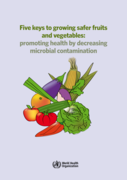
The importance of fruits and vegetables in nutritious and healthy diets is well recognized, and in recent years consumers have been encouraged to eat more of these products. For many countries, particularly developing countries, these products have become a valuable commodity. At the same time, food
...

WHO would like to express its gratitude and appreciation to all Member States that provided information to the WHO survey on policies and activities at the national level in the area of antimicrobia
...
WHO published the first COVID-19 Strategic Response and Preparedness Plan (SPRP) on 3 February, 2020. This report highlights the main points of progress that were made up to 30 June 2020 under the three objectives outlined in the SPRP: scaling up in
...
The purpose of this document is to address specific needs and considerations for essential oral health services in the context of COVID-19 in accordance with WHO operational guidance on maintaining
...
This manual presents a compelling case for action on carbapenem-resistant organisms (CROs) and describes the linkages between the prevention and control of CROs and the Global Action Plan on Antimicrobial Resistance (AMR). It describes how the eight recommendations contained within the
...
Interim practical manual supporting implementation of the WHO guidelines on core components of infection prevention and control programmes
Technical Note
Recently, the approach to hazardous events has undergone a considerable shift, away from reactive activities focused on managing and responding to events and towards a more proactive process of emergency and disaster risk management (DRM). The ultimate goal of this shift in focus is
...
The world is facing an unprecedented range of emergencies. In reaction to these complex adversities, many people experience considerable distress and impairment, and a minority may even go on to develop mental
...
We need to be concerned about mental health in the context of climate change
Guidance module.
The QualityRights training and orientation modules have been developed to enhance the knowledge, skills and understanding of key stakeholders on how to promote the rights of people with psychosocial, intellectual or cognitive disabilities, improve the quality of services and suppo
...
As countries aim to progress towards the Sustainable Development Goals (SDGs) and achieving universal health coverage, health inequities driven by racial discrimination and intersecting factors rema
...
This fourth annual report monitors global progress towards the 2023 target for global elimination of industrially produced trans-fatty acids (TFA), highlighting achievements during the past year (October 2021 – September 2022). Countries are responding to the
...

Guidelines for WHO Representatives and Country
Offices in the Western Pacific Region
