
Filter
1755
Text search:
Ghana
Featured
121
409
Language
1475
218
86
37
32
22
16
13
5
2
2
2
2
2
2
2
2
1
1
1
1
1
1
1
1
1
1
1
1
1
1
1
Document type
965
406
149
80
71
35
14
13
7
5
4
4
1
1
Countries
214
101
82
81
77
76
68
57
56
53
47
42
41
41
34
34
29
27
26
26
24
24
21
20
20
19
18
17
17
17
15
13
13
12
8
7
7
6
6
6
5
5
5
5
4
4
4
4
4
4
4
4
4
4
4
4
3
3
3
3
3
3
3
3
3
2
2
2
2
2
2
2
2
2
2
2
2
2
2
2
1
1
1
1
1
1
1
1
1
1
1
1
1
1
1
1
1
1
1
1
1
1
1
1
1
1
1
1
1
Authors & Publishers
251
116
87
64
62
55
49
49
36
29
21
20
19
17
16
13
12
9
9
9
9
9
9
9
9
8
8
8
8
8
7
7
7
7
7
7
6
6
5
5
5
5
5
5
5
5
5
5
4
4
4
4
4
4
4
4
4
4
4
4
4
4
4
4
4
4
4
4
4
4
3
3
3
3
3
3
3
3
3
3
3
3
3
3
3
3
3
3
3
3
3
3
3
3
3
3
3
3
3
3
3
3
3
3
3
3
3
3
3
3
3
2
2
2
2
2
2
2
2
2
2
2
2
2
2
2
2
2
2
2
2
2
2
2
2
2
2
2
2
2
2
2
2
2
2
2
2
2
2
2
2
2
2
2
2
2
2
2
2
2
2
2
2
2
2
2
2
2
2
2
2
2
2
2
2
2
2
2
2
2
2
2
2
2
2
2
2
2
2
2
2
2
2
2
2
2
2
2
2
2
2
2
2
2
2
2
2
2
2
2
2
2
2
2
2
2
1
1
1
1
1
1
1
1
1
1
1
1
1
1
1
1
1
1
1
1
1
1
1
1
1
1
1
1
1
1
1
1
1
1
1
1
1
1
1
1
1
1
1
1
1
1
1
1
1
1
1
1
1
1
1
1
1
1
1
1
1
1
1
1
1
1
1
1
1
1
1
1
1
1
1
1
1
1
1
1
1
1
1
1
1
1
1
1
1
1
1
1
1
1
1
1
1
1
1
1
1
1
1
1
1
1
1
1
1
1
1
1
1
1
1
1
1
1
1
1
1
1
1
1
1
1
1
1
1
1
1
1
1
1
1
1
1
1
1
1
1
1
1
1
1
1
1
1
1
1
1
1
1
1
1
1
1
1
1
1
1
1
1
1
1
1
1
1
1
1
1
1
1
1
1
1
1
1
1
1
1
1
1
1
1
1
1
1
1
1
1
1
1
1
1
1
1
1
1
1
1
1
1
1
1
1
1
1
1
1
1
1
1
1
1
1
1
1
1
1
1
1
1
1
1
1
1
1
1
1
1
1
1
1
1
1
1
1
1
1
1
1
1
1
1
1
1
1
1
1
1
1
1
1
1
1
1
1
1
1
1
1
1
1
1
1
1
1
1
1
1
1
1
1
1
1
1
1
1
1
1
1
1
1
1
1
1
1
1
1
1
1
1
1
1
1
1
1
1
1
1
1
1
1
1
1
1
1
1
1
1
1
1
1
1
1
1
1
1
1
1
1
1
1
1
1
1
1
1
1
1
1
1
1
1
1
1
1
1
1
1
1
1
1
1
1
1
1
1
1
1
1
1
1
1
1
1
1
1
1
1
1
1
1
1
1
1
1
1
1
1
1
1
1
1
1
1
1
1
1
1
1
1
1
1
1
1
1
1
1
1
1
1
1
1
1
1
1
1
1
1
1
1
1
1
1
1
1
1
1
1
1
1
1
1
1
1
1
1
1
1
1
1
1
1
1
1
1
1
1
1
1
1
1
1
1
1
1
1
1
1
1
1
1
1
1
1
1
1
1
1
1
1
1
1
1
1
1
1
1
1
1
1
1
1
1
1
1
1
1
1
1
1
1
1
1
1
1
1
1
1
1
1
1
1
1
1
1
1
1
1
1
1
1
1
1
1
1
1
1
1
1
1
1
1
1
1
1
1
1
1
1
1
1
1
1
1
1
1
1
1
1
1
1
1
1
1
1
1
1
1
1
1
1
1
1
1
1
1
1
1
1
1
1
1
1
1
1
1
1
1
1
1
1
1
1
1
1
1
1
1
1
1
1
1
1
1
1
1
1
1
1
1
1
1
1
1
1
1
1
1
1
1
1
1
1
1
1
1
1
1
1
1
1
1
1
1
1
1
1
1
1
1
1
1
1
1
1
1
1
1
1
1
1
1
1
1
1
1
1
1
1
1
1
1
1
1
1
1
1
1
1
1
1
1
1
1
1
1
1
1
1
1
1
1
1
1
1
1
1
1
1
1
1
1
1
1
1
1
1
1
1
1
1
1
1
1
1
1
1
1
1
1
1
1
1
1
1
1
1
1
1
1
1
1
1
1
1
1
1
1
1
1
1
1
1
1
1
1
1
1
1
1
1
1
1
1
1
1
1
1
1
1
1
1
1
1
1
1
1
1
1
1
1
1
1
1
1
1
1
1
1
1
1
1
1
1
1
1
1
1
1
1
1
1
1
1
1
1
1
1
1
1
1
1
1
1
1
1
1
1
1
1
1
1
1
1
1
1
1
1
1
1
1
1
1
1
1
1
1
1
1
1
1
1
1
1
1
1
1
1
1
1
1
1
1
1
1
1
1
1
1
1
1
1
1
1
1
1
1
1
1
1
1
1
1
1
1
1
1
1
1
1
1
1
1
1
1
1
1
1
1
1
1
1
1
1
1
1
1
1
1
1
1
1
1
1
1
1
1
1
1
1
1
1
1
1
1
1
1
1
1
1
1
1
1
1
1
1
1
1
1
1
1
1
1
1
1
1
1
1
1
1
1
1
1
1
1
1
1
1
1
1
1
1
1
1
1
1
1
1
1
1
1
1
1
1
1
1
1
1
1
1
1
1
1
1
1
1
1
1
1
1
1
1
1
1
1
1
1
1
1
1
1
1
1
1
1
1
1
1
1
1
1
1
1
1
1
1
1
1
1
1
1
1
1
1
1
1
1
1
1
1
1
1
1
1
1
1
1
1
1
1
1
1
1
1
1
1
1
1
1
1
1
1
1
1
1
1
1
1
1
1
1
1
1
1
1
1
1
1
1
1
1
1
1
1
1
1
1
1
1
1
1
1
1
1
1
1
1
1
1
1
1
1
1
1
1
1
1
1
1
1
1
1
1
1
1
1
1
1
1
1
1
1
1
1
1
1
1
1
1
1
1
1
1
1
1
1
1
1
1
1
1
1
1
1
1
1
1
1
1
1
1
1
1
1
1
1
1
1
1
1
1
1
1
1
1
1
1
1
1
1
1
1
1
1
1
1
1
1
1
1
1
1
1
1
1
1
1
1
1
1
1
1
1
1
1
1
1
1
1
1
1
1
1
1
1
1
1
1
1
1
1
1
1
1
1
1
1
1
1
1
1
1
1
1
1
1
1
1
1
1
1
1
1
1
1
1
1
1
1
1
1
1
1
1
1
1
1
1
1
1
1
1
1
1
1
1
1
1
1
1
1
1
1
1
1
1
1
1
1
1
1
1
1
1
1
1
1
1
1
1
1
1
1
1
1
1
1
1
1
1
1
1
1
1
1
1
1
1
1
1
1
1
1
1
1
1
1
1
1
1
1
1
1
1
1
1
1
1
1
1
1
1
1
1
1
1
1
1
1
1
1
1
1
1
1
1
1
1
1
1
1
1
1
1
1
1
1
1
1
1
1
1
1
1
1
1
1
1
1
1
1
1
1
1
1
1
1
1
1
1
1
1
1
1
1
1
1
1
1
1
1
1
1
1
1
1
1
1
1
1
1
1
1
1
1
1
1
1
1
1
1
1
1
1
1
1
1
1
1
1
1
1
1
1
1
1
1
1
1
1
1
1
1
1
1
1
1
1
1
1
1
1
1
1
1
1
1
1
1
1
1
1
1
1
1
1
1
1
1
1
1
1
1
1
1
1
1
1
1
1
Publication Years
485
1121
141
6
1
1
Category
564
142
131
114
67
37
25
1
Toolboxes
132
117
105
102
100
85
82
65
57
52
51
50
43
34
33
21
9
9
9
6
6
5
3
BMJ Global Health 2022;7:e008007. doi:10.1136/ bmjgh-2021-00800

Int. J. Environ. Res. Public Health 2018, 15(12), 2626; https://doi.org/10.3390/ijerph15122626
Climate change is increasing risks to human health and to the health systems that seek to protect the safety and well-being of populations. Health authorities require information about current associatio
...
ns between health outcomes and weather or climate, vulnerable populations, projections of future risks and adaptation opportunities in order to reduce exposures, empower individuals to take needed protective actions and build climate-resilient health systems. An increasing number of health authorities from local to national levels seek this information by conducting climate change and health vulnerability and adaptation assessments. While assessments can provide valuable information to plan for climate change impacts, the results of many studies are not helping to build the global evidence-base of knowledge in this area. They are also often not integrated into adaptation decision making, sometimes because the health sector is not involved in climate change policy making processes at the national level. Significant barriers related to data accessibility, a limited number of climate and health models, uncertainty in climate projections, and a lack of funding and expertise, particularly in developing countries, challenge health authority efforts to conduct rigorous assessments and apply the findings. This paper examines the evolution of climate change and health vulnerability and adaptation assessments, including guidance developed for such projects, the number of assessments that have been conducted globally and implementation of the findings to support health adaptation action. Greater capacity building that facilitates assessments from local to national scales will support collaborative efforts to protect health from current climate hazards and future climate change. Health sector officials will benefit from additional resources and partnership opportunities to ensure that evidence about climate change impacts on health is effectively translated into needed actions to build health resilience.
more
Project Drawdown (2022) provides evidence of how climate solutions can also be win-win opportunities for meeting development and human well-being needs while boosting prosperity for rural communities in sub-Saharan Africa and South Asia. The report summarizes the co-benefits of five groups of a subs
...
et of Project Drawdown climate solutions (28 total solutions) for advancing human well-being in rural areas of low- and middle-income countries
more
Waste Management & Research 39(1) DOI: 10.1177/0734242X211029175
Briefing Note no. 80 November 2015
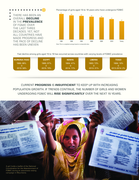
This brochure draws on data from more than 90 nationally representative surveys making it the most up-to-date compilation of statistics on FGM/C. Available data show that the practice of FGM/C is highly concentrated in a swath of countries from the Atlantic coast to the Horn of Africa, in areas of t
...
he Middle East such as Iraq and Yemen and in some countries in Asia like Indonesia. However, FGM/C is a human rights issue that affects girls and women worldwide. Evidence suggests that FGM/C exists in some places in South America such as Colombia and elsewhere in the world including in India, Malaysia, Oman, Saudi Arabia, and the United Arab Emirates.
more
May 2022
A systematic analysis for the Global Burden of Disease Study 2019. The Lancet Vol.399 Issue 10341 p.2129-2154
Human resources for health (HRH) include a range of occupations that aim to promote or improve human health. The UN Sustainable Development Goals (SDGs) and the WHO Health Workforce 2030 s
...
trategy have drawn attention to the importance of HRH for achieving policy priorities such as universal health coverage (UHC). Although previous research has found substantial global disparities in HRH, the absence of comparable cross-national estimates of existing workforces has hindered efforts to quantify workforce requirements to meet health system goals. We aimed to use comparable and standardised data sources to estimate HRH densities globally, and to examine the relationship between a subset of HRH cadres and UHC effective coverage performance.
more
La presente Nota Informativa sirve como orientación a los solicitantes que están preparando una solicitud de financiamiento del Fondo Mundial para la tuberculosis. Ofrece recomendaciones sobre cómo establecer prioridades y metas para que las intervenciones relacionadas con la tuberculosis consiga
...
n la máxima repercusión posible. Promueve inversiones estratégicas para salvar vidas y obtener beneficios económicos, teniendo en cuenta la situación de la tuberculosis en cada país y otros factores contextuales:
• Su perfil de tuberculosis: tanto farmacosensible como farmacorresistente.
• El contexto del sistema de salud del país.
• Los obstáculos relacionados con los derechos humanos y el género.
• Las barreras socioeconómicas y estructurales que impiden acceder a los servicios
de tuberculosis.
more
Cases of monkeypox (MPX) acquired in the EU have recently been reported in nine EU Member States (Austria, Belgium, France, Germany, Italy, Portugal, Spain, Sweden, and the Netherlands).
Monkeypox (MPX) does not spread easily between people. Human-to-human transmission occurs through close contact
...
with infectious material from skin lesions of an infected person, through respiratory droplets in prolonged face-to-face contact, and through fomites. The predominance, in the current outbreak, of diagnosed human MPX cases among men having sex with men (MSM), and the nature of the presenting lesions in some cases, suggest transmission occurred during sexual intercourse
more
In Westafrika wird die Bevölkerung in den nächsten Jahrzehnten noch stark
wachsen. Bis 2050 dürfte sich die Einwohnerzahl der 16 Staaten von heute 402 auf
rund 797 Millionen Menschen nahezu verdoppeln. Der Grund dafür sind vor allem
hohe Geburtenraten: Frauen bekommen zwischen Mauretanien und
...
Nigeria heute
durchschnittlich vier bis sieben Kinder. Deshalb werden mittelfristig mehr Menschen
um Jobs, Schulplätze und Gesundheitsversorgung konkurrieren. Gesellschaften und
Staaten müssen sich sozioökonomische Fortschritte erkämpfen
Religionsgemeinschaften und ihre Vertreter können entscheidend dazu beitragen, dass sich das Bevölkerungswachstum in den westafrikanischen Ländern mittelfristig verlangsamt
more
Cancer in sub-Saharan Africa
recommended
Lancet Oncol 2022; 23: e251–312Published OnlineMay 9, 2022 https://doi.org/10.1016/S1470-2045(21)00720-8
In sub-Saharan Africa (SSA), urgent action is needed to curb a growing crisis in cancer incidence and mortality.
Without rapid interventions, data estimates show a major increase in cancer mo
...
rtality from 520 348 in 2020 to about
1 million deaths per year by 2030. Here, we detail the state of cancer in SSA, recommend key actions on the basis of
analysis, and highlight case studies and successful models that can be emulated, adapted, or improved across the
region to reduce the growing cancer crises. Recommended actions begin with the need to develop or update national
cancer control plans in each country. Plans must include childhood cancer plans, managing comorbidities such as
HIV and malnutrition, a reliable and predictable supply of medication, and the provision of psychosocial, supportive,
and palliative care. Plans should also engage traditional, complementary, and alternative medical practices employed
by more than 80% of SSA populations and pathways to reduce missed diagnoses and late referrals. More substantial
investment is needed in developing cancer registries and cancer diagnostics for core cancer tests.
more
Encuesta de indicadores multiples por conlomerados
Concepte Note, June 2022
The main purpose of the meeting was to review tsetse control tools, activities and their contribution to the elimination of gHAT and the monitoring thereof. Seven endemic countries provided reports on recent and ongoing vector control interventions at the national level (Angola, Cameroon, Côte d’
...
Ivoire, Chad, Democratic Republic of the Congo, Guinea and Uganda). Country reports focused on the in situations implementing and supporting vector control activities, the tools and the approaches in use, the coverage of the activities in space and time and their impacts on tsetse populations. Future perspectives for vector control in the respective countries were also discussed, including opportunities and challenges to sustainability.
more
The EYE communication strategy is intended for use by all EYE partners and respective communication teams, as well as regional and country colleagues who will need to communicate about the work of EYE. It will also be publicly available for others, such as non-governmental organizations (NGOs) and p
...
rivate sector organizations, who may wish to read or share content published about EYE.
more
