
Filter
2547
Text search:
prevalence
of
malaria
Featured
192
909
Language
2479
39
34
26
15
13
11
3
1
1
1
1
1
Document type
1750
397
193
69
65
25
21
16
7
2
1
1
Countries
113
107
84
83
81
76
75
73
71
70
69
62
61
52
46
44
42
40
36
32
31
28
27
24
23
23
22
22
21
20
19
19
18
16
16
15
15
13
13
12
12
10
8
8
7
7
7
7
6
6
6
6
5
5
5
5
5
4
4
3
3
3
3
3
3
3
3
3
3
3
2
2
2
2
2
2
2
2
2
2
2
2
2
2
2
2
1
1
1
1
1
1
1
1
1
1
1
1
1
1
1
1
1
1
1
1
1
Authors & Publishers
248
128
115
103
96
65
58
55
39
24
23
18
17
17
16
16
16
16
15
15
14
14
13
13
12
11
11
11
11
11
11
10
10
10
9
8
8
8
8
8
8
8
7
7
7
7
7
6
6
6
6
6
6
6
6
6
6
6
6
6
6
6
6
6
5
5
5
5
5
5
5
5
5
5
5
5
5
4
4
4
4
4
4
4
4
4
4
4
4
4
4
4
4
4
4
4
4
4
4
4
4
4
4
4
4
4
4
4
4
4
4
4
4
3
3
3
3
3
3
3
3
3
3
3
3
3
3
3
3
3
3
3
3
3
3
3
3
3
3
3
3
3
3
3
3
3
3
3
3
3
3
3
3
3
3
3
3
3
3
3
3
3
3
3
3
3
3
3
3
2
2
2
2
2
2
2
2
2
2
2
2
2
2
2
2
2
2
2
2
2
2
2
2
2
2
2
2
2
2
2
2
2
2
2
2
2
2
2
2
2
2
2
2
2
2
2
2
2
2
2
2
2
2
2
2
2
2
2
2
2
2
2
2
2
2
2
2
2
2
2
2
2
2
2
2
2
2
2
2
2
2
2
2
2
2
2
2
2
2
2
2
2
2
2
2
2
2
2
2
2
2
2
2
2
2
2
2
2
2
2
2
2
2
2
2
2
2
2
2
2
2
2
2
2
2
2
2
2
2
2
2
2
2
2
2
2
2
2
2
2
2
2
2
2
2
2
2
2
2
2
2
2
2
2
2
2
2
2
2
2
2
2
2
2
2
2
2
2
2
2
2
2
2
2
2
2
2
2
2
2
1
1
1
1
1
1
1
1
1
1
1
1
1
1
1
1
1
1
1
1
1
1
1
1
1
1
1
1
1
1
1
1
1
1
1
1
1
1
1
1
1
1
1
1
1
1
1
1
1
1
1
1
1
1
1
1
1
1
1
1
1
1
1
1
1
1
1
1
1
1
1
1
1
1
1
1
1
1
1
1
1
1
1
1
1
1
1
1
1
1
1
1
1
1
1
1
1
1
1
1
1
1
1
1
1
1
1
1
1
1
1
1
1
1
1
1
1
1
1
1
1
1
1
1
1
1
1
1
1
1
1
1
1
1
1
1
1
1
1
1
1
1
1
1
1
1
1
1
1
1
1
1
1
1
1
1
1
1
1
1
1
1
1
1
1
1
1
1
1
1
1
1
1
1
1
1
1
1
1
1
1
1
1
1
1
1
1
1
1
1
1
1
1
1
1
1
1
1
1
1
1
1
1
1
1
1
1
1
1
1
1
1
1
1
1
1
1
1
1
1
1
1
1
1
1
1
1
1
1
1
1
1
1
1
1
1
1
1
1
1
1
1
1
1
1
1
1
1
1
1
1
1
1
1
1
1
1
1
1
1
1
1
1
1
1
1
1
1
1
1
1
1
1
1
1
1
1
1
1
1
1
1
1
1
1
1
1
1
1
1
1
1
1
1
1
1
1
1
1
1
1
1
1
1
1
1
1
1
1
1
1
1
1
1
1
1
1
1
1
1
1
1
1
1
1
1
1
1
1
1
1
1
1
1
1
1
1
1
1
1
1
1
1
1
1
1
1
1
1
1
1
1
1
1
1
1
1
1
1
1
1
1
1
1
1
1
1
1
1
1
1
1
1
1
1
1
1
1
1
1
1
1
1
1
1
1
1
1
1
1
1
1
1
1
1
1
1
1
1
1
1
1
1
1
1
1
1
1
1
1
1
1
1
1
1
1
1
1
1
1
1
1
1
1
1
1
1
1
1
1
1
1
1
1
1
1
1
1
1
1
1
1
1
1
1
1
1
1
1
1
1
1
1
1
1
1
1
1
1
1
1
1
1
1
1
1
1
1
1
1
1
1
1
1
1
1
1
1
1
1
1
1
1
1
1
1
1
1
1
1
1
1
1
1
1
1
1
1
1
1
1
1
1
1
1
1
1
1
1
1
1
1
1
1
1
1
1
1
1
1
1
1
1
1
1
1
1
1
1
1
1
1
1
1
1
1
1
1
1
1
1
1
1
1
1
1
1
1
1
1
1
1
1
1
1
1
1
1
1
1
1
1
1
1
1
1
1
1
1
1
1
1
1
1
1
1
1
1
1
1
1
1
1
1
1
1
1
1
1
1
1
1
1
1
1
1
1
1
1
1
1
1
1
1
1
1
1
1
1
1
1
1
1
1
1
1
1
1
1
1
1
1
1
1
1
1
1
1
1
1
1
1
1
1
1
1
1
1
1
1
1
1
1
1
1
1
1
1
1
1
1
1
1
1
1
1
1
1
1
1
1
1
1
1
1
1
1
1
1
1
1
1
1
1
1
1
1
1
1
1
1
1
1
1
1
1
1
1
1
1
1
1
1
1
1
1
1
1
1
1
1
1
1
1
1
1
1
1
1
1
1
1
1
1
1
1
1
1
1
1
1
1
1
1
1
1
1
1
1
1
1
1
1
1
1
1
1
1
1
1
1
1
1
1
1
1
1
1
1
1
1
1
1
1
1
1
1
1
1
1
1
1
1
1
1
1
1
1
1
1
1
1
1
1
1
1
1
1
1
1
1
1
1
1
1
1
1
1
1
1
1
1
1
1
1
1
1
1
1
1
1
1
1
1
1
1
1
1
1
1
1
1
1
1
1
1
1
1
1
1
1
1
1
1
1
1
1
1
1
1
1
1
1
1
1
1
1
1
1
1
1
1
1
1
1
1
1
1
1
1
1
1
1
1
1
1
1
1
1
1
1
1
1
1
1
1
1
1
1
1
1
1
1
1
1
1
1
1
1
1
1
1
1
1
1
1
1
1
1
1
1
1
1
1
1
1
1
1
1
1
1
1
1
1
1
1
1
1
1
1
1
1
1
1
1
1
1
1
1
1
1
1
1
1
1
1
1
1
1
1
1
1
1
1
1
1
1
1
1
1
1
1
1
1
1
1
1
1
1
1
1
1
1
1
1
1
1
1
1
1
1
1
1
1
1
1
1
1
1
1
1
1
1
1
1
1
1
1
1
1
1
1
1
1
1
1
1
1
1
1
1
1
1
1
1
1
1
1
1
1
1
1
1
1
1
1
1
1
1
1
1
1
1
1
1
1
1
1
1
1
1
1
1
1
1
1
1
1
1
1
1
1
1
1
1
1
1
1
1
1
1
1
1
1
1
1
1
1
1
1
1
1
1
1
1
1
1
1
1
1
1
1
1
1
1
1
1
1
1
1
1
1
1
1
1
1
1
1
1
1
1
1
1
1
1
1
1
1
1
1
1
1
1
1
1
1
1
1
1
1
1
1
1
1
1
1
1
1
1
1
1
1
1
1
1
1
1
1
1
1
1
1
1
1
1
1
1
1
1
1
1
1
1
1
1
1
1
1
1
1
1
1
1
1
1
1
1
1
1
1
1
1
1
1
1
1
1
1
1
1
1
1
1
1
1
1
1
1
1
1
1
1
1
1
1
1
1
1
1
1
1
1
1
1
1
1
1
1
1
1
1
1
1
1
1
1
1
1
1
1
1
1
1
1
1
1
1
1
1
1
1
1
1
1
1
1
1
1
1
1
1
1
1
1
1
1
1
1
1
1
1
1
1
1
1
1
1
1
1
1
1
1
1
1
1
1
1
1
1
1
1
1
1
1
1
1
1
1
1
1
1
1
1
1
1
1
1
1
1
1
1
1
1
1
1
1
1
1
1
1
1
1
1
1
1
1
1
1
1
1
1
1
1
1
1
1
1
1
1
1
1
1
1
1
1
1
1
1
1
1
1
1
1
1
1
1
1
1
1
1
1
1
1
1
1
1
1
1
1
1
1
1
1
1
1
1
1
1
1
1
1
1
1
1
1
1
1
1
1
1
1
1
1
1
1
1
1
1
1
1
1
1
1
1
1
1
1
1
1
1
1
1
1
1
1
1
1
1
1
1
1
1
1
1
1
1
1
1
1
1
1
1
1
1
1
1
1
1
1
1
1
1
1
1
1
1
1
1
1
1
1
1
1
1
1
1
1
1
1
1
1
1
1
1
1
1
1
1
1
1
1
1
1
1
1
1
1
1
1
1
1
1
1
1
1
1
1
1
1
1
1
1
1
1
1
1
1
1
1
1
1
1
1
1
1
1
1
1
1
1
1
1
1
1
1
1
1
1
1
1
1
1
1
1
1
1
1
1
1
1
1
1
1
1
1
1
1
1
1
1
1
1
1
1
1
1
1
1
1
1
1
1
1
1
1
1
1
1
1
1
1
1
1
1
1
1
1
1
1
1
1
1
1
1
1
1
1
1
1
1
1
1
1
1
1
1
1
1
1
1
1
1
1
1
1
1
1
1
1
1
1
1
1
1
1
1
1
1
1
1
1
1
1
1
1
1
1
1
1
1
1
1
1
1
1
1
1
1
1
1
1
1
1
1
1
1
1
1
1
1
1
1
1
1
1
1
1
1
1
1
1
1
1
1
1
1
1
1
1
1
1
1
1
1
1
1
1
1
1
1
1
1
1
1
1
1
1
1
1
1
1
1
1
1
1
1
1
1
1
1
1
1
1
1
1
1
1
1
1
1
1
1
1
1
1
1
1
1
1
1
1
1
1
1
1
1
1
1
1
1
1
1
1
1
1
1
1
1
1
1
1
1
1
1
1
1
1
1
1
1
1
1
1
1
1
1
1
1
1
1
1
1
1
1
1
1
1
1
1
1
1
1
1
1
1
1
1
1
1
1
1
1
1
1
1
1
1
1
1
1
1
1
1
1
1
1
1
1
1
1
1
1
1
1
1
1
1
1
1
1
1
1
1
1
1
1
1
1
1
1
1
1
1
1
1
1
1
1
1
1
1
1
1
1
1
1
1
1
1
1
1
1
1
1
1
1
1
1
1
1
1
1
1
1
1
1
1
1
1
1
1
1
1
1
1
1
1
1
1
1
1
1
1
1
1
1
1
1
1
1
1
1
1
1
1
1
1
1
1
1
1
1
1
1
1
1
1
1
1
1
1
1
1
1
1
1
1
1
Publication Years
411
1877
247
12
Category
1329
175
125
117
64
34
23
Toolboxes
305
177
89
71
69
63
58
48
46
33
29
29
29
28
25
18
18
14
10
5
4
3
1
1
Mortality and burden of disease attributable to selected major risks
Senegal private health sector assessment: Selected health products and services
Brunner B., J. Barnes, A. Carmona et. al.
United States Agency for International Development
(2016)
C2
SHOPS and HIA finalized a scope of work with USAID Senegal in April 2015, and a team of five private sector experts conducted the onsite assessments between May and June 2015. The Private Sector Ass
...
essment (PSA) team worked closely with Senegalese key stakeholders throughout the process. The PSA team interviewed more than120 individuals from approximately 78 organizations, including the government of Senegal (GOS), donors, USAID implementing partners, private sector umbrella organizations, private insurance companies, faith-based organizations (FBOs), nongovernmental organizations (NGOs), private health care facilities, and private pharmacies.
Through stakeholder interviews and review of government reports and online resources, the assessment team noted the following findings by theme.
more
Accessed on 11.03.2020
Burkina Faso will not achieve the Millennium Development Goals (MDGs) on reducing maternal mortality of children under five, which is still too high.
Dermatological Preparations For The Tropics
recommended
A formulary of dermatological preparations and background information on therapeutic choices, production and dispensing. 2nd edition
Integrated Management of pregnancy and childbirth
In view of the ongoing political, peace and reconciliation, administrative and economic reforms as well as plans to establish the United Nations Development Assistance Framework (UNDAF) in 2018, WFP extended the current Protracted Relief and Reco
...
very Operation (PRRO 200299), launched in January 2013, by two years to include 2016 and 2017, with approved budget USD 343 million. To echo this extension and provide a more appropriate response to the country's rapid and multi-pronged transition, WFP adopted a transition strategy with gradually reduced emphasis on humanitarian assistance and greater focus on early recovery and development interventions. WFP's strategic engagement in-country was driven by the overarching goal to assist Myanmar to achieve the national Zero Hunger Challenge by 2025, and was guided by three priorities: emergency preparedness and response; nutrition; and provision of social safety nets.
more
The Global Campaign Against Epilepsy “Out of the Shadows”
The purpose of this publication is to facilitate the implementation of existing WHO guidelines on nutrition-specific and nutrition-sensitive actions required for improving health and well-being
...
of adolescents. Implementing these actions should explicitly take into account the heterogeneity of adolescents in general (for instance, in their state of physical growth and social development), as well as the diversity within their country (for instance, in terms of the expected responsibilities in the family, the number out of school or out of work and existing social norms).
more

The goal of this Global Action Plan is to articulate synergistic actions that will be required to prevent HIVDR from undermining efforts to achieve global targets on health and HIV, and to provide the most effective treatment to all people living wi
...
th HIV including adults, key populations, pregnant and breastfeeding women, children and adolescents. The Global Action Plan has five strategic objectives: 1) prevention and response; 2) monitoring and surveillance; 3) research and innovation; 4) laboratory capacity; and 5) governance and enabling mechanisms.
more
The skin of a patient is the first and most visible structure of the body that any health-care worker encounters during the course of an examinatio
...
n. To the patient, it is also highly visible, and any disease that affects it is noticeable and will have an impact on personal and social well-being. The skin is therefore an important entry point for both diagnosis and management. Many diseases of humans are associated with changes to the skin, ranging from symptoms such as itching to changes in colour, feel and appearance.
This training guide explains how to identify the signs and symptoms of neglected tropical diseases of the skin through their visible characteristics. It also contains information on how to diagnose and manage common skin problems that front-line health workers may encounter.
more

The development of water, sanitation and hygiene (WASH) in schools guidelines for TimorLeste is a landmark moment in our quest to make every school child-friendly – a place where every child can learn, play and grow with pride and dignity. The ove
...
rarching goal is to improve health, boost education achievement and promote gender equity in our schools.
The guidelines set clear levels of acceptable standards for water supply, provision of sanitation facilities and hygiene promotion in schools and provide a common framework and policy direction for all sub-sector actors. Therefore, all implementing agencies, managers, planners, architects, water and sanitation technicians, teaching staff, school directors, school boards, district WASH committees, local authorities and other relevant bodies should consult these guidelines, when making implementation plans. more
The guidelines set clear levels of acceptable standards for water supply, provision of sanitation facilities and hygiene promotion in schools and provide a common framework and policy direction for all sub-sector actors. Therefore, all implementing agencies, managers, planners, architects, water and sanitation technicians, teaching staff, school directors, school boards, district WASH committees, local authorities and other relevant bodies should consult these guidelines, when making implementation plans. more

With the goal of ending viral hepatitis as a public health threat by 2030, the Regional Action Plan will provide an actionable framework for implementing evidence-based interventions at scale. It will be informed through strategic monitoring
...
of the response, that must be equitable and sustainable and allow for innovations for acceleration and reaching out to all in need with health services. A major reduction in prices of newer drugs to potentially cure hepatitis C offers an added opportunity to work towards its elimination.
more
Demographic and Health Survey - Kyrgyz Republic
USAID; UNFPA; STAT.KG
(2013)
C2
National Statistical Committee of the Kyrgyz Republic Bishkek, Kyrgyz Republic
Ministry of Health Bishkek, Kyrgyz Republic
MEASURE DHS
ICF International Calverton, Maryland, U.S.A.
Global consultation on lessons from sexual and reproductive health programming to catalyse HIV prevention for adolescent girls and young women
S. Vermund; C. Venkatraman; L. McGrory; et al,
World Health Organization; hrp human reproduction programme (research for impact)
(2016)
C_WHO
World Health Organization Department of Reproductive Health and Research
Brocher Foundation, Hermance, Geneva, Switzerland, 27–29 April 2016
The goal of this assessment is to determine how far USAID/Senegal’s HIV/AIDS and TB programs have achieved their specific objectives with regard to identifying potential leads for improvement that are likely to make it easier to reach the planned
...
results. After responding to the issues developed in various themes of the assessment, the results are placed in context and specific conclusions to each component are provided. The assessment also identifies the lessons learned from USAID/Senegal’s HIV/AIDS and TB programs and provides recommendations for future intervention.
more
Preliminary overview of refugees and migrants self-reported impact of COVID-19
The study surveyed over 30,000 refugees and migrants living in 170 countries. Many
...
of the respondents had fled war or dire economic conditions in their home country only to be faced with the additional challenges posed by COVID-19. Travel restrictions including border closures, suspension of resettlement travel, and last-minute deportation left many stranded or forced to stay in cramped, makeshift shelters or detention centers. Amid these uncertain, precarious conditions, many migrants described either a lack of access to health services or a fear of seeking them out — even if they were experiencing COVID-19 symptoms.
more
The purpose of this document is to provide relevant information and guidelines on
coronavirus outbreaks – and in particular the novel coronavirus SARS-CoV-2 and the
diseases it produces, COVID-19 – for pharmacists and the pharmacy workforce, b
...
oth in a
primary care context (i.e. community pharmacies and primary healthcare facilities) and in
hospital settings, as well as for pharmacists working as clinical biologists in medical
analysis laboratories, for example, as clinical biologists, and offer a set of references that
may be consulted for more informationstor
more
The purpose of this publication is to to provide a practical, stepwise approach to the implementation of the national action plans on AMR within the human health sector; and to provide a process and
...
collation of existing WHO tools to prioritize, cost, implement, monitor and evaluate national action plan activities. The target audience of the publication are national/subnational stakeholders working on AMR within the human health sector. This includes national health authorities, national multi-sectoral coordination groups, senior technical experts and policymakers involved in implementing AMR activities at all levels of the health system, and implementation partners to accelerate sustainable implementation and monitoring and evaluation of national action plans on AMR.
more

Uganda hosts approximately 1.1 million refugees making it Africa’s largest refugee hosting country and one of the five largest refugee hosting countries in the world. Most recently, throughout 2016- 2018, Uganda was impacted by three parallel emer
...
gencies from South Sudan, the Democratic Republic of the Congo (DRC), and Burundi. In view of the on-going conflicts and famine
vulnerabilities in the Great Lakes Region, more refugee influxes and protracted refugee situations are anticipated in the foreseeable future. The unprecedented mass influx of refugees into Uganda in 2016-2018 has put enormous pressure on
the country’s basic service provision, in particular health and education services. Refugees share all social services with the local host communities. The refugee hosting districts are among the least developed districts in the country, and thus the additional refugee population is putting a high strain on already limited resources.
more
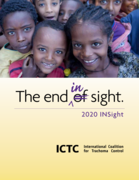
Trachoma is an eye infection that for thousands of years caused many people to go blind across all continents. As the result of development and targeted interventions, trachoma is now limited to an
...
estimated 57 countries, often affecting the poorest
populations of the world. Today, more than 2 million people are either blind or suffer from a very painful disability as the result of trachoma.
more
