
Filter
3006
Text search:
intensive
care
Featured
338
768
Language
2808
81
69
53
33
26
22
9
8
8
6
6
6
4
4
4
4
4
4
3
3
3
3
3
3
3
3
2
2
2
2
2
2
2
2
2
2
1
1
1
1
1
1
1
1
1
1
1
1
1
1
1
1
1
1
1
1
1
Document type
1664
476
456
151
101
71
31
30
11
5
3
3
1
Countries
178
96
79
77
76
64
57
55
53
45
44
42
40
40
40
37
37
36
35
33
33
30
29
27
27
24
24
23
23
22
21
19
19
19
17
16
14
14
14
13
13
13
11
11
11
10
10
10
9
9
9
8
7
7
6
6
6
6
6
6
6
6
6
5
5
5
5
4
4
4
4
4
4
3
3
3
3
3
3
3
3
3
3
3
2
2
2
2
2
2
2
2
2
2
2
2
2
2
2
2
2
1
1
1
1
1
1
1
1
1
1
1
1
1
1
1
1
1
1
1
Authors & Publishers
457
165
130
88
62
59
40
38
32
26
24
24
17
17
15
14
14
13
12
12
11
11
10
10
10
10
10
10
9
9
9
9
9
9
9
8
8
8
8
8
8
8
8
8
8
8
8
7
7
7
7
7
7
7
7
7
6
6
6
6
6
6
6
6
6
6
6
6
6
6
5
5
5
5
5
5
5
5
5
5
5
5
5
5
5
5
5
5
4
4
4
4
4
4
4
4
4
4
4
4
4
4
4
4
4
4
4
4
4
4
4
4
4
4
4
4
3
3
3
3
3
3
3
3
3
3
3
3
3
3
3
3
3
3
3
3
3
3
3
3
3
3
3
3
3
3
3
3
3
3
3
3
3
3
3
3
3
3
3
3
3
3
3
3
3
3
3
3
3
3
3
3
3
3
3
3
3
3
3
3
3
3
3
3
3
2
2
2
2
2
2
2
2
2
2
2
2
2
2
2
2
2
2
2
2
2
2
2
2
2
2
2
2
2
2
2
2
2
2
2
2
2
2
2
2
2
2
2
2
2
2
2
2
2
2
2
2
2
2
2
2
2
2
2
2
2
2
2
2
2
2
2
2
2
2
2
2
2
2
2
2
2
2
2
2
2
2
2
2
2
2
2
2
2
2
2
2
2
2
2
2
2
2
2
2
2
2
2
2
2
2
2
2
2
2
2
2
2
2
2
2
2
2
2
2
2
2
2
2
2
2
2
2
2
2
2
2
2
2
2
2
2
2
2
2
2
2
2
2
2
2
2
2
2
2
2
2
2
2
2
2
2
2
2
2
2
2
2
2
2
2
2
1
1
1
1
1
1
1
1
1
1
1
1
1
1
1
1
1
1
1
1
1
1
1
1
1
1
1
1
1
1
1
1
1
1
1
1
1
1
1
1
1
1
1
1
1
1
1
1
1
1
1
1
1
1
1
1
1
1
1
1
1
1
1
1
1
1
1
1
1
1
1
1
1
1
1
1
1
1
1
1
1
1
1
1
1
1
1
1
1
1
1
1
1
1
1
1
1
1
1
1
1
1
1
1
1
1
1
1
1
1
1
1
1
1
1
1
1
1
1
1
1
1
1
1
1
1
1
1
1
1
1
1
1
1
1
1
1
1
1
1
1
1
1
1
1
1
1
1
1
1
1
1
1
1
1
1
1
1
1
1
1
1
1
1
1
1
1
1
1
1
1
1
1
1
1
1
1
1
1
1
1
1
1
1
1
1
1
1
1
1
1
1
1
1
1
1
1
1
1
1
1
1
1
1
1
1
1
1
1
1
1
1
1
1
1
1
1
1
1
1
1
1
1
1
1
1
1
1
1
1
1
1
1
1
1
1
1
1
1
1
1
1
1
1
1
1
1
1
1
1
1
1
1
1
1
1
1
1
1
1
1
1
1
1
1
1
1
1
1
1
1
1
1
1
1
1
1
1
1
1
1
1
1
1
1
1
1
1
1
1
1
1
1
1
1
1
1
1
1
1
1
1
1
1
1
1
1
1
1
1
1
1
1
1
1
1
1
1
1
1
1
1
1
1
1
1
1
1
1
1
1
1
1
1
1
1
1
1
1
1
1
1
1
1
1
1
1
1
1
1
1
1
1
1
1
1
1
1
1
1
1
1
1
1
1
1
1
1
1
1
1
1
1
1
1
1
1
1
1
1
1
1
1
1
1
1
1
1
1
1
1
1
1
1
1
1
1
1
1
1
1
1
1
1
1
1
1
1
1
1
1
1
1
1
1
1
1
1
1
1
1
1
1
1
1
1
1
1
1
1
1
1
1
1
1
1
1
1
1
1
1
1
1
1
1
1
1
1
1
1
1
1
1
1
1
1
1
1
1
1
1
1
1
1
1
1
1
1
1
1
1
1
1
1
1
1
1
1
1
1
1
1
1
1
1
1
1
1
1
1
1
1
1
1
1
1
1
1
1
1
1
1
1
1
1
1
1
1
1
1
1
1
1
1
1
1
1
1
1
1
1
1
1
1
1
1
1
1
1
1
1
1
1
1
1
1
1
1
1
1
1
1
1
1
1
1
1
1
1
1
1
1
1
1
1
1
1
1
1
1
1
1
1
1
1
1
1
1
1
1
1
1
1
1
1
1
1
1
1
1
1
1
1
1
1
1
1
1
1
1
1
1
1
1
1
1
1
1
1
1
1
1
1
1
1
1
1
1
1
1
1
1
1
1
1
1
1
1
1
1
1
1
1
1
1
1
1
1
1
1
1
1
1
1
1
1
1
1
1
1
1
1
1
1
1
1
1
1
1
1
1
1
1
1
1
1
1
1
1
1
1
1
1
1
1
1
1
1
1
1
1
1
1
1
1
1
1
1
1
1
1
1
1
1
1
1
1
1
1
1
1
1
1
1
1
1
1
1
1
1
1
1
1
1
1
1
1
1
1
1
1
1
1
1
1
1
1
1
1
1
1
1
1
1
1
1
1
1
1
1
1
1
1
1
1
1
1
1
1
1
1
1
1
1
1
1
1
1
1
1
1
1
1
1
1
1
1
1
1
1
1
1
1
1
1
1
1
1
1
1
1
1
1
1
1
1
1
1
1
1
1
1
1
1
1
1
1
1
1
1
1
1
1
1
1
1
1
1
1
1
1
1
1
1
1
1
1
1
1
1
1
1
1
1
1
1
1
1
1
1
1
1
1
1
1
1
1
1
1
1
1
1
1
1
1
1
1
1
1
1
1
1
1
1
1
1
1
1
1
1
1
1
1
1
1
1
1
1
1
1
1
1
1
1
1
1
1
1
1
1
1
1
1
1
1
1
1
1
1
1
1
1
1
1
1
1
1
1
1
1
1
1
1
1
1
1
1
1
1
1
1
1
1
1
1
1
1
1
1
1
1
1
1
1
1
1
1
1
1
1
1
1
1
1
1
1
1
1
1
1
1
1
1
1
1
1
1
1
1
1
1
1
1
1
1
1
1
1
1
1
1
1
1
1
1
1
1
1
1
1
1
1
1
1
1
1
1
1
1
1
1
1
1
1
1
1
1
1
1
1
1
1
1
1
1
1
1
1
1
1
1
1
1
1
1
1
1
1
1
1
1
1
1
1
1
1
1
1
1
1
1
1
1
1
1
1
1
1
1
1
1
1
1
1
1
1
1
1
1
1
1
1
1
1
1
1
1
1
1
1
1
1
1
1
1
1
1
1
1
1
1
1
1
1
1
1
1
1
1
1
1
1
1
1
1
1
1
1
1
1
1
1
1
1
1
1
1
1
1
1
1
1
1
1
1
1
1
1
1
1
1
1
1
1
1
1
1
1
1
1
1
1
1
1
1
1
1
1
1
1
1
1
1
1
1
1
1
1
1
1
1
1
1
1
1
1
1
1
1
1
1
1
1
1
1
1
1
1
1
1
1
1
1
1
1
1
1
1
1
1
1
1
1
1
1
1
1
1
1
1
1
1
1
1
1
1
1
1
1
1
1
1
1
1
1
1
1
1
1
1
1
1
1
1
1
1
1
1
1
1
1
1
1
1
1
1
1
1
1
1
1
1
1
1
1
1
1
1
1
1
1
1
1
1
1
1
1
1
1
1
1
1
1
1
1
1
1
1
1
1
1
1
1
1
1
1
1
1
1
1
1
1
1
1
1
1
1
1
1
1
1
1
1
1
1
1
1
1
1
1
1
1
1
1
1
1
1
1
1
1
1
1
1
1
1
1
1
1
1
1
1
1
1
1
1
1
1
1
1
1
1
1
1
1
1
1
1
1
1
1
1
1
1
1
1
1
1
1
1
1
1
1
1
1
1
1
1
1
1
1
1
1
1
1
1
1
1
1
1
1
1
1
1
1
1
1
1
1
1
1
1
1
1
1
1
1
1
1
1
1
1
1
1
1
1
1
1
1
1
1
1
1
1
1
1
1
1
1
1
1
1
1
1
1
1
1
1
1
1
1
1
1
1
1
1
1
1
1
1
1
1
1
1
1
1
1
1
1
1
1
1
1
1
1
1
1
1
1
1
1
1
1
1
1
1
1
1
1
1
1
1
1
1
1
1
1
1
1
1
1
1
1
1
1
1
1
1
1
1
1
1
1
1
1
1
1
1
1
1
1
1
1
1
1
1
1
1
1
1
1
1
1
1
1
1
1
1
1
1
1
1
1
1
1
1
1
1
1
1
1
1
1
1
1
1
1
1
1
1
1
1
1
1
1
1
1
1
1
1
1
1
1
1
1
1
1
1
1
1
1
1
1
1
1
1
1
1
1
1
1
1
1
1
1
1
1
1
1
1
1
1
1
1
1
1
1
1
1
1
1
1
1
1
1
1
1
1
1
1
1
1
1
1
1
1
1
1
1
1
1
1
1
1
1
1
1
1
1
1
1
1
1
1
1
1
1
1
1
1
1
1
1
1
1
1
1
1
1
1
1
1
1
1
1
1
1
1
1
1
1
1
1
1
1
1
1
1
1
1
1
1
1
1
1
1
1
1
1
1
1
1
1
1
1
1
1
1
1
1
1
1
1
1
1
1
1
1
1
1
1
1
1
1
1
1
1
1
1
1
1
1
1
1
1
1
1
1
1
1
1
1
1
1
1
1
1
1
1
1
1
1
1
1
1
1
1
1
1
1
1
1
1
1
1
1
1
1
1
1
1
1
1
1
1
1
1
1
1
1
1
1
1
1
1
1
1
1
1
1
1
1
1
1
1
1
1
1
1
1
1
1
1
1
1
1
1
1
1
1
1
1
1
1
1
1
1
1
1
1
1
1
1
1
1
1
1
1
1
1
1
1
1
1
1
1
1
1
1
1
1
1
1
1
1
1
1
1
1
1
1
1
1
1
1
1
1
1
1
1
1
1
1
1
1
1
1
1
1
1
1
1
1
1
1
1
1
1
1
1
1
1
1
1
1
1
1
1
1
1
1
1
1
1
1
1
1
1
1
1
1
1
1
1
1
1
1
1
1
1
1
1
1
1
1
1
1
1
1
1
1
1
1
1
1
1
1
1
1
1
1
1
1
1
1
1
1
1
1
1
1
1
1
1
1
1
1
1
1
1
1
1
1
1
1
1
1
1
1
1
1
1
1
1
1
1
1
1
1
1
1
1
1
1
1
1
1
1
1
1
1
1
1
1
1
1
1
1
1
1
1
1
1
1
1
1
1
1
1
1
1
1
1
1
1
1
1
1
1
1
1
1
1
1
1
1
1
1
1
1
1
1
1
1
1
1
1
1
1
1
1
1
1
1
1
1
1
1
1
1
1
1
1
1
1
1
1
1
1
1
1
1
1
1
1
1
1
1
1
1
1
1
1
1
1
1
1
1
1
1
1
1
1
1
1
1
1
1
1
1
1
1
1
1
1
1
1
1
1
1
1
1
1
1
1
1
1
1
1
1
1
1
1
1
1
1
1
1
1
1
1
1
1
1
1
1
1
1
1
1
1
1
1
1
1
1
1
1
1
1
1
1
1
1
1
1
1
1
1
1
1
1
1
1
1
1
1
1
1
1
1
1
1
1
1
1
1
1
1
1
1
1
1
1
1
1
1
1
1
1
1
1
1
1
1
1
1
1
1
1
1
1
1
1
1
1
1
1
1
1
1
1
1
1
1
1
1
1
1
1
1
1
1
1
1
1
1
1
1
1
1
1
1
1
1
1
1
1
1
1
1
1
1
1
1
1
1
1
1
1
1
1
1
1
1
1
1
1
1
1
1
1
1
1
1
1
1
1
1
1
1
1
1
1
1
1
1
1
1
1
1
1
1
1
1
1
1
1
1
1
1
1
1
1
1
1
1
1
1
1
1
1
1
1
1
1
1
1
1
1
1
1
1
1
1
1
1
1
1
1
1
1
1
1
1
1
1
1
1
1
1
1
1
1
1
Publication Years
853
1825
313
13
1
1
Category
1112
300
148
146
92
48
25
2
1
1
Toolboxes
381
237
207
172
134
112
111
95
91
79
79
57
48
45
42
35
22
21
20
16
15
13
13
2
1
Ce document d'orientation explique comment la distance physique (désignée dans les documents d'orientation précédents sous le nom de «distance sociale») peut aider à ralentir la transmission.
The waves of yellow fever transmission in the Region of the Americas in 2016–2018 involved the largest number of human and epizootic cases to be reported in several decades. Yellow fever is a serious viral hemorrhagic disease that poses a challenge for health professionals. It requires early recog
...
nition of signs and symptoms, which are often nonspecific, and it can mimic other acute febrile syndromes. Early detection of suspected or confirmed cases, monitoring of vital signs, life support measures, and treatment of acute kidney failure continue to be the recommended strategies for case management. This report is the result of discussions among experienced specialists in the Americas on the clinical management of yellow fever patients, especially during outbreaks and epidemics, in the context of current medical and scientific evidence and taking into account the technical guidelines already available in the countries of the Region. It includes flowcharts for initially addressing patients with clinical suspicion of yellow fever and proposes a minimum package of laboratory tests that may be useful in contexts where resources are limited. In addition, it considers aspects of health system organization for dealing with yellow fever outbreaks and epidemics.
more

The arrival of COVID-19 in Afghanistan has brought heartache to millions of people who are now battling a deadly pandemic while simultaneously fighting for their survival amid poverty, disaster and war. Over my three years as Humanitarian Coordinator, I have marvelled at the resilience of the people
...
of this country to cope with the hardships of life in the world’s deadliest conflict – but even this remarkable strength is now being tested by the health, social and economic consequences of COVID-19. The virus is spreading across the country with frightening speed. Every province is now impacted, and people are understandably frightened.
more
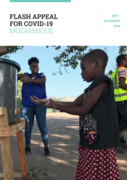
The first case of COVID-19 was reported in Mozambique on 22 March 2020. As of 26 May, Mozambique had 194 confirmed cases of COVID-19, of which 168 were locally transmitted. The country’s capital, Maputo, and the province of Cabo Delgado are currently the epicentres of the outbreak in Mozambique, w
...
ith Pemba and Afungi registering more than 50 percent of the overall cases. Other provinces affected are Manica, Inhambane, Gaza, Tete and Sofala.
more
The United Nations Network on Migration is committed to supporting all partners in pursuit of the implementation of the Global Compact for Safe, Orderly and Regular Migration, recognizing that this cooperative framework provides an invaluable tool for ensuring inclusive, collective responses to COVI
...
D-19 and its impact.
To that end, this briefing is part of a series by the Network looking at different aspects of the COVID-19 pandemic and how they relate to migrants and their communities. The document provides practical guidance to States and other stakeholders for an improved common understanding of safe and inclusive access to services for migrants. The brief makes the case for enhanced access to services for migrants in the context of COVID-19 preparedness, prevention, and response – and beyond.
more
This document outlines minimum requirements of laboratory testing for COVID-19 and link laboratory testing with surveillance and contact tracing to guide the outbreak response by national health authorities using a reduced number of tests performed. The strategies are organized according to stages o
...
f transmission: (1) No cases reported or observed (Stage 0); (2) Imported cases (Stage 1); (3) Localized community transmission (Stage 2); (4) Large-scale community transmission (Stage 3). For each stage, the recommended approaches indicate which testing strategy to prioritize when there are severe limitations on laboratory testing. The document is based on the current epidemiology of COVID-19 and available molecular testing methods.
more
Practical actions in cities to strengthen preparedness for the COVID-19 pandemic and beyond
recommended
This document accompanies the interim guidance on “Strengthening Preparedness for COVID-19 in cities and urban settings”. It provides local authorities, leaders and policy-makers in cities with a checklist tool to ensure that key areas have been covered. An excel version that local authorities m
...
ay wish to adapt to meet their needs is also available. It allows filtering by steps of action; suggested domains and responsible teams within local governments for each action; and phase(s) of the emergency management cycle.
more
Sudan recorded the first COVID-19 case on 13 March 2020 and, at the beginning of July, the Federal Ministry of Health had confirmed that nearly 10,000 people had contracted the virus, including over 600 who died from the disease across the country. Although more than 70 per cent of the confirmed cas
...
es are in the Khartoum area, COVID-19 has spread throughout the country, with the highest numbers recorded in the central and eastern states. With extremely low testing capacity — around 800 samples per day, the lowest in the region — the official figures of confirmed cases likely underestimate the extent of the pandemic and the actual situation is unknown.
more
Aligned to the Lancet Migration Global Statementto include migrants and refugees incountries’response toCOVID-192, this brief focuses onGreece’s challenges and opportunities to build an inclusive response. Asylum seekers and refugees in Greece are currently placed by the Greek governments in Rec
...
eption and Identification Centres(RICs), apartments, hotels and camps across the Greek islands and the mainland, along with a proportion who are homeless. Currently there are six RICson the Greek islands: Vial on Chios island; Pyli on Kos island; Lepida on Leros island; Moria on Lesvos island; and Vathy on Samos, as well asan unofficial camp on Rhodes. Inaddition there are 18 camps in the northern mainland of Greece; 13 camps in the southern mainland of Greece and one in the southern peninsula (Peloponnese).
more
he pandemic has produced an unprecedented economic and social crisis, and it could generate a food, humanitarian, and political crisis if urgent measures are not taken. The policy options for addressing the pandemic entail consolidating national plans and achieving intersectoral consensus. The respo
...
nse should be structured in three nonlinear and interrelated phases—control, reactivation, and rebuilding—involving the participation of technical actors representing not only the field of health but also other social and economic areas. Measures implemented to control the pandemic as well as measures for the reactivation and rebuilding phases will require increased public investment in health until the recommended parameters are achieved.
more
For COVID-19, as for many infectious diseases, the true level of transmission is frequently underestimated because a substantial proportion of people with the infection are undetected either because they are asymptomatic or have only mild symptoms and thus typically fail to present at healthcare fac
...
ilities. There may also be neglected or under-served segments of the population who are less likely to access healthcare or testing. Under-detection of cases may be exacerbated during an epidemic, when testing capacity may be limited and restricted to people with severe cases and priority risk groups (such as frontline healthcare workers, elderly people and people with comorbidities). Cases may also be misdiagnosed and attributed to other diseases with similar clinical presentation, such as influenza.
Differences in mortality between groups of people and countries are important proxy indicators of relative risk of death that guide policy decisions regarding scarce medical resource allocation during the ongoing COVID-19 pandemic. This document is intended to help countries estimate CFR and, if possible, IFR, as appropriately and accurately as possible, while accounting for possible biases in their estimation
more
This brief document compiles existing material related to mental health and psychosocial support (MHPSS) for the COVID-19 crisis, as well as other resources that can be applicable to the context. Documents are divided into different sections, based on the ‘’spaces of new vulnerability” inheren
...
t to some IOM programmes although many of them are applicable to other areas. They cover both mainstreaming of MHPSS and specific actions.
MHPSS managers will also find guidance on how to address the less technical and more managerial and programmatic issues related with the pandemic, including programme redefinition, surge capacity and how to manage demands to provide staff support to colleagues in the same missions
more
The recommendation in this document thus supersedes the previous WHO recommendation for the prevention of PPH as published in the 2012 guideline, WHO recommendations for the prevention and treatment of postpartum haemorrhage.
The pandemic presents tough choices for governments, local communities, health and school systems, as well as families and businesses: How to re-open safely? How to safeguard people’s lives and protect their livelihoods? Where to allocate scarce resources? How to protect those unable to protect th
...
emselves? Answers to questions like these will affect our short-term success in battling the spread of the virus and could have impacts for generations to come.
More than ever, the world needs reliable and trustworthy data and statistics to inform these important decisions. The United Nations and all member organizations of the Committee for the Coordination of Statistical Activities (CCSA) collect and make available a wealth of information for assessing the multifaceted impacts of the pandemic. This report updates some of the global and regional trends presented in Volume I and offers a snapshot of how COVID-19 continues to affect the world today across multiple domains.
more
Sepsis contributes significantly to preventable mortality and is the final common pathway to death for severe infectious diseases; it can also arise as a complication of injuries and non-communicable diseases.
The recommendation in this document thus supersedes the previous WHO recommendation for the prevention of PPH as published in the 2012 guideline
The recommendation in this document thus supersedes the previous WHO recommendation for the prevention of PPH as published in the 2012 guideline, WHO recommendations for the prevention and treatment of postpartum haemorrhage.
