
Filter
2604
Text search:
community
mobilization
Featured
218
911
Language
2519
57
37
30
20
16
12
6
3
3
2
2
2
2
1
1
1
1
1
1
1
1
1
1
1
1
1
1
1
1
1
Document type
1707
288
233
168
106
43
31
17
4
3
2
Countries
113
109
105
93
91
91
88
73
67
54
52
50
48
42
40
40
40
38
37
37
28
28
27
24
23
22
21
21
21
21
20
19
18
18
17
14
14
13
13
13
12
11
11
11
10
9
9
8
8
8
7
7
7
7
7
7
6
6
6
6
6
5
5
5
5
4
4
4
4
4
4
3
3
3
3
3
3
3
3
2
2
2
2
2
2
2
2
2
2
1
1
1
1
1
1
1
1
1
1
1
1
1
1
1
1
1
1
1
1
1
1
1
1
1
1
1
Authors & Publishers
287
153
89
87
83
76
67
66
47
36
29
26
19
17
17
16
16
15
15
14
14
14
13
13
13
13
12
12
12
12
10
10
10
10
10
10
9
9
9
9
8
8
8
8
8
8
8
8
8
8
8
7
7
7
7
7
7
7
7
7
7
7
7
7
6
6
6
6
6
6
6
6
6
6
6
6
6
6
5
5
5
5
5
5
5
5
5
5
5
5
5
4
4
4
4
4
4
4
4
4
4
4
4
4
4
4
4
4
4
4
4
4
4
3
3
3
3
3
3
3
3
3
3
3
3
3
3
3
3
3
3
3
3
3
3
3
3
3
3
3
3
3
3
3
3
3
3
3
3
3
3
3
3
3
3
3
3
3
3
3
3
3
3
3
3
3
3
3
3
3
3
3
3
3
3
3
2
2
2
2
2
2
2
2
2
2
2
2
2
2
2
2
2
2
2
2
2
2
2
2
2
2
2
2
2
2
2
2
2
2
2
2
2
2
2
2
2
2
2
2
2
2
2
2
2
2
2
2
2
2
2
2
2
2
2
2
2
2
2
2
2
2
2
2
2
2
2
2
2
2
2
2
2
2
2
2
2
2
2
2
2
2
2
2
2
2
2
2
2
2
2
2
2
2
2
2
2
2
2
2
2
2
2
2
2
2
2
2
2
2
2
2
2
2
2
2
2
2
2
2
2
2
2
2
2
2
2
2
2
2
2
2
2
2
2
2
2
2
2
2
2
2
2
2
2
2
1
1
1
1
1
1
1
1
1
1
1
1
1
1
1
1
1
1
1
1
1
1
1
1
1
1
1
1
1
1
1
1
1
1
1
1
1
1
1
1
1
1
1
1
1
1
1
1
1
1
1
1
1
1
1
1
1
1
1
1
1
1
1
1
1
1
1
1
1
1
1
1
1
1
1
1
1
1
1
1
1
1
1
1
1
1
1
1
1
1
1
1
1
1
1
1
1
1
1
1
1
1
1
1
1
1
1
1
1
1
1
1
1
1
1
1
1
1
1
1
1
1
1
1
1
1
1
1
1
1
1
1
1
1
1
1
1
1
1
1
1
1
1
1
1
1
1
1
1
1
1
1
1
1
1
1
1
1
1
1
1
1
1
1
1
1
1
1
1
1
1
1
1
1
1
1
1
1
1
1
1
1
1
1
1
1
1
1
1
1
1
1
1
1
1
1
1
1
1
1
1
1
1
1
1
1
1
1
1
1
1
1
1
1
1
1
1
1
1
1
1
1
1
1
1
1
1
1
1
1
1
1
1
1
1
1
1
1
1
1
1
1
1
1
1
1
1
1
1
1
1
1
1
1
1
1
1
1
1
1
1
1
1
1
1
1
1
1
1
1
1
1
1
1
1
1
1
1
1
1
1
1
1
1
1
1
1
1
1
1
1
1
1
1
1
1
1
1
1
1
1
1
1
1
1
1
1
1
1
1
1
1
1
1
1
1
1
1
1
1
1
1
1
1
1
1
1
1
1
1
1
1
1
1
1
1
1
1
1
1
1
1
1
1
1
1
1
1
1
1
1
1
1
1
1
1
1
1
1
1
1
1
1
1
1
1
1
1
1
1
1
1
1
1
1
1
1
1
1
1
1
1
1
1
1
1
1
1
1
1
1
1
1
1
1
1
1
1
1
1
1
1
1
1
1
1
1
1
1
1
1
1
1
1
1
1
1
1
1
1
1
1
1
1
1
1
1
1
1
1
1
1
1
1
1
1
1
1
1
1
1
1
1
1
1
1
1
1
1
1
1
1
1
1
1
1
1
1
1
1
1
1
1
1
1
1
1
1
1
1
1
1
1
1
1
1
1
1
1
1
1
1
1
1
1
1
1
1
1
1
1
1
1
1
1
1
1
1
1
1
1
1
1
1
1
1
1
1
1
1
1
1
1
1
1
1
1
1
1
1
1
1
1
1
1
1
1
1
1
1
1
1
1
1
1
1
1
1
1
1
1
1
1
1
1
1
1
1
1
1
1
1
1
1
1
1
1
1
1
1
1
1
1
1
1
1
1
1
1
1
1
1
1
1
1
1
1
1
1
1
1
1
1
1
1
1
1
1
1
1
1
1
1
1
1
1
1
1
1
1
1
1
1
1
1
1
1
1
1
1
1
1
1
1
1
1
1
1
1
1
1
1
1
1
1
1
1
1
1
1
1
1
1
1
1
1
1
1
1
1
1
1
1
1
1
1
1
1
1
1
1
1
1
1
1
1
1
1
1
1
1
1
1
1
1
1
1
1
1
1
1
1
1
1
1
1
1
1
1
1
1
1
1
1
1
1
1
1
1
1
1
1
1
1
1
1
1
1
1
1
1
1
1
1
1
1
1
1
1
1
1
1
1
1
1
1
1
1
1
1
1
1
1
1
1
1
1
1
1
1
1
1
1
1
1
1
1
1
1
1
1
1
1
1
1
1
1
1
1
1
1
1
1
1
1
1
1
1
1
1
1
1
1
1
1
1
1
1
1
1
1
1
1
1
1
1
1
1
1
1
1
1
1
1
1
1
1
1
1
1
1
1
1
1
1
1
1
1
1
1
1
1
1
1
1
1
1
1
1
1
1
1
1
1
1
1
1
1
1
1
1
1
1
1
1
1
1
1
1
1
1
1
1
1
1
1
1
1
1
1
1
1
1
1
1
1
1
1
1
1
1
1
1
1
1
1
1
1
1
1
1
1
1
1
1
1
1
1
1
1
1
1
1
1
1
1
1
1
1
1
1
1
1
1
1
1
1
1
1
1
1
1
1
1
1
1
1
1
1
1
1
1
1
1
1
1
1
1
1
1
1
1
1
1
1
1
1
1
1
1
1
1
1
1
1
1
1
1
1
1
1
1
1
1
1
1
1
1
1
1
1
1
1
1
1
1
1
1
1
1
1
1
1
1
1
1
1
1
1
1
1
1
1
1
1
1
1
1
1
1
1
1
1
1
1
1
1
1
1
1
1
1
1
1
1
1
1
1
1
1
1
1
1
1
1
1
1
1
1
1
1
1
1
1
1
1
1
1
1
1
1
1
1
1
1
1
1
1
1
1
1
1
1
1
1
1
1
1
1
1
1
1
1
1
1
1
1
1
1
1
1
1
1
1
1
1
1
1
1
1
1
1
1
1
1
1
1
1
1
1
1
1
1
1
1
1
1
1
1
1
1
1
1
1
1
1
1
1
1
1
1
1
1
1
1
1
1
1
1
1
1
1
1
1
1
1
1
1
1
1
1
1
1
1
1
1
1
1
1
1
1
1
1
1
1
1
1
1
1
1
1
1
1
1
1
1
1
1
1
1
1
1
1
1
1
1
1
1
1
1
1
1
1
1
1
1
1
1
1
1
1
1
1
1
1
1
1
1
1
1
1
1
1
1
1
1
1
1
1
1
1
1
1
1
1
1
1
1
1
1
1
1
1
1
1
1
1
1
1
1
1
1
1
1
1
1
1
1
1
1
1
1
1
1
1
1
1
1
1
1
1
1
1
1
1
1
1
1
1
1
1
1
1
1
1
1
1
1
1
1
1
1
1
1
1
1
1
1
1
1
1
1
1
1
1
1
1
1
1
1
1
1
1
1
1
1
1
1
1
1
1
1
1
1
1
1
1
1
1
1
1
1
1
1
1
1
1
1
1
1
1
1
1
1
1
1
1
1
1
1
1
1
1
1
1
1
1
1
1
1
1
1
1
1
1
1
1
1
1
1
1
1
1
1
1
1
1
1
1
1
1
1
1
1
1
1
1
1
1
1
1
1
1
1
1
1
1
1
1
1
1
1
1
1
1
1
1
1
1
1
1
1
1
1
1
1
1
1
1
1
1
1
1
1
1
1
1
1
1
1
1
1
1
1
1
1
1
1
1
1
1
1
1
1
1
1
1
1
1
1
1
1
1
1
1
1
1
1
1
1
1
1
1
1
1
1
1
1
1
1
1
1
1
1
1
1
1
1
1
1
1
1
1
1
1
1
1
1
1
1
1
1
1
1
1
1
1
1
1
1
1
1
1
1
1
1
1
1
1
1
1
1
1
1
1
1
1
1
1
1
1
1
1
1
1
1
1
1
1
1
1
1
1
1
1
1
1
1
1
1
1
1
1
1
1
1
1
1
1
1
1
1
1
1
1
1
1
1
1
1
1
1
1
1
1
1
1
1
1
1
1
1
1
1
1
1
1
1
1
1
1
1
1
1
1
1
1
1
1
1
1
1
1
1
1
1
1
1
1
1
1
1
1
1
1
1
1
1
1
1
1
1
1
1
1
1
1
1
Publication Years
565
1779
253
7
Category
1217
153
124
107
106
41
5
4
1
Toolboxes
193
176
158
131
129
92
80
63
59
59
58
54
46
37
34
30
28
25
25
14
10
10
3
3
1
1
Background paper for the Oslo Summit on Education for Development
Guidance | Preparedness - Response and early recovery - Recovery and reconstruction
Epilepsy is one of the world’s most common chronic neurological disorders. Roughly 50 million people
suffer from it, 5 million of them in the Region of the Americas . Nevertheless, it is estimated that over
50% of these people in Latin America and the Caribbean have no access to services. Furthe
...
rmore,
the stigma attached to people with epilepsy is a barrier to the exercise of their human rights and social
integration.
more
First Edition~ This self advocacy toolkit for persons with mental, neurological and substance abuse disorders, developed by Basic Needs and CBM, is the end product of an action research intervention that tracked and documented processes for Self Advocacy in low resourced communities of Uganda. Th
...
is toolkit presents simple and easy to apply principals and is a replica of good practices identified in the Consumer empowerment project implemented by BasicNeeds UK in Uganda between April 2005 and March 2008.
more
Joint Radiation Emergency Management Plan of the International Organizations
International Atomic Energy Agency
(2017)
C1
This Joint Emergency Management Plan of the International Organizations (Joint Plan) describes the
interagency framework of preparedness for and response to an actual, potential or perceived nuclear or
radiological emergency independent of whether it arises from an acci
...
dent, natural disaster, negligence, nuclear
security event or any other cause.
more
Guidance | Preparedness - Response and early recovery - Recovery and reconstruction
Guidance | Preparedness - Response and early recovery - Recovery and reconstruction
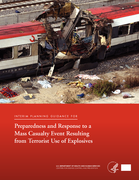
The purpose of this interim guidance is to provide information and insight to assist public policy and
health system leaders in preparing for and responding to an MCE caused by terrorist use of explosives
(TUE). This document provides practical information to promote comprehensive mass casualty ca
...
re
in the event of a TUE event and focuses on two areas:
1. leadership in preparing for and responding to a TUE event, and
2. effective care of patients in the prehospital and hospital environments during a TUE event.
more
Mounting an effective international humanitarian response to a chemical, biological, radiological or nuclear (CBRN) event, especially if the response is undertaken on an ad hoc basis, would be extremely difficult and would pose many risks to the responders. The International Committee of the Red Cro
...
ss (ICRC) has created a competency-based capacity to respond to at least small-scale CBRN events, including a deployable capability to undertake operational activities. This involves informed assessments of CBRN risks, timely and competent decisions on how to respond, and effectively mobilizing appropriate resources to implement these decisions, through the creation of an emergency roster. In addition to the acquisition of technical expertise and material resources, the creation of such capacity requires the application of central processes, ensuring systematic management of CBRN response (including risk-based decision-making), standing operational procedures, and availability of and access to the necessary resources. Implementation of the ICRC's CBRN response framework as described in this article should be considered by any agency or other stakeholder preparing for international humanitarian assistance in CBRN events – especially if such events are related to armed conflict.
more
For biological agents, the publication covers 11 bacteria,
fungi and viruses listed by states parties to the Biological
Weapons Convention in declarations of past offensive
research and development programmes, or considered of
special concern for possible use in terrorism. All of these
agents c
...
an cause natural disease in humans, though with
markedly different frequency.
more
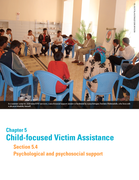

you can find all 14 Technical Booklets on Inclusive Education, produced by UNICEF, in ENGLISH. Other versions can be found on the website https://www.ded4inclusion.com/inclusive-education-resources-free/unicef-inclusive-education-booklets-and-webinars-english-version. Each Technical Booklet (and com
...
panion webinar) introduces a sub-theme of particular interest within Inclusive Education, and each was written by an expert, and peer-reviewed widely
more
Background paper for the Oslo Summit on Education for Development.
This paper covers the four topics of the Oslo Summit: investment in education, quality of learning, education in emergencies and girls’ education. Disability continues to be one of the primary causes of educational disadvantage a
...
nd exclusion,
creating the largest single group of girls and boys who remain out of school. Even in those countries
close to achieving universal primary enrolment, children with disabilities are still not in school,accessing opportunities to meaningful employment and on sustainable routes out of poverty
more

The strategic plan reflects shared commitments to enhance collaboration between environmental, animal (wildlife and domestic) and human health, and building new One Health workforce capacity through higher institutions of learning. The strategy also outlines interventions to be undertaken by governm
...
ent institutions and other partners to enhance existing structures and pool together additional resources to prevent and control zoonotic diseases and other events of public health importance. Successful implementation of the strategy will contribute to the realization of vision 2020 by improving public health, food safety and security, and hence significantly improve the socioeconomic status of the people of Rwanda. It is in this regard that we call upon implementing institutions, bilateral and multilateral partners, civil society and the private sector to join us in implementing the One Health strategy in Rwanda.
more

2016 Update
Key population

A Focus on the Journey to Self-Reliance for Preventing Child and Maternal Deaths . June 2018
The 2018 Acting on the Call report focuses on 25 countries’ journeys to self-reliance for preventing child and maternal deaths. Self-reliance is a country’s ability to finance and implement solution ... s to its own development challenges. Understanding where countries lie on this effort - known as the journey to self-reliance - helps USAID to best partner with countries and support their efforts.
The report looks at the health status of 25 priority countries as well as the current capacity of the health system to meet the needs of women and children. In the report, we recount progress since the 2012 Call to Action as well as identify gaps in order to inform future programming and areas that need strengthening during the journey to self-reliance. For the first time ever, we’ve calculated the return on our investment to eliminate bottlenecks to improving health services. more
The 2018 Acting on the Call report focuses on 25 countries’ journeys to self-reliance for preventing child and maternal deaths. Self-reliance is a country’s ability to finance and implement solution ... s to its own development challenges. Understanding where countries lie on this effort - known as the journey to self-reliance - helps USAID to best partner with countries and support their efforts.
The report looks at the health status of 25 priority countries as well as the current capacity of the health system to meet the needs of women and children. In the report, we recount progress since the 2012 Call to Action as well as identify gaps in order to inform future programming and areas that need strengthening during the journey to self-reliance. For the first time ever, we’ve calculated the return on our investment to eliminate bottlenecks to improving health services. more

Robust clinical research capacity in low- and middle-income countries is key to stemming the spread of epidemics, according to a new report from the International Vaccines Task Force (IVTF). The report lays out how to develop the political support, financing and coordination required to build this c
...
apacity as a crucial component of global epidemic preparedness. The IVTF was convened by the World Bank Group (WBG) and the Coalition for Epidemic Preparedness Innovations (CEPI) in October 2017.
more

The Third Rwandan Health Sector Strategic Plan (HSSP III) provides strategic guidance to the health sector for six years, between July 2012 and June 2018. HSSP III has been inspired and guided by the VISION 2020, which will make Rwanda a lower-middle-income country by 2020; the Rwandan Health Policy
...
of 2004; and the priorities set out by the Economic Development and Poverty Reduction Strategy (EDPRS 2008–2012).
more
