Filter
1676
Filtered Results: 1676
Text search:
women's
empowerment
Featured
Recommendations
94
New Publications
511
Language
Document type
No document type
1107
Studies & Reports
284
Guidelines
98
Manuals
73
Strategic & Response Plan
62
Training Material
21
Fact sheets
12
Situation Updates
9
Infographics
5
Resource Platforms
4
App
1
Countries / Regions
India
100
Global
62
Ethiopia
60
Myanmar / Burma
55
Nepal
52
Kenya
47
Bangladesh
44
Uganda
40
Rwanda
40
Zambia
37
Liberia
35
Nigeria
33
Sierra Leone
31
Malawi
31
Tanzania
30
Indonesia
29
South Africa
28
Syria
27
Philippines
25
Ghana
23
Cambodia
21
Latin America and the Carribbean
19
Africa
19
Lesotho
17
Mozambique
13
Senegal
12
Congo, Democratic Republic of
12
Zimbabwe
12
South Sudan
12
Lebanon
11
Ukraine
11
Asia
11
Guinea
10
Haiti
10
Namibia
10
South–East Asia Region
10
Western and Central Europe
10
Yemen
9
Somalia
7
Burkina Faso
6
Pakistan
6
Jordan
6
Germany
6
Thailand
6
East and Southern Africa
6
Laos
6
Mali
5
Sudan
5
Central African Republic
5
Eswatini/ Swaziland
5
Brazil
5
Middle East and North Africa
5
Vietnam
5
Cameroon
4
Botswana
4
Western Pacific Region
4
Eastern Europe
4
Moldova
4
Egypt
3
Benin
3
Albania
3
Tajikistan
3
Russia
3
Guinea-Bissau
2
Iraq
2
Afghanistan
2
Malaysia
2
Papua New Guinea
2
Burundi
2
Sri Lanka
2
West and Central Africa
2
Eastern Europe and Central Asia
2
Canada
2
Côte d’Ivoire / Ivory Coast
1
Niger
1
Togo
1
Turkey
1
Chad
1
Gambia
1
Ireland
1
Singapore
1
Honduras
1
Libya
1
Angola
1
Guatemala
1
Chile
1
Fiji
1
Palestine
1
Djibouti
1
Southern Africa
1
Estonia
1
Lithuania
1
Iran
1
Maldives
1
Mauritius
1
Authors & Publishers
Publication Years
Category
Countries
782
Women & Child Health
138
Public Health
104
Key Resources
47
Clinical Guidelines
39
Capacity Building
27
Toolboxes
HIV
179
Disability
148
Mental Health
124
COVID-19
71
Planetary Health
58
Conflict
53
Caregiver
40
Global Health Education
39
Refugee
37
NTDs
29
TB
27
Ebola
20
Natural Hazards
17
Health Financing Toolbox
12
NCDs
10
Rapid Response
6
Zika
5
AMR
5
Social Ethics
5
Polio
4
Specific Hazards
3
Pharmacy
3
Cholera
2
Typhoon
1
WHO clinical and policy guidelines
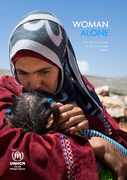
Report commissioned by the IASC Inter-Agency Humanitarian Evaluations Steering Group as part of the Syria Coordinated Accountability and Lessons Learning Initiative
This Framework offers a coherent approach for eliminating tuberculosis (TB) in low-incidence countries. It is designed to guide national policy-makers and those responsible for technical aspects of the national TB response in accelerating efforts towards elimination. The document will also be inform...
The Global status report on violence prevention 2014, which reflects data from 133 countries, is the first report of its kind to assess national efforts to address interpersonal violence, namely child maltreatment, youth violence, intimate partner and sexual violence, and elder abuse. Jointly publis...
Biennial Report. SUBMITTED TO THE UNITED NATIONS GENERAL ASSEMBLY SPECIAL SESSION ON HIV AND AIDS
Reporting period: January 2012 – December 2013
Strengthening HIV prevention among most-at-risk populations (MARPs) in the Syrian Arab Republic:
The growing problem of child marriage among Syrian girls in Jordan
A call for national and regional containment, recovery and prevention
The building damage assessment, conducted between March 2010 and February 2011 by the Government of Haiti and the United Nations system, showed that more than 400,000 buildings were damaged or destroyed, of which approximately 218,000 could be occupied without repairs (green category), 105,000 were ...
The funding requested in this supplementary appeal will enable UNHCR to enhance preventive, preparedness and response measures against EVD, participate in the regional and country inter-agency response and ensure continuity of operations, including preparations for the resumption of the voluntary re...