
Filter
1820
Text search:
gender-based
Featured
148
523
Language
Document type
1043
327
147
111
78
40
34
18
15
4
2
1
Countries
80
74
67
50
48
47
41
41
40
40
37
33
32
32
32
31
30
29
29
27
24
23
20
20
20
18
17
16
16
16
14
13
13
13
13
13
12
12
11
9
9
9
9
9
8
8
8
8
7
7
7
7
7
6
5
5
5
5
5
5
5
4
4
3
3
3
3
3
3
3
2
2
2
2
2
2
2
2
2
2
2
2
2
2
2
2
2
1
1
1
1
1
1
1
1
1
1
1
1
1
1
1
1
1
1
1
1
1
1
1
1
1
1
1
1
Authors & Publishers
Publication Years
Category
775
177
68
66
38
35
4
2
Toolboxes
230
208
186
132
100
100
41
31
22
21
18
15
13
8
4
3
3
2
2
2
2
2
1
1
1
1
Constituting the second part of the World Drug Report 2022, the present booklet contains an overview of the global demand for and supply of drugs.
The first chapter of the booklet begins with the latest estimates of the number of people who use drugs, the distribution of those users by type of drug
...
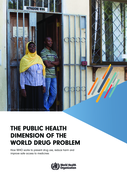
How WHO works to prevent drug use, reduce harm and improve safe access to medicines
Putting Asia’s HIV response back on track
Accessed: 08.11.2020
UNAIDS Series: Engaging uniformed services in the fight against AIDS - Case Study 1
Fighting AIDS
Inter-Agency Task Team on HIV and Young People
Guidance Brief
Accessed: 09.11.2019
Vision 2030
Accessed: 17.11.2019
Accessed: 17.11.2019

UNAIDS 2018 / Guidance
Guidance for policy-makers, and people living with, at risk of or affected by HIV
Translating Community Research Into Global Policy Reform For National Action: A Checklist For Community Engagement To Implement The WHO Consolidated Guideline On The Sexual And Reproductive Health And Rights Of Women Living With HIV
3rd edition | December 2018
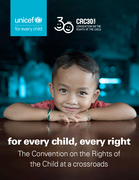
Thirty years ago, the United Nations General Assembly adopted the Convention on the Rights of the Child at a moment of rapid global change marked by the end of apartheid, the fall of the Berlin Wall and the birth of the World Wide Web. These developments and more brought momentous and lasting evolut
...
Educação em movimento
Education on the move
UNAIDS 2016 / Meeting Report
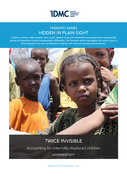
Internally displaced children are twice invisible in global and national data. First, because internally displaced people (IDPs) of all ages are often unaccounted for. Second, because age-disaggregation of any kind of data is limited, and even more so for IDPs.
Planning adequate responses to meet
...
