Filter
1553
Text search:
census
Featured
64
618
Language
1495
36
18
8
7
5
4
3
2
1
1
1
1
1
1
1
1
1
1
1
1
1
1
Document type
1183
222
58
36
30
13
6
2
2
1
Countries
119
83
79
67
59
56
54
49
45
44
43
43
37
36
34
31
31
29
28
22
21
21
20
20
17
17
16
13
13
12
11
10
9
8
8
8
8
7
7
6
5
5
5
5
5
5
4
4
4
4
4
4
4
4
3
3
3
3
3
3
3
2
2
2
2
2
2
2
2
2
2
2
2
2
2
2
2
2
2
2
1
1
1
1
1
1
1
1
1
1
1
1
1
1
1
1
1
1
1
1
1
1
1
1
1
Authors & Publishers
69
66
49
38
29
28
25
24
18
16
16
13
11
11
10
10
10
10
10
9
9
9
9
8
8
8
7
7
7
7
6
6
6
6
5
5
5
5
5
5
5
5
5
5
5
4
4
4
4
4
4
4
4
4
4
4
4
4
4
4
4
4
4
3
3
3
3
3
3
3
3
3
3
3
3
3
3
3
3
3
3
3
3
3
3
3
3
3
3
3
3
3
3
3
3
3
3
3
3
3
3
3
3
3
3
3
3
3
3
3
3
2
2
2
2
2
2
2
2
2
2
2
2
2
2
2
2
2
2
2
2
2
2
2
2
2
2
2
2
2
2
2
2
2
2
2
2
2
2
2
2
2
2
2
2
2
2
2
2
2
2
2
2
2
2
2
2
2
2
2
2
2
2
2
2
2
2
2
2
2
2
2
2
2
2
2
2
2
2
2
2
2
2
2
2
2
2
2
2
2
2
2
2
2
2
2
2
2
2
2
2
2
2
2
2
2
2
2
2
2
2
2
2
2
2
2
2
2
1
1
1
1
1
1
1
1
1
1
1
1
1
1
1
1
1
1
1
1
1
1
1
1
1
1
1
1
1
1
1
1
1
1
1
1
1
1
1
1
1
1
1
1
1
1
1
1
1
1
1
1
1
1
1
1
1
1
1
1
1
1
1
1
1
1
1
1
1
1
1
1
1
1
1
1
1
1
1
1
1
1
1
1
1
1
1
1
1
1
1
1
1
1
1
1
1
1
1
1
1
1
1
1
1
1
1
1
1
1
1
1
1
1
1
1
1
1
1
1
1
1
1
1
1
1
1
1
1
1
1
1
1
1
1
1
1
1
1
1
1
1
1
1
1
1
1
1
1
1
1
1
1
1
1
1
1
1
1
1
1
1
1
1
1
1
1
1
1
1
1
1
1
1
1
1
1
1
1
1
1
1
1
1
1
1
1
1
1
1
1
1
1
1
1
1
1
1
1
1
1
1
1
1
1
1
1
1
1
1
1
1
1
1
1
1
1
1
1
1
1
1
1
1
1
1
1
1
1
1
1
1
1
1
1
1
1
1
1
1
1
1
1
1
1
1
1
1
1
1
1
1
1
1
1
1
1
1
1
1
1
1
1
1
1
1
1
1
1
1
1
1
1
1
1
1
1
1
1
1
1
1
1
1
1
1
1
1
1
1
1
1
1
1
1
1
1
1
1
1
1
1
1
1
1
1
1
1
1
1
1
1
1
1
1
1
1
1
1
1
1
1
1
1
1
1
1
1
1
1
1
1
1
1
1
1
1
1
1
1
1
1
1
1
1
1
1
1
1
1
1
1
1
1
1
1
1
1
1
1
1
1
1
1
1
1
1
1
1
1
1
1
1
1
1
1
1
1
1
1
1
1
1
1
1
1
1
1
1
1
1
1
1
1
1
1
1
1
1
1
1
1
1
1
1
1
1
1
1
1
1
1
1
1
1
1
1
1
1
1
1
1
1
1
1
1
1
1
1
1
1
1
1
1
1
1
1
1
1
1
1
1
1
1
1
1
1
1
1
1
1
1
1
1
1
1
1
1
1
1
1
1
1
1
1
1
1
1
1
1
1
1
1
1
1
1
1
1
1
1
1
1
1
1
1
1
1
1
1
1
1
1
1
1
1
1
1
1
1
1
1
1
1
1
1
1
1
1
1
1
1
1
1
1
1
1
1
1
1
1
1
1
1
1
1
1
1
1
1
1
1
1
1
1
1
1
1
1
1
1
1
1
1
1
1
1
1
1
1
1
1
1
1
1
1
1
1
1
1
1
1
1
1
1
1
1
1
1
1
1
1
1
1
1
1
1
1
1
1
1
1
1
1
1
1
1
1
1
1
1
1
1
1
1
1
1
1
1
1
1
1
1
1
1
1
1
1
1
1
1
1
1
1
1
1
1
1
1
1
1
1
1
1
1
1
1
1
1
1
1
1
1
1
1
1
1
1
1
1
1
1
1
1
1
1
1
1
1
1
1
1
1
1
1
1
1
1
1
1
1
1
1
1
1
1
1
1
1
1
1
1
1
1
1
1
1
1
1
1
1
1
1
1
1
1
1
1
1
1
1
1
1
1
1
1
1
1
1
1
1
1
1
1
1
1
1
1
1
1
1
1
1
1
1
1
1
1
1
1
1
1
1
1
1
1
1
1
1
1
1
1
1
1
1
1
1
1
1
1
1
1
1
1
1
1
1
1
1
1
1
1
1
1
1
1
1
1
1
1
1
1
1
1
1
1
1
1
1
1
1
1
1
1
1
1
1
1
1
1
1
1
1
1
1
1
1
1
1
1
1
1
1
1
1
1
1
1
1
1
1
1
1
1
1
1
1
1
1
1
1
1
1
1
1
1
1
1
1
1
1
1
1
1
1
1
1
1
1
1
1
1
1
1
1
1
1
1
1
1
1
1
1
1
1
1
1
1
1
1
1
1
1
1
1
1
1
1
1
1
1
1
1
1
1
1
1
1
1
1
1
1
1
1
1
1
1
1
1
1
1
1
1
1
1
1
1
1
1
1
1
1
1
1
1
1
1
1
1
1
1
1
1
1
1
1
1
1
1
1
1
1
1
1
1
1
1
1
1
1
1
1
1
1
1
1
1
1
1
1
1
1
1
1
1
1
1
1
1
1
1
1
1
1
1
1
1
1
1
1
1
1
1
1
1
1
1
1
1
1
1
1
1
1
1
1
1
1
1
1
1
1
1
1
1
1
1
1
1
1
1
1
1
1
1
1
1
1
1
1
1
1
1
1
1
1
1
1
1
1
1
1
1
1
1
1
1
1
1
1
1
1
1
1
1
1
1
1
1
1
1
1
1
1
1
1
1
1
1
1
1
1
1
1
1
1
1
1
1
1
1
1
1
1
1
1
1
1
1
1
1
1
1
1
1
1
1
1
1
1
1
1
1
1
1
1
1
1
1
1
1
1
1
1
1
1
1
1
1
1
1
1
1
1
1
1
1
1
1
1
1
1
1
1
1
1
1
1
1
1
1
1
1
1
1
1
1
1
1
1
1
1
1
1
1
1
1
1
1
1
1
1
1
1
1
1
1
1
1
1
1
1
1
1
1
1
1
1
1
1
1
1
1
1
1
1
1
1
1
1
1
1
1
1
1
1
1
1
1
1
1
1
1
1
1
1
1
1
1
1
1
1
1
1
1
1
1
1
1
1
1
1
1
1
1
1
1
1
1
1
1
1
1
1
1
1
1
1
1
1
1
1
1
1
1
1
1
1
1
1
1
1
1
1
1
1
1
1
1
1
1
1
1
1
1
1
1
1
1
1
1
1
1
1
1
1
1
1
1
1
1
1
1
1
1
1
1
1
1
1
1
1
1
1
1
1
1
1
1
1
1
1
1
1
1
1
1
1
1
1
1
1
1
1
1
1
1
1
1
1
1
1
1
1
1
1
1
1
1
1
1
1
1
1
1
1
1
1
1
1
1
1
1
1
1
1
1
1
1
1
1
1
1
1
1
1
1
1
1
1
1
1
1
1
1
1
1
1
1
1
1
1
1
1
1
1
1
1
1
1
1
1
1
1
1
1
1
1
1
1
1
1
1
1
1
1
1
1
1
1
1
1
1
1
1
1
1
1
1
1
1
1
1
1
1
1
1
1
1
1
1
1
1
1
1
1
Publication Years
202
1187
155
8
1
Category
1066
64
47
35
35
5
1
1
Toolboxes
130
65
59
39
36
33
31
23
22
20
18
17
16
16
15
13
12
7
5
4
4
1
1
1
1
1
Climate Smart Agriculture provides an excellent opportunity for the transformation by uniting agriculture, development and climate change under a common agenda through integrating the three dimensions of sustainable development (economic, social and environmental) by jointly addressing food security
...
and climate challenge
more
Injection Safety and Safe Disposal of Medical Waste National Communication Strategy and Health Care Waste Management Standard
Operating Procedures (SOPs).
The overall objective of the consultancy was to review and align the three national technical and communication guiding documents on HCWM to th
...
e WHO Blue Book and other global standards and recommendations. The specific objectives of the assignment were ; to establish how well aligned the Kenya Healthcare Waste Management Guidelines, 2011, are to the WHO Blue Book on healthcare waste management, global recommendations and other global conventions on environmental protection; to establish the extent to which the Kenya Injection Safety and Safe Disposal of Medical Waste National Communication Strategy is aligned to the National Health Communication Guidelines, 2013; to determine the extent to which the current Standard Operating Procedures are aligned to the best available technologies (BAT) and best environmental practices (BEP) and international practices; and to assess current health care waste management practices at the health facilities supported by the GEF project.
more
The Lancet Planetary Health, Vol.5 Issue 2, Feb. 1,2021.
Nationally determined contributions (NDCs) serve to meet the goals of the Paris Agreement of staying “well below 2°C”, which could also yield substantial health co-benefits in the process. However, existing NDC commitments are inadequa
...
te to achieve this goal. Placing health as a key focus of the NDCs could present an opportunity to increase ambition and realise health co-benefits. We modelled scenarios to analyse the health co-benefits of NDCs for the year 2040 for nine representative countries (ie, Brazil, China, Germany, India, Indonesia, Nigeria, South Africa, the UK, and the USA) that were selected for their contribution to global greenhouse gas emissions and their global or regional influence.
more
Final Project Report
The health and socioeconomic crisis triggered by the COVID-19 pandemic has hit the countries of Latin America hard and laid bare the profound inequities about which numerous international, regional and national reports have sounded warnings in recent decades. In this context, the historical politica
...
l and economic exclusion and marginalization of the more than 800 indigenous peoples in the region has been accentuated as a result of insufficient State responses to the crisis, which have not adequately considered the collective rights of these peoples and have had little cultural relevance.
This document provides an overview of the situation of indigenous peoples in the region in the face of the COVID-19 pandemic. It analyses both the State’s and indigenous peoples’ own responses to the crisis, as well as offering a set of recommendations to rectify the neglect of these peoples in the management of the pandemic, centring on their collective rights.
more
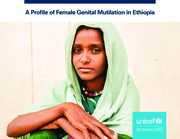
Ethiopia is home to 25 million girls and women who have experienced FGM. More than half are in the regions of Oromia and Amhara. Overall, 65 per cent of girls and women aged 15 to 49 have undergone FGM. The highest prevalence is in the Somali (99 per cent) and Afar (91 per cent) regions
To test for ethnic discrimination in access to outpatient health care services, we carry out
an email-correspondence study in Germany. We approach 3,224 physician offices in the 79
largest cities in Germany with fictitious appointment requests and randomized patients’
characteristics. We find t
...
hat patients’ ethnicity, as signaled by distinct Turkish versus Ger-
man names, does not affect whether they receive an appointment or wait time. In contrast,
patients with private insurance are 31 percent more likely to receive an appointment. Hold-
ing a private insurance also increases the likelihood of receiving a response and reduces the
wait time. This suggests that physicians use leeway to prioritize privately insured patients
to enhance their earnings, but they do not discriminate persons of Turkish origin based
on taste. Still, their behavior creates means-based barriers for economically disadvantaged
groups.
more
Lancet 2022; 399: 1155–200 Published Online March 15, 2022 https://doi.org/10.1016/
S0140-6736(21)02488-0
Cancer in sub-Saharan Africa
recommended
Lancet Oncol 2022; 23: e251–312Published OnlineMay 9, 2022 https://doi.org/10.1016/S1470-2045(21)00720-8
In sub-Saharan Africa (SSA), urgent action is needed to curb a growing crisis in cancer incidence and mortality.
Without rapid interventions, data estimates show a major increase in cancer mo
...
rtality from 520 348 in 2020 to about
1 million deaths per year by 2030. Here, we detail the state of cancer in SSA, recommend key actions on the basis of
analysis, and highlight case studies and successful models that can be emulated, adapted, or improved across the
region to reduce the growing cancer crises. Recommended actions begin with the need to develop or update national
cancer control plans in each country. Plans must include childhood cancer plans, managing comorbidities such as
HIV and malnutrition, a reliable and predictable supply of medication, and the provision of psychosocial, supportive,
and palliative care. Plans should also engage traditional, complementary, and alternative medical practices employed
by more than 80% of SSA populations and pathways to reduce missed diagnoses and late referrals. More substantial
investment is needed in developing cancer registries and cancer diagnostics for core cancer tests.
more
Assessment Report
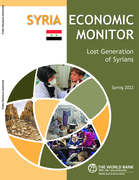
Economic conditions in Syria are projected to continue to be mired by prolonged armed conflict, turmoil in Lebanon and Turkey, COVID-19, and the war in Ukraine. Subject to extraordinarily high uncertainty, we project that Syria’s real GDP will contract by 2.6 percent in 2022 (to US$ 15.5 billion i
...
n constant 2015 prices) after declining by 2.1 percent in 2021. Risks to the growth outlook are significant and tilted to the downside.
more
Encuesta de indicadores multiples por conlomerados 2019-2020
Concepte Note, June 2022
The crisis caused by the COVID-19 pandemic exacerbated preexisting structural economic inequalities, and had a disproportionate impact on informal workers, especially on women and young people, who lost jobs and income. The situation was even more difficult for single-parent households led by women,
...
who also had to endure more housework and care tasks. As shown by various research studies, the asymmetric distribution of care tasks, taken up by women, is an inequality factor.
more
Tools and practical guidance for achieving high uptake

Latin America and the Caribbean is characterized by a matrix of social inequality whose axes —such as
socioeconomic stratum, gender, stage in the life cycle, ethnicity and race, territory, disability, and immigration
status— create multiple, often concurrent, situations of exclusion and discri
...
mination. The coronavirus
disease (COVID-19) pandemic has exacerbated wide social gaps and it is no coincidence that Latin America
and the Caribbean is one of the regions in which the health and socioeconomic impacts of the pandemic have
been the most severe, which shows that the costs of inequality are unsustainable
more
Peru − Progress in health and sciences in 200 years of independence
Carrillo-Larco; R.M.; Guzman-Vilca, W. C.; Leon-Velarde, F.; et al.
The Lancet Regional Health - Americas
(2021)
CC
Peru celebrates 200 years of independence in 2021. Over this period of independent life, and despite the turbulent socio-political scenarios, from internal armed conflict to economic crisis to political instability over the last 40 years, Peru has experienced major changes on its epidemiological and
...
population health profile. Major advancements in maternal and child health as well as in communicable diseases have been achieved in recent decades, and today
Peru faces an increasing burden of non-communicable diseases including mental health conditions. In terms of the configuration of the public health system, Peru has also strived to secure country-wide optimal health care, struggling in particular to improve primary health care and intercultural services.
more
Adapting community-led approaches . Three out of 10 people in urban areas do not use improved sanitation facilities, and one out of 10 people are forced to practise open defecation. Still higher proportions do not have access to safely managed sanitation facilities, where the fecal sludge
is contai
...
ned and either left in situ or safely emptied, transported, and delivered to a treatment plant.
more
Core Indicators 2019: Health Trends in the Americas starts with a demographic overview of the Americas to demonstrate how the Region has changed over 25 years. These key demographic indicators provide valuable context to better understand the population’s characteristics and their impact on health
...
. Brief narratives accompany the graphics to highlight important information.
more