
Filter
3357
Text search:
emergency
situations
Featured
402
883
Language
3171
190
67
54
40
25
16
14
10
7
7
6
6
5
5
5
5
5
4
4
4
4
4
3
3
3
3
3
3
3
3
3
3
3
2
2
2
2
2
2
2
1
1
1
1
1
1
1
1
1
1
1
1
1
Document type
1929
493
404
242
128
57
53
32
6
6
6
1
Countries
147
116
81
70
70
65
64
64
60
59
57
53
51
48
46
43
42
40
38
35
34
29
29
28
25
25
24
23
23
21
20
20
20
18
18
17
17
16
16
15
14
14
13
13
13
12
12
12
12
12
11
10
10
10
9
9
8
8
7
7
7
6
6
6
6
5
5
5
4
4
4
4
4
4
3
3
3
3
3
3
3
3
3
3
3
3
3
3
3
2
2
2
2
2
2
2
2
2
2
2
2
2
2
1
1
1
1
1
1
1
1
1
1
1
1
1
1
1
1
1
1
1
1
1
1
1
1
1
1
1
1
1
Authors & Publishers
405
189
116
86
79
76
74
57
42
35
29
27
23
23
21
20
19
19
19
16
15
15
15
14
14
14
14
14
14
13
13
13
13
13
13
12
11
11
11
11
11
11
10
10
10
10
10
10
10
10
9
9
9
8
8
8
8
8
8
7
7
7
7
7
7
7
7
7
7
7
7
7
7
6
6
6
6
6
6
6
6
6
6
6
5
5
5
5
5
5
5
5
5
5
5
5
5
5
5
5
5
5
5
5
5
5
5
5
4
4
4
4
4
4
4
4
4
4
4
4
4
4
4
4
4
4
4
4
4
4
4
4
4
4
4
4
4
4
4
4
4
3
3
3
3
3
3
3
3
3
3
3
3
3
3
3
3
3
3
3
3
3
3
3
3
3
3
3
3
3
3
3
3
3
3
3
3
3
3
3
3
3
3
3
3
3
3
3
3
3
3
3
3
3
3
3
3
3
3
3
3
3
3
3
3
3
3
3
3
3
3
2
2
2
2
2
2
2
2
2
2
2
2
2
2
2
2
2
2
2
2
2
2
2
2
2
2
2
2
2
2
2
2
2
2
2
2
2
2
2
2
2
2
2
2
2
2
2
2
2
2
2
2
2
2
2
2
2
2
2
2
2
2
2
2
2
2
2
2
2
2
2
2
2
2
2
2
2
2
2
2
2
2
2
2
2
2
2
2
2
2
2
2
2
2
2
2
2
2
2
2
2
2
2
2
2
2
2
2
2
2
2
2
2
2
2
2
2
2
2
2
2
2
2
2
2
2
2
2
2
2
2
2
2
2
2
2
2
2
2
2
2
2
2
2
2
2
2
2
2
2
2
2
2
2
2
2
2
2
2
2
2
2
2
2
2
2
2
2
2
2
2
2
2
2
2
2
2
2
2
2
2
2
2
2
2
2
2
2
2
2
2
2
2
2
2
2
2
2
2
2
2
2
2
2
2
2
2
2
2
2
2
2
2
1
1
1
1
1
1
1
1
1
1
1
1
1
1
1
1
1
1
1
1
1
1
1
1
1
1
1
1
1
1
1
1
1
1
1
1
1
1
1
1
1
1
1
1
1
1
1
1
1
1
1
1
1
1
1
1
1
1
1
1
1
1
1
1
1
1
1
1
1
1
1
1
1
1
1
1
1
1
1
1
1
1
1
1
1
1
1
1
1
1
1
1
1
1
1
1
1
1
1
1
1
1
1
1
1
1
1
1
1
1
1
1
1
1
1
1
1
1
1
1
1
1
1
1
1
1
1
1
1
1
1
1
1
1
1
1
1
1
1
1
1
1
1
1
1
1
1
1
1
1
1
1
1
1
1
1
1
1
1
1
1
1
1
1
1
1
1
1
1
1
1
1
1
1
1
1
1
1
1
1
1
1
1
1
1
1
1
1
1
1
1
1
1
1
1
1
1
1
1
1
1
1
1
1
1
1
1
1
1
1
1
1
1
1
1
1
1
1
1
1
1
1
1
1
1
1
1
1
1
1
1
1
1
1
1
1
1
1
1
1
1
1
1
1
1
1
1
1
1
1
1
1
1
1
1
1
1
1
1
1
1
1
1
1
1
1
1
1
1
1
1
1
1
1
1
1
1
1
1
1
1
1
1
1
1
1
1
1
1
1
1
1
1
1
1
1
1
1
1
1
1
1
1
1
1
1
1
1
1
1
1
1
1
1
1
1
1
1
1
1
1
1
1
1
1
1
1
1
1
1
1
1
1
1
1
1
1
1
1
1
1
1
1
1
1
1
1
1
1
1
1
1
1
1
1
1
1
1
1
1
1
1
1
1
1
1
1
1
1
1
1
1
1
1
1
1
1
1
1
1
1
1
1
1
1
1
1
1
1
1
1
1
1
1
1
1
1
1
1
1
1
1
1
1
1
1
1
1
1
1
1
1
1
1
1
1
1
1
1
1
1
1
1
1
1
1
1
1
1
1
1
1
1
1
1
1
1
1
1
1
1
1
1
1
1
1
1
1
1
1
1
1
1
1
1
1
1
1
1
1
1
1
1
1
1
1
1
1
1
1
1
1
1
1
1
1
1
1
1
1
1
1
1
1
1
1
1
1
1
1
1
1
1
1
1
1
1
1
1
1
1
1
1
1
1
1
1
1
1
1
1
1
1
1
1
1
1
1
1
1
1
1
1
1
1
1
1
1
1
1
1
1
1
1
1
1
1
1
1
1
1
1
1
1
1
1
1
1
1
1
1
1
1
1
1
1
1
1
1
1
1
1
1
1
1
1
1
1
1
1
1
1
1
1
1
1
1
1
1
1
1
1
1
1
1
1
1
1
1
1
1
1
1
1
1
1
1
1
1
1
1
1
1
1
1
1
1
1
1
1
1
1
1
1
1
1
1
1
1
1
1
1
1
1
1
1
1
1
1
1
1
1
1
1
1
1
1
1
1
1
1
1
1
1
1
1
1
1
1
1
1
1
1
1
1
1
1
1
1
1
1
1
1
1
1
1
1
1
1
1
1
1
1
1
1
1
1
1
1
1
1
1
1
1
1
1
1
1
1
1
1
1
1
1
1
1
1
1
1
1
1
1
1
1
1
1
1
1
1
1
1
1
1
1
1
1
1
1
1
1
1
1
1
1
1
1
1
1
1
1
1
1
1
1
1
1
1
1
1
1
1
1
1
1
1
1
1
1
1
1
1
1
1
1
1
1
1
1
1
1
1
1
1
1
1
1
1
1
1
1
1
1
1
1
1
1
1
1
1
1
1
1
1
1
1
1
1
1
1
1
1
1
1
1
1
1
1
1
1
1
1
1
1
1
1
1
1
1
1
1
1
1
1
1
1
1
1
1
1
1
1
1
1
1
1
1
1
1
1
1
1
1
1
1
1
1
1
1
1
1
1
1
1
1
1
1
1
1
1
1
1
1
1
1
1
1
1
1
1
1
1
1
1
1
1
1
1
1
1
1
1
1
1
1
1
1
1
1
1
1
1
1
1
1
1
1
1
1
1
1
1
1
1
1
1
1
1
1
1
1
1
1
1
1
1
1
1
1
1
1
1
1
1
1
1
1
1
1
1
1
1
1
1
1
1
1
1
1
1
1
1
1
1
1
1
1
1
1
1
1
1
1
1
1
1
1
1
1
1
1
1
1
1
1
1
1
1
1
1
1
1
1
1
1
1
1
1
1
1
1
1
1
1
1
1
1
1
1
1
1
1
1
1
1
1
1
1
1
1
1
1
1
1
1
1
1
1
1
1
1
1
1
1
1
1
1
1
1
1
1
1
1
1
1
1
1
1
1
1
1
1
1
1
1
1
1
1
1
1
1
1
1
1
1
1
1
1
1
1
1
1
1
1
1
1
1
1
1
1
1
1
1
1
1
1
1
1
1
1
1
1
1
1
1
1
1
1
1
1
1
1
1
1
1
1
1
1
1
1
1
1
1
1
1
1
1
1
1
1
1
1
1
1
1
1
1
1
1
1
1
1
1
1
1
1
1
1
1
1
1
1
1
1
1
1
1
1
1
1
1
1
1
1
1
1
1
1
1
1
1
1
1
1
1
1
1
1
1
1
1
1
1
1
1
1
1
1
1
1
1
1
1
1
1
1
1
1
1
1
1
1
1
1
1
1
1
1
1
1
1
1
1
1
1
1
1
1
1
1
1
1
1
1
1
1
1
1
1
1
1
1
1
1
1
1
1
1
1
1
1
1
1
1
1
1
1
1
1
1
1
1
1
1
1
1
1
1
1
1
1
1
1
1
1
1
1
1
1
1
1
1
1
1
1
1
1
1
1
1
1
1
1
1
1
1
1
1
1
1
1
1
1
1
1
1
1
1
1
1
1
1
1
1
1
1
1
1
1
1
1
1
1
1
1
1
1
1
1
1
1
1
1
1
1
1
1
1
1
1
1
1
1
1
1
1
1
1
1
1
1
1
1
1
1
1
1
1
1
1
1
1
1
1
1
1
1
1
1
1
1
1
1
1
1
1
1
1
1
1
1
1
1
1
1
1
1
1
1
1
1
1
1
1
1
1
1
1
1
1
1
1
1
1
1
1
1
1
1
1
1
1
1
1
1
1
1
1
1
1
1
1
1
1
1
1
1
1
1
1
1
1
1
1
1
1
1
1
1
1
1
1
1
1
1
1
1
1
1
1
1
1
1
1
1
1
1
1
1
1
1
1
1
1
1
1
1
1
1
1
1
1
1
1
1
1
1
1
1
1
1
1
1
1
1
1
1
1
1
1
1
1
1
1
1
1
1
1
1
1
1
1
1
1
1
1
1
1
1
1
1
1
1
1
1
1
1
1
1
1
1
1
1
1
1
1
1
1
1
1
1
1
1
1
1
1
1
1
1
1
1
1
1
1
1
1
1
1
1
1
1
1
1
1
1
1
1
1
1
1
1
1
1
1
1
1
1
1
1
1
1
1
1
1
1
1
1
1
1
1
1
1
1
1
1
1
1
1
1
1
1
1
1
1
1
1
1
1
1
1
1
1
1
1
1
1
1
1
1
1
1
1
1
1
1
1
1
1
1
1
1
1
1
1
1
1
1
1
1
1
1
1
1
1
1
1
1
1
1
1
1
1
1
1
1
1
1
1
1
1
1
1
1
1
1
1
1
1
1
1
1
1
1
1
1
1
1
1
1
1
1
1
1
1
1
1
1
1
1
1
1
1
1
1
1
1
1
1
1
1
1
1
1
1
1
1
1
1
1
1
1
1
1
1
1
1
1
1
1
1
1
1
1
1
1
1
1
1
1
1
1
1
1
1
1
1
1
1
1
1
1
1
1
1
1
1
1
1
1
1
1
1
1
1
1
1
1
1
1
1
1
1
1
1
1
1
1
1
1
1
1
1
1
1
1
1
1
1
1
1
1
1
1
1
1
1
1
1
1
1
1
1
1
1
1
1
1
1
1
1
1
1
1
1
1
1
1
1
1
1
1
1
1
1
1
1
1
1
1
1
1
1
1
1
1
1
1
1
1
1
1
1
1
1
1
1
1
1
1
1
1
1
1
1
1
1
1
1
1
1
1
1
1
1
1
1
1
1
1
1
1
1
1
1
1
1
1
1
1
1
1
1
1
1
1
1
1
1
1
1
1
1
1
1
1
1
1
1
1
1
1
1
1
1
1
1
1
1
1
1
1
1
1
1
1
1
1
1
1
1
1
1
1
1
1
1
1
1
1
1
1
1
1
1
1
1
1
1
1
1
1
1
1
1
1
1
1
1
1
1
1
1
1
1
1
1
1
1
1
1
1
1
1
1
1
1
1
1
1
1
1
1
1
1
1
1
1
1
1
1
1
1
1
1
1
1
1
1
1
1
1
1
1
1
1
1
1
1
1
1
1
1
1
1
1
1
1
1
1
1
1
1
1
1
1
1
1
1
1
1
1
1
1
1
1
1
1
1
1
1
1
1
1
1
1
1
1
1
1
1
1
1
1
1
1
1
1
1
1
1
1
1
1
1
1
1
1
1
1
1
1
1
1
1
1
1
1
1
1
1
1
1
1
1
1
1
1
1
1
1
1
1
1
1
1
1
1
1
1
1
1
1
1
1
1
1
1
1
1
1
1
1
1
1
1
1
1
1
1
1
1
1
1
1
1
1
1
1
1
1
1
1
1
1
1
1
1
1
1
1
1
1
1
1
1
1
1
1
1
1
1
1
1
1
1
1
1
1
1
1
1
1
1
1
1
1
1
1
1
1
1
1
1
1
1
1
1
1
1
1
1
1
1
1
1
1
1
1
1
1
1
1
1
1
1
1
1
1
1
1
1
1
1
1
1
1
1
1
1
1
1
1
1
1
1
1
1
1
1
1
1
1
1
1
1
1
1
1
1
1
1
1
1
1
1
1
1
1
1
1
1
1
1
1
1
1
1
1
1
1
1
1
1
1
1
1
1
1
1
1
1
Publication Years
919
1986
421
30
1
Category
1059
268
236
236
169
108
26
10
3
1
Toolboxes
394
284
204
190
158
127
126
116
112
98
86
73
53
51
42
37
33
27
23
21
20
18
4
4
2
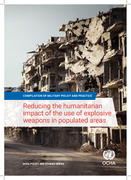
Reducing the humanitarian impact of the use of explosive weapons in populated areas is a key priority for the United
Nations, the International Committee of the Red Cross (ICRC), civil society and an increasing number of Member States.
The United Nations Secretary-General has expressly called on
...
parties to conflict to avoid the use in populated areas of
explosive weapons with wide-area effects.
While the use of explosive weapons in populated areas may in some circumstances be lawful under international
humanitarian law (IHL), empirical evidence reveals a foreseeable and often widespread pattern of harm to civilians,
particularly from explosive weapons with wide-area effects.
Many types of explosive weapons exist and are currently in use. These include air-delivered bombs, artillery projectiles,
missiles and rockets, mortar bombs, and improvised explosive devices (IEDs). Some are launched from the air and
others are surface launched. Whilst different technical features dictate their accuracy of delivery and explosive effect,
these weapons generally create a zone of blast and fragmentation with the potential to kill, injure or damage anyone
or anything within that zone. This makes their use in populated areas – such as towns, cities, markets and camps for
refugees and displaced persons or other concentrations of civilians – particularly problematic. The problems increase
further if the effects of the weapon extend across a wide-area either because of the scale of blast that they produce; their
inaccuracy; the use of multiple munitions across an area; or a combination thereof.
more
An Update will be published in late 2018
This guidance document provides basic broad principles for a spokesperson
of any health authority on how to respond to vocal vaccine deniers.
The suggestions are based on psychological research on persuasion,
on research in public health, communication studies and on WHO risk
communication guide
...
lines.
more
For biological agents, the publication covers 11 bacteria,
fungi and viruses listed by states parties to the Biological
Weapons Convention in declarations of past offensive
research and development programmes, or considered of
special concern for possible use in terrorism. All of these
agents c
...
an cause natural disease in humans, though with
markedly different frequency.
more
This article unites the latest guidelines on the management of arterial hypertension in primary health care in Portuguese speaking countries including Brazil, Angola, Mozambique, São Tomé e Príncipe, Cape Verde, among others.
In 2005, the World Health Organization (WHO) Member States adopted the revised International
Health Regulations (IHR) (2005). The Regulations provide a unique public health framework in the
form of obligations and recommendations that enable countries to better p
...
revent, prepare for and
respond to public health events and emergencies of potential international concern, including chemical events.
more
Humanitarian inclusion standards for older people and people with disabilities
recommended
Age and Disability Consortium
CBM International, HelpAge International,and Handicap International
(2018)
The Standard consists of nine key inclusion standards, and seven sets of sector-specific inclusion standards for protection – water, sanitation and hygiene, food security and livelihoods, nutrition, shelter, settlement and household items, health and education. Each standard comes with key actions
...
, guidance, tools and resources.
more
This handbook aims to give practical guidance to support development organisations to mainstream disability into their work. It is primarily intended for VSO programmes, but could be useful to other development actors interested in mainstreaming disability, such as NGOs, gover
...
nment and donors
more
This document provides information to assist countries in developing exit screening plans and Standard Operating Procedures (SOP). This includes the method, tools, and sequence of screening; determining resource needs; communication messages; and the legal considerations of screening.

March - December 2018
The Government of Bangladesh has kept its borders open to Rohingya refugees and leads the humanitarian response. The people of Bangladesh continue to show tremendous generosity and hospitality in the face of a massive influx. In keeping with its policies, the Government of Ban
...
gladesh refers to the Rohingya as “Forcibly Displaced Myanmar Nationals”, in the present context. The UN system refers to this population as refugees, in line with the applicable international framework for protection and solutions, and the resulting accountabilities for the country of origin and asylum as well as the international community as a whole. In support of these efforts, the humanitarian community has rapidly scaled up its operations as well. Over a two-month period, the refugee population in Cox’s Bazar more than quadrupled.
more
The HIV drug resistance report 2021 summarizes findings from 38 countries that had finalized the surveys by the time of this report and shared data with WHO.
Pretreatment HIVDR to non-nucleoside reverse-transcriptase inhibitors (NNRTI) can affect more than 10% of adults starting therapy and is fo
...
und up to 3 times more often in people who had previous exposure to antiretroviral drugs. In addition, nearly half of infants newly diagnosed with HIV has HIVDR to NNRTI before initiating treatment.The high levels of observed NNRTI pretreatment HIVDR among emphasize the need to fast-track the transition to WHO-recommended dolutegravir-based ART.
more

This National Food and Nutrition Policy developed in 2013 builds on several achievements that have improved the status of nutrition and household food security in Rwanda during the past six years. The outlines ambitious but necessary strategies needed to solve serious and
persistent problems includ
...
ing the high prevalence of child stunting and high levels of anaemia in children and women. The NFNP also takes into account major differences in the economic development environment and the higher national and international priority placed on improving nutrition and related household food security problems in the second decade of the new millennium compared to 2007 when the country’s first National Nutrition Policy was adopted.
more
The purpose of these guidelines is to help health workers to participate in the process of continuous surveillance of safety and efficacy of the pharmaceutical products which are used in clinical practice, thus help to achieve the ultimate goal to make safer and more effective treatment available to
...
patients. This guideline addresses specifically the issues on what to report, why to report, when to report, where to report and how to report.
more
Ebola Synthesis Reference Document
Powell, Steve and others
International Federation of Red Cross and Red Crescent Societies (IFRC)
(2017)
C1

The Newborn Situational Analysis reports of 2009 and 2011, as well as the “Bottleneck analysis on neonatal health” of 2013, culminated in the Nigeria launch of “Call to action on Newborn health” at the first National Newborn Health Conference in 2014. This call to action provided the framewo
...
rk for the development of the Nigeria Every Newborn Action
Plan (NiENAP). The NiENAP lays out a vision to end preventable stillbirths and newborn deaths by accelerating progress and scaling up evidence- based high-impact and cost effective interventions. The plan is guided by the principles of country-leadership, integration, accountability, equity, human rights, innovation and research. This blue print outlines our commitment as government and stakeholders to repositioning newborn health as we implement approaches that impact on the lives of newborns for improved health outcome.
more
Violence Against Women and HIV/AIDS Prevention and Treatment

The report aims to help policy-makers and programme managers identify the areas that need attention and to work towards effective implementation and enforcement of policies and legislations. The need for alcohol policy-specific infrastructures to support the alcohol policy process, including designa
...
ted responsible agency, policy and strategy, and law and regulation, is also required at the country level.
The report is presented in three sections. Section 1 gives an insight to the alcohol consumption situation in the WHO South-East Asia Region and cites the alcohol-related problems that the Region is facing. Section 2 illustrates the policy situation in the 10 areas of national action identified in the Global Strategy to Reduce the Harmful Use of Alcohol and gives specific recommendations pertaining to these areas. Section 3 provides overall recommendations. more
The report is presented in three sections. Section 1 gives an insight to the alcohol consumption situation in the WHO South-East Asia Region and cites the alcohol-related problems that the Region is facing. Section 2 illustrates the policy situation in the 10 areas of national action identified in the Global Strategy to Reduce the Harmful Use of Alcohol and gives specific recommendations pertaining to these areas. Section 3 provides overall recommendations. more
