
Filter
2616
Text search:
Housing
Featured
193
721
Language
2540
61
49
37
32
18
15
13
8
4
4
4
4
4
3
3
3
2
2
2
2
2
2
2
2
2
2
1
1
1
1
1
1
1
1
1
1
1
1
1
1
1
1
1
1
1
1
1
Document type
1600
467
186
120
106
49
36
30
9
7
2
1
Countries
111
104
80
79
65
63
61
59
56
54
52
50
49
48
44
44
39
39
38
30
25
25
25
23
22
22
21
21
20
17
17
16
16
16
15
15
14
14
14
13
11
11
10
10
9
9
8
8
7
7
6
6
5
5
5
5
5
5
5
5
4
4
4
4
4
4
4
4
3
3
3
3
3
3
3
3
3
3
3
3
3
3
2
2
2
2
2
2
2
2
2
2
2
2
2
1
1
1
1
1
1
1
1
1
1
1
1
1
1
1
1
1
1
1
1
1
1
1
1
1
1
Authors & Publishers
236
114
110
63
58
53
48
47
28
24
21
20
19
18
18
17
16
16
16
16
15
14
14
13
12
12
10
10
10
10
10
10
10
10
9
9
9
9
9
9
8
8
8
8
8
8
7
7
7
7
7
7
7
7
7
7
7
6
6
6
6
6
6
6
6
5
5
5
5
5
5
5
5
5
5
5
5
5
5
5
5
5
5
4
4
4
4
4
4
4
4
4
4
4
4
4
4
4
4
4
4
4
4
4
4
4
4
4
4
4
4
4
4
4
3
3
3
3
3
3
3
3
3
3
3
3
3
3
3
3
3
3
3
3
3
3
3
3
3
3
3
3
3
3
3
3
3
3
3
3
3
3
3
3
3
3
3
3
3
3
3
3
3
3
3
3
3
3
3
3
3
3
3
2
2
2
2
2
2
2
2
2
2
2
2
2
2
2
2
2
2
2
2
2
2
2
2
2
2
2
2
2
2
2
2
2
2
2
2
2
2
2
2
2
2
2
2
2
2
2
2
2
2
2
2
2
2
2
2
2
2
2
2
2
2
2
2
2
2
2
2
2
2
2
2
2
2
2
2
2
2
2
2
2
2
2
2
2
2
2
2
2
2
2
2
2
2
2
2
2
2
2
2
2
2
2
2
2
2
2
2
2
2
2
2
2
2
2
2
2
2
2
2
2
2
2
2
2
2
2
2
2
2
2
2
2
2
2
2
2
2
2
2
2
2
2
2
2
2
2
2
2
2
2
2
2
2
2
2
2
2
2
2
2
2
2
2
2
2
2
2
2
2
2
2
2
2
2
2
2
2
2
2
1
1
1
1
1
1
1
1
1
1
1
1
1
1
1
1
1
1
1
1
1
1
1
1
1
1
1
1
1
1
1
1
1
1
1
1
1
1
1
1
1
1
1
1
1
1
1
1
1
1
1
1
1
1
1
1
1
1
1
1
1
1
1
1
1
1
1
1
1
1
1
1
1
1
1
1
1
1
1
1
1
1
1
1
1
1
1
1
1
1
1
1
1
1
1
1
1
1
1
1
1
1
1
1
1
1
1
1
1
1
1
1
1
1
1
1
1
1
1
1
1
1
1
1
1
1
1
1
1
1
1
1
1
1
1
1
1
1
1
1
1
1
1
1
1
1
1
1
1
1
1
1
1
1
1
1
1
1
1
1
1
1
1
1
1
1
1
1
1
1
1
1
1
1
1
1
1
1
1
1
1
1
1
1
1
1
1
1
1
1
1
1
1
1
1
1
1
1
1
1
1
1
1
1
1
1
1
1
1
1
1
1
1
1
1
1
1
1
1
1
1
1
1
1
1
1
1
1
1
1
1
1
1
1
1
1
1
1
1
1
1
1
1
1
1
1
1
1
1
1
1
1
1
1
1
1
1
1
1
1
1
1
1
1
1
1
1
1
1
1
1
1
1
1
1
1
1
1
1
1
1
1
1
1
1
1
1
1
1
1
1
1
1
1
1
1
1
1
1
1
1
1
1
1
1
1
1
1
1
1
1
1
1
1
1
1
1
1
1
1
1
1
1
1
1
1
1
1
1
1
1
1
1
1
1
1
1
1
1
1
1
1
1
1
1
1
1
1
1
1
1
1
1
1
1
1
1
1
1
1
1
1
1
1
1
1
1
1
1
1
1
1
1
1
1
1
1
1
1
1
1
1
1
1
1
1
1
1
1
1
1
1
1
1
1
1
1
1
1
1
1
1
1
1
1
1
1
1
1
1
1
1
1
1
1
1
1
1
1
1
1
1
1
1
1
1
1
1
1
1
1
1
1
1
1
1
1
1
1
1
1
1
1
1
1
1
1
1
1
1
1
1
1
1
1
1
1
1
1
1
1
1
1
1
1
1
1
1
1
1
1
1
1
1
1
1
1
1
1
1
1
1
1
1
1
1
1
1
1
1
1
1
1
1
1
1
1
1
1
1
1
1
1
1
1
1
1
1
1
1
1
1
1
1
1
1
1
1
1
1
1
1
1
1
1
1
1
1
1
1
1
1
1
1
1
1
1
1
1
1
1
1
1
1
1
1
1
1
1
1
1
1
1
1
1
1
1
1
1
1
1
1
1
1
1
1
1
1
1
1
1
1
1
1
1
1
1
1
1
1
1
1
1
1
1
1
1
1
1
1
1
1
1
1
1
1
1
1
1
1
1
1
1
1
1
1
1
1
1
1
1
1
1
1
1
1
1
1
1
1
1
1
1
1
1
1
1
1
1
1
1
1
1
1
1
1
1
1
1
1
1
1
1
1
1
1
1
1
1
1
1
1
1
1
1
1
1
1
1
1
1
1
1
1
1
1
1
1
1
1
1
1
1
1
1
1
1
1
1
1
1
1
1
1
1
1
1
1
1
1
1
1
1
1
1
1
1
1
1
1
1
1
1
1
1
1
1
1
1
1
1
1
1
1
1
1
1
1
1
1
1
1
1
1
1
1
1
1
1
1
1
1
1
1
1
1
1
1
1
1
1
1
1
1
1
1
1
1
1
1
1
1
1
1
1
1
1
1
1
1
1
1
1
1
1
1
1
1
1
1
1
1
1
1
1
1
1
1
1
1
1
1
1
1
1
1
1
1
1
1
1
1
1
1
1
1
1
1
1
1
1
1
1
1
1
1
1
1
1
1
1
1
1
1
1
1
1
1
1
1
1
1
1
1
1
1
1
1
1
1
1
1
1
1
1
1
1
1
1
1
1
1
1
1
1
1
1
1
1
1
1
1
1
1
1
1
1
1
1
1
1
1
1
1
1
1
1
1
1
1
1
1
1
1
1
1
1
1
1
1
1
1
1
1
1
1
1
1
1
1
1
1
1
1
1
1
1
1
1
1
1
1
1
1
1
1
1
1
1
1
1
1
1
1
1
1
1
1
1
1
1
1
1
1
1
1
1
1
1
1
1
1
1
1
1
1
1
1
1
1
1
1
1
1
1
1
1
1
1
1
1
1
1
1
1
1
1
1
1
1
1
1
1
1
1
1
1
1
1
1
1
1
1
1
1
1
1
1
1
1
1
1
1
1
1
1
1
1
1
1
1
1
1
1
1
1
1
1
1
1
1
1
1
1
1
1
1
1
1
1
1
1
1
1
1
1
1
1
1
1
1
1
1
1
1
1
1
1
1
1
1
1
1
1
1
1
1
1
1
1
1
1
1
1
1
1
1
1
1
1
1
1
1
1
1
1
1
1
1
1
1
1
1
1
1
1
1
1
1
1
1
1
1
1
1
1
1
1
1
1
1
1
1
1
1
1
1
1
1
1
1
1
1
1
1
1
1
1
1
1
1
1
1
1
1
1
1
1
1
1
1
1
1
1
1
1
1
1
1
1
1
1
1
1
1
1
1
1
1
1
1
1
1
1
1
1
1
1
1
1
1
1
1
1
1
1
1
1
1
1
1
1
1
1
1
1
1
1
1
1
1
1
1
1
1
1
1
1
1
1
1
1
1
1
1
1
1
1
1
1
1
1
1
1
1
1
1
1
1
1
1
1
1
1
1
1
1
1
1
1
1
1
1
1
1
1
1
1
1
1
1
1
1
1
1
1
1
1
1
1
1
1
1
1
1
1
1
1
1
1
1
1
1
1
1
1
1
1
1
1
1
1
1
1
1
1
1
1
1
1
1
1
1
1
1
1
1
1
1
1
1
1
1
1
1
1
1
1
1
1
1
1
1
1
1
1
1
1
1
1
1
1
1
1
1
1
1
1
1
1
1
1
1
1
1
1
1
1
1
1
1
1
1
1
1
1
1
1
1
1
1
1
1
1
1
1
1
1
1
1
1
1
1
1
1
1
1
1
1
1
1
1
1
1
1
1
1
1
1
1
1
1
1
1
1
1
1
1
1
1
1
1
1
1
1
1
1
1
1
1
1
1
1
1
1
1
1
1
1
1
1
1
1
1
1
1
1
1
1
1
1
1
1
1
1
1
1
1
1
1
1
1
1
1
1
1
1
1
1
1
1
1
1
1
1
1
1
1
1
1
1
1
1
1
1
1
1
1
1
1
1
1
1
1
1
1
1
1
1
1
1
1
1
1
1
1
1
1
1
1
1
1
1
1
1
1
1
1
1
1
1
1
1
1
1
1
1
1
1
1
1
1
1
1
1
1
1
1
1
1
1
1
1
1
1
1
1
1
1
1
1
1
1
1
1
1
1
1
1
1
1
1
1
1
1
1
1
1
1
1
1
1
1
1
1
1
1
1
1
1
1
1
1
1
1
1
1
1
1
1
1
1
1
1
1
1
1
1
1
1
1
1
1
1
1
1
1
1
1
1
1
1
1
1
1
1
1
1
1
1
1
1
1
1
1
1
1
1
1
1
1
1
1
1
1
1
1
1
1
1
1
1
1
1
1
1
1
1
1
1
1
1
1
1
1
1
1
1
1
1
1
1
1
1
1
1
1
1
1
1
1
1
1
1
1
1
1
1
1
1
1
1
1
1
1
1
1
1
1
1
1
1
1
1
1
1
1
1
1
1
1
1
1
1
1
1
1
1
1
1
1
1
1
1
1
1
1
1
1
1
1
1
1
1
1
1
1
1
1
1
1
1
1
1
1
1
1
1
1
1
1
1
1
1
1
1
1
1
1
1
1
1
1
1
1
1
1
1
1
1
1
1
1
1
1
1
1
1
1
1
1
1
1
1
1
1
1
1
1
1
1
1
1
1
1
1
1
1
1
1
1
1
1
1
1
1
1
1
1
1
1
1
1
1
1
1
1
1
1
1
1
1
1
1
1
1
1
1
1
1
1
1
1
1
1
1
1
1
1
1
1
1
1
1
1
1
1
1
1
1
1
1
1
1
1
1
1
1
1
1
1
1
1
1
1
1
1
1
1
1
1
1
1
1
1
1
1
1
1
1
1
1
1
1
1
1
1
1
1
1
1
1
1
1
1
1
1
1
1
1
1
1
1
1
1
1
1
1
1
1
1
1
1
1
1
1
1
1
1
1
1
1
1
1
1
1
1
1
1
1
1
1
1
1
1
1
1
1
1
1
1
1
1
1
1
1
1
1
1
1
1
1
1
1
1
1
1
1
1
1
1
1
1
1
1
1
1
1
1
1
1
1
1
1
1
1
1
1
1
1
1
1
1
1
1
1
1
1
1
1
1
1
1
1
1
1
1
1
1
1
1
1
1
1
1
1
1
1
1
1
1
1
1
1
1
1
1
1
1
1
1
1
1
1
1
1
1
1
1
1
1
1
1
1
1
1
1
1
1
1
1
1
1
1
1
1
1
1
1
1
1
1
1
1
1
1
1
1
1
1
1
1
1
1
1
1
1
1
1
1
1
1
1
1
1
1
1
1
1
1
1
1
1
1
1
1
1
1
1
1
1
1
1
1
1
1
1
1
1
1
1
1
1
1
1
1
1
1
1
1
1
1
1
1
1
1
1
1
1
1
1
1
1
1
1
1
1
1
1
1
1
1
1
1
1
1
1
1
1
1
1
1
1
1
1
1
1
1
1
1
1
1
1
1
1
1
Publication Years
670
1682
250
12
1
1
Category
1100
152
87
86
73
42
7
4
2
Toolboxes
258
171
153
148
138
133
103
102
94
68
53
39
37
35
34
30
17
14
12
9
5
4
4
3
1
1
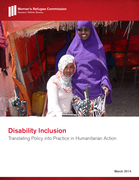
The report provides lessons and recommendations for other organizations and the wider humanitarian community on engaging persons with disabilities at all levels of humanitarian work. It draws on consultations with over 700 displaced persons—including persons with disabilities, their families, and
...
humanitarian staff—in eight countries.
more
Refugees1 with disabilities have specific needs and face particular forms of discrimination. As highlighted in the Executive Committee Conclusion No. 110 (LXI)–2010, it is important for UNHCR to ensure that the rights of persons with disabilities who are of concern to the Office are met without di
...
scrimination. This places an onus on offices to develop a thorough
understanding of the circumstances of persons with disabilities under their care. This note provides staff with guidance on a range of issues to consider in meeting these responsibilities.
more
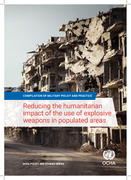
Reducing the humanitarian impact of the use of explosive weapons in populated areas is a key priority for the United
Nations, the International Committee of the Red Cross (ICRC), civil society and an increasing number of Member States.
The United Nations Secretary-General has expressly called on
...
parties to conflict to avoid the use in populated areas of
explosive weapons with wide-area effects.
While the use of explosive weapons in populated areas may in some circumstances be lawful under international
humanitarian law (IHL), empirical evidence reveals a foreseeable and often widespread pattern of harm to civilians,
particularly from explosive weapons with wide-area effects.
Many types of explosive weapons exist and are currently in use. These include air-delivered bombs, artillery projectiles,
missiles and rockets, mortar bombs, and improvised explosive devices (IEDs). Some are launched from the air and
others are surface launched. Whilst different technical features dictate their accuracy of delivery and explosive effect,
these weapons generally create a zone of blast and fragmentation with the potential to kill, injure or damage anyone
or anything within that zone. This makes their use in populated areas – such as towns, cities, markets and camps for
refugees and displaced persons or other concentrations of civilians – particularly problematic. The problems increase
further if the effects of the weapon extend across a wide-area either because of the scale of blast that they produce; their
inaccuracy; the use of multiple munitions across an area; or a combination thereof.
more
Key Features:
• Module Users: Disaster Management Trainers
• Training Targets: State Government and District
officials / Disaster Management Authorities / Disaster
Management Planners and Responders
• Training Duration: 5 working days (one week)
• Trainers Input: Multi-disciplinary
â€
...
¢ Training methods: Lecture, Discussion, Film Show,
Field Visits, Group Exercise.
more
The Education 2030 Incheon Declaration and Framework for Action specifies that the mandate of the Global Education Monitoring Report is to be ‘the mechanism for monitoring and reporting on SDG 4 and on education in the other SDGs’ with the responsibility to ‘report on the implementation of nat
...
ional and international strategies to help hold all relevant partners to account for their commitments as part of the overall SDG follow-up and review.’ It is prepared by an independent team hosted by UNESCO.
more

ICF is WHO's framework for health and disability. It is the conceptual basis for the definition, measurement and policy formulations for health and disability. It is a universal classification of disability and health for use in health and health related sectors. ICF therefore looks like a simple he
...
alth classifiation, but it can be used for a number of purposes. The most important is as a planning and policy tool for decision-makers.
more

This is a checklist of major categories of the International Classification of Functioning, Disability and Health (ICF) of the World Health Organization . The ICF Checklist is a practical tool to elicit and record information on the functioning and disability of an individual. This information can b
...
e summarized for case records (for example, in clinical practice or social work). The checklist should be used along with the ICF or ICF Pocket version.
more
States, the United Nations and civil society organisations continue to raise concerns about the humanitarian impact caused by the use of explosive weapons in populated areas (EWIPA). This issue is currently being examined from political, legal, socio-economic and humanitarian perspectives. The GICHD
...
has undertaken research to provide a technical perspective on the destructive effects of selected explosive weapons to inform the international debate.
The research project attempts to reduce an observed knowledge gap regarding EWIPA. It seeks to provide clarity concerning the immediate physical effects and terminology used when discussing explosive weapons. The project is guided by a group of experts dealing with weapons-related research and practitioners who address the implications of explosive weapons in humanitarian, policy, advocacy and legal fields.
more
WG Implementation Guidelines Tool2
Guidelines for cognitive and pilot testing of questions for use in surveys
Statistics Division Economic and Social Commission for Asia Pacific Region
Washington Group on Disability Statistics
(2010)
CC
ESCAP Project on improving disability measurement and statistics in the Asia Pacfic Region
Webinar.
The purpose of this booklet is to help readers understand why data on children with disabilities are currently inadequate, the difficulties that surround the gathering of high-quality data on disabled children, and why there is a real need to improve the collection, analysis, dissemination
...
and use of disability data.
more
Children with disabilities in South Africa: The hidden reality is part of a multiple-country study conducted by ACPF. The study seeks to analyse how cultural, social, physical and other societal barriers prevent children with disabilities from enjoying their constitutional rights to equality, freedo
...
m and human dignity. It also seeks to establish opportunities and practices that could be used to address these barriers to enhance disabled children’s participation in society.
more
Advancement of the UN CRPD through the 2030 Agenda Towards Implementation in Latin America
International Disability Alliance
UNICEF; UN Partnership to Promote Rights of People with Disabilites
(2016)
Conference Report Sao Paulo, Brazil 22-24 October 2015
This report situates disability and inclusion within the broader context of sustainable development, with a particular focus on the Sustainable Development Goals (SDGs). The paper provides background on the historical role of the UN in promoting inclusion and outlines the current trends and challeng
...
es facing people with disabilities globally. The following section presents these challenges within the context of the SDGs, showing that disability needs to be tackled if the SDGs are to be achieved. It concludes with a number of recommendations for a disability-inclusive 2030 agenda for sustainable development
more
