
Filter
2500
Text search:
disability
policies
Featured
201
628
Language
2435
66
65
40
33
22
18
14
7
7
6
5
5
5
5
4
4
4
4
4
4
4
4
4
4
3
3
3
3
2
2
2
2
2
2
2
2
2
2
2
2
2
2
1
1
1
1
1
1
1
1
1
1
1
1
1
Document type
1571
386
226
137
119
28
12
11
4
3
2
1
Countries
127
81
71
67
60
55
53
50
45
45
45
42
36
35
34
33
32
29
28
28
27
26
25
25
25
24
22
20
18
17
16
15
11
11
10
10
10
8
8
8
8
8
8
8
7
7
7
7
6
6
6
6
6
6
6
5
5
5
4
4
4
4
4
4
4
4
4
3
3
3
3
3
3
3
3
2
2
2
2
2
2
2
2
2
2
2
2
2
2
2
2
2
2
2
2
1
1
1
1
1
1
1
1
1
1
1
1
1
1
1
1
1
1
1
1
1
1
1
1
1
1
1
Authors & Publishers
302
126
97
87
81
62
50
38
31
21
21
20
17
17
15
15
15
15
15
14
12
11
11
10
10
10
10
9
9
9
9
9
9
9
8
8
8
7
7
7
7
7
7
7
7
7
7
7
7
6
6
6
6
6
6
5
5
5
5
5
5
5
5
5
5
5
5
5
5
5
5
5
5
5
5
5
4
4
4
4
4
4
4
4
4
4
4
4
4
4
4
4
4
4
4
4
4
4
4
4
4
4
4
4
4
4
4
3
3
3
3
3
3
3
3
3
3
3
3
3
3
3
3
3
3
3
3
3
3
3
3
3
3
3
3
3
3
3
3
3
3
3
3
3
3
3
3
3
3
3
3
3
3
3
3
3
3
3
2
2
2
2
2
2
2
2
2
2
2
2
2
2
2
2
2
2
2
2
2
2
2
2
2
2
2
2
2
2
2
2
2
2
2
2
2
2
2
2
2
2
2
2
2
2
2
2
2
2
2
2
2
2
2
2
2
2
2
2
2
2
2
2
2
2
2
2
2
2
2
2
2
2
2
2
2
2
2
2
2
2
2
2
2
2
2
2
2
2
2
2
2
2
2
2
2
2
2
2
2
2
2
2
2
2
2
2
2
2
2
2
2
2
2
2
2
2
2
2
2
2
2
2
2
2
2
2
2
2
2
2
2
2
1
1
1
1
1
1
1
1
1
1
1
1
1
1
1
1
1
1
1
1
1
1
1
1
1
1
1
1
1
1
1
1
1
1
1
1
1
1
1
1
1
1
1
1
1
1
1
1
1
1
1
1
1
1
1
1
1
1
1
1
1
1
1
1
1
1
1
1
1
1
1
1
1
1
1
1
1
1
1
1
1
1
1
1
1
1
1
1
1
1
1
1
1
1
1
1
1
1
1
1
1
1
1
1
1
1
1
1
1
1
1
1
1
1
1
1
1
1
1
1
1
1
1
1
1
1
1
1
1
1
1
1
1
1
1
1
1
1
1
1
1
1
1
1
1
1
1
1
1
1
1
1
1
1
1
1
1
1
1
1
1
1
1
1
1
1
1
1
1
1
1
1
1
1
1
1
1
1
1
1
1
1
1
1
1
1
1
1
1
1
1
1
1
1
1
1
1
1
1
1
1
1
1
1
1
1
1
1
1
1
1
1
1
1
1
1
1
1
1
1
1
1
1
1
1
1
1
1
1
1
1
1
1
1
1
1
1
1
1
1
1
1
1
1
1
1
1
1
1
1
1
1
1
1
1
1
1
1
1
1
1
1
1
1
1
1
1
1
1
1
1
1
1
1
1
1
1
1
1
1
1
1
1
1
1
1
1
1
1
1
1
1
1
1
1
1
1
1
1
1
1
1
1
1
1
1
1
1
1
1
1
1
1
1
1
1
1
1
1
1
1
1
1
1
1
1
1
1
1
1
1
1
1
1
1
1
1
1
1
1
1
1
1
1
1
1
1
1
1
1
1
1
1
1
1
1
1
1
1
1
1
1
1
1
1
1
1
1
1
1
1
1
1
1
1
1
1
1
1
1
1
1
1
1
1
1
1
1
1
1
1
1
1
1
1
1
1
1
1
1
1
1
1
1
1
1
1
1
1
1
1
1
1
1
1
1
1
1
1
1
1
1
1
1
1
1
1
1
1
1
1
1
1
1
1
1
1
1
1
1
1
1
1
1
1
1
1
1
1
1
1
1
1
1
1
1
1
1
1
1
1
1
1
1
1
1
1
1
1
1
1
1
1
1
1
1
1
1
1
1
1
1
1
1
1
1
1
1
1
1
1
1
1
1
1
1
1
1
1
1
1
1
1
1
1
1
1
1
1
1
1
1
1
1
1
1
1
1
1
1
1
1
1
1
1
1
1
1
1
1
1
1
1
1
1
1
1
1
1
1
1
1
1
1
1
1
1
1
1
1
1
1
1
1
1
1
1
1
1
1
1
1
1
1
1
1
1
1
1
1
1
1
1
1
1
1
1
1
1
1
1
1
1
1
1
1
1
1
1
1
1
1
1
1
1
1
1
1
1
1
1
1
1
1
1
1
1
1
1
1
1
1
1
1
1
1
1
1
1
1
1
1
1
1
1
1
1
1
1
1
1
1
1
1
1
1
1
1
1
1
1
1
1
1
1
1
1
1
1
1
1
1
1
1
1
1
1
1
1
1
1
1
1
1
1
1
1
1
1
1
1
1
1
1
1
1
1
1
1
1
1
1
1
1
1
1
1
1
1
1
1
1
1
1
1
1
1
1
1
1
1
1
1
1
1
1
1
1
1
1
1
1
1
1
1
1
1
1
1
1
1
1
1
1
1
1
1
1
1
1
1
1
1
1
1
1
1
1
1
1
1
1
1
1
1
1
1
1
1
1
1
1
1
1
1
1
1
1
1
1
1
1
1
1
1
1
1
1
1
1
1
1
1
1
1
1
1
1
1
1
1
1
1
1
1
1
1
1
1
1
1
1
1
1
1
1
1
1
1
1
1
1
1
1
1
1
1
1
1
1
1
1
1
1
1
1
1
1
1
1
1
1
1
1
1
1
1
1
1
1
1
1
1
1
1
1
1
1
1
1
1
1
1
1
1
1
1
1
1
1
1
1
1
1
1
1
1
1
1
1
1
1
1
1
1
1
1
1
1
1
1
1
1
1
1
1
1
1
1
1
1
1
1
1
1
1
1
1
1
1
1
1
1
1
1
1
1
1
1
1
1
1
1
1
1
1
1
1
1
1
1
1
1
1
1
1
1
1
1
1
1
1
1
1
1
1
1
1
1
1
1
1
1
1
1
1
1
1
1
1
1
1
1
1
1
1
1
1
1
1
1
1
1
1
1
1
1
1
1
1
1
1
1
1
1
1
1
1
1
1
1
1
1
1
1
1
1
1
1
1
1
1
1
1
1
1
1
1
1
1
1
1
1
1
1
1
1
1
1
1
1
1
1
1
1
1
1
1
1
1
1
1
1
1
1
1
1
1
1
1
1
1
1
1
1
1
1
1
1
1
1
1
1
1
1
1
1
1
1
1
1
1
1
1
1
1
1
1
1
1
1
1
1
1
1
1
1
1
1
1
1
1
1
1
1
1
1
1
1
1
1
1
1
1
1
1
1
1
1
1
1
1
1
1
1
1
1
1
1
1
1
1
1
1
1
1
1
1
1
1
1
1
1
1
1
1
1
1
1
1
1
1
1
1
1
1
1
1
1
1
1
1
1
1
1
1
1
1
1
1
1
1
1
1
1
1
1
1
1
1
1
1
1
1
1
1
1
1
1
1
1
1
1
1
1
1
1
1
1
1
1
1
1
1
1
1
1
1
1
1
1
1
1
1
1
1
1
1
1
1
1
1
1
1
1
1
1
1
1
1
1
1
1
1
1
1
1
1
1
1
1
1
1
1
1
1
1
1
1
1
1
1
1
1
1
1
1
1
1
1
1
1
1
1
1
1
1
1
1
1
1
1
1
1
1
1
1
1
1
1
1
1
1
1
1
1
1
1
1
1
1
1
1
1
1
1
1
1
1
1
1
1
1
1
1
1
1
1
1
1
1
1
1
1
1
1
1
1
1
1
1
1
1
1
1
1
1
1
1
1
1
1
1
1
1
1
1
1
1
1
1
1
1
1
1
1
1
1
1
1
1
1
1
1
1
1
1
1
1
1
1
1
1
1
1
1
1
1
1
1
1
1
1
1
1
1
1
1
1
1
1
1
1
1
1
1
1
1
1
1
1
1
1
1
1
1
1
1
1
1
1
1
1
1
1
1
1
1
1
1
1
1
1
1
1
1
1
1
1
1
1
1
1
1
1
1
1
1
1
1
1
1
1
1
1
1
1
1
1
1
1
1
1
1
1
1
1
1
1
1
1
1
1
1
1
1
1
1
1
1
1
1
1
1
1
1
1
1
1
1
1
1
1
1
1
1
1
1
1
1
1
1
1
1
1
1
1
1
1
1
1
1
1
1
1
1
1
1
1
1
1
1
1
1
1
1
1
1
1
1
1
1
1
1
1
1
1
1
1
1
1
1
1
1
1
1
1
1
1
1
1
1
1
1
1
1
1
1
1
1
1
1
1
1
1
1
1
1
1
1
1
1
1
1
1
1
1
1
1
1
1
1
1
1
1
1
1
1
1
1
1
1
1
1
1
1
1
1
1
1
1
1
1
1
1
1
1
1
1
1
1
1
1
1
1
1
1
1
1
1
1
1
1
1
1
1
1
1
1
1
1
1
1
1
1
1
1
1
1
1
1
1
1
1
1
1
1
1
1
1
1
1
1
1
1
1
1
1
1
1
1
1
1
1
1
1
1
1
1
1
1
1
1
1
1
1
1
1
1
1
1
1
1
1
1
1
1
1
1
1
1
1
1
1
1
1
1
1
1
1
1
1
1
1
1
1
1
1
1
1
1
1
1
1
1
1
1
1
1
1
1
1
1
1
1
1
1
1
1
1
1
1
1
1
1
1
1
1
1
1
1
1
1
1
1
1
1
1
1
1
1
1
1
1
1
1
1
1
1
1
1
1
1
1
1
1
1
1
1
1
1
1
1
1
1
1
1
1
1
1
1
1
1
1
1
1
1
1
1
1
1
1
1
1
1
1
1
1
1
1
1
1
1
1
1
1
1
1
1
1
1
1
1
1
1
1
1
1
1
1
1
1
1
1
1
1
1
1
1
1
1
1
1
1
1
1
1
1
1
1
1
1
1
1
1
1
1
1
1
1
1
1
1
1
1
1
1
1
1
1
1
1
1
1
1
1
1
Publication Years
1
621
1626
243
9
Category
924
207
169
152
91
34
8
4
Toolboxes
375
314
140
101
94
71
68
68
64
64
55
47
30
23
21
14
13
11
8
7
6
2
2
1
The Report describes the evaluation of WHO's contribution to the Maternal Health Program in South-East Asia Region. This was an independent evaluation conducted in 2015 by Amaltas, a Delhi based organization. The evaluation highlights the progress in five countries, namely Bangladesh, Indonesia, Mya
...
nmar, Nepal and Sri Lanka and provides specific recommendations for Organizational Learning and Development. This report will be useful for all those interested in WHO's work on Maternal Health Program in the Region.
more
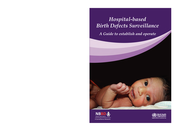
Birth defect has been an emerging major cause of child mortality in the region. Scarcity of the birth defects information hampers policy decisions and control measures at national level. In order to create evidence for action for birth defects prevention in the region, WHO-SEARO in collaboration wit
...
h CDC, USA has developed and launched a regional electronic database on birth defects. This surveillance database allows data collection on newborn health, birth defects and stillbirths cases and provides real time information at hospitals and national level.
Training of the hospital health staffs and data managers in the birth defects surveillance network; at regional, national and at hospital levels is recognized as essential for expansion of this database and to assure quality of data. A two days training module for hospital based birth defects surveillance was developed using a guide for operation and facilitator guide. more
Training of the hospital health staffs and data managers in the birth defects surveillance network; at regional, national and at hospital levels is recognized as essential for expansion of this database and to assure quality of data. A two days training module for hospital based birth defects surveillance was developed using a guide for operation and facilitator guide. more
Birth defect has been an emerging major cause of child mortality in the region. Scarcity of the birth defects information hampers policy decisions and control measures at national level. In order to create evidence for action for birth defects prevention in the region, WHO-SEARO in collaboration wit
...
h CDC, USA has developed and launched a regional electronic database on birth defects. This surveillance database allows data collection on newborn health, birth defects and stillbirths cases and provides real time information at hospitals and national level.
Training of the hospital health staffs and data managers in the birth defects surveillance network; at regional, national and at hospital levels is recognized as essential for expansion of this database and to assure quality of data. A two days training module for hospital based birth defects surveillance was developed using a guide for operation and facilitator guide. more
Training of the hospital health staffs and data managers in the birth defects surveillance network; at regional, national and at hospital levels is recognized as essential for expansion of this database and to assure quality of data. A two days training module for hospital based birth defects surveillance was developed using a guide for operation and facilitator guide. more

The objective of the evaluation is to understand whether the CHW program has achieved its intended objectives, thus contributing to the overarching objectives defined in the HSSP III of improving the health status of the population by “Ensuring universal accessibility of quality health services fo
...
r all Rwandans”.
This evaluation has focused on CHWs, who are selected, trained and deployed by the MoH to deliver a defined set of tasks at community level. CHWs are the central element of the Community Health Policy and of the community health strategy plan (CHSP) of the MoH.
more

The report reflects on the trends, achievements and challenges in global health over the past decade during which Dr Margaret Chan has been Director-General of WHO. It discusses the role of WHO in dealing with such issues as the rise of noncommunicable diseases, leaps in life expectancy, and emergin
...
g threats like climate change and antimicrobial resistance.
more
more
The guide helps network managers and technical experts navigate the steps necessary for gathering, structuring, analyzing and reporting information needed to make strategic plans that improve sustainability and equity.

Census data shows that Myanmar can harness a double dividend – both youth and gender. This year’s annual report provides many facets of the journey to gender equality. It tells a story of widening horizons for women and girls who are capable in their own right. It is also a story of women fulfil
...
ling their reproductive rights, and of couples having access to family planning choices.
more
The Sendai Framework for Disaster Risk Reduction 2015-2030 outlines seven clear targets and four priorities for action to prevent new and reduce existing disaster risks: (i) Understanding disaster risk; (ii) Strengthening disaster risk governance to manage disaster risk; (iii) Investing in disaster
...
reduction for resilience and; (iv) Enhancing disaster preparedness for effective response, and to "Build Back Better" in recovery, rehabilitation and reconstruction.
It aims to achieve the substantial reduction of disaster risk and losses in lives, livelihoods and health and in the economic, physical, social, cultural and environmental assets of persons, businesses, communities and countries over the next 15 years. more
It aims to achieve the substantial reduction of disaster risk and losses in lives, livelihoods and health and in the economic, physical, social, cultural and environmental assets of persons, businesses, communities and countries over the next 15 years. more

With the goal of ending viral hepatitis as a public health threat by 2030, the Regional Action Plan will provide an actionable framework for implementing evidence-based interventions at scale. It will be informed through strategic monitoring of the response, that must be equitable and sustainable an
...
d allow for innovations for acceleration and reaching out to all in need with health services. A major reduction in prices of newer drugs to potentially cure hepatitis C offers an added opportunity to work towards its elimination.
more

WHO TRS N°1012.
Key updates include: (i) surveillance strategies, including cross-sectoral linking of systems and suitable diagnostics; (ii) the latest recommendations on human and animal immunization; (iii) palliative care in lowresource settings; (iv) risk assessment to guide management of bite
...
victims; and (v) a proposed process for validation and verification of countries reaching zero human deaths from rabies.
more
This report found that many people with disabilities enter institutions as children and remain there for their entire lives. Most of these institutions visited by Human Rights Watch researchers did not provide for more than people’s basic needs, such as food and hygiene, with scarce contact with t
...
he community and little opportunity for personal development. Some residents are tied to their beds and given sedatives to control them.
more
This report details the challenges many women and girls with disabilities face throughout the justice process: reporting abuse to the police, obtaining appropriate medical care, having complaints investigated, navigating the court system, and getting adequate compensation.

Antimicrobial resistance (AMR) is a major public health challenge, which is recognized as high priority area by the Government of India. The increasing consumption of antibiotics is one of the key drivers of antimicrobial resistance seen in bugs of public health importance. Irrational prescription o
...
f broad-spectrum antibiotics, poor regulations around sale of antibiotics, self-medication, lack of education and awareness regarding responsible use of antibiotics have been identified as some of the key factors driving antimicrobial resistance in our country. The ‘National Health Policy’ (2017), addresses antimicrobial resistance as one of the key issues and prioritises development of guidelines regarding antibiotic use, limiting the over-the-counter use of antibiotics, restricting the use of antibiotics as growth promoters in livestock, and pharmaco-vigilance including prescription audit inclusive of antibiotic usage in the hospital and community.
more
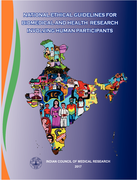
These guidelines are applicable to all biomedical, social and behavioural science research for health conducted in India involving human participants, their biological material and data.
The purpose of such research should be: i. directed towards enhancing knowledge about the human condition while
...
maintaining sensitivity to the Indian cultural, social and natural environment; ii. conducted under conditions such that no person or persons become mere means for the betterment of others and that human beings who are participating in any biomedical and/or health research or scientific experimentation are dealt with in a manner conducive to and consistent with their dignity and well-being, under conditions of professional fair treatment and transparency; and iii. subjected to a regime of evaluation at all stages of the research, such as design, conduct and reporting of the results thereof.
more
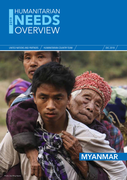
Myanmar 2019 Humanitarian needs overview
recommended
Over 244,000 displaced people remain in camps or camp-like situations in Kachin, Shan, Rakhine
and Kayin states. Children make up at least 50 per cent of this population, while women and„Myanmar: 2019 Humanitarian Needs Overview - Myanmar“. ReliefWeb. Zugegriffen 4. Januar 2019. https://reliefw
...
eb.int/report/myanmar/myanmar-2019-humanitarian-needs-overview.
children together make up about 77 per cent. This includes approximately 97,000 people in
Kachin, 8,800 in Shan and 10,300 in Kayin who remain displaced as a result of the armed conflict.
It also includes about 128,000 people in Rakhine, the vast majority of whom are stateless, who
were displaced as a result of the violence in 2012.
more
