Filter
3293
Text search:
critical
illness
Featured
357
846
Language
3197
70
64
54
42
23
21
10
6
6
5
4
4
3
3
2
2
2
2
2
2
2
2
2
1
1
1
1
1
1
1
1
1
1
1
1
1
1
1
1
1
1
Document type
1843
479
476
201
102
70
61
27
16
10
3
3
Countries
154
130
97
81
80
69
67
65
59
57
53
52
48
47
44
43
43
40
37
36
30
28
26
25
23
23
22
22
21
18
16
16
15
15
15
15
14
14
14
13
12
12
11
10
10
9
9
9
8
8
7
6
6
6
6
6
5
5
5
5
5
4
4
4
4
4
4
4
3
3
3
3
3
3
3
3
2
2
2
2
2
2
2
2
2
2
2
2
2
2
1
1
1
1
1
1
1
1
1
1
1
1
1
1
1
1
1
1
1
1
1
1
Authors & Publishers
484
178
133
97
93
76
76
52
48
35
27
24
21
19
19
16
15
15
15
13
13
12
12
12
12
11
11
11
11
10
10
10
10
10
10
10
9
9
9
9
8
8
8
8
8
8
8
8
8
8
7
7
7
7
7
7
7
6
6
6
6
6
6
6
6
6
6
5
5
5
5
5
5
5
5
5
5
5
5
5
5
5
5
5
5
5
5
5
5
5
4
4
4
4
4
4
4
4
4
4
4
4
4
4
4
4
4
4
4
4
4
4
4
4
4
4
4
4
4
4
4
4
4
4
4
4
4
4
4
4
3
3
3
3
3
3
3
3
3
3
3
3
3
3
3
3
3
3
3
3
3
3
3
3
3
3
3
3
3
3
3
3
3
3
3
3
3
3
3
3
3
3
3
3
3
3
3
3
3
3
3
3
3
3
3
3
3
3
3
3
3
3
3
3
3
3
3
3
3
3
3
3
3
3
3
2
2
2
2
2
2
2
2
2
2
2
2
2
2
2
2
2
2
2
2
2
2
2
2
2
2
2
2
2
2
2
2
2
2
2
2
2
2
2
2
2
2
2
2
2
2
2
2
2
2
2
2
2
2
2
2
2
2
2
2
2
2
2
2
2
2
2
2
2
2
2
2
2
2
2
2
2
2
2
2
2
2
2
2
2
2
2
2
2
2
2
2
2
2
2
2
2
2
2
2
2
2
2
2
2
2
2
2
2
2
2
2
2
2
2
2
2
2
2
2
2
2
2
2
2
2
2
2
2
2
2
2
2
2
2
2
2
2
2
2
2
2
2
2
2
2
2
2
2
2
2
2
2
2
2
2
2
2
2
2
2
2
2
2
2
2
2
2
2
2
2
2
2
2
2
2
2
2
1
1
1
1
1
1
1
1
1
1
1
1
1
1
1
1
1
1
1
1
1
1
1
1
1
1
1
1
1
1
1
1
1
1
1
1
1
1
1
1
1
1
1
1
1
1
1
1
1
1
1
1
1
1
1
1
1
1
1
1
1
1
1
1
1
1
1
1
1
1
1
1
1
1
1
1
1
1
1
1
1
1
1
1
1
1
1
1
1
1
1
1
1
1
1
1
1
1
1
1
1
1
1
1
1
1
1
1
1
1
1
1
1
1
1
1
1
1
1
1
1
1
1
1
1
1
1
1
1
1
1
1
1
1
1
1
1
1
1
1
1
1
1
1
1
1
1
1
1
1
1
1
1
1
1
1
1
1
1
1
1
1
1
1
1
1
1
1
1
1
1
1
1
1
1
1
1
1
1
1
1
1
1
1
1
1
1
1
1
1
1
1
1
1
1
1
1
1
1
1
1
1
1
1
1
1
1
1
1
1
1
1
1
1
1
1
1
1
1
1
1
1
1
1
1
1
1
1
1
1
1
1
1
1
1
1
1
1
1
1
1
1
1
1
1
1
1
1
1
1
1
1
1
1
1
1
1
1
1
1
1
1
1
1
1
1
1
1
1
1
1
1
1
1
1
1
1
1
1
1
1
1
1
1
1
1
1
1
1
1
1
1
1
1
1
1
1
1
1
1
1
1
1
1
1
1
1
1
1
1
1
1
1
1
1
1
1
1
1
1
1
1
1
1
1
1
1
1
1
1
1
1
1
1
1
1
1
1
1
1
1
1
1
1
1
1
1
1
1
1
1
1
1
1
1
1
1
1
1
1
1
1
1
1
1
1
1
1
1
1
1
1
1
1
1
1
1
1
1
1
1
1
1
1
1
1
1
1
1
1
1
1
1
1
1
1
1
1
1
1
1
1
1
1
1
1
1
1
1
1
1
1
1
1
1
1
1
1
1
1
1
1
1
1
1
1
1
1
1
1
1
1
1
1
1
1
1
1
1
1
1
1
1
1
1
1
1
1
1
1
1
1
1
1
1
1
1
1
1
1
1
1
1
1
1
1
1
1
1
1
1
1
1
1
1
1
1
1
1
1
1
1
1
1
1
1
1
1
1
1
1
1
1
1
1
1
1
1
1
1
1
1
1
1
1
1
1
1
1
1
1
1
1
1
1
1
1
1
1
1
1
1
1
1
1
1
1
1
1
1
1
1
1
1
1
1
1
1
1
1
1
1
1
1
1
1
1
1
1
1
1
1
1
1
1
1
1
1
1
1
1
1
1
1
1
1
1
1
1
1
1
1
1
1
1
1
1
1
1
1
1
1
1
1
1
1
1
1
1
1
1
1
1
1
1
1
1
1
1
1
1
1
1
1
1
1
1
1
1
1
1
1
1
1
1
1
1
1
1
1
1
1
1
1
1
1
1
1
1
1
1
1
1
1
1
1
1
1
1
1
1
1
1
1
1
1
1
1
1
1
1
1
1
1
1
1
1
1
1
1
1
1
1
1
1
1
1
1
1
1
1
1
1
1
1
1
1
1
1
1
1
1
1
1
1
1
1
1
1
1
1
1
1
1
1
1
1
1
1
1
1
1
1
1
1
1
1
1
1
1
1
1
1
1
1
1
1
1
1
1
1
1
1
1
1
1
1
1
1
1
1
1
1
1
1
1
1
1
1
1
1
1
1
1
1
1
1
1
1
1
1
1
1
1
1
1
1
1
1
1
1
1
1
1
1
1
1
1
1
1
1
1
1
1
1
1
1
1
1
1
1
1
1
1
1
1
1
1
1
1
1
1
1
1
1
1
1
1
1
1
1
1
1
1
1
1
1
1
1
1
1
1
1
1
1
1
1
1
1
1
1
1
1
1
1
1
1
1
1
1
1
1
1
1
1
1
1
1
1
1
1
1
1
1
1
1
1
1
1
1
1
1
1
1
1
1
1
1
1
1
1
1
1
1
1
1
1
1
1
1
1
1
1
1
1
1
1
1
1
1
1
1
1
1
1
1
1
1
1
1
1
1
1
1
1
1
1
1
1
1
1
1
1
1
1
1
1
1
1
1
1
1
1
1
1
1
1
1
1
1
1
1
1
1
1
1
1
1
1
1
1
1
1
1
1
1
1
1
1
1
1
1
1
1
1
1
1
1
1
1
1
1
1
1
1
1
1
1
1
1
1
1
1
1
1
1
1
1
1
1
1
1
1
1
1
1
1
1
1
1
1
1
1
1
1
1
1
1
1
1
1
1
1
1
1
1
1
1
1
1
1
1
1
1
1
1
1
1
1
1
1
1
1
1
1
1
1
1
1
1
1
1
1
1
1
1
1
1
1
1
1
1
1
1
1
1
1
1
1
1
1
1
1
1
1
1
1
1
1
1
1
1
1
1
1
1
1
1
1
1
1
1
1
1
1
1
1
1
1
1
1
1
1
1
1
1
1
1
1
1
1
1
1
1
1
1
1
1
1
1
1
1
1
1
1
1
1
1
1
1
1
1
1
1
1
1
1
1
1
1
1
1
1
1
1
1
1
1
1
1
1
1
1
1
1
1
1
1
1
1
1
1
1
1
1
1
1
1
1
1
1
1
1
1
1
1
1
1
1
1
1
1
1
1
1
1
1
1
1
1
1
1
1
1
1
1
1
1
1
1
1
1
1
1
1
1
1
1
1
1
1
1
1
1
1
1
1
1
1
1
1
1
1
1
1
1
1
1
1
1
1
1
1
1
1
1
1
1
1
1
1
1
1
1
1
1
1
1
1
1
1
1
1
1
1
1
1
1
1
1
1
1
1
1
1
1
1
1
1
1
1
1
1
1
1
1
1
1
1
1
1
1
1
1
1
1
1
1
1
1
1
1
1
1
1
1
1
1
1
1
1
1
1
1
1
1
1
1
1
1
1
1
1
1
1
1
1
1
1
1
1
1
1
1
1
1
1
1
1
1
1
1
1
1
1
1
1
1
1
1
1
1
1
1
1
1
1
1
1
1
1
1
1
1
1
1
1
1
1
1
1
1
1
1
1
1
1
1
1
1
1
1
1
1
1
1
1
1
1
1
1
1
1
1
1
1
1
1
1
1
1
1
1
1
1
1
1
1
1
1
1
1
1
1
1
1
1
1
1
1
1
1
1
1
1
1
1
1
1
1
1
1
1
1
1
1
1
1
1
1
1
1
1
1
1
1
1
1
1
1
1
1
1
1
1
1
1
1
1
1
1
1
1
1
1
1
1
1
1
1
1
1
1
1
1
1
1
1
1
1
1
1
1
1
1
1
1
1
1
1
1
1
1
1
1
1
1
1
1
1
1
1
1
1
1
1
1
1
1
1
1
1
1
1
1
1
1
1
1
1
1
1
1
1
1
1
1
1
1
1
1
1
1
1
1
1
1
1
1
1
1
1
1
1
1
1
1
1
1
1
1
1
1
1
1
1
1
1
1
1
1
1
1
1
1
1
1
1
1
1
1
1
1
1
1
1
1
1
1
1
1
1
1
1
1
1
1
1
1
1
1
1
1
1
1
1
1
1
1
1
1
1
1
1
1
1
1
1
1
1
1
1
1
1
1
1
1
1
1
1
1
1
1
1
1
1
1
1
1
1
1
1
1
1
1
1
1
1
1
1
1
1
1
1
1
1
1
1
1
1
1
1
1
1
1
1
1
1
1
1
1
1
1
1
1
1
1
1
1
1
1
1
1
1
1
1
1
1
1
1
1
1
1
1
1
1
1
1
1
1
1
1
1
1
1
1
1
1
1
1
1
1
1
1
1
1
1
1
1
1
1
1
1
1
1
1
1
1
1
1
1
1
1
1
1
1
1
1
1
1
1
1
1
1
1
1
1
1
1
1
1
1
1
1
1
1
1
1
1
1
1
1
1
1
1
1
1
1
1
1
1
1
1
1
1
1
1
1
1
1
1
1
1
1
1
1
1
1
1
1
1
1
1
1
1
1
1
1
1
1
1
1
1
1
1
1
1
1
1
1
1
1
1
1
1
1
1
1
1
1
1
1
1
1
1
1
1
1
1
1
1
1
1
1
1
1
1
1
1
1
1
1
1
1
1
1
1
1
1
1
1
1
1
1
1
1
1
1
1
1
1
1
1
1
1
1
1
1
1
1
1
1
1
1
1
1
1
1
1
1
1
1
1
1
1
1
1
1
1
1
1
1
1
1
1
1
1
1
1
1
1
1
1
1
1
1
1
1
1
1
1
1
1
1
1
1
1
1
1
1
1
1
1
1
1
1
1
1
1
1
1
1
1
1
1
1
1
1
1
1
1
1
1
1
1
1
1
1
1
1
1
1
1
1
1
1
1
1
1
1
1
1
1
1
1
1
1
1
1
1
1
1
1
1
1
1
1
1
1
1
1
1
1
1
1
1
1
1
1
1
1
1
1
1
1
1
1
1
1
1
1
1
1
1
1
1
1
1
1
1
1
1
1
1
1
1
1
1
1
1
1
1
1
1
1
1
1
1
1
1
1
1
1
1
1
1
1
1
1
1
1
1
1
1
1
1
1
1
1
1
1
1
1
1
1
1
1
1
1
1
1
1
1
1
1
1
1
1
1
1
1
1
1
1
1
1
1
1
1
1
1
1
1
1
1
1
1
1
1
1
1
1
1
1
1
1
1
1
1
1
1
1
1
1
1
1
1
1
1
1
1
1
1
1
1
1
1
1
1
1
1
1
1
1
1
1
1
1
1
1
1
1
1
1
1
1
1
1
1
1
1
1
1
1
1
1
1
1
1
1
1
1
1
1
1
1
1
1
1
1
1
1
1
1
1
1
1
1
1
1
1
1
1
1
1
1
1
1
1
1
1
1
1
1
1
1
1
1
1
1
1
1
1
1
1
1
1
1
1
1
1
1
1
1
1
1
1
1
1
1
1
1
1
1
1
1
1
1
1
1
1
1
1
1
1
1
1
1
1
1
1
1
1
1
1
1
1
1
1
1
1
1
1
1
1
1
1
1
1
1
1
1
1
1
1
1
1
1
1
1
1
1
1
1
1
1
1
1
1
1
1
1
1
1
1
1
1
1
1
1
1
1
1
1
1
1
1
1
1
1
1
1
1
1
1
1
1
1
1
1
1
1
1
1
1
1
1
1
1
1
1
1
1
1
1
1
1
1
1
1
1
1
1
1
1
1
1
1
1
1
1
1
1
1
1
1
1
1
1
1
1
1
1
1
1
1
1
1
1
1
1
1
1
1
1
1
1
1
1
1
1
1
1
1
1
1
1
1
1
1
1
1
1
1
1
1
1
1
1
1
1
1
1
1
1
1
1
1
1
1
1
1
1
1
1
1
1
1
1
1
1
1
1
1
1
1
1
1
1
1
1
1
1
1
1
1
1
1
1
1
1
1
1
1
1
1
1
1
1
1
1
1
1
1
1
1
1
1
1
1
1
1
1
1
1
1
1
1
1
1
1
1
1
1
1
1
1
1
1
1
1
1
1
1
1
1
1
1
1
1
1
1
1
1
1
1
1
1
1
1
1
1
1
1
1
1
1
1
1
1
1
1
1
1
1
1
1
1
1
1
1
1
1
1
1
1
1
1
1
1
1
1
1
1
1
1
1
1
1
1
1
1
1
1
1
1
1
1
1
1
1
1
1
1
1
1
1
1
1
1
1
1
1
1
1
1
1
1
Publication Years
919
1997
361
15
1
Category
1209
284
211
199
115
85
28
2
1
1
Toolboxes
390
306
205
144
139
132
128
110
99
93
66
62
53
53
39
38
30
27
22
20
19
14
12
1
his guidance provides interim guidance for the integration of SARS-CoV-2 and influenza virologic and genomic surveillance, from sentinel site case enrolment and sampling to the eventual sharing of the virus sequence data, a process known as end-to-end surveillance. This guidance builds on experience
...
s and lessons learned as countries adapted their influenza surveillance systems in the context of the COVID-19 pandemic and reviews new evidence to provide guidance on end-to-end surveillance. The guidance includes new algorithms and strategies to adapt sentinel systems to make them resilient and agile for addressing global and national surveillance needs for influenza and COVID-19.covid-
more

International Health and Human Rights (2018) 18:18
Disability awareness, Community, Attitudes, Experts-by-experience
Community Health Volunteers
The substantial burden of death and disability that results from interpersonal violence, road traffic injuries, unintentional injuries, occupational health risks, air pollution, climate change, and inadequate water and sanitation falls disproportionally on low- and middle-income countries. Injury Pr
...
evention and Environmental Health addresses the risk factors and presents updated data on the burden, as well as economic analyses of platforms and packages for delivering cost-effective and feasible interventions in these settings. The volume's contributors demonstrate that implementation of a range of prevention strategies-presented in an essential package of interventions and policies-could achieve a convergence in death and disability rates that would avert more than 7.5 million deaths a year.
more
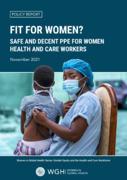
One of the many gender inequities in the health and care workforce that COVID-19 has exposed is around the fit and design of Personal Protective Equipment (PPE). The rapid onset and scale of COVID-19 led to shortages of PPE in most countries, causing preventable infection and mortality among healthc
...
are workers and others on the front lines. Even though most health workers are women, manufacturing specifications for medical PPE are usually drawn up based on the male body and there have been many reports of PPE not designed for women's bodies.
more
This fact sheet is based on a systematic review of the literature on HPV and cervical cancer epidemiology, and a survey on policies and practices related to the prevention and control of cervical cancer among women living with HIV (WLHIV) to PAHO Member States. It details scorecards on the advances
...
of countries against WHO recommendations and international commitments for cervical cancer prevention and control among WLHIV.
more
Working towards better COVID-19 outcomes in the WHO European Region.From the first COVID-19 cases in Europe reported on
24 January 2020, the pandemic reached 1 million cases
within 3 months, 10 million cases within 8 months, and
100 million cases in Europe alone within 2 years. Over
the course o
...
f its two years, COVID-19 has claimed over
1.6 million lives across Europe and Central Asia. The
World Health Organization (WHO) European Region has
accounted for close to a third of the cumulative global
COVID-19 cases and deaths.
more
Within an Australian context, the medium to long-term health impacts of climate change are likely to be wide, varied and amplify many existing disorders and health inequities. How the health system responds to these challenges will be best considered in the context of existing health facilities and
...
services. This paper provides a snapshot of the understanding that Australian health planners have of the potential health impacts of climate change.
more
WHO's Health in the Green Economy sector briefings examine the health impacts of climate change mitigation strategies considered by the Intergovernmental Panel on Climate Change in their Fourth Assessment Report (Climate Change, 2007). Large, immediate health benefits from some climate change strate
...
gies are to be expected.
more
PlosOne https://doi.org/10.1371/journal.pone.0196799; Zoonotic diseases continue to be a public health burden globally. Uganda is especially vulnerable due to its location, biodiversity, and population. Given these concerns, the Ugandan government in collaboration with the Global Health Security Age
...
nda conducted a One Health Zoonotic Disease Prioritization Workshop to identify zoonotic diseases of greatest national concern to the Ugandan government.
more

The new review paper, The Impacts of Climate Change on Health, identifies the extent to which increasing emissions, extreme weather and temperatures elevate health risks, from infectious disease to malnutrition, and assesses the associated health burden. It concludes that the health burden will exce
...
ed the level of demand that health systems are prepared for.
more
BackgroundClimate change is one of the great challenges of our time. The consequences of climate change on exposed biological subjects, as well as on vulnerable societies, are a concern for the entire scientific community. Rising temperatures, heat waves, floods, tornadoes, hurricanes, droughts, fir
...
es, loss of forest, and glaciers, along with disappearance of rivers and desertification, can directly and indirectly cause human pathologies that are physical and mental.
more
The climate crisis has many consequences – among them widespread health impacts that will lead to immense societal, ecological, and economic harm.
Over the past two decades multiple large-scale reviews on climate change and health have made clear the need for a multi-sectoral approach to target t
...
he drivers and impacts of climate change, biodiversity loss, and ecosystem degradation. Despite this abundance of scientific evidence underscoring urgency of action, policy implementation responses lag behind. Even at COP26, itself delayed due to an ongoing pandemic, health continues to be considered by many countries a problem independent from climate and environment.
more
The Strategy provides a high-level unifying framework to leverage existing capacities, address barriers and strengthen the use of genomic surveillance in the detection, monitoring and response to public health threats. Genomic surveillance is part of the broader surveillance and laboratory system, a
...
nd its implementation should reinforce end-to-end capacities including sample collection, diagnostics, data sharing and analysis. The strategy aims to facilitate the connectivity between different disease control programs and surveillance networks. This interoperability will strengthen the cross-cutting essential public health laboratory functions underpinning genomics holistically. The strategy articulates the overarching goal, objectives and strategic actions needed. These are dependent on commitments from countries, partners and WHO for their implementation.
more
Environmental Research Volume 151, November 2016, Pages 115-123
Dengue is the world’s most important arboviral disease in terms of number of people affected. Over the past 50 years, incidence increased 30-fold: there were approximately 390 million infections in 2010. Globalization, trade, travel,
...
demographic trends, and warming temperatures are associated with the recent spread of the primary vectors Aedes aegypti and Aedes albopictus and of dengue. Overall, models project that new geographic areas along the fringe of current geographic ranges for Aedes will become environmentally suitable for the mosquito’s lifecycle, and for dengue transmission. Many endemic countries where dengue is likely to spread further have underdeveloped health systems, increasing the substantial challenges of disease prevention and control. Control focuses on management of Aedes, although these efforts have typically had limited effectiveness in preventing outbreaks. New prevention and control efforts are needed to counter the potential consequences of climate change on the geographic range and incidence of dengue, including novel methods of vector control and dengue vaccines.
more
nt. J. Environ. Res. Public Health 2014, 11(12), 13097-13116; https://doi.org/10.3390/ijerph111213097
Climate change will increase the frequency and magnitude of extreme weather events and create risks that will impact health care facilities. Health care facilities will need to assess climate chang
...
e risks and adopt adaptive management strategies to be resilient, but guidance tools are lacking. In this study, a toolkit was developed for health care facility officials to assess the resiliency of their facility to climate change impacts. A mixed methods approach was used to develop climate change resiliency indicators to inform the development of the toolkit. The toolkit consists of a checklist for officials who work in areas of emergency management, facilities management and health care services and supply chain management, a facilitator’s guide for administering the checklist, and a resource guidebook to inform adaptation. Six health care facilities representing three provinces in Canada piloted the checklist. Senior level officials with expertise in the aforementioned areas were invited to review the checklist, provide feedback during qualitative interviews and review the final toolkit at a stakeholder workshop. The toolkit helps health care facility officials identify gaps in climate change preparedness, direct allocation of adaptation resources and inform strategic planning to increase resiliency to climate change.
more