
Filter
978
Text search:
sepsis
Featured
129
276
Language
Document type
497
233
114
56
21
18
18
8
5
5
1
1
1
Countries
87
26
26
23
23
21
21
19
18
17
17
16
16
15
14
14
14
12
11
10
9
9
9
8
8
8
8
7
7
7
6
6
6
6
6
6
5
5
4
4
4
4
4
4
4
3
3
3
3
3
3
3
3
2
2
2
2
2
2
2
1
1
1
1
1
1
1
1
1
1
1
1
1
1
1
1
1
1
1
1
1
Authors & Publishers
Publication Years
Category
474
153
138
24
23
22
7
Toolboxes
124
92
63
30
24
23
20
15
15
15
14
13
8
7
6
5
4
2
2
2
1
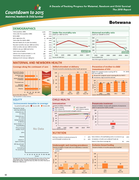
The Countdown country profile presents in one place the best and latest evidence to enable an assessment of a country’s progress in improving reproductive, maternal, newborn, and child health (RMNCH)
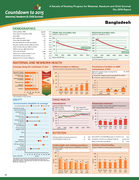
The Countdown country profile presents in one place the best and latest evidence to enable an assessment of a country’s progress in improving reproductive, maternal, newborn, and child health (RMNCH)
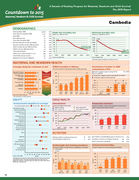
The Countdown country profile presents in one place the best and latest evidence to enable an assessment of a country’s progress in improving reproductive, maternal, newborn, and child health (RMNCH)
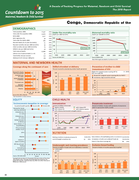
The Countdown country profile presents in one place the best and latest evidence to enable an assessment of a country’s progress in improving reproductive, maternal, newborn, and child health (RMNCH)
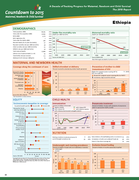
The Countdown country profile presents in one place the best and latest evidence to enable an assessment of a country’s progress in improving reproductive, maternal, newborn, and child health (RMNCH)
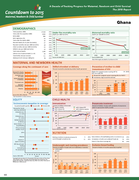
The Countdown country profile presents in one place the best and latest evidence to enable an assessment of a country’s progress in improving reproductive, maternal, newborn, and child health (RMNCH)
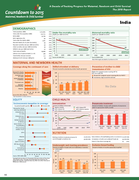
The Countdown country profile presents in one place the best and latest evidence to enable an assessment of a country’s progress in improving reproductive, maternal, newborn, and child health (RMNCH)
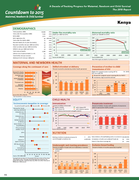
The Countdown country profile presents in one place the best and latest evidence to enable an assessment of a country’s progress in improving reproductive, maternal, newborn, and child health (RMNCH)
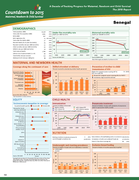
The Countdown country profile presents in one place the best and latest evidence to enable an assessment of a country’s progress in improving reproductive, maternal, newborn, and child health (RMNCH)
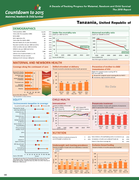
The Countdown country profile presents in one place the best and latest evidence to enable an assessment of a country’s progress in improving reproductive, maternal, newborn, and child health (RMNCH)
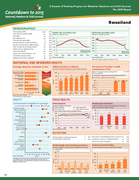
The Countdown country profile presents in one place the best and latest evidence to enable an assessment of a country’s progress in improving reproductive, maternal, newborn, and child health (RMNCH)
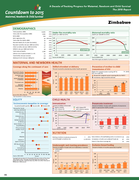
The Countdown country profile presents in one place the best and latest evidence to enable an assessment of a country’s progress in improving reproductive, maternal, newborn, and child health (RMNCH)

The aim of this report is to: (1) synthesize the findings from selected maternal and newborn related studies in Nepal conducted during 2011-2014, (2) identify areas of improvement in existing interventions, and (3) recommend possible strategies to fulfill such gaps.
Neonatal mortality is a major challenge in reducing child mortality rates in Nepal. Despite efforts by the Government of Nepal, data from the last three demographic and health surveys show a rise in the contribution of neonatal deaths to infant and child mortality. The Government of Nepal has implem
...

The Newborn Situational Analysis reports of 2009 and 2011, as well as the “Bottleneck analysis on neonatal health” of 2013, culminated in the Nigeria launch of “Call to action on Newborn health” at the first National Newborn Health Conference in 2014. This call to action provided the framewo
...
Building on Nigeria’s Call to Action to Save Newborn Lives, the Federal Ministry of Health (FMoH) has developed the National Strategy and Implementation Plan for Scale-up of Chlorhexidine. The Ministry incorporated existing maternal, newborn, and child health plans with additional comprehensive st
...

From 2000 to 2010, Rwanda implemented comprehensive health sector reforms to strengthen the public health system, with the aim of reducing maternal and newborn deaths in line with Millennium Development Goal 5, among many other improvements in national health. Based on a systematic review of the lit
...

This document was prepared in response to a need to review and potentially update the current recommendations for the antibiotic treatment of both inpatient and outpatient management of severe acute malnutrition (SAM). The current recommendations (Table 1) are based on guidelines published in 2013 i
...
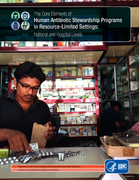
Formularies are lists of antibiotics that are suggested for certain healthcare settings. In developing a recommended formulary, countries should consider the needs of patients and facilities where they receive care. For example, clinicians in rural or primary health centers may need wide access to f
...
