
Filter
2147
Text search:
post
training
follow
up
tool
Featured
241
675
Language
2119
40
27
21
18
13
12
5
5
4
4
4
3
3
3
3
2
2
2
2
2
2
2
1
1
1
1
1
1
1
1
1
1
1
1
1
1
Document type
1389
262
215
142
63
49
11
6
4
2
2
2
Countries
100
74
72
68
57
52
50
50
49
43
42
41
38
35
35
34
31
29
28
22
22
19
18
18
16
16
15
15
15
15
13
13
11
11
10
9
9
9
9
9
6
6
6
6
6
5
5
5
5
5
4
4
4
4
4
4
4
4
3
3
3
3
3
3
3
2
2
2
2
2
2
2
2
2
2
2
2
2
2
2
1
1
1
1
1
1
1
1
1
1
1
1
1
1
1
1
1
1
1
1
1
1
1
1
1
1
1
1
1
1
1
1
1
1
1
Authors & Publishers
254
113
108
55
53
49
46
41
33
16
16
14
14
13
13
13
12
12
12
11
11
10
10
10
10
9
9
8
8
8
8
8
7
7
7
7
7
7
7
7
7
6
6
6
6
6
6
6
6
6
6
6
6
5
5
5
5
5
5
5
5
5
5
5
5
5
5
4
4
4
4
4
4
4
4
4
4
4
4
4
4
4
4
4
4
4
4
4
4
4
4
4
4
4
4
4
3
3
3
3
3
3
3
3
3
3
3
3
3
3
3
3
3
3
3
3
3
3
3
3
3
3
3
3
3
3
3
3
3
3
3
3
3
3
3
3
3
3
3
3
3
3
3
3
3
3
3
3
3
3
3
3
3
3
3
3
3
2
2
2
2
2
2
2
2
2
2
2
2
2
2
2
2
2
2
2
2
2
2
2
2
2
2
2
2
2
2
2
2
2
2
2
2
2
2
2
2
2
2
2
2
2
2
2
2
2
2
2
2
2
2
2
2
2
2
2
2
2
2
2
2
2
2
2
2
2
2
2
2
2
2
2
2
2
2
2
2
2
2
2
2
2
2
2
2
2
2
2
2
2
2
2
2
2
2
2
2
2
2
2
2
2
2
2
2
2
2
2
2
2
2
2
2
2
2
2
2
2
2
2
2
2
2
1
1
1
1
1
1
1
1
1
1
1
1
1
1
1
1
1
1
1
1
1
1
1
1
1
1
1
1
1
1
1
1
1
1
1
1
1
1
1
1
1
1
1
1
1
1
1
1
1
1
1
1
1
1
1
1
1
1
1
1
1
1
1
1
1
1
1
1
1
1
1
1
1
1
1
1
1
1
1
1
1
1
1
1
1
1
1
1
1
1
1
1
1
1
1
1
1
1
1
1
1
1
1
1
1
1
1
1
1
1
1
1
1
1
1
1
1
1
1
1
1
1
1
1
1
1
1
1
1
1
1
1
1
1
1
1
1
1
1
1
1
1
1
1
1
1
1
1
1
1
1
1
1
1
1
1
1
1
1
1
1
1
1
1
1
1
1
1
1
1
1
1
1
1
1
1
1
1
1
1
1
1
1
1
1
1
1
1
1
1
1
1
1
1
1
1
1
1
1
1
1
1
1
1
1
1
1
1
1
1
1
1
1
1
1
1
1
1
1
1
1
1
1
1
1
1
1
1
1
1
1
1
1
1
1
1
1
1
1
1
1
1
1
1
1
1
1
1
1
1
1
1
1
1
1
1
1
1
1
1
1
1
1
1
1
1
1
1
1
1
1
1
1
1
1
1
1
1
1
1
1
1
1
1
1
1
1
1
1
1
1
1
1
1
1
1
1
1
1
1
1
1
1
1
1
1
1
1
1
1
1
1
1
1
1
1
1
1
1
1
1
1
1
1
1
1
1
1
1
1
1
1
1
1
1
1
1
1
1
1
1
1
1
1
1
1
1
1
1
1
1
1
1
1
1
1
1
1
1
1
1
1
1
1
1
1
1
1
1
1
1
1
1
1
1
1
1
1
1
1
1
1
1
1
1
1
1
1
1
1
1
1
1
1
1
1
1
1
1
1
1
1
1
1
1
1
1
1
1
1
1
1
1
1
1
1
1
1
1
1
1
1
1
1
1
1
1
1
1
1
1
1
1
1
1
1
1
1
1
1
1
1
1
1
1
1
1
1
1
1
1
1
1
1
1
1
1
1
1
1
1
1
1
1
1
1
1
1
1
1
1
1
1
1
1
1
1
1
1
1
1
1
1
1
1
1
1
1
1
1
1
1
1
1
1
1
1
1
1
1
1
1
1
1
1
1
1
1
1
1
1
1
1
1
1
1
1
1
1
1
1
1
1
1
1
1
1
1
1
1
1
1
1
1
1
1
1
1
1
1
1
1
1
1
1
1
1
1
1
1
1
1
1
1
1
1
1
1
1
1
1
1
1
1
1
1
1
1
1
1
1
1
1
1
1
1
1
1
1
1
1
1
1
1
1
1
1
1
1
1
1
1
1
1
1
1
1
1
1
1
1
1
1
1
1
1
1
1
1
1
1
1
1
1
1
1
1
1
1
1
1
1
1
1
1
1
1
1
1
1
1
1
1
1
1
1
1
1
1
1
1
1
1
1
1
1
1
1
1
1
1
1
1
1
1
1
1
1
1
1
1
1
1
1
1
1
1
1
1
1
1
1
1
1
1
1
1
1
1
1
1
1
1
1
1
1
1
1
1
1
1
1
1
1
1
1
1
1
1
1
1
1
1
1
1
1
1
1
1
1
1
1
1
1
1
1
1
1
1
1
1
1
1
1
1
1
1
1
1
1
1
1
1
1
1
1
1
1
1
1
1
1
1
1
1
1
1
1
1
1
1
1
1
1
1
1
1
1
1
1
1
1
1
1
1
1
1
1
1
1
1
1
1
1
1
1
1
1
1
1
1
1
1
1
1
1
1
1
1
1
1
1
1
1
1
1
1
1
1
1
1
1
1
1
1
1
1
1
1
1
1
1
1
1
1
1
1
1
1
1
1
1
1
1
1
1
1
1
1
1
1
1
1
1
1
1
1
1
1
1
1
1
1
1
1
1
1
1
1
1
1
1
1
1
1
1
1
1
1
1
1
1
1
1
1
1
1
1
1
1
1
1
1
1
1
1
1
1
1
1
1
1
1
1
1
1
1
1
1
1
1
1
1
1
1
1
1
1
1
1
1
1
1
1
1
1
1
1
1
1
1
1
1
1
1
1
1
1
1
1
1
1
1
1
1
1
1
1
1
1
1
1
1
1
1
1
1
1
1
1
1
1
1
1
1
1
1
1
1
1
1
1
1
1
1
1
1
1
1
1
1
1
1
1
1
1
1
1
1
1
1
1
1
1
1
1
1
1
1
1
1
1
1
1
1
1
1
1
1
1
1
1
1
1
1
1
1
1
1
1
1
1
1
1
1
1
1
1
1
1
1
1
1
1
1
1
1
1
1
1
1
1
1
1
1
1
1
1
1
1
1
1
1
1
1
1
1
1
1
1
1
1
1
1
1
1
1
1
1
1
1
1
1
1
1
1
1
1
1
1
1
1
1
1
1
1
1
1
1
1
1
1
1
1
1
1
1
1
1
1
1
1
1
1
1
1
1
1
1
1
1
1
1
1
1
1
1
1
1
1
1
1
1
1
1
1
1
1
1
1
1
1
1
1
1
1
1
1
1
1
1
1
1
1
1
1
1
1
1
1
1
1
1
1
1
1
1
1
1
1
1
1
1
1
1
1
1
1
1
1
1
1
1
1
1
1
1
1
1
1
1
1
1
1
1
1
1
1
1
1
1
1
1
1
1
1
1
1
1
1
1
1
1
1
1
1
1
1
1
1
1
1
1
1
1
1
1
1
1
1
1
1
1
1
1
1
1
1
1
1
1
1
1
1
1
1
1
1
1
1
1
1
1
1
1
1
1
1
1
1
1
1
1
1
1
1
1
1
1
1
1
1
1
1
1
1
1
1
1
1
1
1
1
1
1
1
1
1
1
1
1
1
1
1
1
1
1
1
1
1
1
1
1
1
1
1
1
1
1
1
1
1
1
1
1
1
1
1
1
1
1
1
1
1
1
1
1
1
1
1
1
1
1
1
1
1
1
1
1
1
1
1
1
1
1
1
1
1
1
1
1
1
1
1
1
1
1
1
1
1
1
1
1
1
1
1
1
1
1
1
1
1
1
1
1
1
1
1
1
1
1
1
1
1
1
1
1
1
1
1
1
1
1
1
1
1
1
1
1
1
1
1
1
1
1
1
1
1
1
1
1
1
1
1
1
1
1
1
1
1
1
1
1
1
1
1
1
1
1
1
1
1
1
1
1
1
1
1
1
1
1
1
1
1
1
1
1
1
1
1
1
1
1
1
1
1
1
1
1
1
1
1
1
1
1
1
1
1
1
1
1
1
1
1
1
1
1
1
1
1
1
1
1
1
1
1
1
1
1
1
1
1
1
1
1
1
1
1
1
1
1
1
1
1
1
1
1
1
1
1
1
1
1
1
1
1
1
1
1
1
1
1
1
1
1
1
1
1
1
1
1
1
1
1
1
1
1
1
1
1
1
1
1
1
1
1
1
1
1
1
1
1
1
1
1
1
1
1
1
1
1
1
1
1
1
1
1
1
1
1
1
1
1
1
1
1
1
1
1
1
1
1
1
1
1
1
1
1
1
1
1
1
1
1
1
1
1
1
1
1
1
1
1
1
1
1
1
1
1
1
1
1
1
1
1
1
1
1
1
1
1
1
1
1
1
1
1
1
1
1
1
1
1
1
1
1
1
1
1
1
1
1
1
1
1
1
1
1
1
1
1
1
1
1
1
1
1
1
1
1
1
1
1
1
1
1
1
1
1
1
1
1
1
1
1
1
1
1
1
1
1
1
1
1
1
1
1
1
1
1
1
1
1
1
1
1
1
1
1
1
1
1
1
1
1
1
1
1
1
1
1
1
1
1
1
1
1
1
1
1
1
1
1
1
1
1
1
1
1
1
1
1
1
1
1
1
1
1
1
1
1
1
1
1
1
1
1
1
1
1
1
1
1
Publication Years
1
400
1490
247
8
1
Category
830
164
160
126
113
82
21
4
3
3
Toolboxes
178
155
111
109
86
75
59
58
48
46
41
36
35
35
30
29
18
15
12
11
10
7
6
1
1
Workplace Pandemic Preparedness. Facilitator Training Manual
Ministry of Health Ghana; NADMO Ghana
GiZ Deutsche Gesellschaft für Internationale Zusammenarbeit
(2013)
C1
Workplace Pandemic Preparedness. Training Manual
recommended
Ministry of Health Ghana; NADMO Ghana
GiZ Deutsche Gesellschaft für Internationale Zusammenarbeit
(2013)
C1
A training manual for identifying, assessing, preventing and controlling the risks of pandemics in the workplace. This training manual has been developed for both medical and non-medical personnel
...
who may be called upon to lead emergency response, (eg epidemic outbreak, etc), ensure effective containment whiles work continues and essential goods and services continue to be supplied.
The manual provides insight into some of the local epidemics experienced in Ghana such as Cholera, Cerebrospinal meningitis (CSM) and Influenza(s), the causes, signs and symptoms and preventive measures with a view to increasing knowledge among management, staff and their families as well as immediate communities within which they work.
more
This Training module on malaria elimination has been developed by WHO to support health professionals in planning, managing, monitoring and evaluating malaria elimination programmes.
Supporting exercises: These files are necessary for participants
...
to complete a number of exercises listed in the manual. Please go to the website: http://www.who.int/malaria/publications/atoz/9789241549424/en/
more
This Indicator-Based Pharmacovigilance Assessment Tool (IPAT) was developed as a comprehensive performance metric for pharmacovigilance and medicine safety systems.
Nosocomial or health-facility-acquired infections are a serious issue, representing one of the most significant causes of morbidity and mortality in healthcare systems and consuming many scarce resources, especially in developing countries. Although much has been done, particularly in the hospital s
...
etting, to reduce the risk of these infections, the problem persists and demands innovative and cost-efficient solutions.
Although the care provided in most primary health care facilities is predominantly ambulatory with few or no inpatient beds, infection prevention is still important to minimize or eliminate the risks of facility-acquired infections and assure quality patient care.
Health facilities and hospitals should have written infection control procedures and guidelines in place and should also be monitoring that these procedures are adhered to in both inpatient and ambulatory care settings.
more
The ICAT is a simple and practical approach for assessing the adequacy of existing infection prevention and control practices and provides specific recommendations for improving practices and monitoring their effectiveness over time
These toolkits were produced and used as part of the Moyo ndi Mpbamba project in Malawi to guide the community mobilization process in target districts.
WHO published and launched the third part of the Wheelchair Service Training Package (WSTP) series consisting of two sub-packages: the Wheelchair Service Training Package for Managers (WSTPm) and th
...
e Wheelchair Service Training Package for Stakeholders (WSTPs). WHO recognises that in order to develop an effective and sustainable wheelchair service provision; managers and stakeholders need to be informed about the importance and benefit of a proper wheelchair service provision. The training manuals and introductory folder comes with 8 GB PenDrive, which contains A to Z of the wheelchair provision.
more


Post-traumatic symptoms in Ghanaian children. Thesis for Master of Philosophy in Peace and Conflict Studies (PECOS). This study investigated whether Ghanaian children exposed to low intensity warfare experience symptoms of PTSD as described in the D
...
SM-IV. It also aimed to find out if there are culturally-specific ways of displaying the symptoms and in dealing with the trauma.
more
The aim of this study is to research deeply on the post-traumatic stress disorder in sexually abused children. Proving the presence of forms of the disorder in children and the their treatment mode will be in the center of the study. The methods use
...
d to conduct this study will be a literature review on the focused issue referring to reviews of articles which focus on the defined peer group. For the purpose we have selected only articles focusing on sexually abused children treated for post-traumatic stress disorder. The results of the study reveal that all forms of abuse could bring consequences on children, even more, posttraumatic stress is the language with which the victims communicate their sorrow in the most typical mode. Sexual abuse as one of the major forms of abuse, is among the most severe which cause irreversible consequences over a category of children. In conclusion we can assume that post-traumatic stress in sexually abused children might appear through the most severe forms of psychiatric and psychological symptoms and for the recovery and rehabilitation of the child in many cases the pharmacological treatment seems as the best choice for the child.
more
Lancet Psychiatry 2016;3: 415–24
Module 5
Monitoring and Evaluation
October 2018
Module 5: Monitoring and evaluation. This module is for people responsible for monitoring PrEP programmes at the national and site levels. It provides information on how to monitor PrEP for safety and effectiveness, suggesting core and additiona
...
l indicators for site-level, national and global reporting.
more
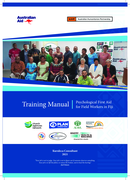
This Fiji contextualized manual was initially drafted for CANDO partners as a result of the work done by the humanitarian arms of the various Christian denominations. However as the work progressed it became evidently clear that the training was nee
...
ded for all responders, and not only Christian responders, and as such, the Christian component has been added as an Annex to this manual, whilst the entire manual is relevant and can be used to train all first responders in Fiji.
more
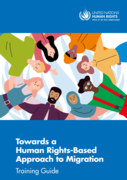
This training guide is designed to enable participants to understand the human rights perspective on migration, and how human rights laws and standards can be operationalized to make migration safer and an empowering experience for all. It provides
...
an introduction to related principles and issues and is designed for persons with limited knowledge of human rights or migration.
The training guide contains session plans for the trainer and is supported by sample slide presentations and associated materials, including activities and handouts for participants, which are available electronically as individual components.
more
