
Filter
559
Text search:
oxygen
sources
Featured
93
98
Language
Document type
227
109
107
52
34
17
9
2
1
1
Countries
31
20
18
17
16
13
12
12
12
11
9
9
8
8
8
7
7
7
6
6
6
6
5
5
4
4
4
4
4
3
3
3
3
3
3
2
2
2
2
2
2
2
2
2
1
1
1
1
1
1
1
1
1
1
1
1
1
1
1
1
1
1
1
Authors & Publishers
Publication Years
Category
226
47
37
34
29
8
6
1
Toolboxes
128
42
33
25
18
17
14
14
12
12
12
11
9
8
7
7
5
4
3
2
1
1
WHO/CDS/TB/99.272
Data from the 2000, 2005, and 2011 Demographic and Health Surveys. DHS Trend Reports No. 7
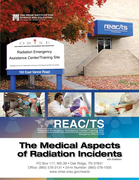
This pocket guide offers basic information needed for the medical management of victims of radiation incidents in an easy-to-understand manner.

"The aim of this book remains as for the first edition, namely to provide an initial point of ready
reference for the identification of hazards and precautions for dangerous chemicals. It is targeted
not only at those in the chemical and process industries, but also anyone likely to work with
che
...
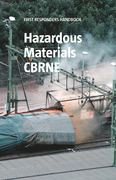
"The handbook is intended for use by the first responders
of the emergency services from the moment they
receive an alarm up to the first 30 minutes on scene at
an incident.
The handbook is envisaged to function as a checklist
and decision-support for personnel with existing knowledge
of emerg
...
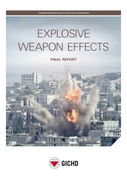
States, the United Nations and civil society organisations continue to raise concerns about the humanitarian impact caused by the use of explosive weapons in populated areas (EWIPA). This issue is currently being examined from political, legal, socio-economic and humanitarian perspectives. The GICHD
...
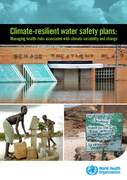
Long-term planning for an adequate and safe supply of drinking-water should be set in the context of growing external uncertainties arising from changes in the climate and environment. The water safety plan (WSP) process offers a systematic framework to manage these risks by considering the implica
...
Handbook of HUMANITARIAN HEALTH CARE LOGISTICS Designing the Supply Network and Managing the Flows of Information and Health Care Goods in Humanitarian Assistance during Complex Political Emergencies

The 2013 RMIS is a nationally representative, household-based survey that provides data on malaria indicators, which are used to assess the progress of a malaria control program. The primary objective of the 2013 Rwanda Malaria Indicator Survey (2013 RMIS) was to provide up-to date information on th
...
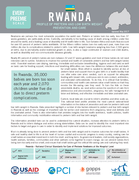
The information provided here can be used to understand the current situation, increase attention to preterm births in Rwanda and to inform dialogue and action among stakeholders. Data can be used to identify the most important risk factors to target and gaps in care in order to identify and impleme
...
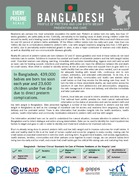
The information provided here can be used to understand the current situation, increase attention to preterm births in Rwanda and to inform dialogue and action among stakeholders. Data can be used to identify the most important risk factors to target and gaps in care in order to identify and impleme
...
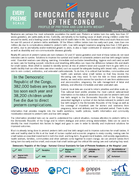
The information provided here can be used to understand the current situation, increase attention to preterm births in Rwanda and to inform dialogue and action among stakeholders. Data can be used to identify the most important risk factors to target and gaps in care in order to identify and impleme
...
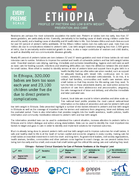
The information provided here can be used to understand the current situation, increase attention to preterm births in Rwanda and to inform dialogue and action among stakeholders. Data can be used to identify the most important risk factors to target and gaps in care in order to identify and impleme
...
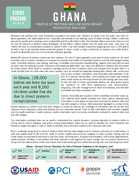
The information provided here can be used to understand the current situation, increase attention to preterm births in Rwanda and to inform dialogue and action among stakeholders. Data can be used to identify the most important risk factors to target and gaps in care in order to identify and impleme
...
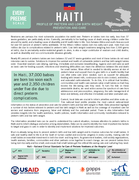
The information provided here can be used to understand the current situation, increase attention to preterm births in Rwanda and to inform dialogue and action among stakeholders. Data can be used to identify the most important risk factors to target and gaps in care in order to identify and impleme
...
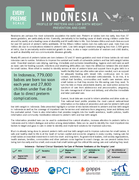
The information provided here can be used to understand the current situation, increase attention to preterm births in Rwanda and to inform dialogue and action among stakeholders. Data can be used to identify the most important risk factors to target and gaps in care in order to identify and impleme
...
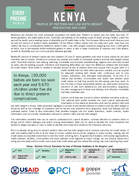
The information provided here can be used to understand the current situation, increase attention to preterm births in Rwanda and to inform dialogue and action among stakeholders. Data can be used to identify the most important risk factors to target and gaps in care in order to identify and impleme
...
