
Filter
310
Text search:
National
AIDS
Council,
Zimbabwe
Featured
Recommendations
19
New Publications
70
Language
Document type
No document type
226
Studies & Reports
41
Guidelines
27
Manuals
7
Strategic & Response Plan
5
Situation Updates
4
Countries / Regions
Zimbabwe
36
Zambia
20
South Africa
20
Africa
12
Malawi
11
Uganda
10
Kenya
10
Botswana
10
Lesotho
8
Mozambique
7
Ethiopia
6
Tanzania
6
Namibia
6
Eswatini/ Swaziland
6
Global
5
Nigeria
4
India
4
East and Southern Africa
4
Congo, Democratic Republic of
3
Ghana
3
Russia
3
Guinea
2
Sierra Leone
2
Liberia
2
Senegal
2
Rwanda
2
Ukraine
2
Southern Africa
2
Mali
1
Cameroon
1
Haiti
1
Nepal
1
Pakistan
1
South Sudan
1
Cambodia
1
Indonesia
1
Bangladesh
1
Benin
1
Central African Republic
1
Peru
1
Angola
1
Myanmar / Burma
1
West and Central Africa
1
Middle East and North Africa
1
South–East Asia Region
1
Western and Central Europe
1
Eastern Europe
1
Authors & Publishers
Publication Years
Category
Countries
115
Clinical Guidelines
26
Public Health
20
Women & Child Health
12
Key Resources
7
Pharmacy & Technologies
3
Capacity Building
1
Toolboxes
HIV
94
Disability
25
TB
15
Mental Health
11
COVID-19
8
AMR
7
Caregiver
6
Global Health Education
5
NTDs
5
Planetary Health
4
Natural Hazards
3
Pharmacy
3
Refugee
2
Health Financing Toolbox
2
Cholera
1
Conflict
1
Rapid Response
1
This fourth progress report November 2020 of the Global HIV Prevention Coalition reviews the progress in the 28 focus countries and complements the three previous progress reports. This report describes key developments in 2019–2020, identifies challenges and opportunities (including those associa
...
The COVID-19 pandemic is rapidly spreading across the world and including countries affected by other infectious disease epidemics, such as HIV, tuberculosis (TB) and malaria. Over the past three decades, the global HIV response has gained experience in developing effective prevention approaches. Th
...

Supplement
HIV testing services
December 2016
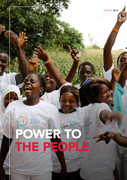
The report shows that where people and communities living with and affected by HIV are engaged in decision-making and HIV service delivery, new infections decline and more people living with HIV gain access to treatment. When people have the power to choose, to know, to thrive, to demand and to work
...
Please download the other parts from the Webseite
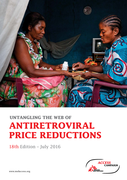
This report provides an update on the key facets of HIV treatment access, including the latest HIV treatment guidelines from World Health Organization (WHO), an overview on pricing for first-line, second-line, and salvage regimens, and a summary of the opportunities for – and threats to – expand
...
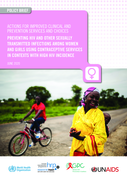
This programmatic brief explores how to expand HIV and STI prevention and contraceptive method options in contraceptive services and, thus, to reduce HIV and STI incidence among adolescent girls and women. It focuses on settings with extremely high HIV prevalence and incidence. This brief complement
...
Supplement Article
www.jaids.com J Acquir Immune Defic Syndr Volume 78, Supplement 1, August 15, 2018
Child Survival Working Group
Accessed: 26.10.2019
In the time of coronavirus disease (COVID-19), sex and drug use will continue, regardless of physical distancing orders and policies. People who previously met in community gathering venues such as bars and clubs may now meet in different sites, ones that are “hidden” or less accessible. This, i
...
UNAIDS 2018 reference
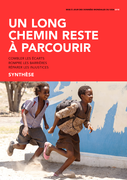
Combler les écarts
Rompre les barrières
Réparer les injustices
Synthèse

Pregnancy and childbirth during adolescence profoundly affects the lives of millions of girls worldwide, and is a leading cause of maternal mortality and morbidity, and infant and child mortality. Every year, an estimated 21 million girls aged 15–19 years old in low- and middle-income countries be
...
