
Filter
1771
Text search:
external
donors
Featured
137
611
Language
Document type
1144
250
152
94
89
15
13
7
3
2
1
Countries
74
58
54
52
44
41
40
40
39
39
37
35
30
29
28
28
27
24
21
20
20
18
18
17
16
16
16
15
15
15
14
13
11
11
10
10
10
9
8
8
8
8
8
8
7
7
7
6
6
5
5
5
5
5
5
5
5
4
4
4
4
4
4
4
3
3
3
3
3
3
2
2
2
2
2
2
2
2
2
2
2
2
2
2
2
2
2
2
2
2
2
2
1
1
1
1
1
1
1
1
1
1
1
1
1
1
1
1
1
1
1
1
1
1
Authors & Publishers
Publication Years
Category
647
131
97
95
92
26
20
3
2
Toolboxes
175
92
84
67
65
59
57
55
55
45
42
39
32
29
29
27
19
11
8
8
7
3
3
3
2
WHO TRS N°1012.
Key updates include: (i) surveillance strategies, including cross-sectoral linking of systems and suitable diagnostics; (ii) the latest recommendations on human and animal immunization; (iii) palliative care in lowresource settings; (iv) risk assessment to guide management of bite
...
The goal of the United States Government for the President's Emergency Plan for AIDS Relief (PEPFAR) in Mozambique is to support country efforts to achieve epidemic control by 2020 through evidence-based policies and interventions to drive progress and save
lives. This document details PEPFAR's op
...
This guidance has been developed in line with the WHO corporate risk management framework, the WHO business continuity and contingency plans, as well as the Inter-Agency Emergency Response Preparedness Framework. It is based on a common organiza-tional approach and procedures for managing including
...

2nd edition. The 2018 Roadmap incorporates an additional critical population: adolescents. Despite making up 1 in 6 of the world’s people, adolescents have been largely overlooked as global momentum to address TB has grown. Spanning the ages of 10–19 years, adolescents are both at risk of TB and
...
Outstanding child and adolescent TB priorities include the need to: find the missing children with active TB and link them to TB care; prevent TB in children who are in contact with infectious TB cases (through implementation of active contact investigation and provision of preventive treatment); an
...
The purpose of the landscape analysis is ultimately to facilitate improved engagement of private providers, thereby contributing to universal access to quality and affordable TB care and the end of the TB epidemic. It focuses on the role of private for-profit providers and on specific challenges and
...

The Community Action Research on Disability (CARD) programme in Uganda embraced and modified the EDR approach, recognising the need for including people with disability in the research process from concept to outcome, and nurturing participation and collaboration between all the stakeholders in achi
...

Living Conditions among People with Activity Limitations in Zambia: A National Representative Study.
This research report provides results from the study on living conditions among people with disabilities in Zambia. Comparisons are made between individuals with and without disabilities and also between households with and without a disabled family member. Results obtained in Zambia are also compar
...
STUDY REPORT | This study of the impact of the Nepal earthquake of 25 April, 2015, aims to understand the impact factors leading to the exclusion of older people and persons with disabilities from humanitarian action, barriers to their inclusion, and the extent to which their skills and knowledge we
...
These guidelines are applicable to all biomedical, social and behavioural science research for health conducted in India involving human participants, their biological material and data.
The purpose of such research should be: i. directed towards enhancing knowledge about the human condition while
...
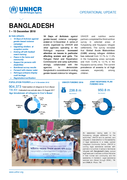
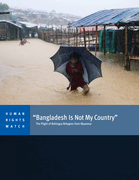
16 Days of Activism against gender-based violence campaign ended on 10 December. A series of events organized by UNHCR and other agencies operating in the Rohingya response increased attention on issues in particular affecting women and girls: The Refugee Relief an
...
EVALUATION REPORT | This evaluation is the first comprehensive global exercise to examine UNICEF’s programme response in protecting children in emergencies. Its purpose is to strengthen child protection programming by assessing performance in recent years and to draw lessons and recommendations th
...
The recruitment and use of children violates their rights and causes them physical, developmental, emotional, mental, and spiritual harm. The impact on their mental and physical well-being breaches the most fundamental human rights and represents a grave threat to durable peace and sustainable deve
...

‘Psychosocial Support of Children in Emergencies’ is a reference document for humanitarian workers who want to increase their understanding of the experiences of children in emergency situations and how to support them in mitigating the negative effects of these experiences and how to prevent fu
...
