
Filter
2394
Text search:
behavioural
Featured
224
603
Language
2266
74
61
60
26
17
12
10
8
4
4
2
2
2
2
1
1
1
1
1
1
1
1
1
1
1
1
1
1
1
1
Document type
1454
352
268
111
88
40
39
17
9
9
6
1
Countries
118
110
57
57
54
51
45
38
38
38
37
34
31
31
30
28
28
26
25
24
22
22
21
19
18
18
18
15
14
13
13
13
11
11
10
9
9
9
8
8
7
7
6
6
6
6
6
6
6
6
5
5
5
5
4
4
4
4
4
4
4
4
3
3
3
3
3
3
3
3
3
3
3
2
2
2
2
2
2
2
2
2
2
2
2
2
2
2
2
1
1
1
1
1
1
1
1
1
1
1
1
1
1
1
1
1
1
1
1
1
1
1
1
1
1
1
1
1
Authors & Publishers
371
163
121
117
91
83
69
58
52
30
26
20
20
20
19
18
17
16
16
13
12
11
10
10
10
10
9
8
8
8
8
8
7
7
7
6
6
6
6
6
6
6
6
6
6
6
6
6
5
5
5
5
5
5
5
5
5
5
5
5
5
5
5
5
5
5
5
4
4
4
4
4
4
4
4
4
4
4
4
4
4
4
4
4
4
3
3
3
3
3
3
3
3
3
3
3
3
3
3
3
3
3
3
3
3
3
3
3
3
3
3
3
3
3
3
3
3
3
3
3
3
3
3
3
3
3
3
3
3
3
3
3
3
3
3
3
3
3
3
3
3
3
3
3
2
2
2
2
2
2
2
2
2
2
2
2
2
2
2
2
2
2
2
2
2
2
2
2
2
2
2
2
2
2
2
2
2
2
2
2
2
2
2
2
2
2
2
2
2
2
2
2
2
2
2
2
2
2
2
2
2
2
2
2
2
2
2
2
2
2
2
2
2
2
2
2
2
2
2
2
2
2
2
2
2
2
2
2
2
2
2
2
2
2
2
2
2
2
2
2
2
2
2
2
2
2
2
2
2
2
2
2
2
2
2
2
2
2
2
2
2
2
2
2
2
2
2
2
2
2
2
2
2
2
2
2
2
2
2
2
2
2
2
2
2
2
2
2
2
2
2
2
2
2
1
1
1
1
1
1
1
1
1
1
1
1
1
1
1
1
1
1
1
1
1
1
1
1
1
1
1
1
1
1
1
1
1
1
1
1
1
1
1
1
1
1
1
1
1
1
1
1
1
1
1
1
1
1
1
1
1
1
1
1
1
1
1
1
1
1
1
1
1
1
1
1
1
1
1
1
1
1
1
1
1
1
1
1
1
1
1
1
1
1
1
1
1
1
1
1
1
1
1
1
1
1
1
1
1
1
1
1
1
1
1
1
1
1
1
1
1
1
1
1
1
1
1
1
1
1
1
1
1
1
1
1
1
1
1
1
1
1
1
1
1
1
1
1
1
1
1
1
1
1
1
1
1
1
1
1
1
1
1
1
1
1
1
1
1
1
1
1
1
1
1
1
1
1
1
1
1
1
1
1
1
1
1
1
1
1
1
1
1
1
1
1
1
1
1
1
1
1
1
1
1
1
1
1
1
1
1
1
1
1
1
1
1
1
1
1
1
1
1
1
1
1
1
1
1
1
1
1
1
1
1
1
1
1
1
1
1
1
1
1
1
1
1
1
1
1
1
1
1
1
1
1
1
1
1
1
1
1
1
1
1
1
1
1
1
1
1
1
1
1
1
1
1
1
1
1
1
1
1
1
1
1
1
1
1
1
1
1
1
1
1
1
1
1
1
1
1
1
1
1
1
1
1
1
1
1
1
1
1
1
1
1
1
1
1
1
1
1
1
1
1
1
1
1
1
1
1
1
1
1
1
1
1
1
1
1
1
1
1
1
1
1
1
1
1
1
1
1
1
1
1
1
1
1
1
1
1
1
1
1
1
1
1
1
1
1
1
1
1
1
1
1
1
1
1
1
1
1
1
1
1
1
1
1
1
1
1
1
1
1
1
1
1
1
1
1
1
1
1
1
1
1
1
1
1
1
1
1
1
1
1
1
1
1
1
1
1
1
1
1
1
1
1
1
1
1
1
1
1
1
1
1
1
1
1
1
1
1
1
1
1
1
1
1
1
1
1
1
1
1
1
1
1
1
1
1
1
1
1
1
1
1
1
1
1
1
1
1
1
1
1
1
1
1
1
1
1
1
1
1
1
1
1
1
1
1
1
1
1
1
1
1
1
1
1
1
1
1
1
1
1
1
1
1
1
1
1
1
1
1
1
1
1
1
1
1
1
1
1
1
1
1
1
1
1
1
1
1
1
1
1
1
1
1
1
1
1
1
1
1
1
1
1
1
1
1
1
1
1
1
1
1
1
1
1
1
1
1
1
1
1
1
1
1
1
1
1
1
1
1
1
1
1
1
1
1
1
1
1
1
1
1
1
1
1
1
1
1
1
1
1
1
1
1
1
1
1
1
1
1
1
1
1
1
1
1
1
1
1
1
1
1
1
1
1
1
1
1
1
1
1
1
1
1
1
1
1
1
1
1
1
1
1
1
1
1
1
1
1
1
1
1
1
1
1
1
1
1
1
1
1
1
1
1
1
1
1
1
1
1
1
1
1
1
1
1
1
1
1
1
1
1
1
1
1
1
1
1
1
1
1
1
1
1
1
1
1
1
1
1
1
1
1
1
1
1
1
1
1
1
1
1
1
1
1
1
1
1
1
1
1
1
1
1
1
1
1
1
1
1
1
1
1
1
1
1
1
1
1
1
1
1
1
1
1
1
1
1
1
1
1
1
1
1
1
1
1
1
1
1
1
1
1
1
1
1
1
1
1
1
1
1
1
1
1
1
1
1
1
1
1
1
1
1
1
1
1
1
1
1
1
1
1
1
1
1
1
1
1
1
1
1
1
1
1
1
1
1
1
1
1
1
1
1
1
1
1
1
1
1
1
1
1
1
1
1
1
1
1
1
1
1
1
1
1
1
1
1
1
1
1
1
1
1
1
1
1
1
1
1
1
1
1
1
1
1
1
1
1
1
1
1
1
1
1
1
1
1
1
1
1
1
1
1
1
1
1
1
1
1
1
1
1
1
1
1
1
1
1
1
1
1
1
1
1
1
1
1
1
1
1
1
1
1
1
1
1
1
1
1
1
1
1
1
1
1
1
1
1
1
1
1
1
1
1
1
1
1
1
1
1
1
1
1
1
1
1
1
1
1
1
1
1
1
1
1
1
1
1
1
1
1
1
1
1
1
1
1
1
1
1
1
1
1
1
1
1
1
1
1
1
1
1
1
1
1
1
1
1
1
1
1
1
1
1
1
1
1
1
1
1
1
1
1
1
1
1
1
1
1
1
1
1
1
1
1
1
1
1
1
1
1
1
1
1
1
1
1
1
1
1
1
1
1
1
1
1
1
1
1
1
1
1
1
1
1
1
1
1
1
1
1
1
1
1
1
1
1
1
1
1
1
1
1
1
1
1
1
1
1
1
1
1
1
1
1
1
1
1
1
1
1
1
1
1
1
1
1
1
1
1
1
1
1
1
1
1
1
1
1
1
1
1
1
1
1
1
1
1
1
1
1
1
1
1
1
1
1
1
1
1
1
1
1
1
1
1
1
1
1
1
1
1
1
1
1
1
1
1
1
1
1
1
1
1
1
1
1
1
1
1
1
1
1
1
1
1
1
1
1
1
1
1
1
1
1
1
1
1
1
1
1
1
1
1
1
1
1
1
1
1
1
1
1
1
1
1
1
1
1
1
1
1
1
1
1
1
1
1
1
1
1
1
1
1
1
1
1
1
1
1
1
1
1
1
1
1
1
1
1
1
1
1
1
1
1
1
1
1
1
1
1
1
1
1
1
1
1
1
1
1
1
1
1
1
1
1
1
1
1
1
1
1
1
1
1
1
1
1
1
1
1
1
1
1
1
1
1
1
1
1
1
1
1
1
1
1
1
1
1
1
1
1
1
1
1
1
1
1
1
1
1
1
1
1
1
1
1
1
1
1
1
1
1
1
1
1
1
1
1
1
1
1
1
1
1
1
1
1
1
1
1
1
1
1
1
1
1
1
1
1
1
1
1
1
1
1
1
1
1
1
1
1
1
1
1
1
1
1
1
1
1
1
1
1
1
1
1
1
1
1
1
1
1
1
1
1
1
1
1
1
1
1
1
1
1
1
1
1
1
1
1
1
1
1
1
1
1
1
1
1
1
1
1
1
1
1
1
1
1
1
1
1
1
1
1
1
1
1
1
1
1
1
1
1
1
1
1
1
1
1
1
1
1
1
1
1
1
1
1
1
1
1
1
1
1
1
1
1
1
1
1
1
1
1
1
1
1
1
1
1
1
1
1
1
1
1
1
1
1
1
1
1
1
1
1
1
1
1
1
1
1
1
1
1
1
1
1
1
1
1
1
1
1
1
1
1
1
1
1
1
1
1
1
1
1
1
1
1
1
1
1
1
1
1
1
1
1
1
1
1
1
1
1
1
1
1
1
1
1
1
1
1
1
1
1
1
1
1
1
1
1
1
1
1
1
1
1
1
1
1
1
1
1
1
1
1
1
1
1
1
1
1
1
1
1
1
1
1
1
1
1
1
1
1
1
1
1
1
1
1
1
1
1
1
1
1
1
1
1
1
1
1
1
1
1
1
1
1
1
1
1
1
1
1
1
1
1
1
1
1
1
1
1
1
1
1
1
1
1
1
1
1
1
1
1
1
1
1
1
1
1
1
1
1
1
1
1
1
1
1
1
1
1
1
1
1
1
1
1
1
1
1
1
1
1
1
1
1
1
1
1
1
1
1
1
1
1
1
1
1
1
1
1
1
1
1
1
1
1
1
1
1
1
1
1
1
1
1
1
1
1
1
1
1
1
1
1
1
1
1
1
1
1
1
1
1
1
1
1
1
1
1
1
1
1
1
1
1
1
1
1
1
1
1
1
1
1
1
1
1
1
1
1
1
1
1
1
1
1
1
1
1
1
1
1
1
1
1
1
1
1
1
1
1
1
1
1
1
1
Publication Years
1
570
1621
195
6
1
Category
767
164
156
114
80
40
2
Toolboxes
474
267
132
94
79
71
71
62
55
52
51
47
40
35
31
19
14
13
12
10
5
4
4
Clinical Guideline

World J Meta-Anal. Aug 26, 2017; 5(4): 103-123
Published online Aug 26, 2017. doi: 10.13105/wjma.v5.i4.103
Int J Bipolar Disord (2018) 6:6 https://doi.org/10.1186/s40345‑017‑0110‑8
In 2001, the WHO stated that: "The use of mobile and wireless technologies to support the achievement of health objectives (mHealth) has the potential to transform the face of health service delivery across the globe"
...
. Within mental health, interventions and monitoring systems for depression, anxiety, substance abuse, eating disorder, schizophrenia and bipolar disorder have been developed and used. The present paper presents the status and findings from studies using automatically generated objective smartphone data in the monitoring of bipolar disorder, and addresses considerations on the current literature and methodological as well as clinical aspects to consider in the future studies.
more
Despite growing evidence on the impact of psychosocial support interventions, there is an urgent need for a stronger evidence base on approaches that effectively support children affected by armed conflict. To contribute to this evidence base, and building on a pilot study conducted in Uganda in 200
...
9, War Child conducted an exploratory outcome evaluation of its psychosocial support intervention ‘I DEAL’ in South Sudan and Colombia in 2012. The objective of the evaluation was to explore the outcomes that I DEAL achieves for children and the factors that influence the achievement of those outcomes to further inform and strengthen the intervention
more
Results from studies evaluating the effectiveness of focused psychosocial support interventions in children exposed to traumatic events in humanitarian settings in low-income and middle-income countries have been inconsistent, showing varying results by setting and subgroup (eg, age or gender). We a
...
imed to assess the effectiveness of these interventions, and to explore which children are likely to benefit most.
Lancet Glob Health 2018; 6: e390–400
more
Post-traumatic stress disorder: NICE guideline
recommended
NICE guideline | This guideline covers recognising, assessing and treating post-traumatic stress disorder (PTSD) in children, young people and adults. It aims to improve quality of life by reducing symptoms of PTSD such as anxiety, sleep problems and difficulties with concentration. Recommendations
...
also aim to raise awareness of the condition and improve coordination of care.
more
Open Journal of Psychiatry, 2014, 4, 390-395
Published Online October 2014 in SciRes. http://www.scirp.org/journal/ojpsych
http://dx.doi.org/10.4236/ojpsych.2014.44045
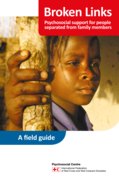
Broken links Psychosocial support for people separated from family members: a field guide
recommended
The 40-page field guide outlines possible causes of separation, discusses the psychosocial impacts of being separated, such as how we experience loss, and provides guidelines on how to support those who have been separated from family members – including delivering difficult news to loved ones, ba
...
sic helping skills, interviews, on-going support and referrals, and reunification. There is also a chapter on self-care for staff and volunteers. The materials provided here will need to be adapted to suit local contexts. The aim of this field guide is to build both confidence and skills in responding to disaster and crisis situations, and to raise awareness of the broader goals of the Movement’s work in supporting families separated from their loved ones
more

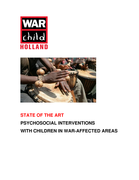
War Child put forward a specific request for comparative study, addressing the following questions: •What are the key types of intervention for psychosocial assistance that are being applied to children in war-affected areas? •What are the results of (scientific) research into the effects of th
...
e most relevant programmes? •Which NGOs operate in this sector and what is their practical experience with specific methods? •How does the War Child methodology relate to developments in the sector; what is known about the effects of War Child’s programme and how can these be measured? How will War Child work towards the development of additional evidence?
more
Treatment of Posttraumatic Stress Disorder in Children and Adolescents
Patrick, S., Perrin, S., Tim, D., Richard, M-S., David M, C., & William, Y.
Current Opinion in Psychiatry
(2013)
C1
Purpose of review: We review recent evidence regarding risk factors for childhood posttraumatic stress disorder (PTSD) and treatment outcome studies from 2010 to 2012 including dissemination studies, early intervention studies and studies involving preschool children.
This document is designed to provide UNICEF staff and UNICEF partner staff with principles and concepts that can assist them to respond to the psychosocial needs of children in natural disasters and social emergencies such as armed conflict and other forms of violence. It aims to introduce humanitar
...
ian workers to psychosocial principles and UNICEF’s position on these principles. It also provides a number of examples from field work of how these principles have been turned into concrete actions. These psychosocial principles and concepts inform both emergency responses and subsequent programmatic responses post-emergency.
more
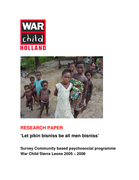
The community based programme aims to address the psychosocial needs of children and youth through helping to rebuild peaceful child- and youth-friendly communities through the use of cultural, creative, recreational, sportive and social activities. Within War Child, the community-based approach is
...
relatively new and Sierra Leone was the first self-implementing War Child Programme Area (WPA) applying this approach.
more
Module: Disorders due to substance abuse mhGAP
recommended
Accessed: 21.03.2019
mhGAP Training Manual for the mhGAP Intervention Guide for mental, neurological and substance use disorders in non-specialized health settings – version 2.0 (for field testing)
By December of 2019, an estimated 5.3 million Venezuelans would have left the country, migrating in search of opportunities, health services and an overall search to improve the socio-economic conditions of themselves and their families. This is the largest migration in the history of the Americas.
...
Migrants are one of the most vulnerable populations, exposed to human trafficking, abuse, exploitation and violence.
This Emergency Appeal seeks funds to reach this vulnerable population through a range of services that are aimed at preserving the dignity of migrant populations and increasing their wellbeing. These services are: shelter; livelihoods and basic needs; health services; water, sanitation and hygiene services; protection gender and inclusion. T
more
Mental Health and Psychosocial Support (MHPSS) in the context of the crises in Syria and Iraq
Sigmund Freud Privatuniversität; BAff; Charité; et al.
Deutsche Gesellschaft für Internationale Zusammenarbeit (GIZ) GmbH
(2017)
C2
Guiding framework for development cooperation, Working paper 2017.
This document was drawn up on the basis of expert publications and inputs from partners in the
GIZ regional programme Psychosocial Support for Syrian and Iraqi Refugees and Internally
Displaced People1 in order to serve as guidanc
...
e in the design, implementation and assessment of
psychosocial support measures for refugees in the context of the crises in Syria and Iraq. It is
aimed at actors from the MHPSS sector working with refugees in the Middle East and at ministries
and academic/scientific institutions in the context of the Syria and Iraq crises.
more
This Review summarizes many of the persistent biological alterations associated with childhood maltreatment including changes in neuroendocrine and neurotransmitter systems and pro-inflammatory cytokines in addition to specific alterations in brain areas associated with mood regulation. Finally, I d
...
iscuss several candidate gene polymorphisms that interact with childhood maltreatment to modulate vulnerability to major depression and PTSD and epigenetic mechanisms thought to transduce environmental stressors into disease vulnerability.
Neuron Review, vol. 89, March 2, 2016 pp.892-909
more
Early Childhood Matters is a journal about early childhood. It looks at specific issues regarding the development of young children, in particular from a psychosocial perspective. It is published twice per year by the Bernard van Leer Foundation.
On Page 54 of this issue the article titled: "Par
...
enting in times of war: supporting caregivers and children in crisis" can be found. In this article: Humanitarian interventions to support and guide parents and caregivers in times of war can mitigate the negative effects of violence and chaos on children and promote their resilience and development. This article highlights recent findings from the International Rescue Committee’s parenting programmes in Syria, underscoring the importance of such programmes not only in strengthening caregiving practices but also in addressing the psychological needs of parents.
more
The principle of “the best interest of the child” should guide decisions by politicians whenever
children are affected. This is one of the basic ideas in the UN Convention on the Rights
of the Child. Decision makers should assess the consequences for children before taking
action. Today, this
...
principle is not fully respected in European countries in relation to migrant
children.
more
