
Filter
2597
Text search:
general
assembly
Featured
194
699
Language
2472
82
75
63
38
26
21
19
8
7
5
5
5
5
5
4
4
4
3
3
3
3
3
3
3
3
3
3
3
2
2
2
2
2
2
2
2
2
2
2
2
1
1
1
1
1
1
1
1
1
1
1
1
1
1
1
1
1
Document type
1505
482
260
133
122
31
27
14
9
6
5
Countries
168
69
68
62
58
50
45
42
39
38
36
35
34
34
34
28
26
26
25
24
24
23
23
22
21
20
20
18
17
17
17
16
14
13
12
11
11
11
11
10
10
10
10
10
10
10
10
10
9
8
8
8
7
7
7
7
6
5
5
5
5
5
5
5
5
4
4
4
4
4
4
4
4
4
3
3
3
3
3
3
3
3
3
2
2
2
2
2
2
2
2
2
2
2
2
2
2
2
2
2
2
2
1
1
1
1
1
1
1
1
1
1
1
1
1
1
1
1
1
1
1
1
1
1
1
1
1
1
Authors & Publishers
392
156
104
99
92
91
64
42
26
23
20
18
17
16
14
13
13
12
12
11
11
11
11
10
10
10
10
9
9
9
9
8
8
8
8
8
8
7
7
7
7
7
7
6
6
6
6
6
6
6
6
6
6
6
6
6
5
5
5
5
5
5
5
5
5
5
5
4
4
4
4
4
4
4
4
4
4
4
4
4
4
4
4
4
4
4
4
4
4
4
4
4
4
4
4
4
3
3
3
3
3
3
3
3
3
3
3
3
3
3
3
3
3
3
3
3
3
3
3
3
3
3
3
3
3
3
3
3
3
3
3
3
3
3
3
3
3
3
3
3
3
3
3
3
3
3
3
3
2
2
2
2
2
2
2
2
2
2
2
2
2
2
2
2
2
2
2
2
2
2
2
2
2
2
2
2
2
2
2
2
2
2
2
2
2
2
2
2
2
2
2
2
2
2
2
2
2
2
2
2
2
2
2
2
2
2
2
2
2
2
2
2
2
2
2
2
2
2
2
2
2
2
2
2
2
2
2
2
2
2
2
2
2
2
2
2
2
2
2
2
2
2
2
2
2
2
2
2
2
2
2
2
2
2
2
2
2
2
2
2
2
2
2
2
2
2
2
2
2
2
2
2
2
2
2
2
2
2
2
2
2
2
2
2
2
2
2
2
2
2
2
2
2
2
2
2
2
2
2
2
2
2
2
2
1
1
1
1
1
1
1
1
1
1
1
1
1
1
1
1
1
1
1
1
1
1
1
1
1
1
1
1
1
1
1
1
1
1
1
1
1
1
1
1
1
1
1
1
1
1
1
1
1
1
1
1
1
1
1
1
1
1
1
1
1
1
1
1
1
1
1
1
1
1
1
1
1
1
1
1
1
1
1
1
1
1
1
1
1
1
1
1
1
1
1
1
1
1
1
1
1
1
1
1
1
1
1
1
1
1
1
1
1
1
1
1
1
1
1
1
1
1
1
1
1
1
1
1
1
1
1
1
1
1
1
1
1
1
1
1
1
1
1
1
1
1
1
1
1
1
1
1
1
1
1
1
1
1
1
1
1
1
1
1
1
1
1
1
1
1
1
1
1
1
1
1
1
1
1
1
1
1
1
1
1
1
1
1
1
1
1
1
1
1
1
1
1
1
1
1
1
1
1
1
1
1
1
1
1
1
1
1
1
1
1
1
1
1
1
1
1
1
1
1
1
1
1
1
1
1
1
1
1
1
1
1
1
1
1
1
1
1
1
1
1
1
1
1
1
1
1
1
1
1
1
1
1
1
1
1
1
1
1
1
1
1
1
1
1
1
1
1
1
1
1
1
1
1
1
1
1
1
1
1
1
1
1
1
1
1
1
1
1
1
1
1
1
1
1
1
1
1
1
1
1
1
1
1
1
1
1
1
1
1
1
1
1
1
1
1
1
1
1
1
1
1
1
1
1
1
1
1
1
1
1
1
1
1
1
1
1
1
1
1
1
1
1
1
1
1
1
1
1
1
1
1
1
1
1
1
1
1
1
1
1
1
1
1
1
1
1
1
1
1
1
1
1
1
1
1
1
1
1
1
1
1
1
1
1
1
1
1
1
1
1
1
1
1
1
1
1
1
1
1
1
1
1
1
1
1
1
1
1
1
1
1
1
1
1
1
1
1
1
1
1
1
1
1
1
1
1
1
1
1
1
1
1
1
1
1
1
1
1
1
1
1
1
1
1
1
1
1
1
1
1
1
1
1
1
1
1
1
1
1
1
1
1
1
1
1
1
1
1
1
1
1
1
1
1
1
1
1
1
1
1
1
1
1
1
1
1
1
1
1
1
1
1
1
1
1
1
1
1
1
1
1
1
1
1
1
1
1
1
1
1
1
1
1
1
1
1
1
1
1
1
1
1
1
1
1
1
1
1
1
1
1
1
1
1
1
1
1
1
1
1
1
1
1
1
1
1
1
1
1
1
1
1
1
1
1
1
1
1
1
1
1
1
1
1
1
1
1
1
1
1
1
1
1
1
1
1
1
1
1
1
1
1
1
1
1
1
1
1
1
1
1
1
1
1
1
1
1
1
1
1
1
1
1
1
1
1
1
1
1
1
1
1
1
1
1
1
1
1
1
1
1
1
1
1
1
1
1
1
1
1
1
1
1
1
1
1
1
1
1
1
1
1
1
1
1
1
1
1
1
1
1
1
1
1
1
1
1
1
1
1
1
1
1
1
1
1
1
1
1
1
1
1
1
1
1
1
1
1
1
1
1
1
1
1
1
1
1
1
1
1
1
1
1
1
1
1
1
1
1
1
1
1
1
1
1
1
1
1
1
1
1
1
1
1
1
1
1
1
1
1
1
1
1
1
1
1
1
1
1
1
1
1
1
1
1
1
1
1
1
1
1
1
1
1
1
1
1
1
1
1
1
1
1
1
1
1
1
1
1
1
1
1
1
1
1
1
1
1
1
1
1
1
1
1
1
1
1
1
1
1
1
1
1
1
1
1
1
1
1
1
1
1
1
1
1
1
1
1
1
1
1
1
1
1
1
1
1
1
1
1
1
1
1
1
1
1
1
1
1
1
1
1
1
1
1
1
1
1
1
1
1
1
1
1
1
1
1
1
1
1
1
1
1
1
1
1
1
1
1
1
1
1
1
1
1
1
1
1
1
1
1
1
1
1
1
1
1
1
1
1
1
1
1
1
1
1
1
1
1
1
1
1
1
1
1
1
1
1
1
1
1
1
1
1
1
1
1
1
1
1
1
1
1
1
1
1
1
1
1
1
1
1
1
1
1
1
1
1
1
1
1
1
1
1
1
1
1
1
1
1
1
1
1
1
1
1
1
1
1
1
1
1
1
1
1
1
1
1
1
1
1
1
1
1
1
1
1
1
1
1
1
1
1
1
1
1
1
1
1
1
1
1
1
1
1
1
1
1
1
1
1
1
1
1
1
1
1
1
1
1
1
1
1
1
1
1
1
1
1
1
1
1
1
1
1
1
1
1
1
1
1
1
1
1
1
1
1
1
1
1
1
1
1
1
1
1
1
1
1
1
1
1
1
1
1
1
1
1
1
1
1
1
1
1
1
1
1
1
1
1
1
1
1
1
1
1
1
1
1
1
1
1
1
1
1
1
1
1
1
1
1
1
1
1
1
1
1
1
1
1
1
1
1
1
1
1
1
1
1
1
1
1
1
1
1
1
1
1
1
1
1
1
1
1
1
1
1
1
1
1
1
1
1
1
1
1
1
1
1
1
1
1
1
1
1
1
1
1
1
1
1
1
1
1
1
1
1
1
1
1
1
1
1
1
1
1
1
1
1
1
1
1
1
1
1
1
1
1
1
1
1
1
1
1
1
1
1
1
1
1
1
1
1
1
1
1
1
1
1
1
1
1
1
1
1
1
1
1
1
1
1
1
1
1
1
1
1
1
1
1
1
1
1
1
1
1
1
1
1
1
1
1
1
1
1
1
1
1
1
1
1
1
1
1
1
1
1
1
1
1
1
1
1
1
1
1
1
1
1
1
1
1
1
1
1
1
1
1
1
1
1
1
1
1
1
1
1
1
1
1
1
1
1
1
1
1
1
1
1
1
1
1
1
1
1
1
1
1
1
1
1
1
1
1
1
1
1
1
1
1
1
1
1
1
1
1
1
1
1
1
1
1
1
1
1
1
1
1
1
1
1
1
1
1
1
1
1
1
1
1
1
1
1
1
1
1
1
1
1
1
1
1
1
1
1
1
1
1
1
1
1
1
1
1
1
1
1
1
1
1
1
1
1
1
1
1
1
1
1
1
1
1
1
1
1
1
1
1
1
1
1
1
1
1
1
1
1
1
1
1
1
1
1
1
1
1
1
1
1
1
1
1
1
1
1
1
1
1
1
1
1
1
1
1
1
1
1
1
1
1
1
1
1
1
1
1
1
1
1
1
1
1
1
1
1
1
1
1
1
1
1
1
1
1
1
1
1
1
1
1
1
1
1
1
1
1
1
1
1
1
1
1
1
1
1
1
1
1
1
1
1
1
1
1
1
1
1
1
1
1
1
1
1
1
1
1
1
1
1
1
1
1
1
1
1
1
1
1
1
1
1
1
1
1
1
1
1
1
1
1
1
1
1
1
1
1
1
1
1
1
1
1
1
1
1
1
1
1
1
1
1
1
1
1
1
1
1
1
1
1
1
1
1
1
1
1
1
1
1
1
1
1
1
1
1
1
1
1
1
1
1
1
1
1
1
1
1
1
1
1
1
1
1
1
1
1
1
1
1
1
1
1
1
1
1
1
1
1
1
1
1
1
1
1
1
1
1
1
1
1
1
1
1
1
1
1
1
1
1
1
1
1
1
1
1
1
1
1
1
1
1
1
1
1
1
1
1
1
1
1
1
1
1
1
1
1
1
1
1
1
1
1
1
1
1
1
1
1
1
1
1
1
1
1
1
1
1
1
1
1
1
1
1
1
1
1
1
1
1
1
1
1
1
1
1
1
1
1
1
1
1
1
1
1
1
1
1
1
1
1
1
1
1
1
1
1
1
1
1
1
1
1
1
1
1
1
1
1
1
1
1
1
1
1
1
1
1
1
1
1
1
1
1
1
1
1
1
1
1
1
1
1
1
1
1
1
1
1
1
1
1
1
1
1
1
1
1
1
1
1
1
1
1
1
1
1
1
1
1
1
1
1
1
1
1
1
1
1
1
1
1
1
1
1
1
1
1
1
1
1
1
1
1
1
1
1
1
1
1
1
1
1
1
1
1
1
1
1
1
1
1
1
1
1
1
1
1
1
1
1
1
1
1
1
1
1
1
1
1
1
1
1
1
1
1
1
1
1
1
1
1
1
1
1
1
1
1
1
1
1
1
1
1
1
1
1
1
1
1
1
Publication Years
1
636
1694
248
12
1
2
2
1
Category
839
197
181
151
100
31
20
7
1
Toolboxes
239
184
153
139
133
100
80
80
78
72
70
69
67
57
50
37
35
28
28
24
13
11
3
2
1
Integrating HIV, hepatitis B and syphilis screening and treatment through the Reproductive, Maternal, Newborn and Child Health platform to reach global elimination targets
J. Woodring; H.d Sobel; Y. Takashima; et al.
World Health Organization (Western Pacific Region)
(2017)
C_WHO
WPSAR Vol 8, No 4, 2017 | doi: 10.5365/wpsar.2017.8.3.005
DOI: http://dx.doi.org/10.5365/wpsar.v8i4.564
UNAIDS/99.31E (English original, June 1999)
1st revision, April 2000
Germanys expanding role in global health
Ilona Kickbusch, Christian Franz, Anna Holzscheiter, Iris Hunger, Albrecht Jahn, Carsten Kö; hler, Oliver Razum, Jean-Olivier Schmidt
Lancet 2017; 390: 898– 912
(2017)
CC
Germany has become a visible actor in global health in the past 10 years. In this Series paper, we describe how this development complements a broad change in perspective in German foreign policy.
Annual report on global preparednessfor health emergencies
The next pandemic is not a question of if, but when—and the world is woefully unprepared, according to the first annual report from the Global Preparedness Monitoring Board. The WHO and the World Bank convened the independent group after
...
the 2014-2015 Ebola outbreak in West Africa, Global News reports. Within 36 hours, a contagion like the 1918 flu could sweep the globe and take 50 to 80 million lives while wreaking havoc on the global economy, the report warns. And that’s just one possibility.
What would it take to get prepared? An investment of $1-$2 per person per year could create “acceptable” level of preparedness.
more
This summary highlights the experiences, results and actions from
the implementation of the Rapid Assessment Tool for Sexual and
The tool – developed by IPPF, UNFPA, WHO, UNAIDS, GNP+, ICW and Young Positives in
2009 – supports national assessments of the bi-directional linkages
between sexu
...
al and reproductive health (SRH) and HIV at the policy,
systems and services levels. Each country that has rolled out the
tool has gathered and generated information that will help to
determine priorities and shape national plans and frameworks for
scaling up and intensifying linkages. Country experiences and best
practices will also inform regional and global agendas.
more
The report discusses the epidemiological and social aspects of ageing, health and functional changes experienced with ageing, the impact of physical activity, assessment of the nutritional status of older persons, and nutritional guidelines for healthy ageing.
UNAIDS Guidance Note on HIV and Sex Work
UNAIDS
(2012)
C2
Key Populations action plan 2014-2017
The Global Fund To fight AIDS, Tuberculosis and Malaria
(2019)
C2
Accessed: 08.11.2019
HIV Pipeline 2018
i-base
(2018)
C2
htb supplement: 2018 Vol 19:(1)
New drugs in development
July 2018
www.i-Base.info
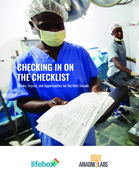
The report and an accompanying series of studies show the global uptake of the World Health Organization (WHO) Surgical Safety Checklist in its first ten years since its launch and recommend ways the Checklist can be more effectively used to improve surgical safety for millions at risk.
The report
...
found that uptake has been remarkably positive: the Checklist has been adopted in almost 90% of operating rooms in countries with a high Human Development Index (HDI), a country-level measure of health, education, and standard of living. It was referenced by at least 139 (70%) of the world's countries and is included as a national standard by the health ministries of at least 20 countries. The Checklist has also had beneficial qualitative impact, introducing a culture of safety and improved communication within surgical teams, increasing patient trust, and improving job satisfaction.
more
Ramped-up cancer services could save 7 million lives over the next decade—and addressing huge service gaps between rich and poor countries is key to success, according to this report.
In 2019, over 90% of high-income countries reported that comprehensive cancer treatment services were available
...
through the public health system, compared to fewer than 15% of low-income countries, according to WHO.
But poorer countries can make substantial strides with a universal health coverage approach and use of the latest science to meet their particular needs.
The report lays out proven ways to prevent new cancer cases without breaking the bank, including tobacco-control measures and vaccines that protect against common cancers.
more
A role for nuclear techniques
Antimicrobials play a critical role in the treatment of human and animal (aquatic and terrestrial) diseases, which has led to their widespread application and use. Antimicrobial resistance (AMR) is the ability of microorganisms to stop an antibiotic, such as an antimic
...
robial, antiviral or antimalarial, from working against them. Globally, about 700 000 deaths per year arise from resistant infections as a result of the fact that antimicrobial drugs have become less effective at killing resistant pathogens. Antimicrobial chemicals that are present in environmental compartments can trigger the development of AMR. These chemicals can also cause antibiotic-resistant bacteria (ARB) to further spread antibiotic resistance genes (ARG) because they may have an evolutionary advantage over non-resistant bacteria.
more
Antimicrobial resistance has become one of the most eminent threats to global health and a rising concern for healthcare specialists. All around the world, many common infections are becoming resistant to the antimicrobial medicines used to treat them, resulting in high morbidity and mortality with
...
serious social and economic implications. Additionally, there are few new antibiotics being developed but they are expensive and are not new classes. Antimicrobials are critical in the management of infectious diseases. They are also essential tools for protecting animal health and welfare, and contribute in production of safe food. Inappropriate use of antimicrobials can lead to resistance which is known as the antimicrobial resistance (AMR) resulting in high morbidity and mortality with serious social and economic implications.
more
This action plan for the Kingdom Saudi Arabia to combat antimicrobial resistance has been formulated in the line of the WHO five objectives. It addresses the need for effective “one health” approach involving coordination among numerous national sectors and actors, including human and veterinary
...
medicine, agriculture, finance, environment, and well-informed consumers. Therefore, a large committee of all stakeholders was formed with five technical subcommittees were established to addresses every aspect
to contain antimicrobial resistance in the country.
more
Antibiotics have been a critical public health tool since the discovery of Penicillin in 1928, saving the lives of millions of people around the world. In developing country like ours, where the burden of treatable disease is very high and access to health facilities and laboratories is difficult, a
...
ntibiotics have long acted as miracle drugs. Today, however, the emergence of drug
resistance in bacteria is reversing the miracles of the past eighty years, with drug choices for the treatment of many bacterial infections becoming increasingly limited, expensive, and in some cases, nonexistent. Diseases previously regarded as relatively easy to manage are much harder to treat as doctors must use “last-resort” drugs that are more costly, take longer to work
and are often unavailable or unaffordable in developing countries. Moreover, regular prescription of antibiotics, random treatment, over the counter sales, inadequate dosage, inclusion of antibiotics in animal feeds and agriculture has contributed equally to emergence of antibiotics resistance as silent epidemic within the country.
more
Antimicrobial resistance has become a serious public health threat for effective treatment of an ever increasing range of infections caused by bacteria, parasites, viruses and fungi. When infections can no longer be treated by first-line antibiotics, other antibiotics must be used, which are both mo
...
re expensive and more toxic. Treatment and hospitalization is prolonged, and patients undergoing operations and other medical procedures are more vulnerable to infections. All this imposes a huge burden on health care systems and on the economy of countries. This is a major challenge to the health system in Mauritius which provides health care free of user cost to the whole population.
more
