
Filter
1681
Text search:
educate
Featured
158
442
Language
1648
23
20
17
10
9
6
5
3
3
3
2
2
2
2
2
2
2
1
1
1
1
1
1
1
1
1
1
1
1
1
1
Document type
1072
212
158
88
52
47
26
10
7
5
2
1
1
Countries
90
62
60
52
50
45
41
41
37
36
36
35
28
28
25
21
21
19
18
16
16
12
11
10
10
10
9
9
9
9
9
8
8
7
7
6
6
6
6
6
6
6
5
5
5
5
4
4
4
4
3
3
3
3
3
3
3
3
3
2
2
2
2
2
2
2
2
2
2
2
2
1
1
1
1
1
1
1
1
1
1
1
1
1
1
1
1
1
1
1
1
1
1
Authors & Publishers
145
76
71
45
39
36
34
33
31
20
18
16
15
13
13
12
12
12
11
11
10
10
10
10
9
9
9
9
9
8
8
7
7
7
6
6
6
6
6
5
5
5
5
5
5
5
5
5
5
5
5
5
5
5
4
4
4
4
4
4
4
4
4
4
4
4
4
4
4
4
4
3
3
3
3
3
3
3
3
3
3
3
3
3
3
3
3
3
3
3
3
3
3
3
3
3
3
3
3
3
3
3
3
3
3
3
3
3
3
3
3
3
3
3
3
2
2
2
2
2
2
2
2
2
2
2
2
2
2
2
2
2
2
2
2
2
2
2
2
2
2
2
2
2
2
2
2
2
2
2
2
2
2
2
2
2
2
2
2
2
2
2
2
2
2
2
2
2
2
2
2
2
2
2
2
2
2
2
2
2
2
2
2
2
2
2
2
2
2
2
2
2
2
2
2
2
2
2
2
2
2
2
2
2
2
2
2
2
2
2
2
2
2
1
1
1
1
1
1
1
1
1
1
1
1
1
1
1
1
1
1
1
1
1
1
1
1
1
1
1
1
1
1
1
1
1
1
1
1
1
1
1
1
1
1
1
1
1
1
1
1
1
1
1
1
1
1
1
1
1
1
1
1
1
1
1
1
1
1
1
1
1
1
1
1
1
1
1
1
1
1
1
1
1
1
1
1
1
1
1
1
1
1
1
1
1
1
1
1
1
1
1
1
1
1
1
1
1
1
1
1
1
1
1
1
1
1
1
1
1
1
1
1
1
1
1
1
1
1
1
1
1
1
1
1
1
1
1
1
1
1
1
1
1
1
1
1
1
1
1
1
1
1
1
1
1
1
1
1
1
1
1
1
1
1
1
1
1
1
1
1
1
1
1
1
1
1
1
1
1
1
1
1
1
1
1
1
1
1
1
1
1
1
1
1
1
1
1
1
1
1
1
1
1
1
1
1
1
1
1
1
1
1
1
1
1
1
1
1
1
1
1
1
1
1
1
1
1
1
1
1
1
1
1
1
1
1
1
1
1
1
1
1
1
1
1
1
1
1
1
1
1
1
1
1
1
1
1
1
1
1
1
1
1
1
1
1
1
1
1
1
1
1
1
1
1
1
1
1
1
1
1
1
1
1
1
1
1
1
1
1
1
1
1
1
1
1
1
1
1
1
1
1
1
1
1
1
1
1
1
1
1
1
1
1
1
1
1
1
1
1
1
1
1
1
1
1
1
1
1
1
1
1
1
1
1
1
1
1
1
1
1
1
1
1
1
1
1
1
1
1
1
1
1
1
1
1
1
1
1
1
1
1
1
1
1
1
1
1
1
1
1
1
1
1
1
1
1
1
1
1
1
1
1
1
1
1
1
1
1
1
1
1
1
1
1
1
1
1
1
1
1
1
1
1
1
1
1
1
1
1
1
1
1
1
1
1
1
1
1
1
1
1
1
1
1
1
1
1
1
1
1
1
1
1
1
1
1
1
1
1
1
1
1
1
1
1
1
1
1
1
1
1
1
1
1
1
1
1
1
1
1
1
1
1
1
1
1
1
1
1
1
1
1
1
1
1
1
1
1
1
1
1
1
1
1
1
1
1
1
1
1
1
1
1
1
1
1
1
1
1
1
1
1
1
1
1
1
1
1
1
1
1
1
1
1
1
1
1
1
1
1
1
1
1
1
1
1
1
1
1
1
1
1
1
1
1
1
1
1
1
1
1
1
1
1
1
1
1
1
1
1
1
1
1
1
1
1
1
1
1
1
1
1
1
1
1
1
1
1
1
1
1
1
1
1
1
1
1
1
1
1
1
1
1
1
1
1
1
1
1
1
1
1
1
1
1
1
1
1
1
1
1
1
1
1
1
1
1
1
1
1
1
1
1
1
1
1
1
1
1
1
1
1
1
1
1
1
1
1
1
1
1
1
1
1
1
1
1
1
1
1
1
1
1
1
1
1
1
1
1
1
1
1
1
1
1
1
1
1
1
1
1
1
1
1
1
1
1
1
1
1
1
1
1
1
1
1
1
1
1
1
1
1
1
1
1
1
1
1
1
1
1
1
1
1
1
1
1
1
1
1
1
1
1
1
1
1
1
1
1
1
1
1
1
1
1
1
1
1
1
1
1
1
1
1
1
1
1
1
1
1
1
1
1
1
1
1
1
1
1
1
1
1
1
1
1
1
1
1
1
1
1
1
1
1
1
1
1
1
1
1
1
1
1
1
1
1
1
1
1
1
1
1
1
1
1
1
1
1
1
1
1
1
1
1
1
1
1
1
1
1
1
1
1
1
1
1
1
1
1
1
1
1
1
1
1
1
1
1
1
1
1
1
1
1
1
1
1
1
1
1
1
1
1
1
1
1
1
1
1
1
1
1
1
1
1
1
1
1
1
1
1
1
1
1
1
1
1
1
1
1
1
1
1
1
1
1
1
1
1
1
1
1
1
1
1
1
1
1
1
1
1
1
1
1
1
1
1
1
1
1
1
1
1
1
1
1
1
1
1
1
1
1
1
1
1
1
1
1
1
1
1
1
1
1
1
1
1
1
1
1
1
1
1
1
1
1
1
1
1
1
1
1
1
1
1
1
1
1
1
1
1
1
1
1
1
1
1
1
1
1
1
1
1
1
1
1
1
1
1
1
1
1
1
1
1
1
1
1
1
1
1
1
1
1
1
1
1
1
1
1
1
1
1
1
1
1
1
1
1
1
1
1
1
1
1
1
1
1
1
1
1
1
1
1
1
1
1
1
1
1
1
1
1
1
1
1
1
1
1
1
1
1
1
1
1
1
1
1
1
1
1
1
1
1
1
1
1
1
1
1
1
1
1
1
1
1
1
1
1
1
1
1
1
1
1
1
1
1
1
1
1
1
1
1
1
1
1
1
1
1
1
1
1
1
1
1
1
1
1
1
1
1
1
1
1
1
1
1
1
1
1
1
1
1
1
1
1
1
1
1
1
1
1
1
1
1
1
1
1
1
1
1
1
1
1
1
1
1
1
1
1
1
1
1
1
1
1
1
1
1
1
1
1
1
1
1
1
1
1
1
1
1
1
1
1
1
1
1
1
1
1
1
1
1
1
1
1
1
1
1
1
1
1
1
1
1
1
1
1
1
1
1
1
1
1
1
1
1
1
1
1
1
1
1
1
1
1
1
1
1
1
1
1
1
1
1
1
1
1
1
1
1
1
1
1
1
1
1
1
1
1
1
1
1
1
1
1
1
1
1
1
1
1
1
1
1
1
1
1
1
1
1
1
1
1
1
1
1
1
1
1
1
1
1
1
1
1
1
1
1
1
1
1
1
1
1
1
1
1
1
1
1
1
1
1
1
1
1
1
1
1
1
1
1
1
1
1
1
1
1
1
1
1
1
1
1
1
1
1
1
1
1
1
1
1
1
1
1
1
1
1
1
1
1
1
1
1
1
1
1
1
1
1
1
1
1
1
1
1
1
1
1
1
1
1
1
1
1
1
1
1
1
1
1
1
1
1
1
1
1
1
1
1
1
1
1
1
1
1
1
1
1
1
1
1
1
1
1
1
1
1
1
1
1
1
1
1
1
1
1
1
1
1
1
1
1
1
1
1
1
1
1
1
1
1
1
1
1
1
1
1
1
1
1
1
1
1
1
1
1
1
1
1
1
1
1
1
1
1
1
1
1
1
1
1
1
1
1
1
1
1
1
1
1
1
1
1
1
1
1
1
1
1
1
1
1
1
1
1
1
Publication Years
1
331
1114
227
8
Category
691
103
97
81
62
36
4
2
1
1
Toolboxes
143
124
107
91
84
81
62
55
46
44
31
30
30
28
21
19
19
15
15
12
11
6
2
Strengthening the capacity of community health workers to deliver care for sexual, reproductive, maternal, newborn, child and adolescent health
World Health Organization (WHO); H4+, UNFPA; et al.
World Health Organization (WHO); H4+, UNFPA; et al.
(2015)
C_WHO
Technical brief by the H4+ (UNAIDS, UNFPA, UNICEF, UN Women, WHO and the World Bank)
Naicker et al. BMC Palliative Care (2016) 15:41 DOI 10.1186/s12904-016-0114-7
WHO Information Series on School Health
World Health Organization (WHO); Unicef; Education International ; et al.
World Health Organization (WHO); Unicef; Education International ; et al.
(2004)
C_WHO
Teachers' Exercise Book for HIV Prevention
Document 6.1
This booklet contains all the participatory learning experiences that are included in the Training and Resource Manual on School Health and HIV and AIDS Prevention. It is to be given to all teachers who receive training as part of the EI/WH
...
O School Health and HIV Prevention Project. Other groups may wish to copy and use the materials in this document to help adults and students prevent HIV infection and related discrimination.
more
The threat posed by antimicrobial resistance (AMR) to public health as well as global health security has been reiterated in umerous World Health Assembly (WHA) resolutions. AMR is also prioritized under the Global Health Security Agenda (GHSA), and India is one of the contributing countries. The Mi
...
nistry of Health & Family Welfare (MoHFW) identified AMR as one of the top 10 priorities for the ministry’s collaborative work with WHO. The National Health Policy 2017 identifies antimicrobial resistance as a problem and calls for effective action to address it. An international conference on AMR – “Combating Antimicrobial Resistance: A
Public Health Challenge and Priority”, was jointly organized by the Government of India and World Health Organization (WHO) in February 2016, which was attended by more than 350 participants. The Hon’ble Prime Minister, Shri Narendra Modi, and the Hon’ble Union Minister for Health, Shri J.P. Nadda have reiterated government’s commitment to tackle AMR.
more

This is the first NAP on the Prevention and Containment of AMR in Kenya. It has been developed based on the National Policy on Prevention and Containment of AMR and the recommendations of the situation analysis on AMR conducted in 2011 and updated in 2016. This strategy provides a regulatory and imp
...
lementation framework to establish and strengthen systems to contain the emergence and spread of AMR. Implementation of this strategy will require substantial funding and high-level political commitment. Because AMR is a multidisciplinary and intersectoral issue, successful implementation of this strategy will require effective coordination and collaboration among different sectors.
more
The National Action Plan for Combating Antibiotic-Resistant Bacteria (CARB), 2020-2025, presents
coordinated, strategic actions that the United States Government will take in the next five years to improve the health and wellbeing of all Americans by changing the course of antibiotic resistance.
T
...
his Plan is based on the U.S. Government’s 2014 National Strategy for CARB, and builds on the first National Action Plan released in 2015 by expanding evidence-based activities that have already been shown to reduce antibiotic resistance, such as optimizing the use of antibiotics in human and animal health settings.
more

In Vietnam, most of the examination and treatment facilities are facing with of spread of bacteria resistant to many antibiotics. The level and speed of drug resistance are increasing, at alarming level. The burden of drug resistance is increasing due to the increasing cost of treatment, prolonged t
...
reatment,. That will affect patients’ health, community and social development. In the future, many
nations will be able to face the possibility of having no effective drugs to treat infectious diseases if they do not make appropriate interventions.
more

Introduction to HIV, AIDS and STI Surveillance - HIV Clinical Staging and Case Reporting
United States Department of Health and Human Services; Centers for Disease Control and Prevention (HHS-CDC); Global AIDS Program (GAP); et al.
United States Department of Health and Human Services; Centers for Disease Control and Prevention (HHS-CDC); Global AIDS Program (GAP); et al.
(2009)
C2
Participant Manual September 2009
Revised Version 2011
Integrated Management of Adolescent and Adult Illness (IMAI)
July 2008

Tanzania: The National Action Plan on AMR 2017-2022
The United Republic of Tanzania - Ministry of Health Community Development Gender Elderly and Children
World Health Organization WHO
(2017)
C_WHO
This National Action Plan addresses actions needed to be taken in order to combat antimicrobial resistance (AMR) in the country. It is obligatory to raise awareness of antimicrobial resistance and promote behavioral change through public communication
programmes that targets human, animal and plant
...
health. Inclusion of the use of antimicrobial agents and resistance in school curricula will further promote better understanding and awareness from an early age. Antimicrobial Resistance knowledge, surveillance and research will be strengthened through establishing a national surveillance system for antimicrobial resistance, establishing and building capacity for a national reference laboratory and designated laboratories for AMR surveillance, developing a national research agenda on AMR and establishing and supporting a coordinated mechanism that will ensure harmonized AMR guidelines, data management and sharing systems in human, animal and plant health settings.
more

Antimicrobials are precious agents for combating infectious diseases and had saved millions of lives throughout the world. However, the current trend of increasing antimicrobial resistance (AMR) has become a global health problem with increased morbidity and mortality in infectious diseases. Sri La
...
nka is not an exemption and face many health related issues with multidrug resistant (MDR) organisms. Currently there is a global effort in combating antimicrobial resistance. WHO extends its fullest support and plays a major role in motivating the countries to combat antimicrobial resistance with national action plans in place. Sri Lanka has initiated combating AMR with multisectoral collaboration, under one health concept. The development of the National Strategic Plan (NSP) 2017-2022 provides the roadmap to combat AMR.
more

Antimicrobial agents play an indispensable role in animal health and welfare management. At the same time, the need for prudent use is obvious to ensure good food safety outcomes and to manage the potential risk of antimicrobial resistance. The emergence of multi-resistant bacteria is posing challen
...
ges to health professionals and communities around the world for both human and animal health. These bacteria are not destroyed by the common antimicrobial agents and so pose a risk to people, particularly children, the elderly and those with poorly functioning immune systems, as well as to animals.
Throughout the years, the dairy sector has been very much aware of the need for responsible use and has, in many countries, implemented adequate measures throughout the dairy supply chain.
more
This document is intended for use by state and local health departments and healthcare facilities and serves as general guidance for the initial response for the containment of novel or targeted multidrug-resistant organisms (MDROs) or resistance mechanisms. It is not intended to describe all the ac
...
tions that might be required for control of an outbreak (e.g., sustained transmission within a facility or region). In addition, further evaluation might be required based on the findings of the initial response described in this document.
more
The guidance provides critical considerations and practical checklists to keep schools safe. It also advises national and local authorities on how to adapt and implement emergency plans for educational facilities.
In the event of school closures, the guidance includes recommendations to mitigate
...
against the possible negative impacts on children’s learning and wellbeing. This means having solid plans in place to ensure the continuity of learning, including remote learning options such as online education strategies and radio broadcasts of academic content, and access to essential services for all children. These plans should also include necessary steps for the eventual safe reopening of schools.
Where schools remain open, and to make sure that children and their families remain protected and informed.
more
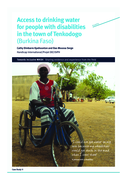
Since 2001, local NGO Dakupa,1 with the support of WaterAid, began to implement a water, sanitation and hygiene (WASH) project in several urban municipalities in the Central East region of Burkina Faso. In line with the principles of equity and inclusion, the objective of this project was to improve
...
access to WASH services for people with
disabilities (PWD) through the construction of accessible water points and latrines. To date, about ten wheelchair accessible standpipes have been constructed in places such as the town of Tenkodogo, the subject of this study.
more
A Guide to the Application of the WHO Multimodal Hand HygieneImprovement Strategy and the “My Five Moments for Hand Hygiene”Αpproach
Health care-associated infection (HCAI) places a serious disease burden and has a significant economic impact on patients and health-care systems throughout the world. Yet good hand hygiene, the simple task of cleaning hands at the right times and in the right way, can save lives. World Health O
...
rganization (WHO) has developed evidence-based WHO Guidelines on Hand Hygiene in Health Care to support health-care facilities to improve hand hygiene and thus reduce HCAI.
more
Briefing note on addressing mental health and psychosocial aspects of COVID-19 Outbreak- Version 1.1
recommended
This briefing note summarises key mental health and psychosocial support (MHPSS) considerations in relation to the 2019 novel coronavirus (COVID-19) outbreak.
