
Filter
1657
Text search:
inclusive
principles
Featured
148
446
Language
Document type
966
250
178
112
97
26
13
4
4
3
1
1
Countries
77
51
47
41
40
40
39
32
28
27
25
24
23
22
21
21
20
18
18
17
16
14
14
13
13
13
12
12
11
11
10
10
10
10
9
8
8
8
8
7
7
7
7
6
6
6
6
5
5
5
5
4
4
4
4
4
4
4
3
3
3
3
3
3
2
2
2
2
2
2
2
2
2
2
2
2
2
2
2
2
2
1
1
1
1
1
1
1
1
1
1
1
1
1
1
1
1
1
1
1
1
1
1
1
1
1
1
1
1
Authors & Publishers
Publication Years
Category
563
109
81
68
59
25
7
2
1
Toolboxes
259
118
117
115
89
65
48
48
35
34
32
29
27
23
19
16
14
11
8
7
4
4
3
1
1
1
A guide to promote health systems strengthening to achieve universal health coverage.
This is an update of a seven-year TB and Leprosy national strategic plan (TBL-NSP), which extends from 2013 to 2020. The update focuses on the plan covering from 2017-20 and is based on the 2017 external mid-term programme review key findings and recommendations; the global and national End TB strat
...
SRHR, HIV AND AIDS Governance Manual

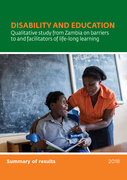
Qualitative study from Zambia on barriers to and facilitators of life-long learning
Framework of Indictors and Targets
Continuing a worrying decade-long rising trend, the number of people forced to flee due to persecution, conflict, violence, human rights violations and events seriously disturbing public order climbed to 89.3 million by the end of 2021. This is more than double the 42.7 million people who remained f
...
The Central African Republic is at a major turning point in its history. The country
is just emerging from a very violent conflict, during which thousands of human lives were lost and one-third of the population was displaced. After
a three-year transition, and with the support of the internationa
...
Self-care interventions are among the most promising and exciting new approaches to improve health and well-being, both from a health systems perspective and for people who use these interventions. The World Health Organization (WHO) uses the following working definition of self-care: Self-care is t
...
Epilepsy: a public health imperative
recommended
This is the first global report on epilepsy summarizing the available evidence on the burden of epilepsy and the public health response required at global, regional and national levels.
The reports highlights major gaps in awareness, diagnosis, treatment, and health policies through a series of a
...
By 2100, new UN figures show that 4 of today’s 10 most populous nations will be replaced by African countries.
Brazil, Bangladesh, Russia and Mexico—where populations are projected to stagnate or decline—will drop out. In their place: Democratic Republic of the Congo, Ethiopia, Tanzania and E
...
National guidelines for the provision of psychosocial support for gender based violence victims/survivors
recommended
Psychosocial support is a very important component in Gender Based Violence response that provide appropriate care, protection and social integration. Psychological aspects affect thoughts, emotions, behavior, memory, learning ability, perceptions and understanding. While the social aspects have ef
...
National guidelines for the provision of psychosocial support for gender based violence victims survivors
recommended
Psychosocial support is a very important component in Gender Based Violence response that provide appropriate care, protection and social integration. Psychological aspects affect thoughts, emotions, behavior, memory, learning ability, perceptions and understanding. While the social aspects have ef
...
The WHO Toolkit for the care and support of people affected by complications associated with Zika virus has been developed to serve as a model guide, with the goal of enhancing country preparedness for Zika virus outbreaks. The toolkit is intended to provide a systems approach involving public heal
...
For centuries, indigenous peoples around the world have used their traditional knowledge to prepare for, cope with and survive disasters. Their methods and practices originated within their communities and have been maintained and passed down over generations. Until recently, policy makers have larg
...
No Public Health without Refugee and Migrant health.
This report, the first of its kind, creates an evidence base with the aim of catalysing progress towards developing and promoting migrant-sensitive health systems in the 53 Member States of the WHO European Region and beyond. This report seeks to
...
